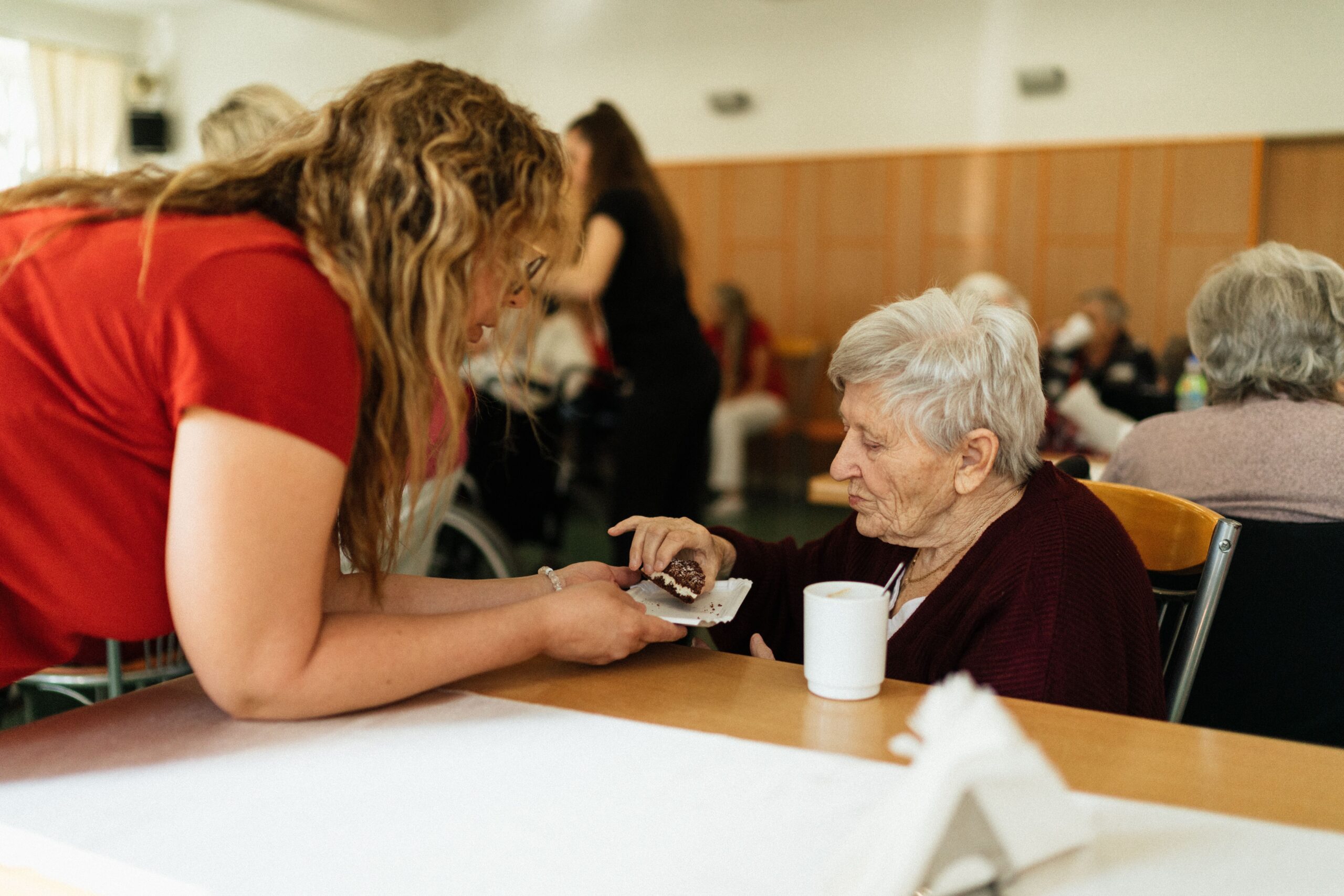
10 Things I Learned Working in Aged Care That Changed How I See Getting Older
I was 23 years old when I started working in aged care. I thought I knew what to expect — helping people with daily tasks, providing care, making a difference. What I didn’t expect was how profoundly the experience would change me. Two years later I see ageing, family, dignity, and what it means to live a good life in a completely different way. Here are 10 things working in aged care taught me that nobody talks about.
1. Moving Into Aged Care Is One of the Hardest Transitions a Person Ever Makes
Nothing prepared me for how genuinely difficult the transition into residential aged care is for most people.
Think about what it means. You leave the home you’ve lived in for decades. The kitchen where you cooked thousands of meals. The garden you tended for years. The neighbourhood you knew. The routines that gave your days shape and meaning. All of it — gone overnight.
You arrive in a new place with new smells, new sounds, new faces, new routines. Your personal space is a fraction of what it was. Your independence is reduced. And you’re expected to call this place home.
Some residents adapt remarkably well — finding friendship, routine, and genuine comfort in their new environment. But many struggle deeply — particularly in the first weeks and months. The grief of that transition is real and it deserves to be acknowledged.
If your loved one is finding the transition difficult — that’s not a sign something is wrong with the facility or with them. It’s a profoundly human response to profound loss. Patience, presence, and consistency from family makes an enormous difference during this period.
2. The Details Matter More Than Anything
Working in aged care taught me that dignity lives in the details.
The way you speak to someone. Whether you knock before entering their room. Whether you remember they take their tea with one sugar and no milk. Whether you notice that they seem quieter than usual today. Whether you take thirty extra seconds to sit with them rather than rushing to the next task.
These small things are not small to the people receiving care. They are the difference between feeling seen as a person and feeling processed as a patient.
The best aged care workers I’ve worked alongside share one quality — extraordinary attention to detail. They notice everything. They remember everything. They treat every interaction as if it’s the most important one of the day.
Because for the resident — it might be.
3. Knowing a Resident’s Story Changes Everything
Every resident in aged care has lived an entire extraordinary life before arriving at your facility.
The quiet man in room 14 was once a champion athlete. The woman who barely speaks was once a teacher who shaped hundreds of young lives. The resident who seems difficult was once the person everyone came to for advice.
When you take the time to learn someone’s story — their career, their family, their passions, their proudest moments — your entire relationship with them changes. You stop seeing a person who needs care and start seeing a person who deserves respect.
The facilities where residents thrive are almost always the ones where staff genuinely know who their residents are — not just their medical history but their life history.
If your loved one is in care — share their story with the staff. Tell them who your person was and is. It makes a real difference to the quality of care they receive.
4. Loneliness Affects Everyone Differently — And It’s More Prevalent Than Most People Realise
Loneliness in aged care is not simply about being alone. Some of the loneliest residents I’ve encountered are surrounded by people all day.
Loneliness in aged care is about disconnection — from family, from purpose, from identity, from the life you knew. It’s about lying awake at 3am in an unfamiliar room missing your home. It’s about watching other residents receive visitors while yours come less and less frequently. It’s about feeling invisible in a room full of people.
It manifests differently in different people. Some become withdrawn and quiet. Some become agitated or difficult. Some lose interest in food, in activities, in getting dressed in the morning. Some simply seem to fade.
The residents who do best are almost always the ones with consistent meaningful connection — family who visit regularly, staff who take genuine interest, friendships within the facility, and activities that provide purpose and engagement.
Visiting your loved one in aged care is not a courtesy. It is medicine.
5. The Amount of Work That Goes On Behind the Scenes Is Extraordinary
Before I worked in aged care I had no idea how much goes into caring for older Australians around the clock.
The medication management. The wound care. The documentation. The coordination between nursing staff, allied health, GPs, specialists, and families. The falls prevention strategies. The nutrition monitoring. The personal care that happens multiple times every day for every resident.
Aged care workers carry an extraordinary workload — often with staffing levels that make the job genuinely challenging. The physical and emotional demands of the role are significant and largely invisible to the outside world.
This is not a criticism of the system — it is an acknowledgment of the people within it. The nurses, the personal care workers, the cleaners, the cooks, the activity officers — they show up every single day and do work that most people couldn’t do.
They deserve far more recognition and far better conditions than most of them currently receive.
6. Residents Can Change and Progress in Ways That Surprise Everyone
One of the most hopeful things I’ve witnessed in aged care is how much residents can change and grow — even in their 80s and 90s.
The resident who was withdrawn for months suddenly finds a friend and transforms. The person who refused to participate in activities discovers a passion for art or music or gentle exercise and comes alive. The resident whose family had given up hope of meaningful communication has a breakthrough conversation that changes everything.
People are not fixed. They are not finished. Given the right environment, the right relationships, and the right support — remarkable things happen.
Never give up on your loved one. Never stop engaging with them, speaking to them, bringing them small joys. The potential for connection and growth doesn’t disappear with age or even with cognitive decline.
7. The Hardest Moments Are Not What You Expect
Before I started in aged care I thought the hardest moments would be the medical ones — the health crises, the difficult procedures, the end of life care.
Those moments are hard. But they are not the hardest.
The hardest moments are the quiet ones. The resident who asks every day when their spouse is coming to visit — not remembering that they passed away years ago. The person who packs their bag every afternoon convinced they’re going home — a home that no longer exists. The family member who sits in the car park for ten minutes after a visit trying to compose themselves before driving home.
These moments don’t make the news. They don’t feature in policy discussions. But they happen every single day in aged care facilities across Australia — and the people experiencing them deserve our deepest compassion and attention.
8. Family Involvement Makes an Enormous Difference
In two years working in aged care I have never once seen a resident whose family was genuinely involved and engaged who didn’t benefit significantly from that involvement.
Not just visiting — though that matters enormously. But advocating. Asking questions. Getting to know the staff. Attending care reviews. Communicating changes in behaviour or mood. Bringing personal items that make the room feel like home. Maintaining the routines and relationships that mattered before admission.
Families who are actively involved in their loved one’s care become partners in that care — and the outcomes are measurably better.
If your loved one is in aged care and you’re unsure how to be involved — ask. Every good facility welcomes engaged families. Your presence and your voice matter more than you know.
9. Dignity Is Everything — And It’s Not Always Protected
Dignity is a word used constantly in aged care — in policy documents, in training materials, in mission statements.
But dignity is not a document. It is a moment by moment practice.
It is whether someone is spoken to as an adult or spoken over as if they’re not in the room. Whether their privacy is respected or casually disregarded. Whether their preferences are sought or assumed. Whether they are given time to do things at their own pace or rushed through care tasks because there are twelve other residents waiting.
I have worked alongside people who practice dignity instinctively and beautifully. And I have seen moments where it was absent — not through cruelty but through exhaustion, through time pressure, through the systemic failures that make genuinely dignified care difficult to consistently deliver.
Every Australian entering aged care deserves dignity. Not as an aspiration — as a guarantee. We are not there yet. And that is something worth fighting for.
10. Working in Aged Care Made Me Want to Do More
Two years working in aged care didn’t just teach me things. It changed what I want to do with my life.
It’s why I built The Good Years Club — because I saw how much older Australians needed a warm, trustworthy, genuinely helpful place online. A place that treated them with the intelligence and respect they deserved.
It’s why I’m studying nursing — because I want to understand this generation’s health needs at the deepest possible level and to advocate for them with genuine clinical authority.
And it’s why I think about aged care reform, elderly rights, and the way our society treats its oldest members constantly — because I’ve seen up close what’s at stake when we get it wrong.
The older Australians I’ve worked with have given me far more than I’ve given them. They’ve shown me what resilience looks like. What grace under difficulty looks like. What a life fully lived looks like.
They deserve the best we can give them.