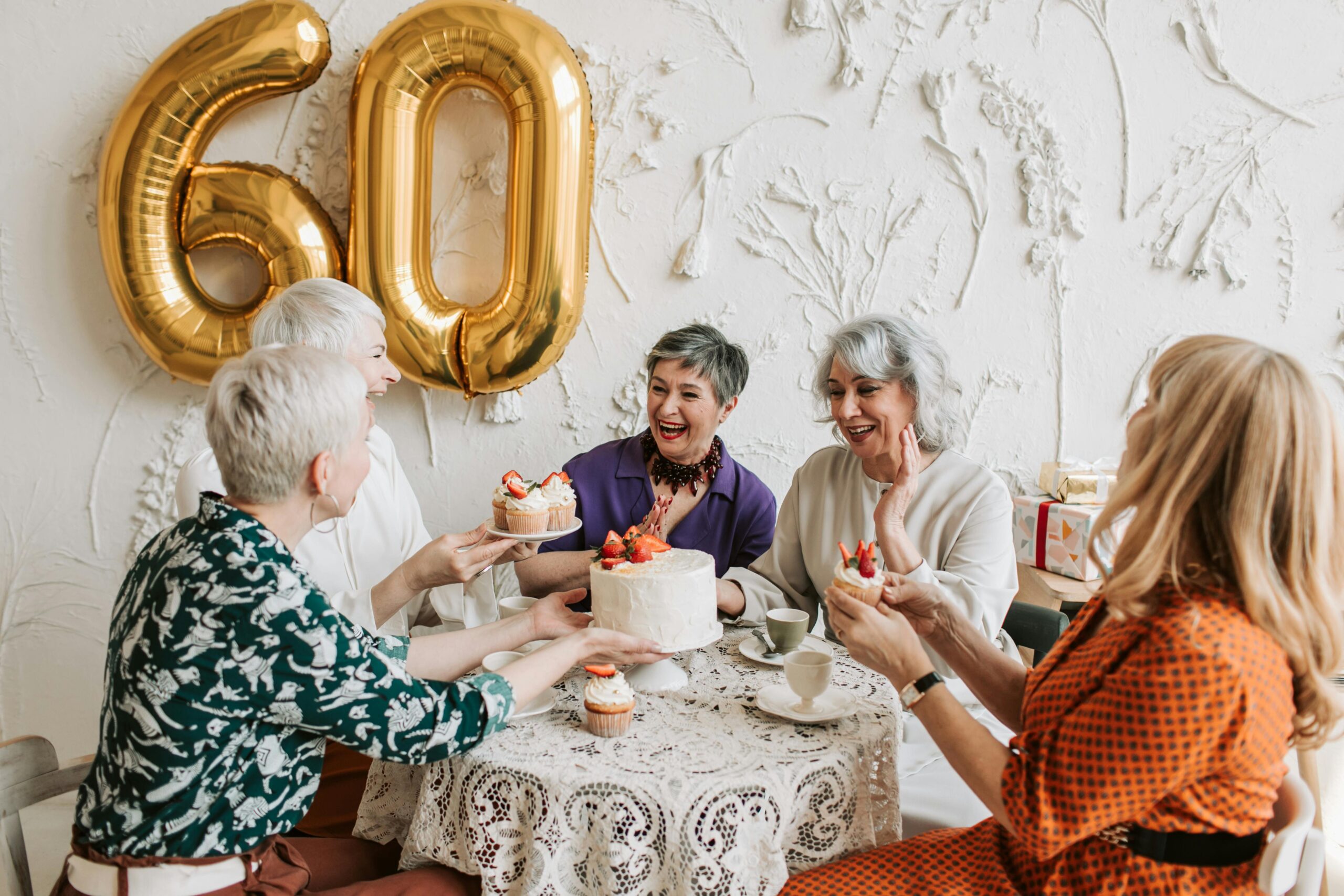
Making New Friends After 60 — It’s Easier Than You Think
One of the things nobody warns you about retirement is how much of your social life was quietly built around work. The casual chats, the shared lunches, the colleagues who became friends — all of it disappears overnight when you retire. For many Australians over 60 this comes as a genuine shock. The good news is that making new friends after 60 is not only possible — it’s one of the most rewarding things you can do in retirement. Here’s how.
Why Friendships Change After 60
Before exploring how to make new friends it helps to understand why friendships shift so significantly in later life.
Work friendships are often convenience friendships — people you like because you spend time together rather than because of deep shared values or interests. When the shared context disappears many of these friendships naturally fade.
Life changes — retirement, moving house, health changes, the loss of a spouse — also reshape social networks in ways that can leave people feeling unexpectedly isolated.
Research from Deakin University found that social isolation increases significantly in the years immediately following retirement for many Australians — not because people become less likeable but because the automatic social structures that work provided simply disappear.
The solution is intentional friendship — actively seeking out connection rather than waiting for it to happen organically.
Why New Friendships After 60 Are Different — and Better
Here’s something most people don’t expect — friendships made after 60 are often deeper and more meaningful than those made earlier in life.
At this stage you know exactly who you are. You’ve stopped trying to impress people. You have time to invest in relationships properly. And you’re drawn to people who share your genuine values and interests rather than just your workplace or neighbourhood.
Many people report that the friendships they’ve made in retirement are the best friendships of their lives — and that the process of making them, while initially uncomfortable, was one of the most rewarding experiences of their retirement years.
1. Join Something — Anything
The single most effective way to make new friends at any age is to join a group that meets regularly around a shared interest. The activity itself matters far less than the regular contact with the same people over time.
Friendship develops through repeated exposure — seeing the same faces, sharing small experiences, gradually learning each other’s stories. A group that meets weekly for three months will almost always produce at least one meaningful new friendship.
Groups worth joining:
- Walking groups — many councils run free ones specifically for over 60s
- Lawn bowls clubs — one of the most social communities in Australia
- Book clubs — most libraries run them for free
- Art and craft groups — pottery, painting, quilting, woodworking
- U3A — University of the Third Age — free and low cost learning specifically for retirees
- Church or faith communities
- Volunteer groups
- Garden clubs
- Men’s Sheds — particularly effective for men who find social connection harder
The key is consistency — show up every week without fail and connections will develop naturally over time.
2. Be the One Who Makes the First Move
Waiting for others to approach you is one of the most common friendship mistakes older adults make. Most people are quietly hoping someone else will make the first move — which means nobody does.
Simple first moves that work:
- Arrive early and introduce yourself to whoever is there
- Ask someone a genuine question about themselves — most people love talking about their interests
- Suggest a coffee after the group finishes
- Remember something someone mentioned last week and ask about it this week
You don’t need to be bold or outgoing. You just need to be willing to go first.
3. Say Yes More Often
Many older Australians gradually narrow their social world by habit — declining invitations because it feels easier to stay home, turning down new experiences because they seem unfamiliar or uncomfortable.
For the next three months make a conscious decision to say yes to social invitations whenever possible — even when you don’t feel like it. The research on this is consistent — people almost always feel better after social contact than they expected to before it.
4. Use Technology to Connect
Online communities can be a genuine source of meaningful friendship — particularly for people with limited mobility or those who live in regional areas.
Facebook groups centred around your interests — gardening, travel, craft, local community — connect you with people who share your passions. Many online friendships eventually become in person ones.
The Good Years Club Facebook community is a warm and welcoming starting point for Australians over 60 looking for connection with like minded people.
5. Volunteer
Volunteering is one of the most reliable friendship generators available because it puts you in regular contact with people who share your values — one of the strongest foundations for genuine friendship.
Volunteering also gives you a shared purpose and shared experiences — the raw material from which friendships are built. Many lifelong friendships have started over a shared shift at an op shop or a Meals on Wheels run.
6. Take a Class
Learning something new alongside other people is one of the fastest routes to friendship. The shared experience of being a beginner together — the vulnerability, the small victories, the shared frustration — creates connection remarkably quickly.
Classes worth considering:
- Art or painting classes
- Cooking or baking classes
- Language classes
- Dance classes — particularly line dancing and ballroom
- Technology classes — many libraries and community centres offer these specifically for over 60s
- Fitness classes — yoga, Pilates, aqua aerobics
7. Be Patient With the Process
Genuine friendship takes time — typically six months to a year of regular contact before most people would describe someone as a true friend. This timeline surprises many people who expect friendship to develop more quickly.
Be patient. Keep showing up. Invest in the small interactions — the brief conversations before and after a group, the remembered detail, the occasional coffee. These small consistent investments compound into something meaningful over time.
8. Reconnect With Old Friends
Sometimes the best new friendship is actually an old one rekindled. Think about people from your past — old school friends, former colleagues, neighbours you’ve lost touch with. Many of them are in exactly the same position as you — retired, with time on their hands, wondering about the people they used to know.
A simple message — “I’ve been thinking about you and wondered how you’re going” — takes 30 seconds to send and can restart a friendship that enriches the rest of your life.
The Bottom Line
Making new friends after 60 requires a little more intentional effort than it did when social structures like work and school did the heavy lifting for us. But the rewards are profound — and the friendships made in this chapter of life are often the most genuine and nourishing of all.
Pick one thing from this list and do it this week. Join one group. Say yes to one invitation. Send one message to someone from your past. That’s all it takes to start.