How to Choose the Right Aged Care Facility for Your Parent
Once a family has made the decision that residential aged care is needed, a second enormous question quickly follows — which facility? With dozens of options often available in a single region, each looking remarkably similar on paper, knowing what genuinely matters versus what’s simply marketing polish can feel overwhelming. Here’s a practical guide to choosing the right aged care facility for your parent.
Start With Location and Practical Logistics
Before evaluating quality, it’s worth being honest about practical constraints that will significantly affect your family’s ability to stay involved.
Proximity to family Facilities closer to family members who will visit regularly tend to result in more consistent involvement, which — as I explored in how to stay involved in your parent’s care after they move into aged care — directly affects quality of life and care outcomes.
Proximity to your parent’s existing community If your parent has a strong local network — friends, a church or community group, a regular GP — a facility within their existing area can support continuity of those important relationships.
Realistic visiting frequency Be honest about how often you and other family members will realistically visit given the location. A facility that looks ideal on paper but that nobody can visit regularly due to distance may not be the right choice.
Book a Visit — And Trust Your Gut
No amount of online research substitutes for an in person visit. When you visit, pay attention to both the obvious and the subtle.
What to observe:
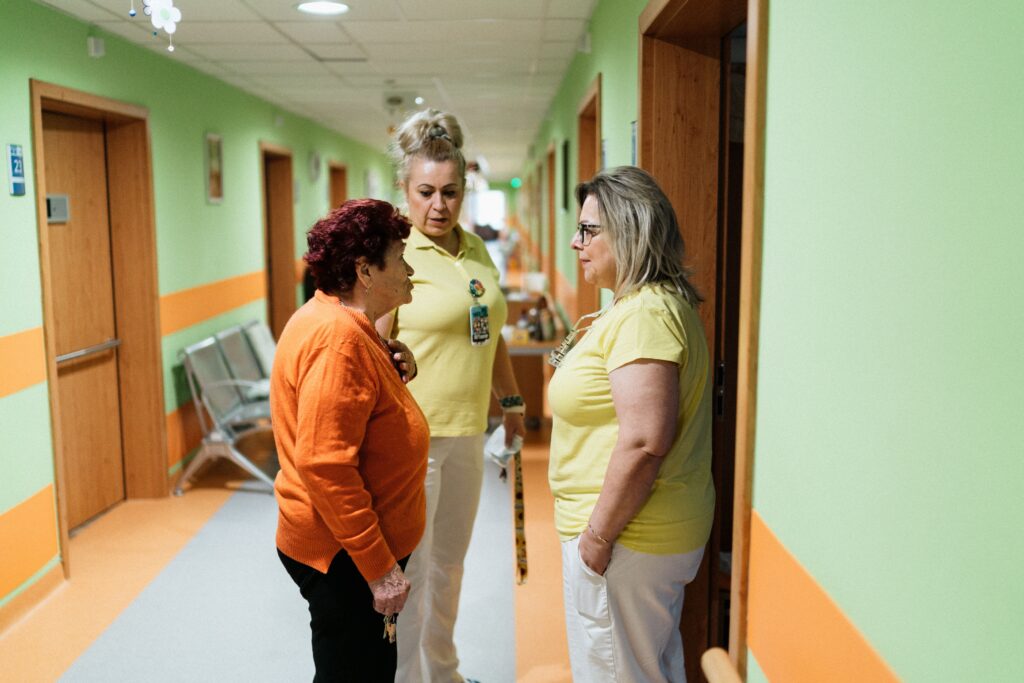
The atmosphere Does it feel warm and lived in, or sterile and institutional? Are residents out and about, engaged in activities, or mostly isolated in their rooms?
Staff interactions Watch how staff interact with residents when they think no one important is watching. Genuine warmth, eye contact, and respectful communication are far more telling than a polished sales pitch from management.
Smell and cleanliness A facility with persistent unpleasant odours often indicates inadequate staffing for personal care and hygiene needs. This is one of the most reliable, if unglamorous, indicators of underlying care quality.
Noise and atmosphere Is there a sense of calm activity, or do you notice excessive alarms, distress calls, or an unsettling quietness that suggests minimal engagement?
Visit at different times If possible, visit once during a scheduled tour and once unannounced, or at a different time of day — such as during a meal service or in the evening — to see how the facility operates outside a curated visit.
Ask the Right Questions
Staffing questions:
- What is your staff to resident ratio, particularly overnight?
- What is your staff turnover rate?
- Are personal care workers and nurses on site 24 hours?
- How much specific dementia training does staff receive?
Care questions:
- How are care plans developed and how often are they reviewed?
- How are families involved in care planning and ongoing communication?
- What is your approach to managing behavioural symptoms of dementia?
- How do you handle medical emergencies, and what is your relationship with local GPs and hospitals?
Lifestyle and activities questions:
- What does a typical week of activities look like?
- How do you cater to residents with different interests and ability levels?
- How often do residents get outside or have access to outdoor space?
Food questions:
- Can I see a sample menu?
- How are dietary requirements and personal preferences accommodated?
- Can I try the food during my visit?
Costs and contract questions:
- What is the full breakdown of costs including the basic daily fee, means tested fee, and accommodation payment options?
- What’s included in the basic daily fee versus additional services?
- What is your policy on increasing care needs — can residents stay if their care needs increase significantly?
As I wrote in understanding the real cost of aged care in Australia — getting full clarity on costs before committing avoids unwelcome surprises later.
Check the Facility’s Official Quality Ratings

Every aged care facility in Australia is assessed and rated by the Aged Care Quality and Safety Commission, and this information is publicly available.
Where to check:
- Visit myagedcare.gov.au and use the Find a Provider tool
- Each facility’s compliance history, accreditation status, and any current sanctions or notices are published
- The Star Ratings system, introduced as part of recent aged care reforms, provides an at-a-glance quality indicator covering residential experience, staffing, compliance, and quality measures
This official information provides an objective layer of insight beyond what you observe during a single visit or hear during a sales tour.
Talk to Current Families and Residents If Possible

If the opportunity arises during your visit, speaking with current residents or their visiting family members can provide invaluable honest insight that you won’t get from staff or marketing material.
Many facilities are open to this if you ask respectfully — and their willingness to facilitate this kind of conversation is itself a useful signal about their transparency and confidence in their own care quality.
Consider the Cultural and Personal Fit

Beyond clinical care quality, the right facility for your parent specifically considers their individual identity and preferences.
Worth considering:
- Cultural or religious considerations — some facilities specialise in or have strong programs for specific cultural or faith communities
- Language — for residents more comfortable in a language other than English, a facility with staff and other residents who share that language can significantly ease the transition
- Social fit — a facility full of residents with significantly different interests, backgrounds, or cognitive levels than your parent may make it harder for them to form genuine connections
Red Flags Worth Taking Seriously
During your visit, be wary of:
- Reluctance to answer specific questions about staffing or costs directly
- Visible understaffing — residents waiting for extended periods for assistance during your visit
- Resident call bells or alarms sounding for extended periods without response
- Strong, persistent unpleasant odours
- Staff who seem rushed, stressed, or dismissive toward residents
- A significant gap between what’s promised verbally and what’s documented in the contract
When There’s No Perfect Option
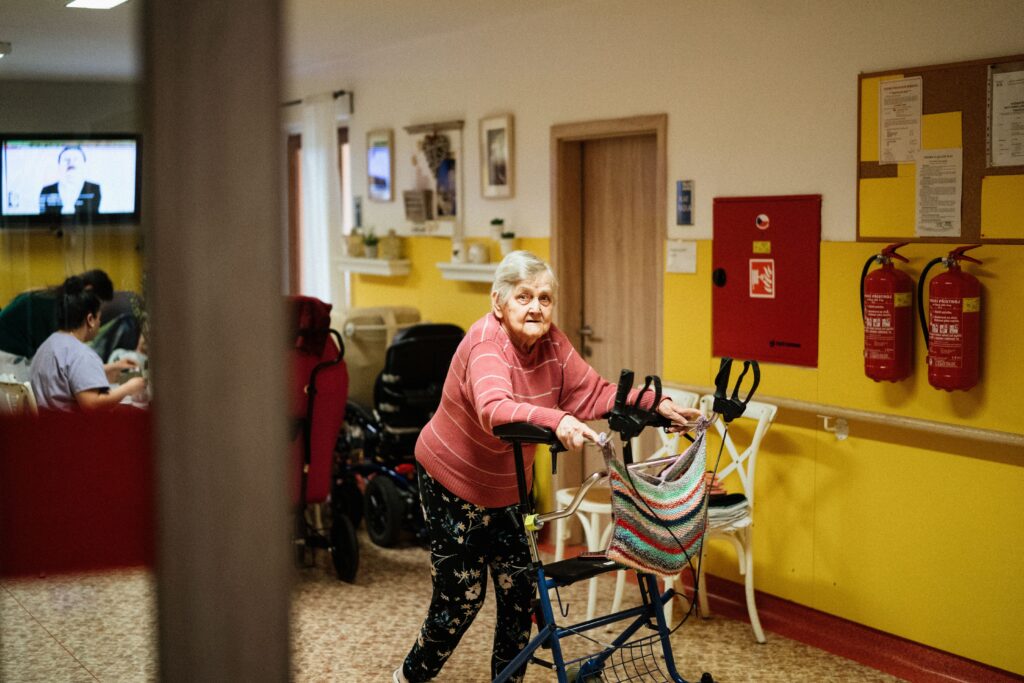
It’s worth acknowledging honestly that in some regions, particularly rural and regional areas, the choice of facilities may be genuinely limited. In these situations:
- Focus on the factors within your control — building a strong relationship with staff, staying actively involved, and advocating consistently
- Consider whether a facility slightly further away but offering significantly better care might be worth the additional travel
- Remember that your ongoing involvement, as I explored in how to stay involved in your parent’s care after they move into aged care, genuinely improves outcomes regardless of which facility you choose
The Bottom Line
Choosing the right aged care facility involves balancing practical logistics, official quality indicators, your own observations and instincts during visits, and the specific cultural and personal fit for your parent as an individual.
No facility will be perfect, and there is rarely one single “right” answer. But taking the time to visit properly, ask the hard questions, and check official ratings will put your family in a far stronger position to make a confident, informed decision when it matters most.
Has your family been through this decision? Share what helped you choose in The Good Years Club community — your experience could genuinely help another family navigating the same decision 💙
👉 Join The Good Years Club Community — https://www.facebook.com/share/g/1Fw4FHNpJr/