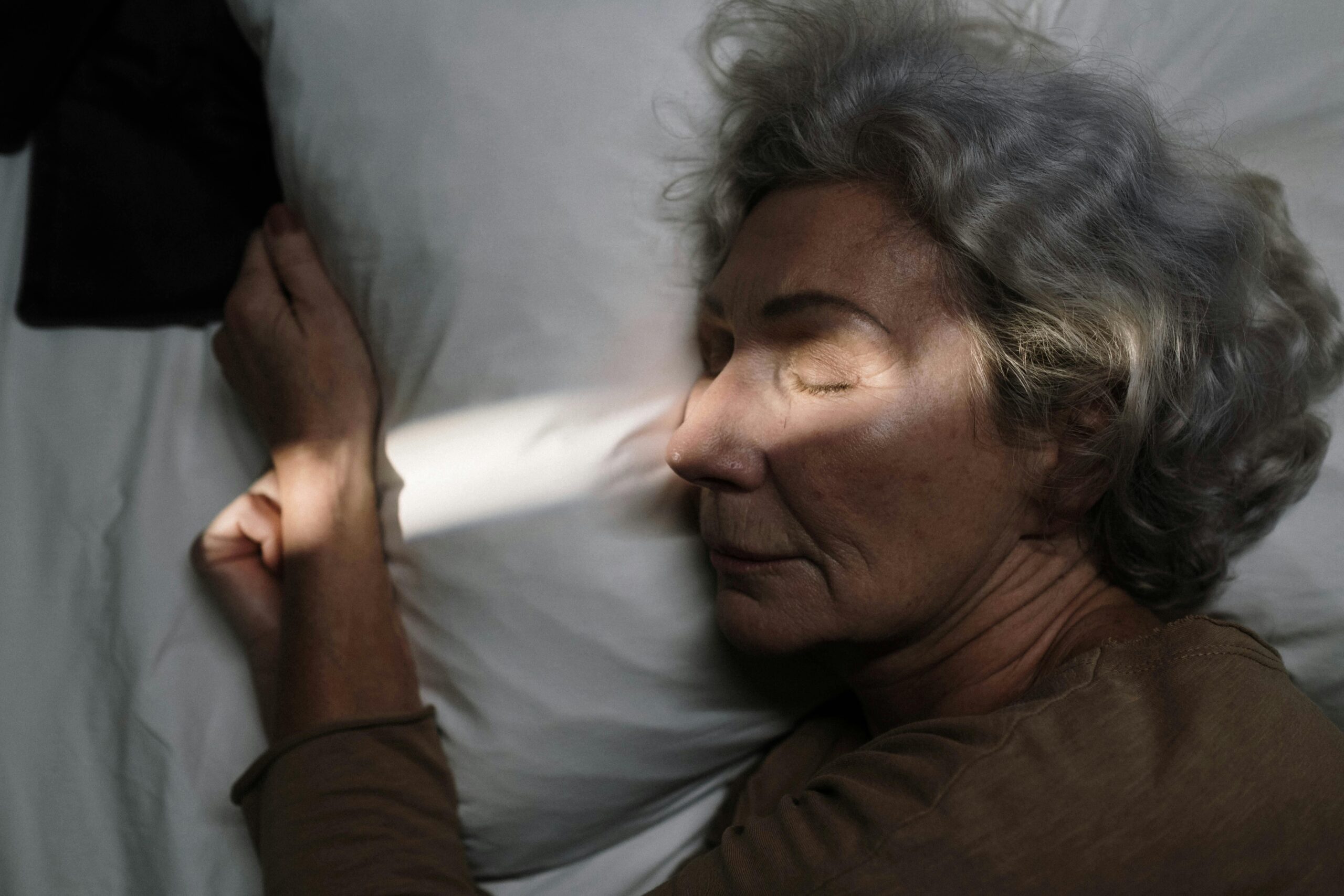
How to Sleep Better After 60: Simple Tips That Actually Help
Sleep can feel different after 60.
You might find yourself waking earlier than you used to, waking more often during the night, or taking longer to fall asleep. While some changes to sleep patterns are common as we get older, regularly struggling with sleep should not simply be dismissed as part of ageing.
The good news is that there are practical things you can do to give yourself a better chance of sleeping well.
Here are 10 simple places to start.
1. Keep a Regular Sleep Routine
One of the simplest things you can do is keep your sleeping and waking times reasonably consistent.
Your body has an internal clock that helps regulate when you feel awake and when you feel sleepy. Going to bed and getting up at roughly the same times each day can help support that rhythm.
Try to keep your wake up time fairly consistent, including on weekends.
There is no need to force yourself into bed simply because the clock says it is bedtime. If you are not sleepy yet, a quiet activity until you begin feeling tired may be more useful than spending a long time awake in bed.
2. Get Outside During the Day
Daylight plays an important role in your body clock.
The Sleep Health Foundation recommends exposure to sunlight during the day as one way of supporting healthy sleep patterns in older adults.
Something as simple as having your morning coffee outside, gardening, taking the dog for a walk or spending some time outdoors can help you get natural light while also keeping you active.
You do not need to turn it into another task on your list. Look for easy ways to make outdoor time part of your normal day.
3. Be Smart About Caffeine
Coffee and tea can be an enjoyable part of the day, but caffeine can interfere with sleep.
Healthdirect recommends avoiding caffeinated drinks for several hours before going to bed.
If you are having trouble sleeping, experiment with moving your last coffee or caffeinated tea earlier in the day.
Remember that caffeine is not limited to coffee. Tea, cola, energy drinks and some other products can contain it too.
You do not necessarily need to give up your morning coffee. The goal is to work out whether caffeine later in your day is affecting your sleep.
4. Create a Wind Down Routine
Going straight from a busy evening to bed does not always give your mind much opportunity to settle.
Try creating a simple routine before bedtime.
That could mean reading a book, listening to music, having a warm shower, doing something relaxing or simply dimming the lights and slowing things down.
Healthdirect recommends establishing a period before bed where you are not trying to solve problems or plan the next day.
Your routine does not need to be complicated. The aim is simply to create a calmer transition between your day and sleep.
5. Make Your Bedroom Comfortable
Your sleeping environment matters.
A bedroom that is dark, quiet and comfortable is generally more supportive of sleep. Screens and other distractions can also make it harder to associate your bedroom with sleeping.
Have a look around your bedroom and ask yourself:
Is the room comfortable?
Is unnecessary light getting in?
Are there noises regularly waking me?
Am I spending a lot of time watching television or scrolling on my phone in bed?
Sometimes small changes to your environment can make bedtime more comfortable.
6. Do Not Rely on Alcohol for Sleep
A nightcap might make you feel sleepy initially, but that does not necessarily mean it will help you sleep well.
Alcohol can disrupt normal sleep cycles and contribute to poorer quality sleep later in the night. Healthdirect recommends avoiding alcohol for at least several hours before bedtime when trying to improve sleep.
If you regularly drink in the evening and also regularly wake during the night, it may be worth seeing whether reducing your evening alcohol intake makes a difference.
7. Stay Active During the Day
Regular physical activity is good for far more than your muscles and cardiovascular health.
Being active during the day can also support better sleep. Australian health guidance for people in their 60s recommends regular physical activity and notes improved sleep as one of its potential benefits.
Walking, gardening, swimming, cycling and resistance training can all contribute to an active lifestyle.
You do not need an exhausting workout every day. Consistency matters more than trying to wear yourself out before bedtime.
If you are getting back into exercise after a long break or have a medical condition that affects exercise, talk with your doctor or another appropriate health professional about what is suitable for you.
8. Think Carefully About Naps
There is nothing inherently wrong with having a nap.
In fact, daytime napping becomes more common as people get older. However, long or late naps can make it harder for some people to sleep at night.
If you sleep poorly at night and regularly nap during the afternoon or evening, experiment with shortening your nap or having it earlier.
Pay attention to what actually happens to your nighttime sleep rather than assuming you must eliminate naps completely.
9. If You Cannot Sleep, Do Not Spend Hours Fighting It
Most of us have experienced lying in bed thinking:
Why am I still awake?
Then we check the clock.
Then we start calculating how many hours of sleep are left.
Then sleeping becomes even harder.
If you are wide awake and unable to sleep, Australian sleep guidance suggests getting out of bed and doing something quiet and calming until you begin feeling sleepy again.
The idea is to avoid turning your bed into a place where you spend long periods frustrated about not sleeping.
10. Look Beyond Sleep Habits
Sometimes poor sleep is not primarily a sleep routine problem.
Pain, needing to use the toilet during the night, stress, anxiety, depression, medications and medical conditions can all interfere with sleep. Sleep disorders such as insomnia and sleep apnoea also become important considerations as we get older.
This is why endlessly changing your pillows or bedtime routine will not necessarily solve persistent sleep problems.
If something else is waking you or keeping you awake, that underlying issue may need attention.
How Much Sleep Do You Need After 60?
There is a common belief that people need dramatically less sleep as they get older.
That is not quite right.
Sleep Health Foundation guidance says older adults generally require a similar amount of sleep to other adults. Healthdirect says most adults need around 7 to 9 hours per night, although individual sleep needs vary.
What can change is how you sleep.
Older adults may sleep more lightly, wake more frequently during the night and become sleepy or wake earlier than they did when they were younger.
Rather than becoming obsessed with hitting an exact number every night, also consider how you feel during the day.
If you are regularly exhausted, struggling to concentrate or waking feeling unrefreshed, it is worth looking into why.
When Should You Speak With Your GP?
Do not assume persistent sleep problems are simply something you have to live with because you are getting older.
Consider speaking with your GP if you regularly struggle to fall or stay asleep, wake feeling unrefreshed, experience significant daytime sleepiness, notice changes in your mood or concentration, or think a health condition or medication could be affecting your sleep.
You should also seek medical advice if you or your partner notice problems with your breathing while you sleep, which can be a sign of a sleep disorder such as sleep apnoea.
Keeping a simple sleep diary can be useful before your appointment. Record when you go to bed, approximately when you fall asleep, nighttime waking, when you wake in the morning, naps and how you feel during the day. Healthdirect recommends a sleep diary as one way of helping investigate sleep problems.
For ongoing insomnia, treatment can involve more than basic sleep tips. Cognitive behavioural therapy is an established treatment option, and healthdirect describes CBT as the recommended treatment for insomnia.
A Better Night Starts With the Basics
You do not need a complicated evening routine or a cupboard full of sleep products to start improving your sleep.
Start with the basics.
Keep your routine reasonably consistent. Get outside and stay active during the day. Pay attention to caffeine and alcohol. Make your bedroom comfortable. Give yourself time to wind down.
And if your sleep continues to be poor, particularly if it is affecting how you feel or function during the day, speak with your GP rather than simply putting it down to getting older.
Sleep may change after 60, but persistent poor sleep deserves attention.
What has helped you sleep better as you have gotten older?
Come and share your experience with The Good Years Club community. Your experience might help someone else going through the same thing.
Sources
For the published article, I would link primarily to Healthdirect Australia sleep guidance, Healthdirect Australia insomnia guidance and the Sleep Health Foundation ageing and sleep guidance.