Top 10 Foods for Healthy Ageing After 60 — What the Research Actually Says
The research on nutrition and healthy ageing has never been clearer — what you eat after 60 genuinely shapes how well you age, how independently you live, and how sharp you stay as the years go on. Good nutrition does more than help prevent illness. It supports muscle strength, brain health, and balance, while helping lower the risk of falls and other health complications that can affect independence. Here are the top 10 foods for healthy ageing after 60 — and the research behind why each one matters.
1. Fatty Fish — Salmon, Sardines, Mackerel, and Tuna
Fatty fish is one of the most consistently supported foods for healthy ageing in the research literature — and one of the most valuable additions to any diet after 60.
Evidence supports seafood based on improved cardiovascular disease outcomes — and the benefits go well beyond heart health. The omega-3 fatty acids in fatty fish are anti-inflammatory, support brain health, and have been linked to reduced risk of cognitive decline.
Higher consumption of fish was associated with an increased likelihood of healthy ageing in late life.
How much: Aim for at least two servings of fatty fish per week — fresh, frozen, or canned all deliver the nutritional benefits.
Easy ways to include it: Tinned salmon or sardines on wholegrain toast, baked salmon with vegetables, or a tuna salad with olive oil dressing.
2. Leafy Green Vegetables
Leafy green vegetables — spinach, kale, silverbeet, rocket, and similar — are among the most nutrient-dense foods available and deserve a place on every plate after 60.
Rich in folate, vitamin K, vitamin C, iron, calcium, and a range of antioxidants, leafy greens support bone health, brain health, immune function, and cardiovascular health simultaneously.
Greater consumption of vegetables at midlife and into later life was positively associated with the likelihood of healthy ageing — supporting cognitive function, physical function, and reduced depression.
How much: Aim for at least one serving of leafy greens daily — as a salad, steamed as a side, or stirred through soups and pasta dishes.
Easy ways to include it: Baby spinach in a smoothie (genuinely undetectable), wilted silverbeet with olive oil and garlic, or a simple rocket and parmesan salad.
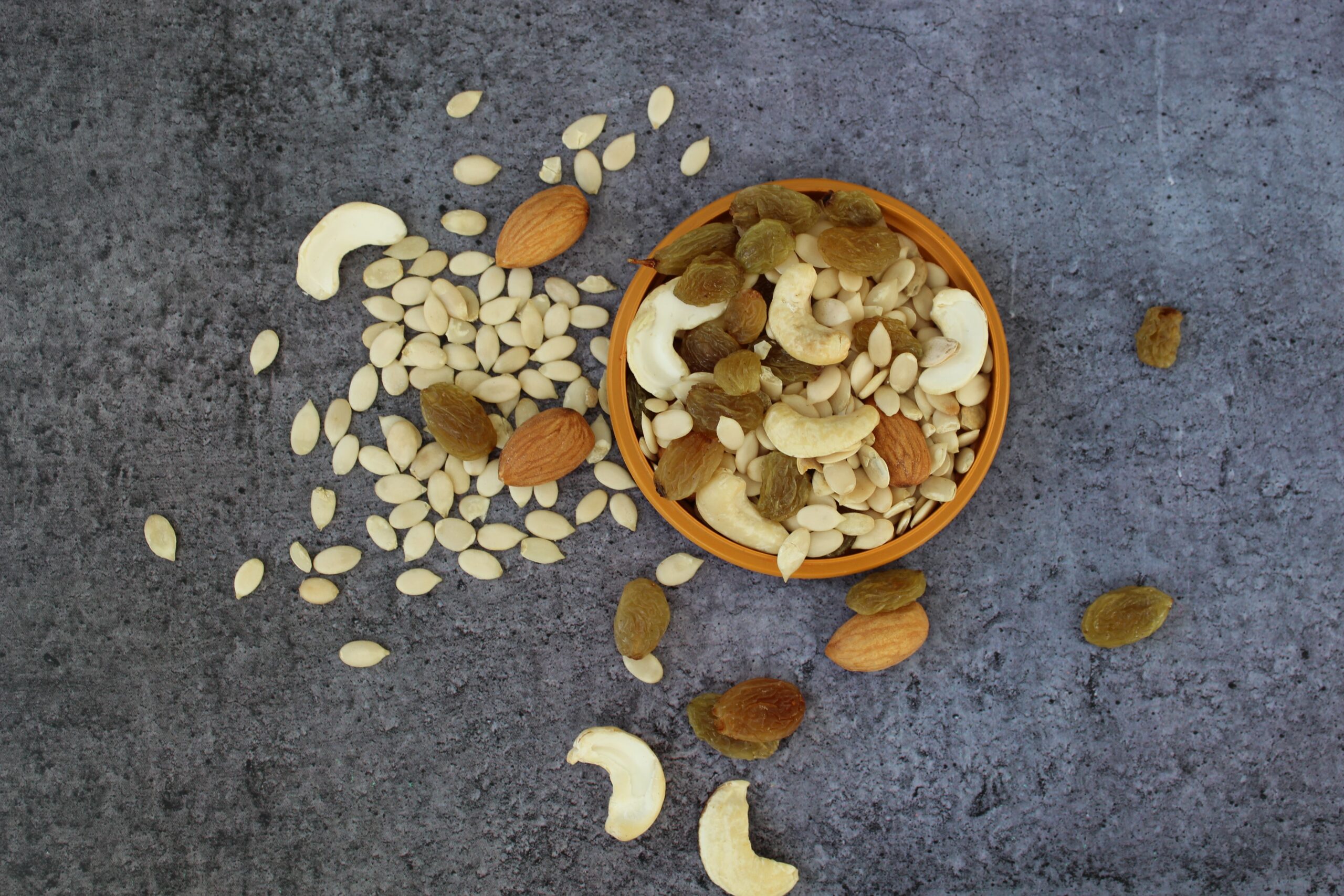
3. Nuts and Seeds
Nuts are one of the most research-supported foods for healthy ageing — with evidence linking regular consumption to significantly better health outcomes over time.
A significant association was observed between total nut consumption at midlife and higher odds of healthy ageing — with the strongest associations seen at three or more servings per week compared to none.
Higher consumption of nuts and seeds was associated with increased likelihood of healthy ageing, supporting cognitive function and physical health in later life.
How much: A small handful (approximately 30 grams) of mixed nuts three or more times per week delivers meaningful benefit.
Easy ways to include them: A small handful as a snack, chopped over yoghurt or oats, or mixed through salads for crunch and nutrition.
4. Legumes — Beans, Lentils, and Chickpeas
Legumes are one of the most underrated foods in the Australian diet — and one of the most valuable for healthy ageing specifically.
Rich in protein, fibre, iron, zinc, and B vitamins, legumes support muscle maintenance, gut health, stable blood sugar, and cardiovascular health. Fibre supports digestive health and plays a role in maintaining stable blood sugar and cholesterol levels.
Promoting adequate protein intake among older adults emphasises diverse sources like legumes, nuts and seeds, and whole grains to support healthy ageing.
How much: Aim for three to four servings per week — a serving is roughly half a cup of cooked legumes.
Easy ways to include them: Tinned chickpeas through a salad, lentil soup, baked beans on toast, or a simple bean and vegetable stew.
5. Whole Grains
Whole grains — oats, brown rice, wholegrain bread, quinoa, and similar — provide a combination of fibre, B vitamins, iron, and sustained energy that refined grains simply can’t match.
Fibre-rich whole grains support daily habits for better gut health, stable blood sugar, and cholesterol levels.
Whole grains were among the foods positively associated with healthy ageing, supporting cognitive function and overall health outcomes in older adults.
How much: Aim to make most grain choices whole grain — swapping white bread for wholegrain, white rice for brown, and choosing rolled oats over processed cereals.
Easy ways to include them: Porridge in the morning, a wholegrain sandwich at lunch, or brown rice or quinoa as a dinner base.
6. Eggs
Eggs are one of the most nutritionally complete and accessible protein sources available — and particularly valuable for older Australians who need to maintain muscle mass without excessive food volume.
Protein helps maintain muscle and supports recovery from illness or injury — and eggs are among the best options to incorporate into regular meals.
Rich in high-quality protein, vitamin D, B12, choline, and antioxidants lutein and zeaxanthin (which support eye health), eggs deliver an extraordinary nutritional package in a simple, affordable, and easy-to-prepare format.
How much: Most healthy adults can include eggs daily without concern — discuss specific frequency with your GP if you have cardiovascular concerns.
Easy ways to include them: Scrambled eggs for breakfast, a boiled egg with salad at lunch, or a simple frittata with vegetables for dinner.
7. Dairy and Calcium-Rich Foods
Calcium and vitamin D work together to support bone health — and the importance of this combination genuinely increases after 60, when bone density naturally declines and fracture risk rises.
As I wrote in the best vitamins and supplements for over 60s — calcium needs rise significantly with age — women need 1,300mg per day from age 51, and men need 1,300mg per day after 70.
Dairy foods — milk, yoghurt, and cheese — are the most bioavailable sources of calcium available. Plain yoghurt in particular adds the additional benefit of probiotics supporting gut health.
Milk and dairy were among the foods associated with an increased likelihood of healthy ageing, supporting cognitive function, physical function, and overall wellbeing in later life.
How much: Two to three servings of dairy or calcium-rich alternatives daily — a serving is a glass of milk, a tub of yoghurt, or a matchbox-sized piece of cheese.
Easy ways to include them: Yoghurt with fruit and nuts for breakfast, cheese on wholegrain crackers, or milk in tea and coffee.
8. Berries
Berries — blueberries, strawberries, raspberries, and blackberries — are among the most antioxidant-rich foods available, with a particularly strong body of evidence linking regular consumption to brain health and cognitive function in older adults.
The polyphenols in berries — particularly the anthocyanins that give them their deep colours — have been shown to reduce oxidative stress and inflammation, both of which play significant roles in cognitive decline and chronic disease development.
Eating patterns that emphasise unprocessed or minimally processed foods including fruits seem to support healthy ageing, according to experts at Harvard’s School of Public Health.
How much: A handful of berries several times per week delivers meaningful benefit — fresh, frozen, or dried all count.
Easy ways to include them: Mixed through yoghurt or oats, as a simple dessert with a little cream, or blended into a smoothie.
9. Olive Oil
Olive oil — particularly extra virgin olive oil — is one of the most researched and most consistently supported foods in the healthy ageing literature, central to the Mediterranean Diet that has the strongest overall evidence base for longevity.
Healthy fats are an important component of dietary patterns linked to improved longevity, with seed oils and healthy plant-based fats showing evidence of benefit for cardiovascular outcomes.
Rich in monounsaturated fats and polyphenols with strong anti-inflammatory properties, extra virgin olive oil supports heart health, brain health, and reduces markers of inflammation throughout the body.
How much: Two to three tablespoons of extra virgin olive oil daily — used for cooking, as a salad dressing, or drizzled over cooked vegetables.
Easy ways to include it: Replace butter with olive oil in cooking, dress salads with olive oil and lemon juice, or drizzle over roasted vegetables or hummus.
10. Green Tea
Green tea has one of the most impressive research profiles of any beverage for healthy ageing — with evidence linking regular consumption to improved brain health, reduced cardiovascular risk, and lower rates of cognitive decline.
Tea was among the beverages associated with an increased likelihood of healthy ageing, supporting cognitive function and overall health outcomes in older adults.
Rich in catechins — powerful antioxidants with anti-inflammatory properties — green tea delivers genuine health benefits in one of the simplest and most enjoyable daily habits available.
How much: Two to four cups of green tea daily to deliver meaningful benefit — lower caffeine than coffee and well tolerated by most people.
Easy ways to include it: Replace one or two daily coffees with green tea, or drink it as a warm afternoon drink instead of a hot chocolate or sugary beverage.
What to Reduce After 60
Understanding what supports healthy ageing is only half the picture — it’s equally important to understand what works against it.
Ultra-processed foods Low intakes of fibre, protein, vitamins, and minerals are well-documented characteristics of the diets of adults consuming high amounts of ultra-processed foods — industrially processed foods contain limited whole foods and an abundance of food additives. Reducing ultra-processed foods — packaged snacks, processed meats, sugary drinks, and ready meals — and replacing them with whole, minimally processed alternatives delivers broad benefits.
Excess salt High sodium intake is a significant driver of high blood pressure in older adults — reducing salt in cooking and choosing lower-sodium products makes a meaningful difference to cardiovascular health.
Excess added sugar Excess sugar contributes to weight gain, blood sugar instability, and inflammation — all of which accelerate the ageing process. Replacing sugary snacks and drinks with whole food alternatives is one of the highest-impact dietary changes available.
The Bigger Picture — It’s the Pattern That Matters
While there is no one-size-fits-all diet for longevity, eating patterns that emphasise unprocessed or minimally processed foods including vegetables, whole grains, nuts and legumes seem to support healthy ageing.
No single food delivers healthy ageing on its own — it’s the overall pattern of eating that makes the real difference. A diet built around the ten foods above, prepared simply and enjoyed consistently, provides an excellent nutritional foundation for the years ahead.
As I wrote in why staying hydrated matters more than you think after 60 — drinking water regularly, along with fluids like tea, soups, and water-rich fruits and vegetables, supports circulation, energy levels, and mental clarity. Good nutrition and good hydration work together — both matter.
The Bottom Line
Eating well after 60 doesn’t require an elaborate or expensive diet. It requires choosing real, minimally processed foods more often than not — fish, vegetables, nuts, legumes, whole grains, eggs, dairy, berries, olive oil, and tea — and making those choices consistently over time.
The research is genuinely encouraging: improving diet quality from mid- to late life can still be beneficial — it’s never too late to make changes that support healthy ageing.
Start with one or two changes from this list. Build from there. Your future self will genuinely thank you.
What’s your favourite healthy food that you eat regularly? Share it in The Good Years Club community — we’d love to build a list together 💙
👉 Join The Good Years Club Community — https://www.facebook.com/share/g/1Fw4FHNpJr/