Understanding Palliative Care in Australia — A Plain English Guide for Families
When someone you love is living with a serious illness, the words that start appearing in conversations with doctors can feel unfamiliar and frightening. Palliative care. End-of-life pathway. Terminal phase. Hospice. These words arrive in your life unbidden — and they deserve to be explained with honesty and care, not clinical detachment or vague reassurances.
This guide explains palliative care in plain English — what it actually is, what it isn’t, how to access it in Australia, and what families can expect at each stage of the journey.
The Most Important Thing to Understand First
Palliative care is not about giving up. It is about helping someone live as comfortably and independently as possible while managing a serious illness, chronic condition, disability, or age-related decline.
A common misconception worth addressing: many families believe that agreeing to palliative care means giving up on treatment or accepting that death is imminent. This is not true. Palliative care can be introduced early in a serious illness — sometimes at diagnosis — and it runs alongside whatever other treatment the person is receiving. Starting palliative care early has been shown to improve quality of life, reduce unnecessary hospital admissions, and in some cases, extend survival.
This is genuinely one of the most important things a family can understand — because the fear of what palliative care means often delays access to support that could significantly improve a loved one’s quality of life, sometimes for years before end of life.
What Palliative Care Actually Is
The World Health Organization defines palliative care as an approach that improves the quality of life of patients and their families facing a life-limiting illness — as well as reducing the physical and emotional stress of dying. Palliative care is not limited to any specific condition, can be delivered at any stage of illness, can accompany curative treatments, and can be provided to patients in any health care setting.
In practical terms, palliative care:
- Provides relief from pain and other distressing physical symptoms
- Addresses emotional, psychological, social, and spiritual needs alongside physical ones
- Supports the family as well as the person who is unwell — including into bereavement
- Is delivered by multidisciplinary teams including doctors, nurses, social workers, allied health professionals, and counsellors
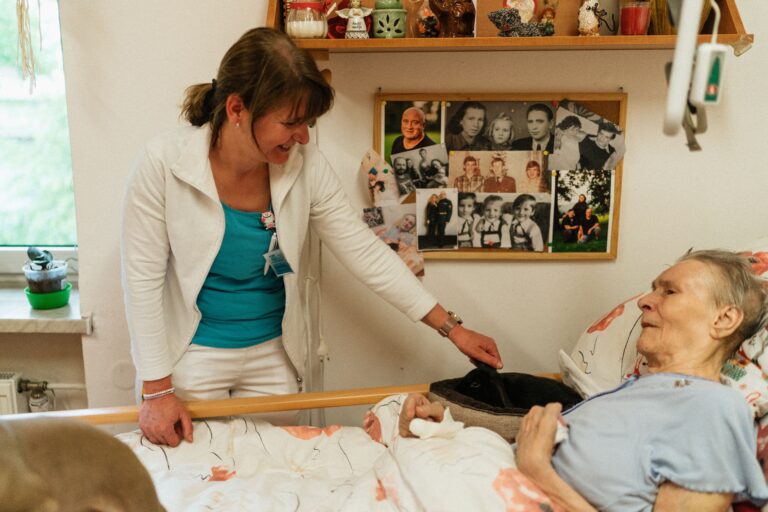
- Can be provided at home, in a hospital, in a hospice, or in a residential aged care facility
- Is available through the public health system at no cost
What Palliative Care Is Not
Understanding what palliative care is not is just as important as understanding what it is.
It is not giving up on life or treatment As discussed above — palliative care can run alongside active treatment and is not a signal that treatment has ended or that death is imminent.
It is not only for cancer Palliative care is not limited to any specific condition — it is appropriate for anyone living with a serious, chronic, or life-limiting illness, including heart disease, chronic lung disease, dementia, motor neurone disease, and many other conditions.
It is not only for the final weeks of life Palliative care can be introduced at any point after a serious diagnosis — sometimes years before end of life — and the earlier it is introduced, the more it can help.
It is not the same as hospice care Hospice care is a specific type of palliative care provided in the final stages of life — usually when curative treatment is no longer being pursued. Palliative care is a broader approach that can begin much earlier and continue alongside treatment.
The Five Stages of Palliative Care in Australia
The five stages of palliative care are a framework, not a sentence. They describe how care tends to evolve — not a rigid sequence that every person moves through at the same pace or in the same order.
Stage 1 — Stable The person is living with a life-limiting illness but their condition is relatively stable. Palliative care at this stage focuses on symptom management, advance care planning, and supporting the person and family to live as fully as possible. Regular review and planning are the focus rather than crisis management.
Stage 2 — Unstable The person’s condition has changed or deteriorated in a way that requires urgent assessment or treatment. Palliative care at this stage may involve a short-term hospital stay or adjustment of medications to restabilise symptoms. The goal is to return to stability as quickly as possible.
Stage 3 — Deteriorating The person’s condition is slowly but consistently declining over time — despite appropriate treatment. Palliative care at this stage involves regular review, proactive symptom management, and increasing support for both the person and family. Conversations about goals of care and what matters most become increasingly important.
Stage 4 — Terminal The person is dying — typically within days to weeks. Palliative care at this stage focuses entirely on comfort, dignity, and supporting the person and family through the dying process. Unnecessary interventions are avoided in favour of measures that maximise comfort and peace.
Stage 5 — Bereavement Palliative care extends to the family after death — providing bereavement support, counselling, and practical assistance through the grief process. This is an often overlooked but genuinely important part of holistic palliative care.
How to Access Palliative Care in Australia
You will need a referral from your GP, medical specialist, or other health professional to access palliative care. Once you know that a condition is advanced, you can consider palliative care — sorting out care sooner will help reduce stress on you and your family.
The main pathways to access:
Through your GP Your GP is typically the first point of contact — they can provide a referral to specialist palliative care services in your area, or initiate community-based palliative care support.
Through a hospital If your loved one is admitted to hospital, the treating team can refer to palliative care — either the specialist palliative care team within the hospital, or community services for discharge planning.
Through My Aged Care For older Australians, palliative care services can be accessed through the aged care system — including through the Support at Home program and the End-of-Life Pathway discussed below.
Through the National Palliative Care Service Directory Palliative Care Australia maintains a national service directory at palliativecare.org.au — allowing families to search for palliative care services in their area.
The End-of-Life Pathway — An Important New Resource
One of the most significant recent developments in Australian palliative care is the End-of-Life Pathway under the Support at Home program — worth understanding if your loved one may be approaching end of life.
The End-of-Life Pathway supports older people who have 3 months or less to live and want to remain at home. Around $25,000 is available per participant over a 12-week period.
The End-of-Life Pathway works alongside palliative care services such as symptom management and advance care planning — so you can access both at the same time if eligible. Using voluntary assisted dying services does not stop you from accessing the End-of-Life Pathway.
Who is eligible: A doctor or nurse practitioner must certify that the person has 3 months or less to live and is in bed more than 50% of the time. You can then request a high-priority assessment for the End-of-Life Pathway.
How to access it: Discuss eligibility with a medical professional who can then initiate an online referral for an assessment or give the person a hard copy of the completed form. Apply for an assessment online or by contacting My Aged Care on 1800 200 422.
An important upcoming change: The government is changing the End-of-Life Pathway to provide a second round of funding for participants who live beyond the initial 12-week funding period — commencing from early 2027.
Where Palliative Care Can Be Provided
One of the most important conversations any family navigating palliative care needs to have is about where the person wants to receive care — and where they want to die.
At home Many people express a preference to remain at home for as long as possible — and home-based palliative care can support this for longer than many families realise. By delivering care at home, families can access support in a setting that feels familiar and comfortable. This can include symptom monitoring, nursing support, care coordination, and helping families better understand changing care needs over time.
In a hospital Hospital-based palliative care is appropriate when symptoms are complex, unstable, or require interventions that cannot safely be provided at home. Most major Australian hospitals have specialist palliative care teams.
In a hospice A hospice provides specialist end-of-life care in a dedicated facility — typically when a person is in the final weeks or days of life and their care needs can no longer be safely managed at home or in a standard aged care facility. Hospice care focuses entirely on comfort and dignity.
In a residential aged care facility Palliative care is now provided in almost all settings where health care is provided, including residential and community aged care services. If your loved one is already in residential aged care, the facility’s nursing and care staff will typically provide palliative care in partnership with the person’s GP and specialist palliative care services where needed.
The National Palliative Care Standards — What Families Should Expect
The National Palliative Care Standards describe what high-quality palliative and end-of-life care should look like in practice. They provide a nationally consistent framework to guide health and care services in delivering care that is safe, effective, and centred on the needs of people with life-limiting illness and their families and carers.
These standards focus on things like clear communication, dignity, cultural respect, coordinated care, and support for family members as well as the individual receiving care.
In plain terms — good palliative care should be:
- Genuinely centred on what the person and family want, not on what’s most convenient for the system
- Proactive in managing symptoms rather than reactive to crises
- Honest and clear in communication — including about prognosis
- Culturally respectful of the person’s background, beliefs, and values
- Supportive of the family as well as the person receiving care
- Coordinated across all the different services and professionals involved
If the palliative care your loved one is receiving doesn’t reflect these standards, you have the right to raise concerns — with the treating team, with the service’s management, or with the relevant complaints body.
The Cost of Palliative Care in Australia
The federal, state, and territory governments fund a range of palliative care services that are free in the public health system — whether you receive care in a hospital, residential aged care facility, or at home.
What may involve some cost:
- Private allied health services such as physiotherapy or psychology (Medicare rebates may apply)
- Some medications not on the PBS Palliative Care Schedule
- Some home-based support services — though the End-of-Life Pathway provides significant funding for eligible older Australians
Financial support available: Centrelink offers special payments and provisions for people with a long-term illness and for their primary carers — contact Services Australia on 13 27 17 for more information.
Supporting Yourself as a Family Carer
Palliative care extends to families — not just the person who is unwell. If you are supporting a loved one through serious illness, your own wellbeing matters too.
The combination of grief, exhaustion, practical demands, and emotional weight that family carers carry during this time is genuinely significant — and support is available.
Resources worth knowing:
- Carer Gateway — 1800 422 737 — practical and emotional support for carers
- Cancer Council — 13 11 20 — support for families affected by cancer, including those in palliative care
- Palliative Care Australia — palliativecare.org.au — comprehensive resources and service directory
- CarerHelp — carerhelp.com.au — information and advice specifically for carers of people in palliative care
- Grief Line — 1300 845 745 — grief and bereavement support
As I wrote in how to manage guilt as an adult child caring for an ageing parent — the emotional weight of this kind of caregiving is real, and seeking support for yourself is not weakness. It is one of the most important things you can do for both yourself and the person you’re caring for.
Having the Difficult Conversations
One of the most valuable things any family can do — ideally before a crisis makes these conversations urgent — is to talk openly about what matters most at the end of life.
Questions worth discussing while your loved one can fully participate:
- Where do they want to be cared for if their condition deteriorates?
- Where do they want to die, if they have a preference?
- What does quality of life mean to them — what would be most important to preserve?
- Are there treatments they would not want, even if they might extend life?
- Who do they want to make decisions for them if they can no longer do so?
- Have they completed an Advance Care Directive?
- Have they appointed an Enduring Power of Attorney or Guardianship?
These conversations are genuinely difficult — but they are among the greatest gifts a person can give their family. Knowing what someone wanted removes an enormous amount of anguish from decisions that would otherwise have to be made in the most stressful circumstances imaginable.
As I wrote in your rights as an aged care resident in Australia — every Australian has the right to make decisions about their own care, including at end of life, and those decisions deserve to be respected and documented properly.
The Bottom Line
Palliative care is not about giving up. It is not only for the final days of life. It is not only for cancer. And it is not something to be feared or delayed.
It is a genuinely compassionate, comprehensive approach to care that can make an enormous difference to quality of life — for both the person who is unwell and the family who loves them.
If you think your loved one might benefit from palliative care, talk to their GP. Ask the question directly. And know that accessing this support is not a defeat — it is one of the most loving things you can do.
Has your family navigated palliative care in Australia? Share your experience in The Good Years Club community — your insight could genuinely help another family 💙
👉 Join The Good Years Club Community — https://www.facebook.com/share/g/1Fw4FHNpJr/