How to Look After Your Eyes After 60 — Everything Australians Need to Know
Your eyes change significantly after 60 — and most Australians don’t pay nearly enough attention to their eye health until something goes wrong. The good news is that many of the most serious eye conditions affecting older Australians are either preventable or highly treatable when caught early. Here’s everything you need to know about looking after your eyes after 60 — from common conditions to practical daily habits that protect your vision for decades to come.
Why Eye Health Becomes More Important After 60
After 60 the risk of several serious eye conditions increases significantly. The lens of the eye stiffens and yellows, the pupil becomes smaller and less responsive to light, and the risk of conditions including cataracts, glaucoma, macular degeneration, and diabetic retinopathy all increase substantially.
Many of these conditions develop slowly and without obvious symptoms in the early stages — which is why regular eye examinations become critically important after 60. By the time vision problems become noticeable significant and sometimes irreversible damage may already have occurred.
Common Eye Conditions After 60
Cataracts Cataracts — a clouding of the eye’s natural lens — are the most common eye condition affecting Australians over 60. By age 75 approximately half of all Australians have cataracts significant enough to affect their vision.
Symptoms include blurred or cloudy vision, increased sensitivity to glare, faded or yellowed colours, and difficulty seeing at night. The good news is that cataract surgery is one of the most successful surgical procedures performed — a brief day surgery procedure that restores clear vision with very high success rates. Medicare covers cataract surgery in the public system.
Age Related Macular Degeneration — AMD AMD affects the macula — the central part of the retina responsible for sharp detailed vision. It’s the leading cause of vision loss in Australians over 50.
There are two forms — dry AMD which progresses slowly and wet AMD which progresses rapidly and requires urgent treatment. Early AMD often has no symptoms — making regular eye examinations essential for early detection. While there is currently no cure for dry AMD treatment for wet AMD — anti VEGF injections — can significantly slow progression when started early.
Glaucoma Glaucoma damages the optic nerve — usually through elevated eye pressure — and is often called the silent thief of sight because it typically causes no pain or obvious symptoms until significant vision loss has occurred.
Glaucoma is the leading cause of irreversible blindness in Australia. It cannot be cured but can be effectively managed with eye drops, laser treatment, or surgery when diagnosed early. Regular eye pressure testing is essential for anyone over 60 — particularly those with a family history of glaucoma.
Diabetic Retinopathy Diabetes damages the blood vessels in the retina — causing leaking, swelling, and ultimately vision loss if uncontrolled. Diabetic retinopathy is a leading cause of vision loss in working age Australians but continues to affect older diabetics significantly.
Anyone with diabetes should have annual retinal examinations regardless of whether they have any vision symptoms.
Dry Eye Syndrome Dry eye — insufficient tear production or poor tear quality — becomes increasingly common after 60 and is significantly more prevalent in women after menopause. Symptoms include stinging, burning, grittiness, and paradoxically excessive watering.
Dry eye is rarely serious but significantly affects quality of life and comfort. Artificial tear drops, omega 3 supplementation, and lifestyle modifications provide effective relief for most people.
Presbyopia The gradual loss of the ability to focus on close objects — requiring reading glasses — affects virtually everyone after 45. This is a normal age related change caused by stiffening of the eye’s lens. Reading glasses, bifocals, progressive lenses, or contact lenses all provide effective correction.
How Often Should You Have Your Eyes Examined?
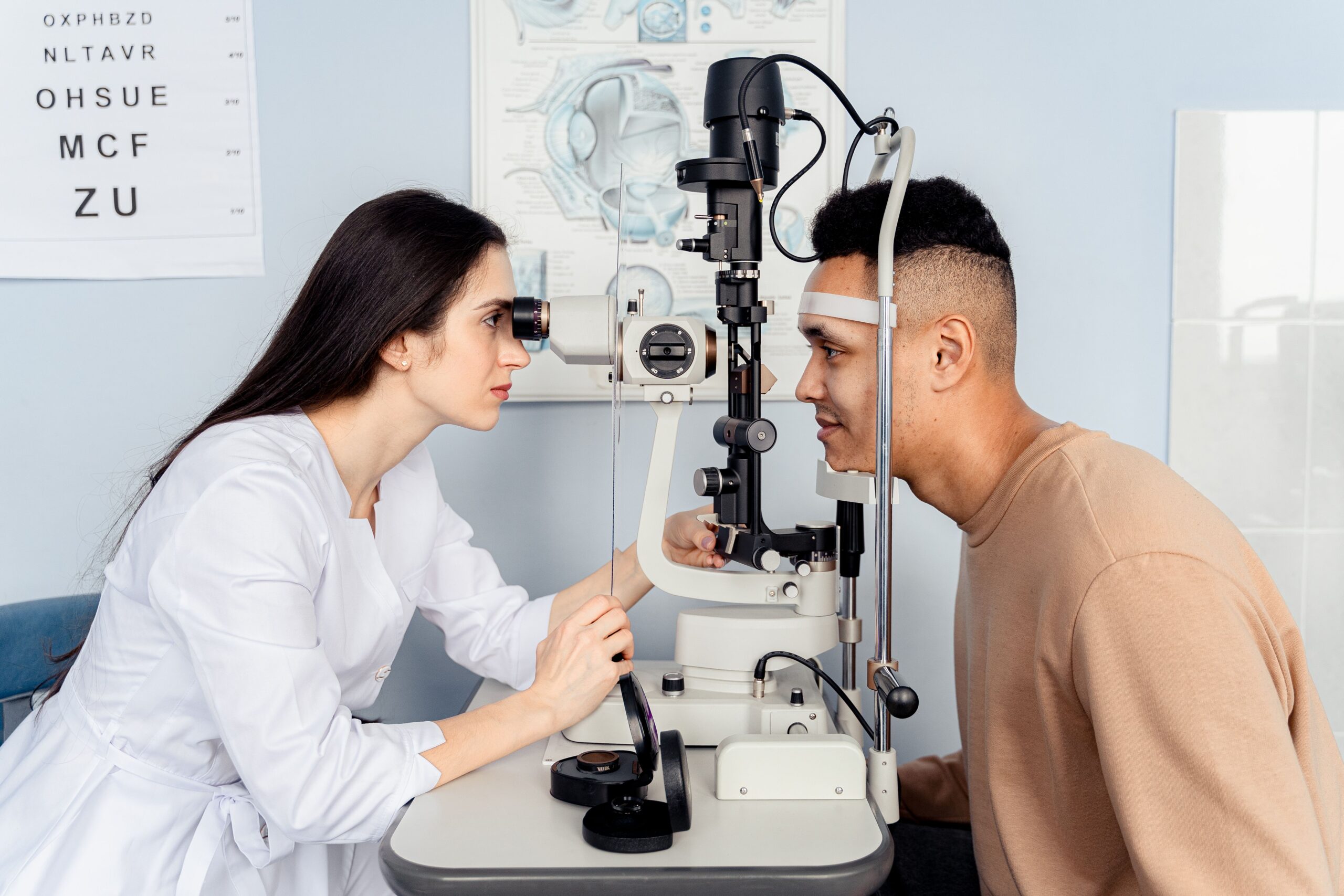
Every two years minimum for adults over 60 with no known eye conditions — more frequently if you have diabetes, glaucoma, AMD, or a family history of eye disease.
In Australia Medicare covers eye examinations by optometrists — there is no cost for a standard eye examination if you have a Medicare card. There is no excuse not to have your eyes examined regularly.
Between examinations see your optometrist or GP promptly if you experience:
- Sudden vision changes
- Sudden increase in floaters or flashes of light
- A curtain or shadow across your vision
- Eye pain or redness
- Any sudden change in your vision
These symptoms can indicate serious conditions including retinal detachment or acute glaucoma that require immediate treatment.
Practical Daily Habits for Eye Health
Wear sunglasses outdoors UV radiation is a significant risk factor for both cataracts and macular degeneration. Wearing quality sunglasses that block 99 to 100 percent of UV-A and UV-B radiation whenever you’re outdoors is one of the most effective preventive measures available. Choose wraparound styles for maximum protection.
Eat for your eyes Several nutrients are specifically protective for eye health:
Lutein and zeaxanthin — found in leafy green vegetables including kale, spinach, and silverbeet — protect the macula against age related degeneration. Omega 3 fatty acids — found in oily fish — support retinal health and reduce dry eye symptoms. Vitamin C, vitamin E, and zinc — found in a varied diet rich in fruits and vegetables — all support eye health.
Don’t smoke Smoking dramatically increases the risk of macular degeneration, cataracts, and optic nerve damage. Quitting smoking at any age reduces this risk. If you smoke this is one of the most important things you can do for your eye health.
Manage your blood pressure and diabetes High blood pressure and poorly controlled diabetes both damage the blood vessels supplying the eye. Managing these conditions effectively is directly protective for eye health.
Take regular screen breaks Extended screen use causes eye fatigue, dry eye, and headaches. The 20-20-20 rule provides an effective break schedule — every 20 minutes look at something 20 feet away for 20 seconds. This relaxes the focusing muscles and reduces eye strain significantly.
Ensure adequate lighting Reading or doing close work in poor light causes eye strain and fatigue — though contrary to popular belief it does not permanently damage your eyes. Ensure adequate lighting for all close work and reading.
Stay hydrated Adequate hydration supports tear production and reduces dry eye symptoms. Another reason to maintain the good hydration habits we discussed in our hydration guide.
Eye Health and Driving
Vision requirements for driving become increasingly important as we age. Reduced contrast sensitivity, difficulty with glare, and slower adaptation to changing light conditions are all common after 60 and can significantly affect driving safety.
If you notice any changes to your vision that might affect your driving safety — difficulty reading road signs, increased sensitivity to headlight glare, difficulty judging distances — have your eyes examined promptly and discuss driving safety with your optometrist or GP.
In Queensland drivers over 75 are required to have annual medical assessments that include vision testing. Maintaining adequate vision for safe driving is both a legal and a safety obligation.
Free and Subsidised Eye Health Services in Australia
Medicare Covers standard optometrist examinations and most diagnostic tests. No gap payment for bulk billing optometrists.
Cataract surgery Covered by Medicare in the public hospital system. Private health insurance covers treatment in private hospitals.
Guide Dogs NSW/ACT and Vision Australia Provide support services for Australians experiencing vision loss — including low vision aids, orientation and mobility training, and technology assistance.
KeepSight A free national diabetes eye health reminder program — register at keepsight.org.au to receive regular reminders for diabetes eye examinations.
The Bottom Line
Your eyes are irreplaceable — and the conditions that most threaten your vision after 60 are largely either preventable or treatable when caught early. Regular eye examinations, quality sunglasses, a nutrient rich diet, and prompt attention to any vision changes are the foundations of good eye health after 60.
Book an eye examination if you haven’t had one in the last two years. It takes 30 minutes and is completely free with Medicare. Your future vision may depend on it.