How to Keep Your Heart Healthy After Retirement
Heart disease is the leading cause of death in Australia and the risk increases significantly after 60. The good news is that heart disease is largely preventable and even people with existing heart conditions can dramatically reduce their risk through lifestyle changes. This practical guide covers everything Australians over 60 need to know about keeping their heart healthy in retirement.
Why Heart Health Becomes More Important After 60
After 60 several changes increase cardiovascular risk. Blood vessels become less flexible, blood pressure tends to rise, cholesterol levels shift, and the heart muscle itself changes with age. Add to that the lifestyle changes of retirement — potentially less activity, more time sitting, changes in diet — and cardiovascular risk can increase without you noticing.
The encouraging reality is that the heart responds remarkably well to positive lifestyle changes at any age. People in their 60s, 70s, and 80s who make heart healthy changes see measurable improvements in cardiovascular health within weeks.
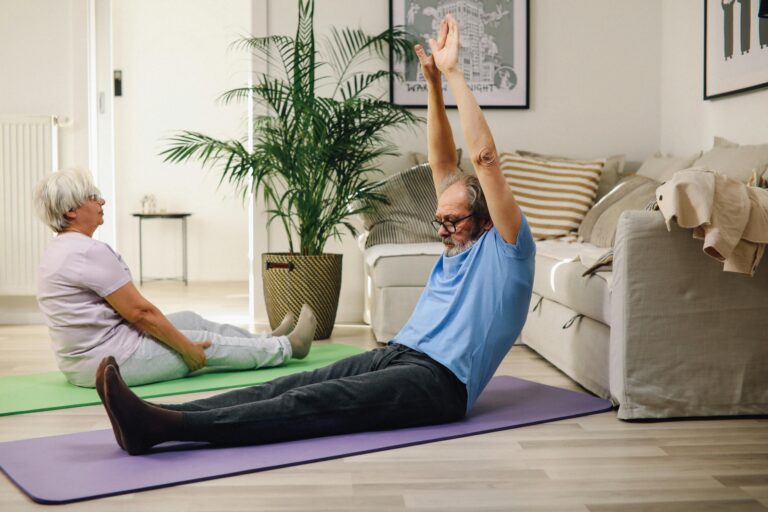
1. Move Every Day
Physical activity is the single most powerful thing you can do for heart health. It strengthens the heart muscle, lowers blood pressure, improves cholesterol levels, helps maintain a healthy weight, and reduces inflammation.
You don’t need intense exercise to get significant cardiovascular benefit. Thirty minutes of brisk walking five days per week is enough to substantially reduce heart disease risk. The key is making movement a non-negotiable daily habit rather than an occasional effort.
2. Know Your Numbers
Many Australians over 60 don’t know their blood pressure, cholesterol, or blood sugar levels. These are the key indicators of cardiovascular risk and all are simple to check with your GP.
Numbers to know:
- Blood pressure — ideally below 120/80
- Total cholesterol — ideally below 5.5 mmol/L
- HDL cholesterol — ideally above 1.0 mmol/L
- Blood glucose — ideally between 4.0 and 6.0 mmol/L fasting
- Waist circumference — below 94cm for men, below 80cm for women
If you don’t know your numbers book a heart health check with your GP. Medicare covers an annual heart health check for Australians over 45.
3. Eat a Heart Healthy Diet
Diet has a profound effect on cardiovascular health. The evidence consistently supports a Mediterranean style diet as the most heart protective eating pattern available.
Eat more of:
- Vegetables and fruit — aim for five serves of vegetables and two of fruit daily
- Oily fish — salmon, sardines, mackerel — at least twice per week
- Legumes — beans, lentils, chickpeas
- Nuts and seeds — particularly walnuts and flaxseeds
- Olive oil — replace butter and other cooking fats
- Wholegrains — oats, brown rice, wholegrain bread
Eat less of:
- Processed and packaged foods
- Red and processed meat
- Added sugar
- Salt — a major contributor to high blood pressure
- Saturated fats from full fat dairy and fatty meat
4. Quit Smoking
If you smoke quitting is the single most impactful thing you can do for your heart health. The risk of heart attack drops significantly within 24 hours of quitting and continues to improve for years afterward.
Call the Quitline on 13 7848 for free support. Combination therapy — medication plus counselling — has the highest success rate and your GP can prescribe effective quit smoking medications.
5. Manage Your Blood Pressure
High blood pressure — hypertension — is the leading modifiable risk factor for heart disease and stroke. It is called the silent killer because it has no symptoms yet quietly damages blood vessels and the heart over years.
Lifestyle measures that lower blood pressure:
- Reduce salt intake — this is one of the most effective dietary changes
- Exercise regularly
- Maintain a healthy weight
- Limit alcohol
- Manage stress
- Get adequate sleep
If lifestyle changes aren’t enough medication is very effective and well tolerated. Talk to your GP about your blood pressure target.
6. Manage Cholesterol
High LDL cholesterol — the harmful type — contributes to the buildup of plaque in arteries increasing heart attack and stroke risk. Diet, exercise, and if necessary medication can all effectively lower LDL cholesterol.
The Mediterranean diet described above is particularly effective at improving cholesterol levels. Increasing soluble fibre from oats, legumes, and fruit is especially beneficial.
7. Limit Alcohol
Alcohol has a complex relationship with heart health. While moderate consumption has historically been associated with some cardiovascular benefit more recent research suggests the risks of alcohol consumption outweigh the benefits for most people.
Current Australian guidelines recommend no more than 10 standard drinks per week and no more than 4 on any single day. Reducing alcohol consumption lowers blood pressure, reduces heart rhythm problems, and helps maintain a healthy weight.
8. Manage Stress
Chronic stress contributes to heart disease through multiple pathways — elevated blood pressure, increased inflammation, disrupted sleep, and unhealthy coping behaviours like overeating and drinking.
Effective stress management strategies for retirees include regular exercise, social connection, mindfulness and meditation, adequate sleep, and engaging in purposeful activities. If stress or anxiety is persistent talk to your GP.
9. Get Enough Sleep
Poor sleep is increasingly recognised as a significant cardiovascular risk factor. People who consistently sleep less than six hours per night have significantly higher rates of heart disease, high blood pressure, and stroke.
Aim for seven to eight hours of quality sleep per night. If you suspect sleep apnoea — which causes repeated partial waking and is very common in older adults — talk to your GP. Treating sleep apnoea significantly reduces cardiovascular risk.
10. Know the Warning Signs
Knowing the warning signs of a heart attack and acting immediately saves lives. Every minute matters when a heart attack is occurring.
Heart attack warning signs:
- Chest pain, pressure, or tightness
- Pain spreading to the arm, jaw, neck, or back
- Shortness of breath
- Nausea or vomiting
- Sweating
- Dizziness or lightheadedness
If you or someone else experiences these symptoms call 000 immediately. Do not drive yourself to hospital. Do not wait to see if it passes.
Women often experience less typical symptoms including unusual fatigue, nausea, and back or jaw pain without chest pain. Take any unusual symptoms seriously and seek medical attention promptly.
The Bottom Line
Your heart responds to how you treat it at any age. The lifestyle changes that protect heart health — daily movement, a good diet, not smoking, managing blood pressure and cholesterol — are all within your control and all make a measurable difference within weeks of starting.
Your heart has been working for you every minute of every day for over 60 years. It’s worth looking after.
Share this with someone you care about. And join The Good Years Club on Facebook for weekly tips on living well after 60.