The Best Things to Do in Tasmania for Retirees — A Complete Guide
Tasmania is genuinely one of Australia’s great travel secrets — a compact island state that packs extraordinary wilderness, world-class food and wine, rich colonial history, and some of the most dramatic scenery on the continent into an area you can drive across in a few hours. For retirees with the time to explore properly, Tasmania is best enjoyed at a pace that allows you to soak it all in without the rush — and the good news is that most of Tasmania’s best experiences are perfectly accessible without needing significant fitness or physical ability. Here’s a complete guide to the best things to do in Tasmania for retirees.
Why Tasmania Is Perfect for Retirees
With its crisp air, world-class produce, and landscapes that look like they belong on a postcard, Tasmania is topping the travel charts. For senior travellers, the Apple Isle is best enjoyed at a pace that allows you to soak it all in without the rush.
Tasmania is full of natural beauty and is a great destination for those looking for a peaceful getaway with plenty of activities and attractions — with great food, stunning scenery, and plenty of activities to keep you entertained.
Tasmania welcomes visitors most comfortably from October to April with mild temperatures and less rain. Spring and autumn are particularly popular when destinations like Port Arthur Historic Site and Wineglass Bay see fewer visitors but still offer good conditions for outdoor activities.
Hobart and Surrounds
Salamanca Market and Salamanca Place
No visit to Tasmania is complete without a Saturday morning at the Salamanca Market. It’s the heart of the city’s creative scene, offering everything from the famous scallop pie to local arts and fine jewellery.
The historic sandstone warehouses of Salamanca Place are beautiful at any time of day — lined with galleries, restaurants, and cafes that make for a genuinely lovely wander even outside market days.
Why retirees love it: Entirely flat and walkable, extraordinary atmosphere, world-class food and produce, and a genuine sense of Hobart’s colonial heritage.
MONA — Museum of Old and New Art
MONA is one of Australia’s most extraordinary cultural experiences — a genuinely world-class museum built into the sandstone cliffs above the Derwent River, accessible by ferry from the city centre.
MONA is best reached by taking the ferry from Hobart’s waterfront — a scenic 25-minute journey that adds to the experience before you even arrive.
Why retirees love it: The ferry journey is a genuine experience in itself, the museum’s underground architecture is extraordinary, and the combination of provocative art and stunning setting is genuinely unlike anything else in Australia.
Port Arthur Historic Site
Located on the Tasman Peninsula, the Port Arthur Historic Site is a deeply moving experience. The ruins are remarkably well-preserved, and the site is very accessible, with plenty of flat paths and a harbour cruise included in your entry.
Why retirees love it: One of Australia’s most significant and beautifully preserved historic sites — the combination of the physical ruins, the harbour cruise, and the guided interpretation makes for a genuinely full day’s experience.
Practical tip: Allow a full day for Port Arthur rather than rushing it — the site is large, the history is rich, and the setting on the harbour is beautiful enough to sit and absorb at leisure.
Richmond Village
Richmond is a historic village with a warm community and relaxed pace of life, making it a perfect day trip from Hobart. It is only a short 25-minute drive to Hobart, where there is good access to major hospitals.
On Richmond’s main street, the colonial Georgian architecture offers a beautiful backdrop as you explore the town. Make sure to check out the plentiful art galleries, such as the Peppercorn Gallery, a cooperative gallery run by local artists.
Why retirees love it: A beautifully preserved colonial village that’s genuinely accessible as a half-day trip from Hobart — the Richmond Bridge is the oldest bridge in Australia still in use.
The Wilderness — Cradle Mountain and Beyond
Cradle Mountain — Dove Lake Circuit
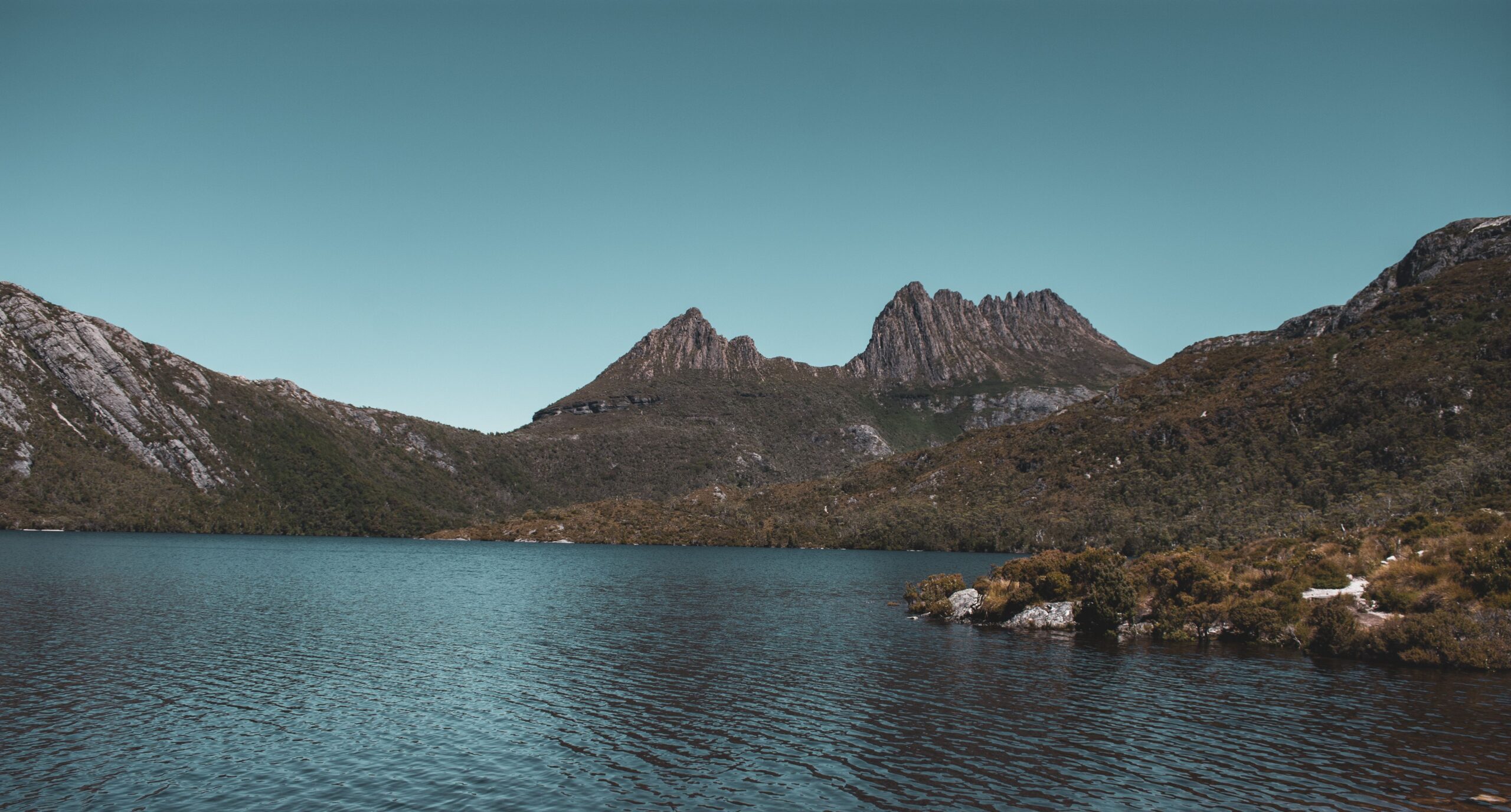
The Dove Lake Circuit at the base of the iconic Cradle Mountain is one of Tasmania’s most accessible and rewarding walks — a genuine bucket list experience without requiring significant fitness.
The Dove Lake Circuit shows Tasmania’s accessible approach well with its boardwalk path that visitors can complete at their own speed. The reflection of Cradle Mountain’s jagged peaks in Dove Lake is one of Australia’s most iconic views.
Why retirees love it: Extraordinary alpine scenery, well-maintained boardwalks over much of the route, and the ability to walk as much or as little as suits your fitness level on the day.
Practical tip: Tasmania national parks passes are required — worth purchasing a multi-park holiday pass if you’re visiting multiple national parks during your trip.
Gordon River Cruise
The Gordon River Cruise takes you through the notorious Hells Gates where the harbour and the Southern Ocean meet, before exploring the ruins of Sarah Island — a once dreaded penal colony — on the World Heritage listed Gordon River.
Why retirees love it: A genuinely extraordinary wilderness experience entirely from the comfort of a cruise vessel — no walking required, but extraordinary scenery throughout.
Russell Falls, Mount Field National Park
Russell Falls is the most photographed waterfall in Tasmania — accessible via an easy and stunning walk through giant green rainforests.
Why retirees love it: One of the most beautiful and accessible walks in Tasmania — a largely flat, well-maintained boardwalk through magnificent tall eucalyptus forest to a genuinely spectacular waterfall.
East Coast — Freycinet and the Wineglass Bay Lookout
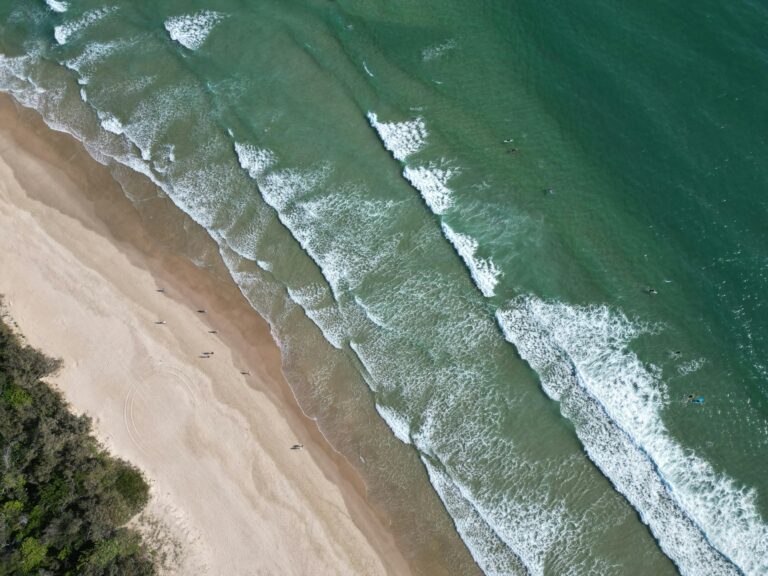
In 2026, more than 1,000 travel professionals and creators named Wineglass Bay number 21 in their World’s 50 Best Beaches list.
The walk to the Wineglass Bay Lookout from the car park is a genuinely rewarding walk — steep but manageable for most reasonable fitness levels, delivering views that rank among the most photographed in Australia.
Why retirees love it: The view from the lookout is genuinely extraordinary — a perfect white crescent of sand framed by pink granite mountains and turquoise water that justifies every step of the climb.
Practical tip: The lookout walk involves a significant climb — take your time, bring water, and consider going early in the morning for the best light and fewest crowds. Tasmania national parks passes required.
North and Northwest Tasmania
Sheffield — The Town of Murals
Stop in Sheffield to see the incredible outdoor art gallery of murals — the town has transformed its buildings into a remarkable open-air gallery that’s become one of Tasmania’s most visited attractions.
Why retirees love it: Completely flat, no entry fees, genuinely fascinating, and a wonderful example of how a small community has created something extraordinary.
The Nut, Stanley
Head to Stanley to see The Nut — a massive volcanic plug rising from the sea. Take the chairlift to the top for 360-degree views of Bass Strait without the steep climb.
Why retirees love it: The chairlift makes the extraordinary views accessible without the steep walk — and Stanley itself is one of Tasmania’s most charming and historic small towns.
Launceston and Cataract Gorge
Launceston’s Cataract Gorge is one of the most extraordinary natural features of any Australian city — a dramatic gorge just minutes from the city centre with walking paths, a historic chairlift, and beautiful gardens.
Why retirees love it: Accessible walking paths along the gorge, a chairlift for those who prefer not to walk, a beautiful swimming pool, and remarkable natural beauty all within easy reach of Launceston’s excellent cafes and restaurants.
Tasmania’s Food and Wine
Food and wine are genuinely central to the Tasmania travel experience — and this is where the island particularly rewards retirees who have the time to seek out the best.
Worth experiencing:
- Bruny Island — cheese, oysters, and extraordinary smallgoods from producers you can visit directly
- Tamar Valley wines — cool climate wines of genuine international quality just north of Launceston
- Coal River Valley — Hobart’s own wine region, home to excellent sparkling wines
- Salamanca markets produce — Tasmanian cheeses, smoked salmon, berries, and artisan products
- Seafood — Atlantic salmon, abalone, rock lobster, and oysters are all produced in extraordinary quality in Tasmanian waters
Tasmania is known for its quality berries, cheeses, smoked salmon, beers, ciders, and boutique wines — tasting local delicacies as you travel to various regions is one of the great pleasures of any Tasmanian visit.
Getting Around Tasmania
Self-drive Tasmania is genuinely well-suited to self-drive exploration — the roads are good, distances are manageable, and the freedom to stop when something catches your eye is one of the great pleasures of exploring the island independently.
Guided tours For those who prefer not to drive, Tasmania is very accessible for seniors, especially when travelling on a guided tour. Many key attractions offer well-maintained paths, boardwalks, and easy access facilities to ensure a comfortable experience.
Spirit of Tasmania ferry Travelling to Tasmania by ferry from Melbourne on the Spirit of Tasmania is a genuinely enjoyable experience in itself — comfortable cabins, good dining, and the sense of anticipation as you arrive by sea. Overnight cabin options make the crossing comfortable, allowing you to arrive in Devonport rested and ready to explore.
How Long Do You Need?
To experience Tasmania without rushing, a 7 to 10-day itinerary is recommended. This allows enough time to explore major highlights like Hobart, Port Arthur, Cradle Mountain, and the West Coast at a relaxed pace.
For retirees wanting a more thorough exploration — including the east coast, northwest, and wilderness areas — two weeks allows a genuinely unhurried experience of everything the island has to offer.
The Bottom Line
Tasmania genuinely rewards those who take their time — and retirees are perfectly placed to experience it as it deserves to be seen.
From the extraordinary wilderness of Cradle Mountain and the Gordon River to the colonial history of Port Arthur, the world-class food and wine, and the charming small towns scattered across the island — Tasmania is one of Australia’s truly great travel experiences.
Give it more time than you think you need. You’ll wish you’d given it more still.
Have you visited Tasmania? Share your favourite experience in The Good Years Club community — we’d love to hear your recommendations 💙
👉 Join The Good Years Club Community — https://www.facebook.com/share/g/1Fw4FHNpJr/