
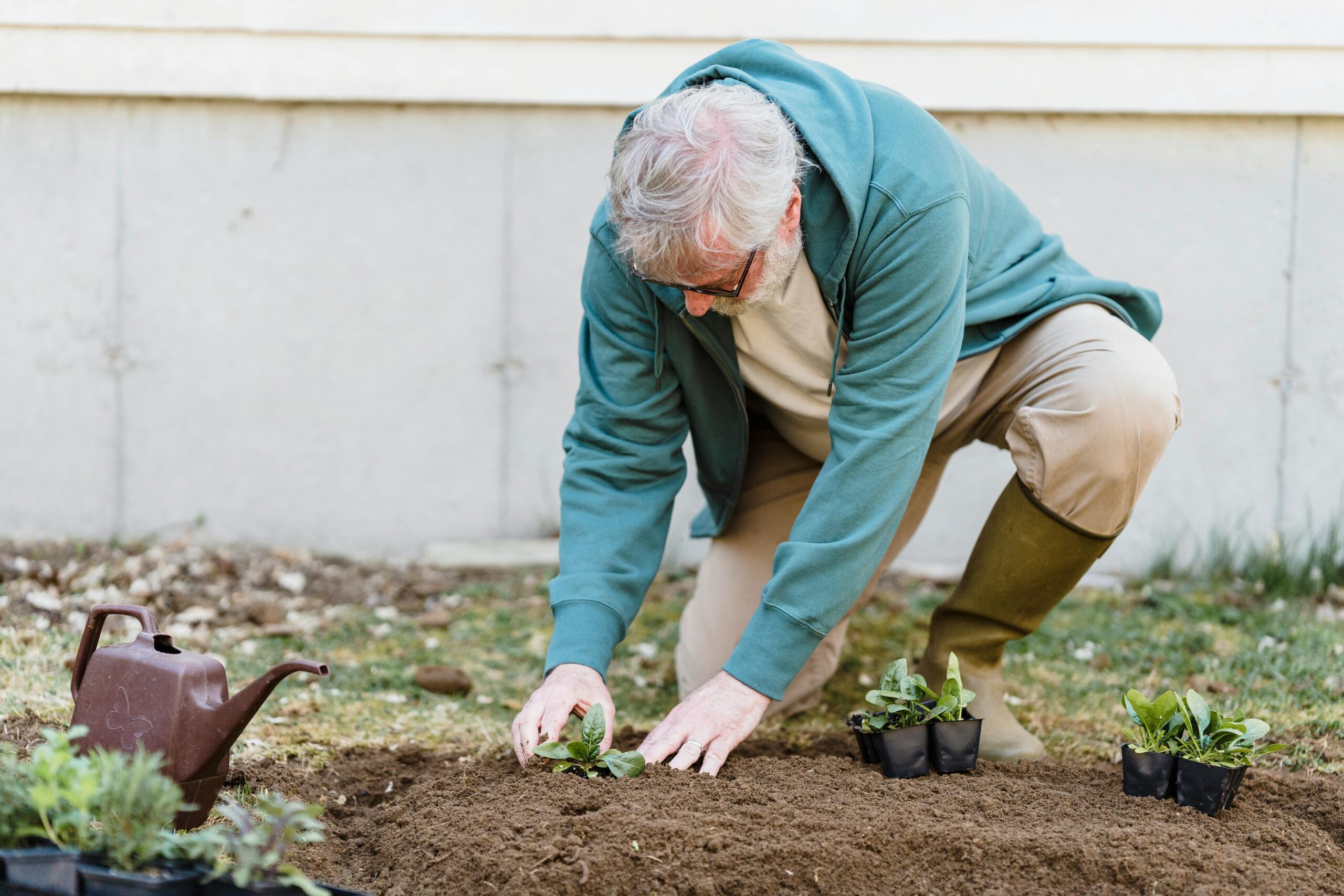
The Mental Health Benefits of Gardening After 60
There is something quietly powerful about putting your hands in the soil. For centuries people have instinctively turned to gardening during difficult times and modern science is now confirming what gardeners have always known — spending time growing things is genuinely good for your mental health. For Australians over 60 the benefits go even deeper. Here is what the research shows and how to make the most of gardening for your wellbeing.
Gardening and Mental Health — What the Research Shows
Multiple studies over the past decade have found that regular gardening reduces symptoms of depression and anxiety, improves mood, reduces cortisol levels, and increases feelings of purpose and satisfaction.
A landmark study published in the Journal of Health Psychology found that gardening reduced cortisol — the body’s primary stress hormone — more effectively than reading as a recovery activity after stress. Participants reported significantly better mood after gardening compared to indoor activities.
For older adults specifically gardening has been shown to reduce loneliness, improve cognitive function, and provide a sense of purpose that can be harder to find after leaving the workforce.
1. Gardening Gives You a Reason to Get Outside
One of the most underrated aspects of gardening is simply that it gets you outdoors regularly. Natural light exposure regulates mood, sleep, and energy levels through its effect on serotonin and melatonin production.
Many retirees find they spend far more time indoors than they did when working. Gardening creates a natural daily or weekly rhythm that pulls you outside regardless of motivation — because the plants need you.
2. It Provides Purpose and Structure
One of the most significant challenges of retirement is the loss of purpose and structure that work provides. Gardening fills this gap beautifully. Plants need regular attention, they respond to your care, and they reward your effort with visible results.
The simple act of having something that depends on you — even if it’s just a tomato plant — provides a gentle daily purpose that supports mental health significantly.
3. It Connects You to a Community
Gardening is one of the most social hobbies available. Community gardens, garden clubs, plant swap groups, and online gardening communities are all thriving across Australia.
Joining a community garden or local gardening club connects you with like minded people, reduces isolation, and provides regular social interaction in a low pressure environment. Many lifelong friendships have started over a shared interest in growing things.
4. It Keeps Your Brain Active
Gardening involves planning, problem solving, learning, and creativity — all of which support cognitive health as we age. Deciding what to plant, figuring out why something isn’t growing, learning about new plants and techniques — all of these keep your brain engaged and active.
Research has found that people who garden regularly have a lower risk of dementia. While gardening alone isn’t a guaranteed protection the combination of physical activity, mental engagement, and stress reduction all contribute to better brain health over time.
5. The Physical Activity Benefit
Gardening is moderate physical activity. Digging, planting, weeding, and watering all involve movement that benefits cardiovascular health, muscle strength, and flexibility. Unlike formal exercise gardening doesn’t feel like exercise — which means people do more of it and enjoy it more.
The combination of physical activity and mental wellbeing benefits makes gardening one of the most efficient health activities available for older adults.
6. There is Soil Bacteria That Actually Improves Mood
This one surprises most people. Research has found that a common soil bacteria called Mycobacterium vaccae triggers the release of serotonin in the brain when inhaled or absorbed through the skin during gardening.
In simple terms — getting your hands in the dirt literally makes you happier at a chemical level. This may partly explain why gardeners have always instinctively known that time in the garden improves how they feel.
7. Growing Your Own Food Adds Extra Satisfaction
There is a particular satisfaction that comes from eating something you grew yourself. Growing vegetables, herbs, or fruit adds an extra layer of purpose and reward to gardening and connects you to your food in a way that feels deeply satisfying.
Even a small vegetable patch or a few pots of herbs on a balcony can provide this benefit. The scale doesn’t matter — the act of growing and eating your own food is rewarding at any level.
Getting Started If You’re New to Gardening
You don’t need a large garden or any experience to start enjoying the mental health benefits of gardening. Some simple ways to begin:
- Start with a few pots on a balcony or patio
- Try growing herbs — basil, parsley, and mint are almost impossible to kill
- Visit your local community garden and ask about joining
- Join a gardening Facebook group for your local area
- Visit Bunnings and ask staff for beginner recommendations for your climate
Queensland’s warm climate is genuinely one of the best in Australia for year round gardening making it an ideal place to develop this habit.
The Bottom Line
Gardening is one of the simplest, cheapest, and most enjoyable things you can do for your mental health after 60. It gets you outside, gives you purpose, connects you with community, keeps your brain active, and — thanks to some remarkable soil bacteria — literally makes you happier at a chemical level.
You don’t need a green thumb. You just need to start.
Did this inspire you to get into the garden? Share it with a friend and come and tell us what you’re growing in The Good Years Club community on Facebook.