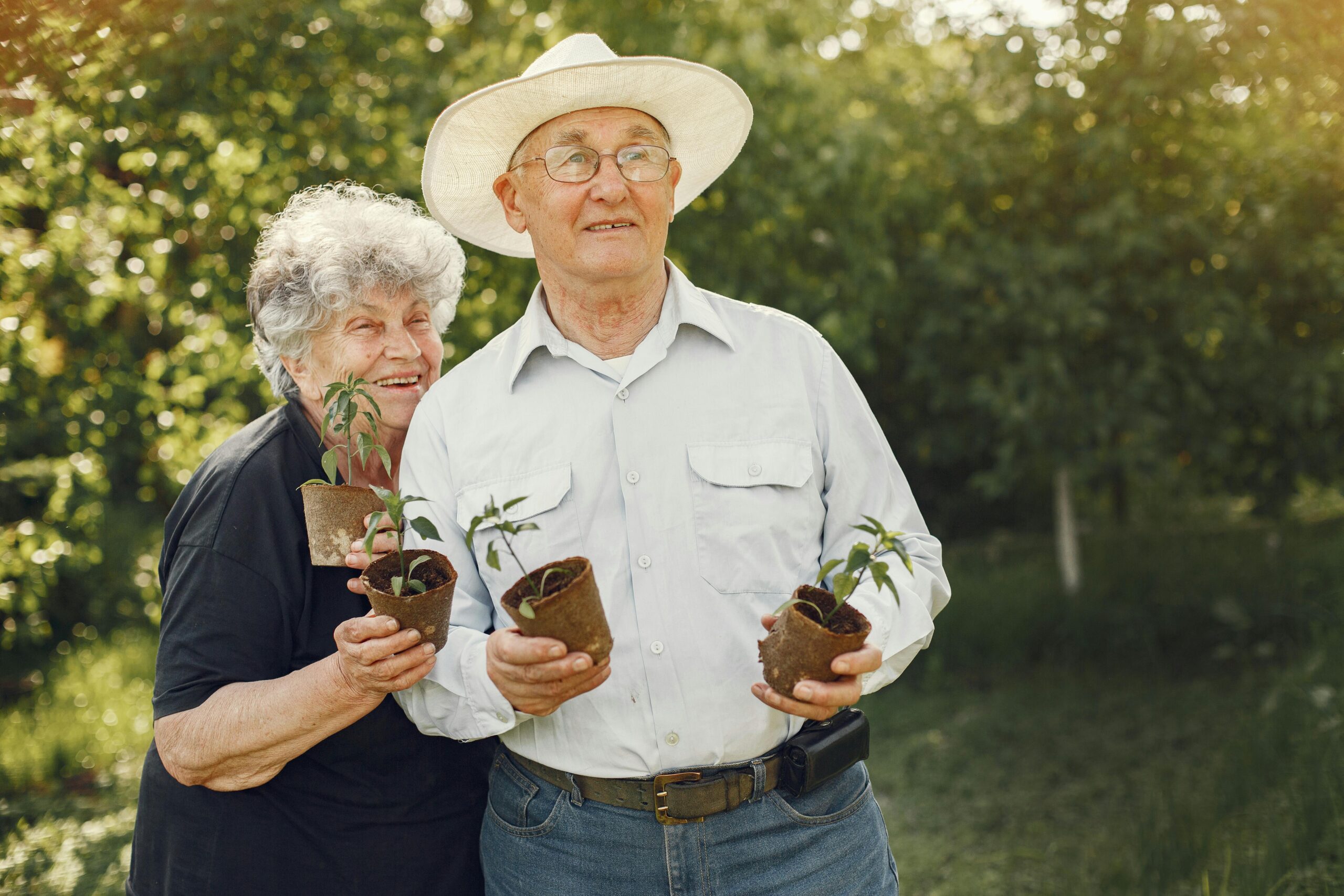
The Mental Health Benefits of Gardening After 60
Gardening can be much more than a way to keep the backyard looking good.
For many people, it provides a reason to get outside, something meaningful to work on and a quiet activity that can become part of the weekly routine.
And there is growing research suggesting that gardening and horticultural activities may have genuine benefits for wellbeing.
A 2024 umbrella review examining 40 previous reviews found an overall positive effect of gardening and horticultural therapy on wellbeing. Research specifically involving older adults has also found promising results for mood, quality of life and physical function.
That does not mean gardening is a treatment for a mental health condition.
But as one enjoyable part of an active and connected life after 60, it has a lot going for it.
1. Gardening Gives You Something to Look After
One of the underrated parts of gardening is having something that needs your attention.
Seeds need watering.
Vegetables eventually need harvesting.
Plants change with the seasons.
A neglected garden bed might need bringing back to life.
These are small responsibilities, but they can give structure to your day and provide an ongoing project that does not really have a finish line.
Retirement can involve a major change in routine, particularly after decades of having work determine where you need to be and what you need to accomplish.
A garden can provide some of that structure without becoming another job.
There is always something you could do, but most of it can wait until tomorrow.
2. It Gets You Outside
Sometimes the hardest part of spending more time outside is simply finding a reason to go out there.
Gardening provides one.
You might head outside intending to water a few pots and find yourself still there half an hour later checking the vegetable garden, pulling a couple of weeds or seeing what has started flowering.
That matters because gardening combines several potentially beneficial activities at once.
You are outside.
You are moving.
You are concentrating on something.
And you are doing an activity you may genuinely enjoy.
Research examining gardening and health has found links with mental wellbeing and increased physical activity, although the strength of the evidence varies between outcomes.
3. Gardening Can Be Absorbing
There are plenty of things to think about in retirement.
Money.
Family.
Health.
The future.
Sometimes having an activity that requires your attention can provide a useful break from all of that.
When you are repotting a plant, pruning a shrub or preparing a garden bed, your attention is directed towards what is immediately in front of you.
You are looking at the soil.
Checking the plant.
Using your hands.
Working out what needs doing next.
Gardening does not magically remove stress or difficult thoughts.
But an enjoyable activity that absorbs your attention can give your mind something else to focus on for a while.
4. You Can See the Results of Your Effort
Gardening has unusually visible progress.
Plant a seed and eventually something appears.
Look after a tomato plant and eventually you may have tomatoes.
Clear an overgrown corner and you can immediately see what you accomplished.
Plant a small shrub and you can watch it change over several years.
That feedback can make gardening satisfying.
Not everything will work, of course.
Plants die.
Possums discover your vegetables.
Weather ruins plans.
Something you planted in exactly the location the label recommended decides it hates living there.
That is gardening.
But when things do work, there is considerable satisfaction in being able to look at something and think:
I grew that.
5. Gardening Can Keep You Moving
Gardening should not replace appropriate exercise, but it certainly does not have to be sedentary.
Depending on what you are doing, gardening can involve walking, carrying, reaching, standing, squatting and other forms of movement.
A review specifically examining gardening among older adults found that many gardening tasks fell within the low to moderate intensity physical activity range. However, the researchers also noted that evidence about broader physical functioning benefits was limited.
That distinction is important.
We should not claim that pulling weeds will replace strength training or that gardening alone will keep someone physically fit.
But regularly getting outside and moving around the garden can still contribute to a more active lifestyle.
If maintaining strength as you get older is one of your priorities, read our guide to why muscle mass is important in your 60s and how to keep it.
6. Gardening Can Be Social
Gardening does not have to be solitary.
Community gardens, gardening clubs, neighbourhood groups and simply talking plants with friends can turn it into a social activity.
There is also something wonderfully easy about starting a conversation with another gardener.
Ask what they are growing.
Ask how they keep possums away.
Ask what variety of tomato actually survives their summer.
You probably have a conversation.
Research into gardens and gardening has identified social connection and reduced social isolation as potential pathways through which gardening may support wellbeing. Group based gardening research has also produced promising results for wellbeing, although researchers caution that the quality and consistency of evidence varies.
For someone wanting more connection after retirement, joining a gardening group or community garden may therefore offer something that gardening alone at home cannot.
7. It Can Give You a Long Term Project
Some hobbies are finished relatively quickly.
Gardening never really is.
There is next season.
Next year.
The tree you planted that will take years to mature.
The vegetable you have never successfully grown.
The section of the backyard you still want to change.
That long time horizon can be part of the appeal.
You are not simply maintaining what you have.
You are creating something that can continue changing with you.
8. You Do Not Need a Big Backyard
One of the best things about gardening is how scalable it is.
You can have a large vegetable garden.
Or three pots on a balcony.
You can grow herbs beside the kitchen.
Use raised garden beds.
Create a vertical garden.
Grow native plants in containers.
Or simply keep a few plants somewhere you enjoy sitting.
If bending, kneeling or maintaining a large garden is becoming difficult, changing the garden itself can often make the hobby considerably easier.
Our low maintenance gardening guide covers raised beds, irrigation, containers, easier tools and other ways to reduce the physical workload.
9. Native Plants Can Bring Wildlife Into the Garden
A garden can become more interesting when you are not the only one using it.
Native plants can provide food and habitat for birds, insects and other wildlife, depending on the plants and where you live.
Suddenly there is more to notice.
Which plants are flowering?
What bird is making that noise?
What has discovered the birdbath?
What is eating the leaves you were planning to keep?
If creating a more Australian garden appeals to you, we have put together a separate guide to choosing native plants for Australian gardens.
10. Growing Food Adds Another Reward
There is something different about eating something you grew yourself.
It does not have to be an enormous vegetable patch.
A few herbs, lettuce, tomatoes or other suitable vegetables can be enough to make gardening feel productive.
And starting small is usually smarter than creating a huge garden that becomes another maintenance obligation.
If you have never grown food before, our beginner guide explains how to start a vegetable garden in retirement.
Make Gardening Fit Your Body
Gardening should be something you enjoy, not something you feel obligated to endure.
You do not earn extra gardening points for making everything difficult.
If getting down to ground level is uncomfortable, consider raised beds or containers.
If carrying equipment is difficult, keep frequently used tools closer to where you garden.
If watering takes too much effort, consider an appropriate irrigation system.
If standard tools are uncomfortable, different handle designs or lighter equipment may help.
And if a large garden is becoming too much, there is nothing wrong with making it smaller.
We have a complete guide to gardening tools for seniors covering practical ways to make common gardening jobs easier.
Start Small
You do not need to transform your backyard.
Choose one thing.
Grow some herbs.
Plant a tomato.
Put a native shrub somewhere you can see it.
Start a small raised bed.
Visit a community garden.
Spend ten minutes outside tidying an existing garden.
Then see whether you actually enjoy it.
The best hobby is not the one somebody tells you is good for you.
It is the one you genuinely want to keep doing.
Gardening Is Helpful, But It Is Not Mental Health Treatment
This distinction matters.
Research suggests gardening may support wellbeing, and Australian health guidance recommends enjoyable activities, physical activity and staying socially connected as ways to support mental wellbeing. Gardening is also specifically listed by Healthdirect as an enjoyable activity people may consider when dealing with loneliness.
But gardening is not a substitute for professional mental health care.
If low mood, anxiety or changes in your behaviour are affecting your everyday life, speak with your GP or another qualified health professional. Healthdirect recommends seeking support when mood or behaviour begins affecting day to day life.
The Bottom Line
Gardening combines a lot of things that can make retirement enjoyable.
Movement.
Time outside.
A project to work on.
Visible progress.
Opportunities to learn.
And, if you want it, connection with other people.
Research increasingly suggests gardening and horticultural activities may support wellbeing, but you do not need to turn gardening into medicine to appreciate its value.
Sometimes growing something simply feels good.
And that is a perfectly good reason to keep doing it.


Hi keeps me healthy.the morning sun sitting in my garden….
Hi Judy, great to hear that its getting you out in your garden more!