How to Improve Your Balance and Reduce Your Risk of Falls After 60
Falls become more common as we get older, but they should not simply be accepted as an inevitable part of ageing.
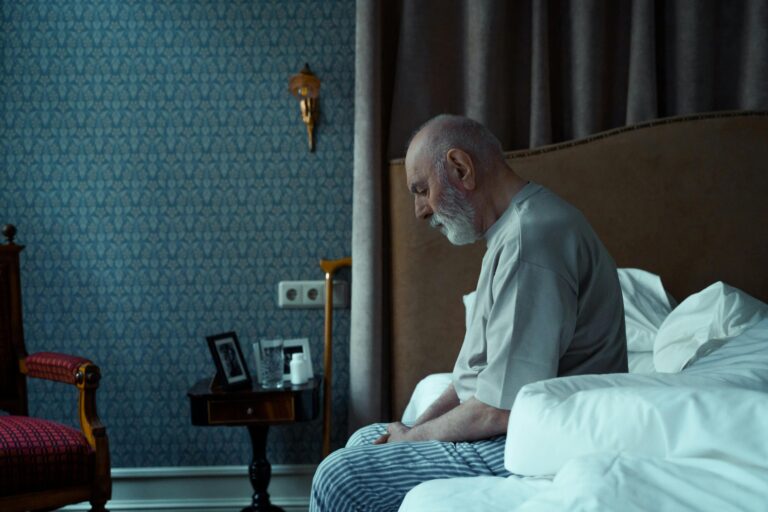
Around one in four Australians aged 65 and over experiences at least one fall each year. Falls can cause serious injuries, but even a fall without an injury can affect confidence and lead someone to become less active.
There is also rarely one single reason someone falls.
Balance, muscle strength, eyesight, medications, footwear, health conditions and hazards around the home can all play a role.
That means reducing your risk of falls is about more than practising one balance exercise.
Here are some practical places to start.
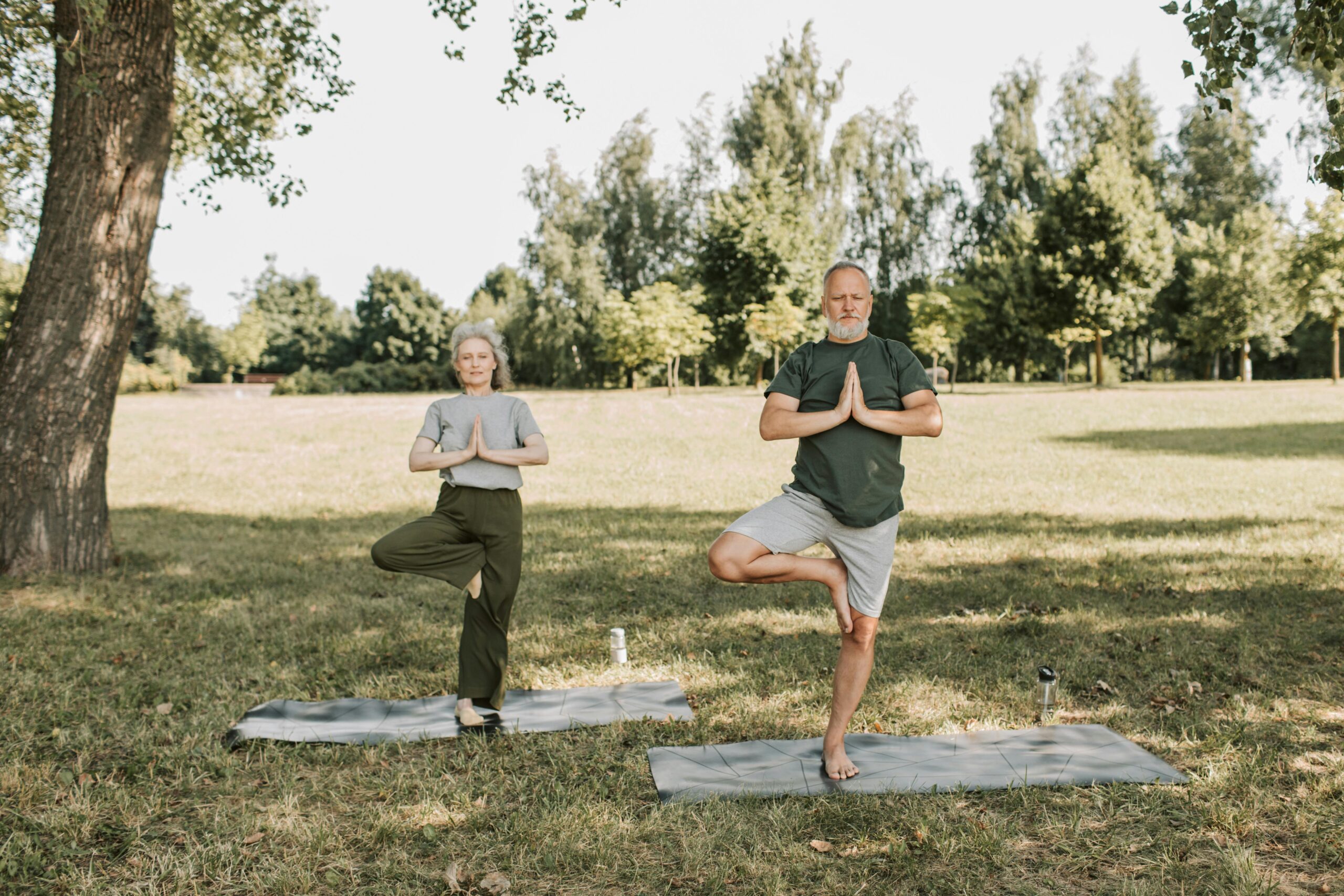
1. Include Balance Exercises in Your Week
Balance is something you can work on.
Australian physical activity recommendations for people aged 65 and over include activities targeting mobility, balance and coordination on three or more days each week.
Examples of balance activities can include heel to toe walking, Tai Chi and appropriately supported standing exercises.
If you are practising balance at home, have something sturdy nearby for support.
There is no prize for making an exercise unnecessarily difficult. The aim is to challenge your balance safely and gradually.
If you already have significant balance difficulties or have fallen before, consider getting professional advice before attempting more challenging exercises.
2. Build Stronger Legs
Balance matters, but strength matters too.
Strong legs help with everyday movements such as getting out of a chair, climbing stairs and recovering when you lose your balance.
Australian guidelines recommend muscle strengthening activities on at least two days each week for older adults.
A simple example is the sit to stand.
Sit on a stable chair with your feet on the floor. Stand up in a controlled manner, using your hands for assistance if you need them, then slowly sit back down.
As you become stronger, you may be able to use less assistance.
Other strength exercises can be performed with resistance bands, weights, machines or your own body weight.
If you are unsure where to begin, a physiotherapist, exercise physiologist or appropriately qualified trainer can help you choose exercises suitable for your ability.
3. Keep Moving
Do not make the mistake of thinking falls prevention means becoming more cautious about all physical activity.
Being inactive can contribute to weaker muscles and poorer balance, which can itself increase your risk of falling.
Current Australian recommendations encourage older adults to complete at least 30 minutes of moderate to vigorous physical activity on most days, alongside strength and functional activities.
Walking, swimming, cycling, dancing, gardening and organised exercise can all help you maintain an active lifestyle.
Start at a level appropriate for you and build gradually.
4. Check Your Home for Fall Hazards
Around half of falls among older people occur in and around the home.
Take a walk through your home and look at it specifically from a falls prevention perspective.
Pay attention to loose rugs and mats, electrical cords, cluttered walkways, slippery floors, poorly lit areas, stairs and uneven surfaces.
Nighttime deserves attention too.
If you regularly get up to use the bathroom, make sure the route is clear and adequately lit.
Reducing hazards does not mean completely changing your home. Sometimes simple changes can remove unnecessary risks.
5. Pay Attention to Your Footwear and Feet
Your feet are your connection with the ground, so problems with your feet or footwear can affect how safely you move.
Healthdirect identifies unsafe or poorly fitting footwear as one potential contributor to falls and notes that age related changes to the feet can alter walking and balance.
Choose shoes that fit properly and provide appropriate grip and support for what you are doing.
If foot pain, numbness or another foot problem is changing the way you walk, consider speaking with your GP or a podiatrist.
6. Have Your Medicines Reviewed
Some medicines can contribute to dizziness, drowsiness, confusion or unsteadiness.
Those effects can increase the chance of falling.
If you take several medicines, have recently started a new medicine, or have noticed dizziness or unsteadiness, talk with your GP or pharmacist.
Do not stop taking prescribed medication yourself because you are worried about falls.
Instead, ask whether your medicines could be contributing to your symptoms and whether a review is appropriate.
7. Do Not Ignore Dizziness
Feeling dizzy or lightheaded is not something you should simply work around with more balance training.
There are different reasons someone may experience dizziness, including changes in blood pressure and medical conditions.
If you regularly feel dizzy, faint or lightheaded, particularly when standing up, talk with your doctor.
Standing up gradually after sitting or lying down can also help with posture related dizziness.
8. Look After Your Vision
Vision helps you judge your surroundings, including obstacles, steps and changes in surfaces.
Changes in eyesight can therefore contribute to falls.
Keep up with appropriate eye checks and make sure your home has adequate lighting.
If you notice a change in your vision, do not simply compensate by becoming more cautious. Have it assessed.
9. Think About Nutrition and Hydration
Staying strong requires more than exercise.
Healthdirect notes that dehydration and poor nutrition can make it harder to remain strong and move around safely.
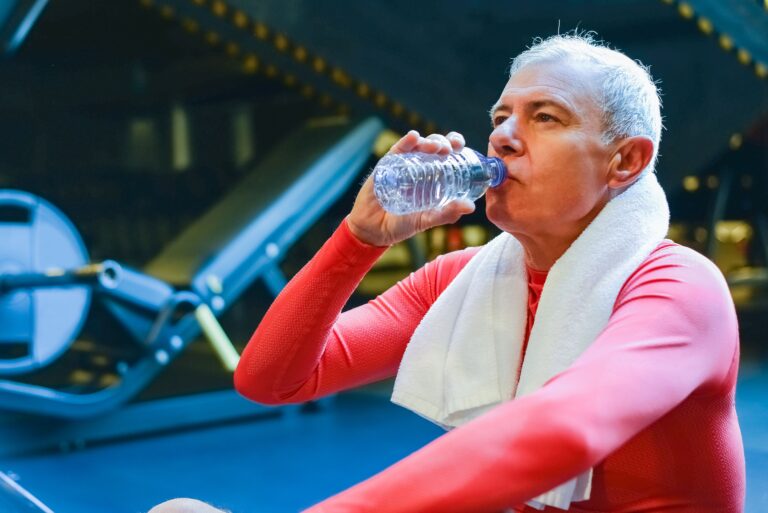
Try to maintain a varied diet and drink enough fluids throughout the day unless a health professional has advised you to restrict your fluid intake.
Vitamin D and calcium can also be relevant to bone health for some people, but supplements should not automatically be taken simply because you are worried about falls.
Your doctor can advise whether supplementation is appropriate for you.
10. Get Help if You Have Already Fallen
A previous fall is important information.
Healthdirect recommends seeing your doctor after a fall, even if you were not injured. Your doctor can look at possible contributing factors and may recommend a falls prevention plan.
Depending on your circumstances, that could involve a physiotherapist, occupational therapist, dietitian, podiatrist or another health professional.
A physiotherapist can be particularly useful if you are unsure why you feel unsteady or need an exercise program tailored to your current ability.
What if You Are Afraid of Falling?
Fear after a fall is understandable.
The problem is that becoming much less active because you are worried about falling can lead to reduced strength and balance, potentially making another fall more likely.
Rather than giving up activities completely, consider getting help to make them safer.
That might mean starting with supported exercises, exercising with someone else, seeing a physiotherapist or changing hazards around your home.
The goal is not to remove every possible risk from life.
It is to maintain your confidence and independence while managing the risks you can control.
When Should You Speak With Your GP?
Talk with your GP if you have had a fall, are falling repeatedly, regularly feel dizzy or unsteady, have noticed changes in your walking, are worried about your medications, or have become afraid of falling.
If a fall causes a serious injury or you require urgent medical assistance, call 000.
The Bottom Line
Falls prevention is not about one magic exercise.
Regular balance work, stronger muscles, staying physically active, safer surroundings, appropriate footwear and attention to your health can all play a role.
For Australians aged 65 and over, the current national recommendations include strength activities at least twice each week and activities targeting mobility, balance and coordination at least three days each week.
If you are already having problems with balance or have experienced a fall, getting personalised advice is more useful than simply trying harder exercises on your own.
Have you found something that has helped you feel steadier or more confident on your feet?
Share your experience with The Good Years Club community.