How to Boost Your Energy Levels Naturally After 60
Feeling tired, sluggish, or low on energy is one of the most common complaints among Australians over 60 — and one of the most frustrating. You have the time to enjoy retirement but not always the energy to make the most of it. The good news is that low energy after 60 is rarely inevitable. In most cases it has identifiable causes and effective natural solutions. Here’s what actually works.
Why Energy Levels Decline After 60
Understanding why energy drops helps you address the right causes. The most common contributors to low energy in older adults are:
- Poor sleep quality — common after 60 and dramatically affects daytime energy
- Nutritional deficiencies — particularly iron, B12, vitamin D, and magnesium
- Reduced physical activity — creates a cycle of fatigue and inactivity
- Dehydration — the sensation of thirst diminishes with age meaning many older adults are mildly dehydrated without knowing it
- Medications — many common medications cause fatigue as a side effect
- Thyroid problems — extremely common in older adults and often undiagnosed
- Depression or anxiety — both cause significant fatigue
- Sleep apnoea — very common after 60 and causes profound daytime tiredness
Before assuming low energy is simply a normal part of ageing it’s worth speaking with your GP to rule out treatable causes — particularly thyroid problems, anaemia, vitamin deficiencies, and sleep apnoea.
1. Move More to Feel More Energetic
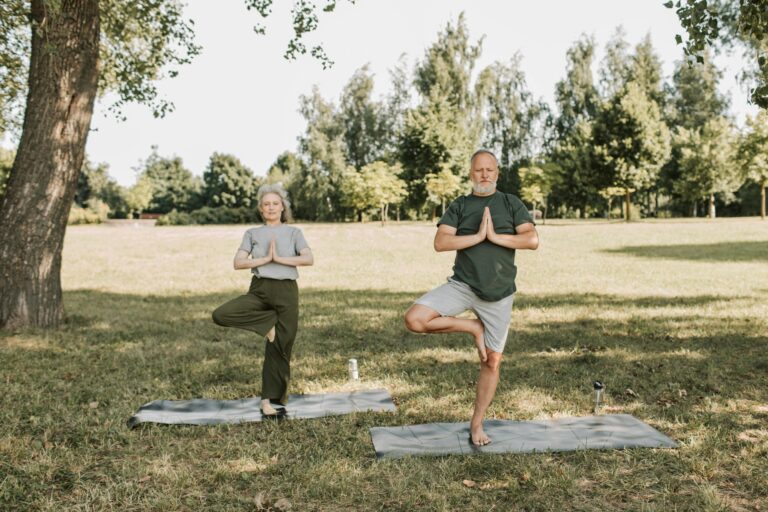
This feels counterintuitive but the research is clear — physical activity increases energy rather than depleting it. Regular exercise improves cardiovascular efficiency, increases mitochondrial function in cells, improves sleep quality, and releases endorphins that boost mood and energy.
You don’t need intense exercise to get these benefits. A 30 minute walk most days of the week produces measurable improvements in energy levels within two to three weeks.
The hardest part is starting when you feel tired. But virtually everyone who pushes through the initial resistance reports significantly better energy within a few weeks of regular activity.
2. Fix Your Sleep
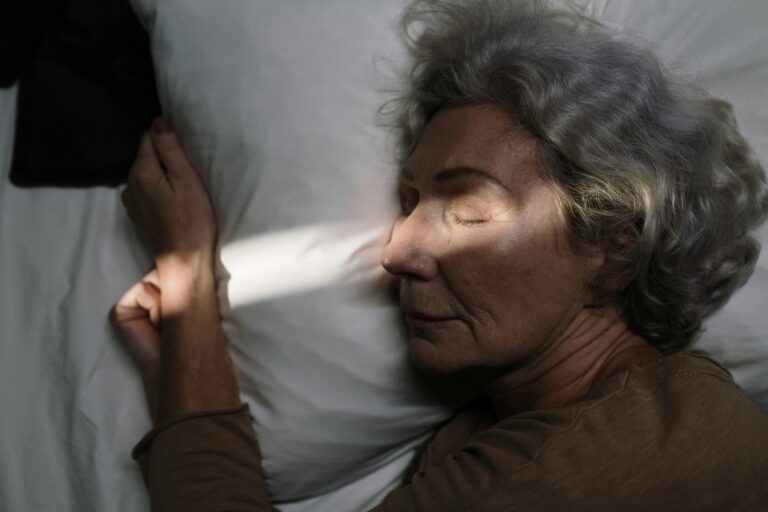
Poor sleep is the most common and most overlooked cause of low energy in older adults. Many people accept disturbed or insufficient sleep as normal — it isn’t.
Simple sleep improvements that work:
- Consistent sleep and wake times — even on weekends
- Cool dark quiet bedroom
- No screens for one hour before bed
- Limiting caffeine after midday
- Limiting alcohol — it disrupts sleep quality even if it helps you fall asleep
- Getting morning sunlight — resets your circadian rhythm
If you’ve tried these measures and sleep remains poor speak with your GP. Sleep apnoea, restless leg syndrome, and other treatable conditions are extremely common after 60.
3. Stay Hydrated
Mild dehydration is one of the most common and easily fixed causes of fatigue in older adults. The sensation of thirst diminishes significantly with age — meaning many older Australians are regularly mildly dehydrated without feeling thirsty.
Aim for six to eight glasses of water per day. Herbal teas count. Fruit and vegetables with high water content also contribute. Limit alcohol and caffeine which are dehydrating.
A simple test — if your urine is pale yellow you’re well hydrated. Dark yellow means you need more water.
4. Eat for Energy
What you eat has a profound effect on your energy levels throughout the day. The key principles for sustained energy after 60:
Eat regular meals Skipping meals — particularly breakfast — causes blood sugar drops that result in fatigue and brain fog. Three regular meals with healthy snacks if needed provides steady energy throughout the day.
Prioritise protein Protein provides sustained energy and supports muscle maintenance. Include a quality protein source at every meal — eggs, chicken, fish, legumes, dairy, or lean meat.
Choose complex carbohydrates Wholegrains, vegetables, and legumes provide slow release energy that sustains you throughout the day. Refined carbohydrates — white bread, sugar, processed foods — cause energy spikes followed by crashes.
Eat plenty of iron rich foods Iron deficiency is a common cause of fatigue in older adults. Good sources include lean red meat, legumes, dark leafy greens, and fortified cereals. Eating vitamin C rich foods alongside iron rich foods improves absorption.
Limit sugar Sugar provides a brief energy spike followed by a significant energy crash. Reducing sugar intake often produces a noticeable improvement in sustained energy levels within a week or two.
5. Check Your Vitamin and Mineral Levels
Several nutrient deficiencies cause significant fatigue and are extremely common in Australians over 60:
Vitamin B12 B12 deficiency causes profound fatigue, brain fog, and weakness. Very common after 60 because the stomach produces less acid needed to absorb B12 from food. A simple blood test can check your levels.
Vitamin D Low vitamin D causes fatigue, muscle weakness, and low mood. Despite Australia’s sunshine vitamin D deficiency is surprisingly common in older adults who spend less time outdoors. A blood test will show your levels.
Iron Iron deficiency anaemia causes significant fatigue and is more common in older adults than most people realise. A blood test will identify this quickly.
Magnesium Magnesium deficiency causes fatigue, muscle cramps, and poor sleep — a triple hit on your energy levels. Many Australians don’t get adequate magnesium from diet alone.
Ask your GP to test your B12, vitamin D, iron, and magnesium levels at your next visit — it’s a simple blood test that can identify easily treatable causes of fatigue.
6. Manage Stress
Chronic stress is one of the most energy draining states a human body can be in. The stress hormone cortisol when chronically elevated causes fatigue, disrupts sleep, and depletes the nutrients needed for energy production.
Effective stress management strategies for older adults:
- Regular physical activity — one of the most reliable cortisol reducers available
- Mindfulness and meditation — even 10 minutes daily has been shown to reduce cortisol significantly
- Time in nature — research consistently shows that time outdoors reduces stress hormones
- Social connection — time with people you enjoy naturally reduces stress
- Limiting news consumption — particularly before bed
7. Limit Alcohol
Many people over 60 enjoy a glass of wine or beer as part of their routine — and moderate consumption is generally fine. But alcohol is a depressant that disrupts sleep quality, depletes B vitamins, dehydrates the body, and leaves many people feeling flat and foggy the following day.
If low energy is a significant problem reducing alcohol consumption is worth trying as an experiment. Many people are surprised by the improvement in energy, sleep quality, and mood within just a week or two of cutting back.
8. Review Your Medications
Many common medications taken by older Australians list fatigue as a side effect. Blood pressure medications, antihistamines, antidepressants, sleeping tablets, and some pain medications can all contribute to low energy.
If you suspect a medication is affecting your energy levels speak with your GP. Often a timing adjustment — taking a medication in the morning instead of the evening — can make a significant difference. Never stop taking prescribed medications without medical advice.
9. Spend Time Outdoors
Natural light exposure plays a crucial role in regulating energy levels through its effect on your circadian rhythm and serotonin production. Many older Australians who spend significant time indoors experience lower energy and mood as a result.
Even 20 to 30 minutes outdoors in the morning — a short walk, sitting in the garden, or simply standing in natural light — can produce a noticeable improvement in daytime energy and mood within days.
10. Find Your Purpose
This one is less discussed but genuinely important. Purpose — having something meaningful to look forward to and engage with — is one of the most powerful energy generators available to human beings.
Many retirees experience low energy partly because the sense of purpose and structure that work provided has disappeared. Volunteering, pursuing a passion project, joining a community, learning something new — these activities generate genuine energy and motivation that no supplement can replicate.
When to See Your Doctor
Low energy that persists despite lifestyle improvements warrants a visit to your GP. Conditions including thyroid problems, anaemia, diabetes, depression, sleep apnoea, and heart disease all cause significant fatigue and are all very treatable.
Don’t accept persistent fatigue as an inevitable part of ageing. A thorough investigation by your GP — including blood tests for thyroid function, full blood count, B12, vitamin D, and iron — can identify treatable causes quickly and make a profound difference to how you feel every day.
The Bottom Line
Low energy after 60 is common but it’s not inevitable. In most cases there are identifiable causes and effective solutions — better sleep, more movement, improved nutrition, adequate hydration, and addressing any underlying health issues.
Start with the basics — drink more water, move more, sleep better, and eat regular nutritious meals. Then speak with your GP about checking your vitamin and mineral levels. Small consistent improvements compound into a genuinely significant difference in how you feel every day.