Best Hobbies for Retired Men in Australia: 15 Ideas
Retirement gives you something most working adults never seem to have enough of: time.
The difficult part is deciding what to do with it.
A good hobby can give your week structure, get you out of the house, introduce you to new people and give you something to look forward to.
And you do not need to find one perfect retirement hobby.
You might want something active a few days a week, something social on another day and a quieter hobby you can enjoy at home.
Here are 15 hobbies worth trying for retired men in Australia.
Best Retirement Hobbies at a Glance
| Hobby | Best For |
|---|---|
| Mens Shed | Social connection and practical projects |
| Fishing | Outdoors and relaxation |
| Woodworking | Making things |
| Golf | Exercise and socialising |
| Lawn bowls | Social competition |
| Cycling | Staying active |
| Gardening | Home based activity |
| Photography | Creativity and exploring |
| Volunteering | Purpose and community |
| Model making | Quiet concentration |
| Caravanning | Travel and adventure |
| Musical instrument | Learning something new |
| Genealogy | Family history |
| Coaching and mentoring | Sharing experience |
| Swimming | Low impact exercise |
1. Join a Mens Shed
Best for social connection
Mens Sheds are one of the most obvious places to start for retired Australian men.
They bring people together through practical projects and shared interests.
Depending on your local shed, activities might include woodworking, restoration, metalwork, gardening, repairs or community projects.
But the project itself is only part of the appeal.
A Mens Shed gives you somewhere to go regularly and people to spend time with.
That can be particularly valuable after leaving a workplace where you may have spent decades seeing the same people every week.
You do not necessarily need any experience either.
Contact your local shed and ask about visiting before joining.
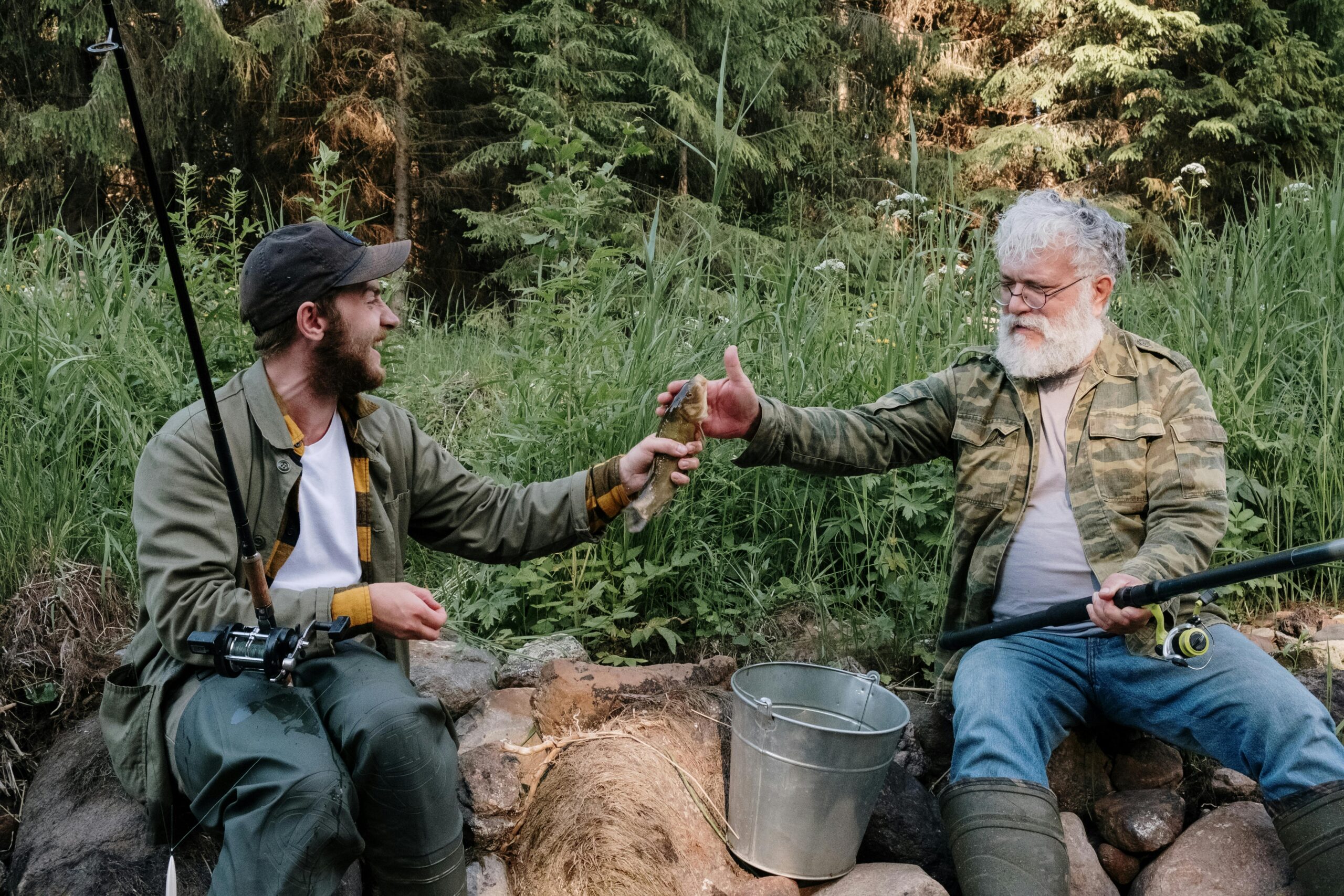
2. Go Fishing
Best for getting outdoors
Fishing can be as simple or serious as you want it to be.
You can spend a quiet morning beside a local river, fish from the beach, join friends for the day or gradually learn more advanced techniques.
There is always something else to learn, which makes fishing particularly suited to retirement.
Joining a local fishing club can also turn what is normally a solo activity into something more social.
Just remember that fishing rules and licence requirements vary across Australia, so check the requirements for your state or territory.
3. Try Woodworking
Best for making something useful
There is something satisfying about finishing the day with something you actually made.
Woodworking can involve anything from small household projects to furniture, toys, garden features and gifts for family.
You also do not need an enormous workshop to start.
Begin with a simple project and basic equipment before deciding whether you want to invest more heavily.
If you do not have the space or tools at home, your local Mens Shed may be another option.
4. Play Golf
Best for exercise and socialising
Golf combines several things that make a good retirement hobby.
You are outdoors, walking, concentrating, learning and usually spending several hours with other people.
You can play socially without taking the score too seriously or join a club and make it more competitive.
If 18 holes feels like too much, try nine holes.
You do not have to play the traditional way simply because that is what everyone else does.
5. Try Lawn Bowls
Best for social competition
Lawn bowls deserves its place on this list because it combines gentle physical activity with competition and a strong social element.
Many Australian bowls clubs welcome beginners and have social sessions where you can learn without immediately committing to regular competition.
It is also relatively easy to understand the basics.
Mastering it is another matter.
That gives you plenty to work on if you discover you enjoy it.
6. Take Up Cycling
Best for exploring your local area
Cycling can turn ordinary exercise into something you actually look forward to.
You might start with short rides around local bike paths before gradually increasing the distance.
An electric bike can also make hills and longer rides more manageable for some riders.
If the social side interests you, look for cycling groups that match your preferred speed and distance.
There is no point joining a group that treats every Sunday morning like the Tour de France if you simply want a relaxed ride and coffee.
7. Start Gardening
Best hobby to enjoy at home
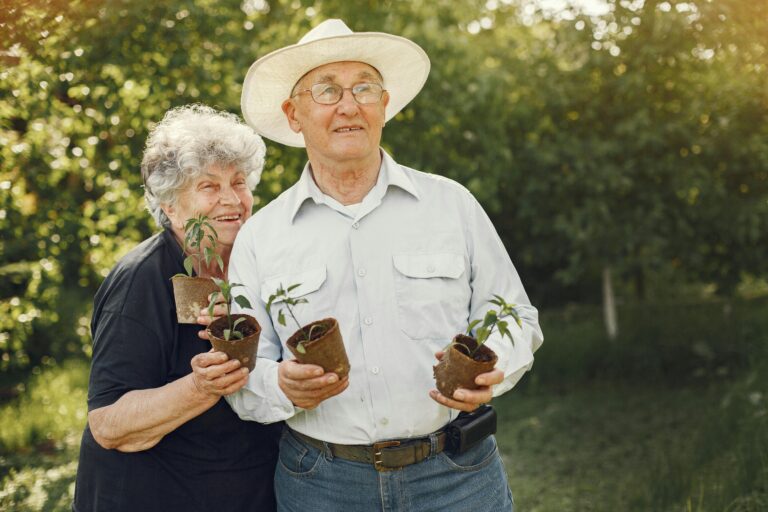
Gardening gives you something productive to do without leaving home.
You can grow vegetables, herbs, fruit, flowers or Australian native plants.
Start small.
A few pots or one garden bed is enough.
You can always expand later if you discover you enjoy it.
Gardening also changes throughout the year, which means there is usually another job, plant or project to think about.
8. Learn Photography
Best for creativity
You do not need an expensive camera to start photography.
Your phone is enough.
The hobby gives you a reason to explore your local area and pay attention to things you might normally walk past.
Wildlife, landscapes, family events, travel, architecture and street photography can all become subjects.
Once you know what you enjoy photographing, you can decide whether buying a dedicated camera is actually worthwhile.
9. Volunteer
Best for finding purpose
If you miss feeling useful after leaving work, volunteering is worth considering.
Your existing skills may be more valuable than you realise.
Depending on your background and interests, you could look at community organisations, conservation groups, sporting clubs, charities, mentoring programs or local events.
The right role gives you somewhere to be, people to work alongside and a reason to contribute.
Do not automatically volunteer for something simply because help is needed.
Find a cause or organisation you actually care about.
10. Build Models
Best quiet hobby
Model trains, aircraft, cars, ships and other kits can provide hours of concentrated work.
It is a good option if you enjoy detail, patience and working with your hands but do not have the room or interest for larger woodworking projects.
You can start with a relatively simple kit before moving into more complicated builds.
Model clubs can also add a social side to what would otherwise be a home based hobby.
11. Go Caravanning
Best for adventure
Retirement finally gives you the ability to explore Australia without squeezing everything into annual leave.
That makes caravanning and road trips particularly appealing.
You might start with weekend trips close to home before attempting longer journeys.
Eventually, that could become several weeks exploring Queensland, driving the coast, heading through regional Australia or doing a much bigger lap.
And you do not necessarily need to buy an expensive caravan immediately.
Try shorter road trips first and work out what style of travel you actually enjoy.
12. Learn a Musical Instrument
Best for learning something completely new
Have you always wanted to play guitar?
Or piano?
Maybe harmonica or ukulele?
Retirement is a good opportunity to finally try.
You do not need ambitions of performing in front of anyone.
Learning a few songs you genuinely enjoy can be enough.
Lessons are available in person and online, making it easier to learn at your own pace.
13. Research Your Family History
Best for preserving family stories
Retirement gives you time to investigate questions about your family that may have been sitting unanswered for decades.
Start with what you already have.
Talk to relatives.
Go through old photographs.
Write down names, dates and places.
From there, you can explore records held by archives, libraries and genealogy services.
The most valuable result may not be the research itself.
It may be leaving your children and grandchildren with stories that otherwise would have disappeared.
14. Coach or Mentor Someone
Best for using your experience
Retirement does not erase everything you learned during your career.
You may have decades of knowledge that someone younger would genuinely benefit from.
That could mean coaching junior sport, helping someone entering your old profession, supporting a community organisation or informally mentoring someone starting a business.
You get to use your experience without returning to the pressures of full time work.
15. Start Swimming
Best low impact activity
Swimming is worth considering if you want an active hobby without spending your time running or doing high impact exercise.
You can swim laps at your own pace and gradually increase how much you do.
Local aquatic centres may also offer aqua exercise, swimming groups or quieter lap swimming periods.
If you have not exercised regularly for some time or have health concerns that affect exercise, talk to an appropriate health professional about what is suitable for you.
Which Hobby Should You Choose?
Do not choose based on what you think retired men are supposed to enjoy.
Choose based on what is missing from your life.
If you want more people around you:
Try a Mens Shed, lawn bowls, golf, volunteering or a cycling group.
If you want to stay active:
Try swimming, cycling, golf, gardening or bowls.
If you want something productive:
Try woodworking, gardening, volunteering or mentoring.
If you want a quiet hobby at home:
Try genealogy, model making, photography or learning an instrument.
If you want adventure:
Try fishing, caravanning, cycling or photography.
Try Before You Spend
One mistake people make with a new hobby is buying everything immediately.
You decide to start cycling and suddenly there is a new bike, helmet, clothing and equipment sitting in the garage.
Or you decide to try photography and spend thousands of dollars on a camera before you know whether you enjoy taking photos.
Start cheaply.
Borrow equipment.
Rent it.
Take a beginner class.
Attend a club session.
Try the hobby several times.
If you are still looking forward to it after a month or two, then consider spending more.
You Can Have More Than One Hobby
You do not need one activity to provide everything you want from retirement.
In fact, a combination can work better.
You might play golf once a week, work in the garden at home, visit your Mens Shed on Thursdays and take the caravan away every few months.
One hobby keeps you active.
Another gives you social connection.
Another gives you something enjoyable to do at home.
Together they create a much more interesting week.
The Best Retirement Hobby Is the One You Keep Doing
There is no universal best hobby for retired men.
Some people want competition.
Others want peace and quiet.
Some want to make things.
Others finally want the freedom to travel.
The important thing is to try something.
Choose one activity from this list that genuinely interests you and give it a go.
You do not need to plan the next ten years of retirement.
You just need something worth looking forward to next week.