How to Manage Arthritis Pain Naturally — What Actually Works for Australians Over 60
Arthritis is one of the most common health conditions affecting Australians over 60 — and one of the most misunderstood. Many people accept arthritis pain as an inevitable part of ageing and simply learn to live with it. But the evidence tells a different story. There is a great deal you can do — naturally, without medication — to reduce arthritis pain, improve joint function, and live a more active and comfortable life. Here’s what actually works.
Understanding Arthritis
Before exploring natural management strategies it helps to understand what type of arthritis you have — because different types respond differently to different approaches.
Osteoarthritis The most common form — affecting approximately 2.1 million Australians. Osteoarthritis is a degenerative joint condition caused by the gradual breakdown of cartilage — the cushioning tissue between bones. It most commonly affects the knees, hips, hands, and spine. Pain typically worsens with activity and improves with rest in the early stages — though in advanced cases pain may be present at rest as well.
Rheumatoid Arthritis An autoimmune condition in which the immune system attacks the lining of the joints — causing inflammation, pain, swelling, and eventually joint damage. Rheumatoid arthritis affects approximately 456,000 Australians and requires specific medical management alongside natural approaches.
Gout A form of inflammatory arthritis caused by the buildup of uric acid crystals in joints — most commonly the big toe. Gout attacks are intensely painful and often sudden. Dietary management is particularly important for gout.
The natural approaches in this guide are most applicable to osteoarthritis — the most common form. If you have rheumatoid arthritis or gout always work closely with your rheumatologist in addition to any natural management strategies.
1. Exercise — The Most Powerful Natural Treatment Available
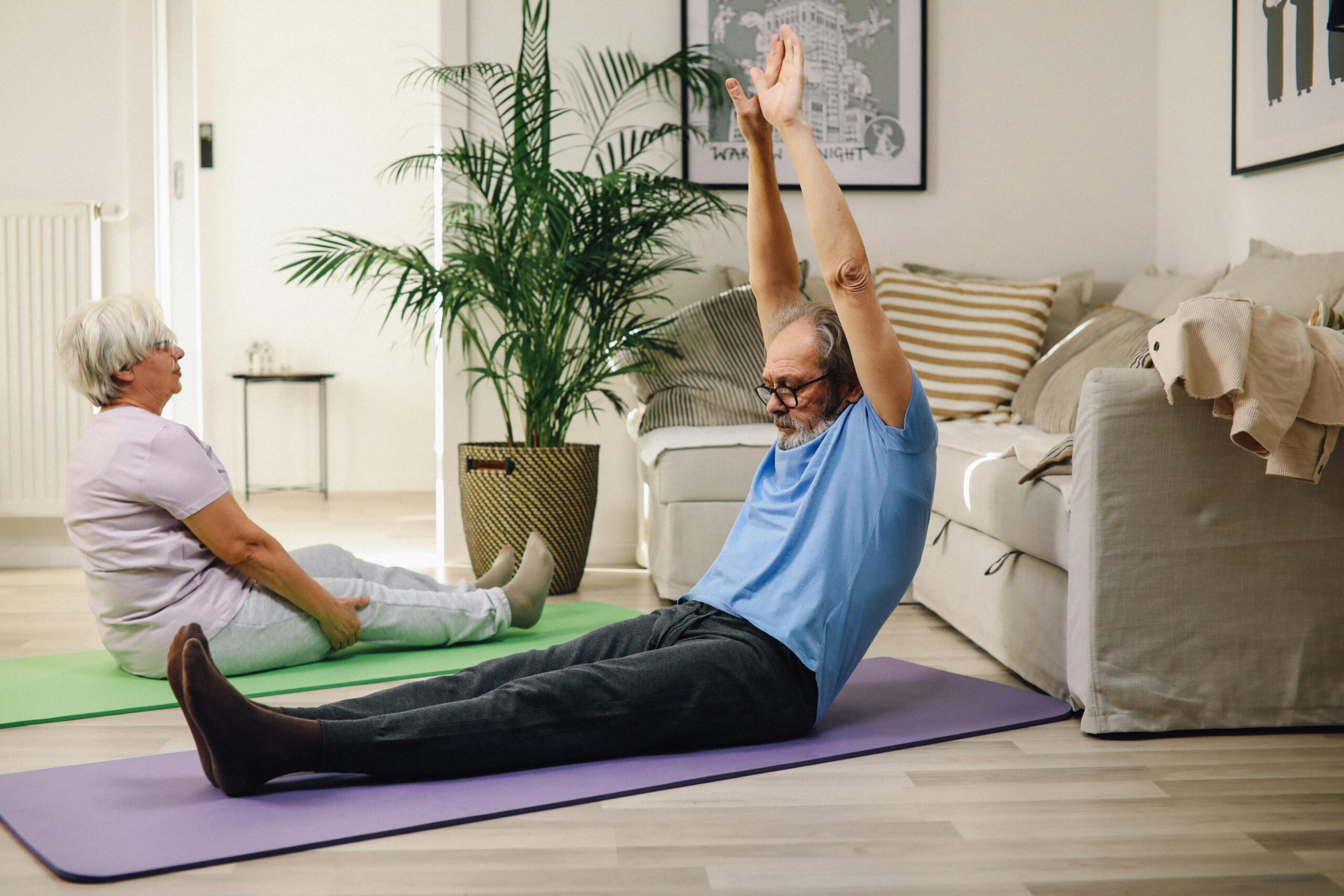
This may seem counterintuitive — moving painful joints feels like the last thing you want to do. But exercise is the single most evidence based natural treatment for osteoarthritis pain available. The research is clear and consistent — regular appropriate exercise reduces arthritis pain, improves joint function, builds the muscle that supports and protects joints, and maintains the range of motion that makes daily life easier.
The key is choosing the right type of exercise.
Best exercise types for arthritis:
Swimming and water exercise Water exercise is the gold standard for arthritis management — the buoyancy of water dramatically reduces the load on painful joints while allowing a full range of motion exercise. Aqua aerobics classes specifically designed for older adults are available at most Australian public pools and provide both exercise and social connection.
Walking Regular walking maintains joint mobility, builds leg muscle that supports the knees and hips, and provides cardiovascular benefits — all while being low enough impact for most people with osteoarthritis to manage comfortably. Start with whatever distance is comfortable and build gradually.
Cycling Stationary or outdoor cycling provides excellent cardiovascular exercise and leg strengthening with minimal joint impact. Particularly good for knee osteoarthritis — the circular motion lubricates the joint without the impact stress of walking.
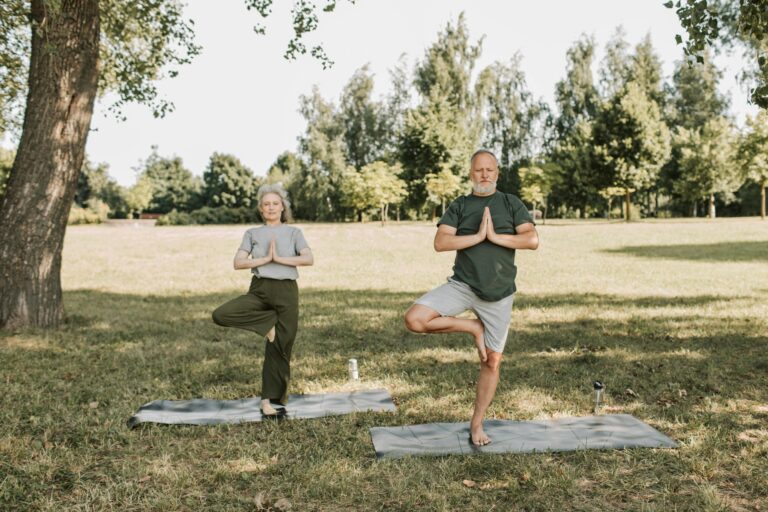
Tai Chi Multiple high quality studies have found tai chi to be highly effective for osteoarthritis pain — particularly knee osteoarthritis. The slow deliberate movements improve balance, flexibility, and joint proprioception while being gentle enough for older adults with significant joint pain. Classes are available at most community centres.
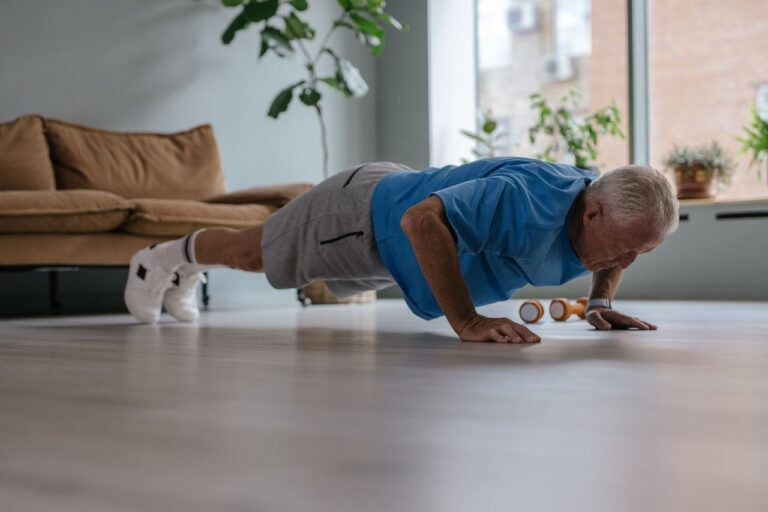
Resistance training Building muscle around arthritic joints is one of the most protective things you can do. Strong quadriceps muscles reduce the load on arthritic knees dramatically. A physiotherapist can design a safe resistance program appropriate for your specific joints and fitness level, or try these resistance bands specifically designed for seniors at home.
What to avoid: High impact activities — running, jumping, heavy contact sports — place excessive stress on arthritic joints and should generally be avoided or significantly modified.
2. Weight Management
Every kilogram of body weight places approximately four kilograms of force on your knees when walking. Losing even five kilograms reduces the load on each knee by twenty kilograms with every step — a dramatic reduction in pain for many people with knee osteoarthritis.
Weight loss is genuinely one of the most impactful interventions available for lower limb osteoarthritis. A combination of appropriate exercise and dietary modification is the most effective approach — speak with your GP about a structured weight management program if relevant to your situation.
3. Anti-Inflammatory Diet
Chronic inflammation drives arthritis pain — and diet has a significant effect on the body’s inflammatory state. An anti-inflammatory diet doesn’t require radical changes — it’s more about emphasising certain foods and reducing others.
Foods to emphasise:
Oily fish Salmon, sardines, mackerel, and tuna are rich in omega 3 fatty acids — some of the most potent natural anti-inflammatory compounds available. Aim for two to three serves per week. If you don’t eat fish regularly an omega 3 supplement is worth considering.
Colourful vegetables and fruits Rich in antioxidants and anti-inflammatory compounds. Berries, leafy greens, broccoli, capsicum, and sweet potato are particularly beneficial.
Extra virgin olive oil Contains oleocanthal — a compound with anti-inflammatory properties similar to ibuprofen. Use it as your primary cooking and dressing oil.
Turmeric Curcumin — the active compound in turmeric — has genuine anti-inflammatory properties supported by research. Add it to cooking or consider a supplement. Black pepper significantly increases curcumin absorption — combine them whenever possible.
Nuts and seeds Walnuts, almonds, flaxseeds, and chia seeds all contain anti-inflammatory compounds and healthy fats that support joint health.
Green tea Contains polyphenols with anti-inflammatory and antioxidant properties. A few cups daily is a simple addition with meaningful benefits.
Foods to reduce:
Ultra processed foods Packaged snacks, fast food, and commercial baked goods promote inflammation. Minimising these foods produces measurable reductions in inflammatory markers.
Sugar and refined carbohydrates White bread, white rice, sugary drinks, and sweets all promote inflammation. Replacing them with wholegrains, vegetables, and legumes reduces systemic inflammation.
Red and processed meat High consumption of red meat and particularly processed meats — sausages, bacon, deli meats — is associated with increased inflammation. Moderation and replacing some meals with fish, legumes, or poultry reduces inflammatory load.
Alcohol Alcohol promotes inflammation and disrupts sleep — both of which worsen arthritis pain. Moderation is the practical goal for most people.
4. Heat and Cold Therapy
Both heat and cold provide genuine arthritis pain relief — and knowing when to use each makes a significant difference.
Heat therapy Heat relaxes muscles, improves circulation, and reduces joint stiffness — particularly effective for the morning stiffness that many arthritis sufferers experience. A warm shower or bath, a heated wheat bag, or a warm towel applied to stiff joints before activity significantly improves mobility and reduces pain.
Cold therapy Cold reduces inflammation and numbs pain — particularly effective after activity or during a flare. An ice pack wrapped in a towel applied for 15 to 20 minutes reduces swelling and provides meaningful pain relief. Never apply ice directly to skin.
The general rule: Heat before activity to warm up stiff joints. Cold after activity or during inflammation flares to reduce swelling and pain.
5. Supplements With Evidence
The supplement market for arthritis is enormous and largely unreliable — most products have little or no evidence of effectiveness. These are the ones with genuine research support:
Omega 3 fatty acids Fish oil supplements providing EPA and DHA have consistent evidence for reducing joint pain and stiffness in both osteoarthritis and rheumatoid arthritis. Look for supplements providing at least 1000mg of combined EPA and DHA per day.
Glucosamine and Chondroitin The evidence for glucosamine and chondroitin is mixed but some high quality studies show modest benefits for knee osteoarthritis pain. They are generally safe and worth a trial of three months — if you notice no improvement after three months they’re unlikely to help you.
Turmeric — Curcumin As discussed in the diet section curcumin has genuine anti-inflammatory properties. Supplement forms provide much higher doses than food — look for formulations with enhanced bioavailability.
Vitamin D Low vitamin D is associated with increased arthritis pain and vitamin D deficiency is common in older Australians. A blood test can determine your levels and your GP can recommend appropriate supplementation.
Always speak with your GP or pharmacist before starting any supplement — some interact with medications and others are contraindicated in certain health conditions.
6. Physiotherapy
A physiotherapist who specialises in musculoskeletal conditions is one of the most valuable resources available for arthritis management. Physiotherapy provides:
- A personalised exercise program specifically designed for your joints and fitness level
- Manual therapy — hands on treatment that improves joint mobility and reduces pain
- Education about joint protection strategies for daily activities
- Hydrotherapy — supervised water exercise with a physiotherapist
- Taping and bracing advice
Medicare’s Chronic Disease Management plan provides up to five subsidised allied health visits per year — including physiotherapy — for people with chronic conditions including arthritis. Ask your GP about a Chronic Disease Management plan at your next visit.
7. Joint Protection Strategies
How you use your joints in daily life significantly affects arthritis pain levels. Simple joint protection strategies reduce the stress on arthritic joints throughout the day:
Spread the load Use larger stronger joints for tasks where possible — carry shopping bags over your forearms rather than gripping with fingers, push doors open with your shoulder rather than your hand.
Avoid sustained gripping Prolonged gripping and fine motor tasks increase hand and finger joint pain. Use adaptive equipment — jar openers, ergonomic utensils, and easy grip tools — to reduce joint stress during daily tasks. Our silicone jar opener in The Good Years Club shop is specifically designed for this purpose.
Pace yourself Alternating activity with rest prevents the accumulation of joint stress that causes pain flares. A simple 10 minutes on, 5 minutes rest pattern for physically demanding tasks makes a significant difference.
Modify your environment Raised toilet seats, our shower chair, grab rails, and non slip mats all reduce the demanding joint movements that cause pain — particularly getting up from low seats and navigating wet bathroom surfaces.
Maintain good posture Poor posture increases joint load throughout the body. The posture exercises in our recent guide are particularly beneficial for people with spinal arthritis.
8. Sleep and Stress Management
Pain and sleep have a bidirectional relationship — pain disrupts sleep and poor sleep amplifies pain. Breaking this cycle is important for arthritis management.
Sleep strategies for arthritis:
- Find a comfortable sleeping position — a pillow between the knees reduces hip and knee pain for side sleepers
- Apply heat to painful joints before bed to reduce overnight stiffness
- Address sleep apnoea if present — untreated sleep apnoea significantly amplifies pain perception
- Maintain consistent sleep and wake times
Stress management: Psychological stress amplifies pain perception through a well understood neurological mechanism. Regular relaxation practices — mindfulness, gentle yoga, tai chi, or simply regular time doing things you enjoy — reduce the stress response that amplifies arthritis pain.
9. Assistive Devices and Aids
The right assistive devices can dramatically reduce joint stress and pain during daily activities:
- Walking aids — walking poles, canes, and rollator walkers reduce the load on arthritic knees and hips during walking
- Orthotic insoles — custom or over the counter insoles redistribute joint load and reduce knee and hip pain
- Splints and braces — provide support and reduce pain during activity for hand, wrist, and knee arthritis
- Ergonomic tools — specially designed kitchen utensils, pens, and tools that reduce grip requirements
When Natural Approaches Aren’t Enough
Natural approaches are highly effective for managing mild to moderate arthritis pain — but they don’t work for everyone and some people need additional medical management.
Speak with your GP if:
- Pain is significantly affecting your quality of life or ability to perform daily activities
- Natural approaches have been tried consistently for several months without adequate relief
- You experience significant joint swelling, warmth, or redness
- You suspect your arthritis may be inflammatory rather than degenerative
Medical options including anti-inflammatory medications, corticosteroid injections, and joint replacement surgery are highly effective when natural approaches are insufficient — and should not be avoided out of a preference for natural management when they’re genuinely needed.
The Bottom Line
Arthritis pain is not something you simply have to accept. The combination of appropriate exercise, anti-inflammatory diet, weight management, heat and cold therapy, targeted supplementation, and physiotherapy provides meaningful pain relief and improved joint function for most people with osteoarthritis.
Start with one change — add a water exercise class this week, increase your oily fish intake, apply heat to stiff joints each morning. Small consistent steps compound into significant improvements in pain and quality of life over time.