
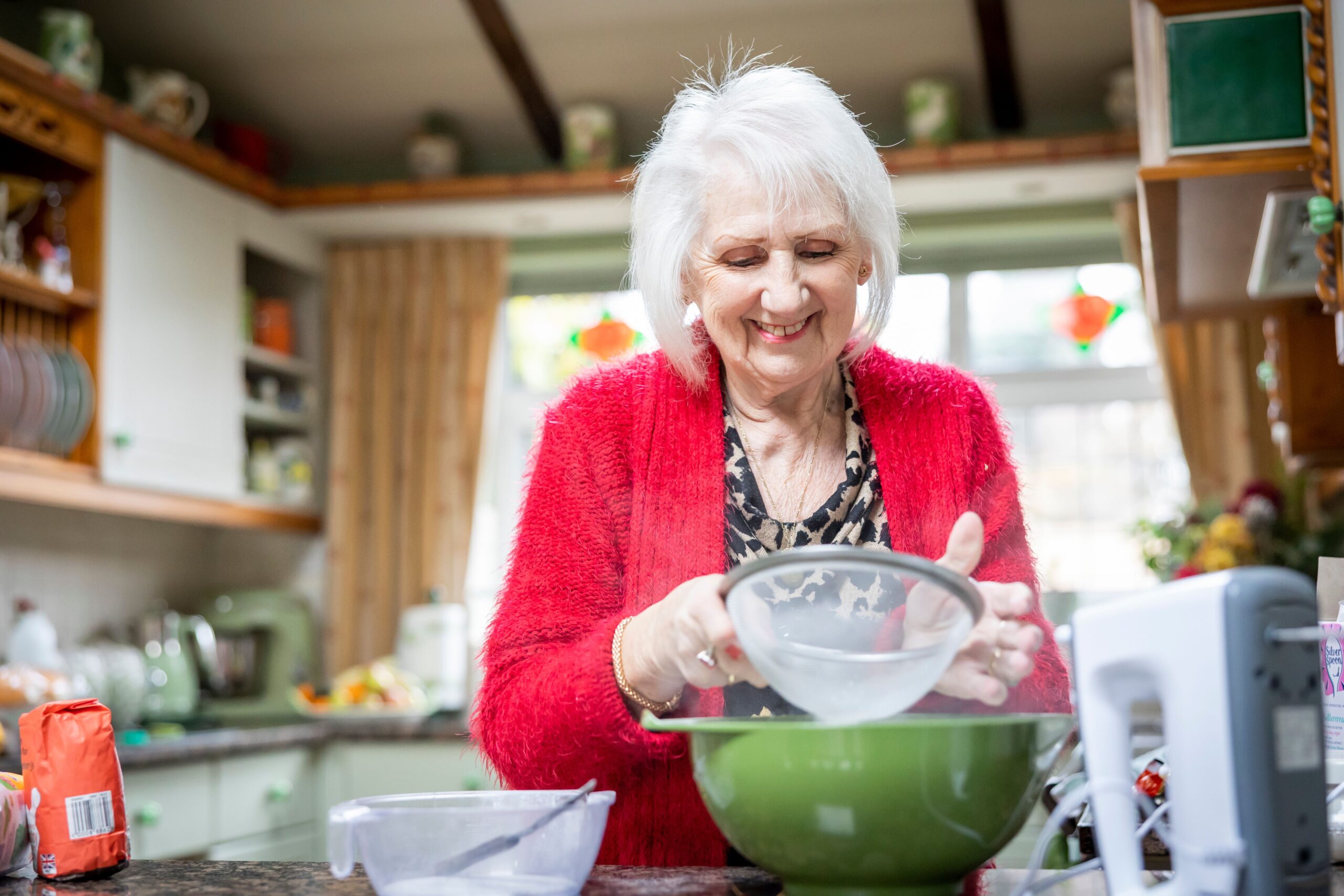
The 10 Best Kitchen Gadgets for Seniors: Make Cooking Easier and Safer
Cooking should be something you enjoy, not something you dread because your hands hurt, your back aches or the kitchen equipment feels increasingly difficult to use.
Perhaps opening a jar has become a struggle. Maybe lifting a heavy saucepan is uncomfortable, or standing at the kitchen bench for half an hour leaves you exhausted.
These are everyday challenges many older Australians experience, particularly when arthritis, reduced grip strength or mobility difficulties begin affecting daily activities.
But needing a little extra help in the kitchen doesn’t mean you have to give up preparing your own meals.
The right kitchen gadgets can reduce unnecessary effort, make cooking more comfortable and help you maintain independence at home.
And you don’t need to spend hundreds of dollars or fill your cupboards with complicated appliances.
Sometimes a $10 jar gripper makes more difference than an expensive machine.
Here are ten kitchen gadgets worth considering, what to look for before buying and how to choose equipment that genuinely makes life easier.
Why Kitchen Gadgets Can Make a Difference After 60
There’s no particular birthday when ordinary kitchen equipment suddenly becomes difficult to use.
However, changes in strength, joint mobility, eyesight and endurance can affect how comfortable certain tasks feel.
Arthritis and Hand Pain
Arthritis can make gripping, twisting and squeezing uncomfortable.
Tasks such as opening jars, using manual can openers or holding narrow utensils may become more difficult.
Equipment with larger handles or powered mechanisms can reduce some of that strain.
If joint pain affects other areas of your life, our practical guide to managing arthritis pain after 60 explores additional ways to manage symptoms.
Reduced Grip Strength
Lifting a heavy kettle or gripping a saucepan handle may become harder when hand strength declines.
Lighter equipment, stable handles and appliances that minimise lifting can help.
Fatigue and Reduced Standing Tolerance
Some people find preparing a meal more tiring than it used to be.
Kitchen tools that reduce chopping, stirring and preparation time may help conserve energy.
Cooking for One or Two
If your household has become smaller, you might not need the large appliances you used when cooking for a family.
Compact equipment can make preparing smaller meals more practical.
Maintaining Independence
Preparing your own food can be an important part of living independently.
The goal isn’t to replace every kitchen task with a machine.
It’s to make the tasks you enjoy easier and reduce the ones that have become unnecessarily difficult.
1. Air Fryer
Best for: Preparing smaller meals without regularly using a large oven.
Air fryers have become popular in Australian kitchens because they’re convenient, versatile and often relatively quick to use.
They cook food by circulating hot air around it.
For someone preparing meals for one or two people, a compact air fryer may be easier to use than heating a full-sized oven.
Why It Can Be Useful
An air fryer may help you:
- Prepare smaller portions.
- Cook vegetables, fish, chicken and other everyday foods.
- Reheat suitable leftovers.
- Avoid repeatedly bending down to a low oven.
- Reduce the amount of added oil needed for some recipes.
- Simplify meal preparation.
What to Look For
Choose an air fryer with:
- Large, easy-to-read controls.
- A basket that’s comfortable to lift.
- A handle that’s easy to grip.
- Enough capacity for your usual meals.
- Removable parts that are straightforward to clean.
- Clear operating instructions.
A smaller air fryer isn’t always better. If the basket is too small, you may need to cook food in several batches.
What to Watch Out For
Air fryer baskets and cooked food can become very hot.
Place the appliance on a stable, heat-resistant surface with adequate ventilation.
Avoid lifting a heavy basket with one hand if you have reduced grip strength.
Also, an air fryer isn’t automatically healthier than every other cooking method. The nutritional value of a meal still depends on the ingredients and how they’re prepared.
Our verdict: A useful everyday appliance for people who enjoy simple meals and want an alternative to using a large oven.
2. Slow Cooker
Best for: Preparing soups, stews and other meals with less active cooking time.
A slow cooker is one of the most practical appliances for people who enjoy home-cooked meals but don’t want to spend a long time standing at the stove.
Once the ingredients are prepared, the appliance cooks them slowly over several hours.
Why It Can Be Useful
Slow cookers are particularly helpful for:
- Soups and stews.
- Casseroles.
- Curries.
- Braised meats.
- Bean and lentil dishes.
- Preparing several portions at once.
You can often prepare a meal earlier in the day and have it ready by dinner.
What to Look For
Consider:
- A capacity suitable for your household.
- Simple, clearly labelled controls.
- A stable base.
- A removable cooking insert.
- Handles that are comfortable to grip.
- A keep-warm function with clear instructions.
- An insert that isn’t too heavy to lift safely.
What to Watch Out For
Some ceramic slow cooker inserts are surprisingly heavy, particularly when filled with food.
If lifting is difficult, look for a manageable size and avoid carrying a full hot insert.
Follow the manufacturer’s food safety instructions, including guidance on cooking temperatures, suitable ingredients and refrigeration of leftovers.
Don’t assume every frozen ingredient can be safely placed directly into a slow cooker.
Our verdict: Excellent for people who want nutritious home-cooked meals with less time spent actively cooking.
3. Electric Can Opener
Best for: People who struggle with manual can openers because of arthritis or reduced hand strength.
Traditional can openers often require a firm grip and repeated wrist movement.
That can be uncomfortable for people with painful finger joints or reduced dexterity.
An electric can opener can make the task easier.
Why It Can Be Useful
Depending on the model, an electric can opener may:
- Reduce repeated twisting.
- Require less hand strength.
- Make opening tins quicker.
- Help people with limited wrist movement.
- Reduce frustration with difficult lids.
What to Look For
Look for:
- Easy-to-operate controls.
- A mechanism that holds the tin securely.
- Clear instructions.
- A design that’s easy to clean.
- Compatibility with the tin sizes you regularly use.
- A safe method for removing the lid.
What to Watch Out For
Not every electric can opener produces a smooth edge.
Some models still leave sharp metal, and certain tins may be difficult to open.
A person with significant hand weakness may also struggle to position the appliance or remove the lid.
If possible, try the opener before buying or watch a demonstration of the exact model.
Our verdict: One of the most worthwhile gadgets for people who regularly use canned foods and find manual openers painful.
4. Electric Jar Opener
Best for: People who find twisting jar lids difficult or painful.
Opening a tightly sealed jar can be frustrating even when your hands are healthy.
For someone with arthritis, the combination of gripping and twisting can make it particularly difficult.
An electric jar opener uses a powered mechanism to help loosen the lid.
Why It Can Be Useful
It may help with:
- Pasta sauce jars.
- Jam jars.
- Pickles.
- Condiments.
- Other suitable screw-top containers.
It can reduce the amount of twisting force needed from the user.
What to Look For
Check:
- The range of lid sizes it supports.
- Whether it works with different jar shapes.
- How easy it is to position.
- Whether the controls are accessible.
- Battery requirements.
- How securely it holds the jar.
What to Watch Out For
Electric jar openers don’t work with every jar or lid.
Some still require the user to stabilise the container.
Others may be bulky or awkward to position.
If you only occasionally struggle with lids, a simple jar gripper may be a better first purchase.
Our verdict: Particularly useful for people with significant difficulty twisting lids, but not necessarily essential for everyone.
5. Kettle Tipper or Lightweight Electric Kettle
Best for: People who find lifting and pouring a full kettle difficult.
A kettle filled with boiling water can be heavy.
For someone with reduced grip strength, tremors or limited wrist movement, pouring safely may become challenging.
A kettle tipper is a support frame designed to hold a compatible kettle and allow it to be tilted without lifting the entire appliance.
Why It Can Be Useful
A suitable kettle tipper may:
- Reduce the need to lift a full kettle.
- Make pouring more controlled.
- Help people with reduced hand or wrist strength.
- Support greater independence when preparing hot drinks.
What to Look For
Check that the product:
- Is compatible with the exact kettle.
- Has a stable base.
- Allows controlled pouring.
- Fits securely on the kitchen bench.
- Can be operated comfortably.
- Meets the manufacturer’s safety requirements.
Another Option: A Smaller Kettle
For some people, a lightweight kettle filled only with the water needed for one or two drinks may be more practical.
A suitable hot-water dispenser may also be worth discussing with an occupational therapist.
What to Watch Out For
A kettle tipper doesn’t eliminate scalding risk.
Boiling water can still spill if the equipment is unstable, incompatible or incorrectly used.
Never assume a universal tipper will fit every kettle.
Our verdict: Worth considering when lifting hot water has become a genuine difficulty. Professional advice can help identify the safest arrangement.
6. Compact Food Processor
Best for: Reducing repetitive chopping, grating and mixing.
Preparing vegetables can be one of the most time-consuming parts of cooking.
Peeling, slicing and chopping may also aggravate hand pain or fatigue.
A compact food processor can handle some of these tasks.
Why It Can Be Useful
Depending on the model, it may help prepare:
- Chopped onions.
- Grated vegetables.
- Soups and sauces.
- Dips.
- Breadcrumbs.
- Finely chopped ingredients for casseroles.
What to Look For
Choose a model with:
- Simple controls.
- A manageable bowl size.
- A stable base.
- Components that are easy to assemble.
- Parts that can be cleaned safely.
- A lid-locking safety mechanism.
- Clear instructions for handling the blades.
What to Watch Out For
Food processor blades are extremely sharp.
Cleaning and assembling the machine may be difficult for someone with reduced hand coordination.
Some models also require considerable force to lock the lid or bowl into position.
A small manual chopper isn’t necessarily easier, particularly if it requires repeated pulling or pressing.
Our verdict: A useful time-saving appliance for regular cooks, provided the blades and components can be handled safely.
7. Electric Salt and Pepper Grinder
Best for: People who find repetitive twisting uncomfortable.
Traditional salt and pepper grinders require repeated wrist and finger movements.
For someone with arthritis affecting the hands, an electric grinder may make seasoning food easier.
Why It Can Be Useful
Some models offer:
- Push-button operation.
- Reduced twisting.
- Adjustable grinding settings.
- Large buttons.
- One-handed operation.
What to Look For
Consider:
- Overall weight.
- Button size and placement.
- How easily it can be refilled.
- Battery requirements.
- Whether the grinding mechanism is easy to clean.
- Whether the appliance can be operated with limited hand strength.
What to Watch Out For
Electric grinders can be heavier than ordinary shakers.
Some have awkward battery compartments or small refill openings.
If you only need a little seasoning, a lightweight shaker may be simpler and cheaper.
Our verdict: A convenient optional extra, especially for people who find twisting motions painful.
8. Lightweight Frying Pan With an Easy-Grip Handle
Best for: People who struggle to lift or manoeuvre heavy cookware.
Cast iron and some stainless steel frying pans can be heavy even before food is added.
A lighter pan with a comfortable handle may be easier to manage.
Why It Can Be Useful
The right frying pan can:
- Reduce the weight you need to lift.
- Make moving food easier.
- Improve comfort when gripping the handle.
- Simplify cleaning.
- Reduce the need for forceful scrubbing.
What to Look For
Choose a pan with:
- A manageable weight.
- A stable, comfortable handle.
- An appropriate size.
- A flat, stable base.
- Compatibility with your cooktop.
- A surface that’s easy to maintain.
What to Watch Out For
Lightweight cookware isn’t automatically safer.
A very light pan may be less stable on certain cooktops.
Non-stick coatings also require appropriate care. Follow the manufacturer’s instructions, avoid overheating empty pans and replace damaged cookware when necessary.
If lifting a hot pan is difficult, consider transferring food using utensils rather than carrying the pan.
Our verdict: A practical upgrade that can make everyday cooking more comfortable without adding another electrical appliance.
9. Large-Handle Mugs
Best for: People who find narrow mug handles uncomfortable or difficult to grip.
Sometimes the simplest changes make the biggest difference.
A mug with a larger handle may be easier to hold for someone with painful finger joints or reduced dexterity.
Why It Can Be Useful
A suitable mug may:
- Allow a more comfortable grip.
- Reduce the need to pinch with the fingertips.
- Make holding a hot drink easier.
- Feel more secure than a small-handled cup.
What to Look For
Consider:
- A handle that fits your hand comfortably.
- A manageable weight when full.
- A stable base.
- A suitable capacity.
- An easy-to-clean design.
What to Watch Out For
A very large mug can become heavy when filled.
A bigger handle isn’t automatically better if the mug itself is bulky or awkward.
If someone experiences significant tremors or spilling, an occupational therapist may recommend a more specialised drinking aid.
Our verdict: An inexpensive everyday improvement for people who find ordinary mugs uncomfortable.
10. Non-Slip Jar Gripper Mats
Best for: Anyone who occasionally struggles to open jars or bottles.
Of all the products in this guide, a simple jar gripper mat may offer some of the best value.
These textured mats help improve friction between your hand and a smooth lid.
They’re inexpensive, compact and require no batteries.
Why It Can Be Useful
A jar gripper may help with:
- Screw-top jars.
- Some bottle caps.
- Containers with smooth lids.
- Reducing slipping when gripping certain objects.
What to Look For
Choose a mat that:
- Has a textured, non-slip surface.
- Is flexible enough to wrap around a lid.
- Is comfortable to hold.
- Can be washed easily.
- Stores flat in a drawer.
What to Watch Out For
A jar gripper improves traction, but it doesn’t remove the need to apply twisting force.
If twisting is painful, a lever-style or powered jar opener may be more suitable.
Don’t force a stubborn lid if doing so causes pain.
Our verdict: An excellent low-cost first purchase for mild grip difficulties.
Which Kitchen Gadgets Are Actually Worth Buying?
Not everyone needs ten new kitchen gadgets.
In fact, buying too many appliances can create more clutter and make the kitchen harder to use.
A better approach is to identify the task that’s causing the most difficulty and choose a product that addresses it.
| Your main difficulty | Gadget worth considering |
|---|---|
| Opening jars | Jar gripper or electric jar opener |
| Opening tins | Electric can opener |
| Lifting boiling water | Compatible kettle tipper or lightweight kettle |
| Standing for long cooking sessions | Slow cooker and suitable seated preparation setup |
| Chopping vegetables | Compact food processor |
| Lifting heavy cookware | Lightweight frying pan |
| Twisting seasoning grinders | Electric grinder or easy-use shaker |
| Holding hot drinks | Lightweight, large-handle mug |
| Cooking small meals | Compact air fryer |
| Preparing meals ahead | Slow cooker |
Start with the problem, not the product.
If a gadget doesn’t solve something you genuinely struggle with, you probably don’t need it.
Kitchen Gadgets for Seniors With Arthritis
If arthritis affects your hands, wrists or other joints, it’s worth paying particular attention to how kitchen equipment is designed.
A product described as ergonomic isn’t automatically comfortable for everyone.
Look for Larger Handles
Narrow handles can require more forceful gripping.
Larger, comfortable handles may distribute pressure more evenly across the hand.
Reduce Repetitive Twisting
Powered can openers, jar openers and other adapted tools can reduce some of the movements that aggravate painful joints.
Avoid Unnecessary Weight
Choose cookware and appliances you can comfortably lift, move and clean.
Remember to consider the weight when the item is full, not just when it’s empty.
Keep Frequently Used Equipment Accessible
Store everyday items between approximately waist and shoulder height where practical.
This can reduce unnecessary bending and reaching.
Break Up Long Tasks
Instead of preparing an entire meal in one long session, consider chopping vegetables earlier or preparing ingredients in stages.
Our article on managing arthritis pain after 60 covers additional strategies for living comfortably with joint problems.
If arthritis is significantly affecting your daily activities, an occupational therapist can recommend individualised equipment and techniques.
Seven Ways to Make Your Kitchen Safer
Gadgets are only part of the picture.
The layout of your kitchen and the way you organise everyday tasks can make just as much difference.
1. Keep Everyday Items Within Easy Reach
Place regularly used plates, cups, utensils and ingredients in accessible cupboards and drawers.
Avoid climbing onto chairs or stools to reach high shelves.
2. Improve Kitchen Lighting
Make sure the benchtop, sink and cooktop are well lit.
Good lighting can make it easier to read labels, identify ingredients and use utensils safely.
3. Keep Floors Clear
Remove unnecessary clutter, loose cords and trip hazards.
Be cautious with loose kitchen mats, which may slide or curl at the edges.
Clean spills promptly.
4. Use a Stable Preparation Surface
Make sure chopping boards and appliances sit securely on the bench.
A suitable non-slip mat beneath a chopping board may help prevent movement during food preparation.
5. Avoid Carrying Heavy Hot Pots
Where possible, serve food directly from the cooktop using appropriate utensils.
Don’t carry a large saucepan of boiling water if you have difficulty lifting or maintaining balance.
6. Consider Seated Meal Preparation
If standing for long periods is tiring, some preparation tasks may be easier while seated.
However, an ordinary high stool may be unstable or unsuitable.
An occupational therapist can advise on a safe seating arrangement and suitable bench height.
7. Keep Fire Safety in Mind
Never leave cooking unattended when the appliance or cooking method requires supervision.
Keep tea towels, packaging and other flammable materials away from hot surfaces.
Ensure smoke alarms are working and that you know what to do if a kitchen fire occurs.
If you’re experiencing memory difficulties, dizziness or reduced mobility, it may be worth reviewing cooking arrangements with a healthcare professional.
Can My Aged Care Help Pay for Kitchen Equipment?
Some older Australians may be eligible for assistance with appropriate equipment through government-funded aged care services.
The Support at Home program includes arrangements for eligible assistive technology and home modifications.
However, this doesn’t mean every kitchen appliance is covered.
An ordinary air fryer or slow cooker purchased for convenience shouldn’t be assumed to qualify for funding.
Eligibility depends on the person’s assessed needs, the equipment involved and the relevant program requirements.
How to Find Out
Contact My Aged Care on 1800 200 422.
Explain which daily activities have become difficult and ask whether an assessment for assistive technology or occupational therapy support would be appropriate.
An occupational therapist may recommend specialised kitchen aids that are better suited to your circumstances than general consumer gadgets.
Cooking for One or Two: Keeping Meals Simple and Nutritious
The right kitchen gadgets should make it easier to prepare meals you actually want to eat.
An air fryer or slow cooker can be particularly useful when you’re cooking for a smaller household.
But convenience shouldn’t come at the expense of nutrition.
Try to include a variety of foods such as:
- Vegetables and fruit.
- Wholegrain breads, rice and cereals.
- Beans and lentils.
- Fish, eggs, lean meat or other protein sources.
- Milk, yoghurt, cheese or suitable alternatives.
- Nuts, seeds and healthy fats.
The right balance depends on your health, appetite and dietary needs.
If you’re looking for practical nutrition ideas, our guide to the top 10 foods for healthy ageing after 60 is a useful place to start.
Make Cooking Easier Without Giving Up Variety
A few ideas include:
Air fryer dinner: Fish with roasted vegetables and a side of rice or potatoes.
Slow cooker meal: Chicken and vegetable casserole with beans or lentils.
Quick lunch: An omelette with vegetables and wholegrain toast.
Batch-cooked soup: Vegetable and lentil soup divided into smaller portions for later meals.
Remember to refrigerate or freeze leftovers promptly and reheat them thoroughly according to Australian food safety guidance.
When Should You Speak to an Occupational Therapist?
An occupational therapist helps people find safer and easier ways to manage everyday activities.
They may be particularly helpful if you:
- Regularly drop kitchen utensils.
- Have difficulty lifting pots or kettles.
- Experience significant pain while preparing meals.
- Struggle to stand long enough to cook.
- Have reduced hand coordination.
- Feel unsteady moving around the kitchen.
- Have recently returned home from hospital.
- Are beginning to avoid cooking because it feels unsafe.
An occupational therapist can assess your abilities, kitchen layout and equipment needs.
Sometimes a simple adapted utensil is enough.
Other times, changing the kitchen setup may be more useful than buying additional gadgets.
Frequently Asked Questions
What Are the Best Kitchen Gadgets for Seniors?
The best gadgets depend on the tasks someone finds difficult.
Electric can openers, jar grippers, lightweight cookware, kettle tippers and compact food processors can all be useful.
Start by identifying the problem you want to solve.
What Kitchen Tools Are Best for Arthritis?
Tools with comfortable, larger handles and reduced gripping or twisting requirements may help.
Electric can openers, adapted jar openers and lightweight cookware are common examples.
An occupational therapist can recommend equipment suited to the joints affected.
Are Air Fryers Good for Older People?
Air fryers can be convenient for preparing smaller meals.
However, the basket, controls, weight and cleaning requirements should suit the person using them.
Hot surfaces and food still require careful handling.
Is a Slow Cooker Safe to Leave Cooking?
Slow cookers are designed for extended cooking when used correctly.
Follow the manufacturer’s instructions, place the appliance on a suitable surface and observe food safety guidance.
Don’t assume every ingredient or recipe is appropriate for unattended slow cooking.
What Is the Best Way to Open Jars With Weak Hands?
A jar gripper may help if you need additional traction.
If twisting remains painful or difficult, a lever-style or electric jar opener may be more suitable.
Can Seniors Get Government Funding for Kitchen Aids?
Some specialised assistive technology may be available through relevant government-funded support arrangements for eligible people.
Ordinary consumer appliances aren’t automatically covered.
Contact My Aged Care for information about assessments and eligibility.
Are Expensive Kitchen Gadgets Worth It?
Not necessarily.
A low-cost jar gripper or comfortable mug may be more useful than an expensive appliance if it solves a specific everyday problem.
Consider comfort, safety, ease of cleaning and frequency of use before buying.
Helpful Australian Resources
Information about aged care assessments, support at home and relevant assistive technology arrangements.
Information about managing arthritis, joint protection and everyday activities.
Reliable health information about arthritis, healthy ageing and managing health conditions.
Information and advice about assistive technology and equipment that supports independence.
Food Standards Australia New Zealand
Food safety information for storing, preparing and handling food.
Final Thoughts: Make Cooking Easier, Not More Complicated
The best kitchen gadgets aren’t necessarily the newest, most expensive or most technologically advanced.
They’re the ones that make everyday life a little easier.
For one person, that might mean an electric can opener that reduces hand pain.
For someone else, it could be a lighter frying pan, a slow cooker or a simple jar gripper.
The important thing is choosing equipment that suits your abilities, your kitchen and the meals you enjoy preparing.
You don’t need to replace everything at once.
Start with one task that’s become difficult, find a practical solution and see whether it makes a difference.
Cooking should remain a source of enjoyment and independence, not unnecessary pain or frustration.
With a few thoughtful changes, the kitchen can continue to be a comfortable and welcoming part of home life for years to come.
For more practical advice about staying healthy, active and independent after 60, explore The Good Years Club.