How to Manage Type 2 Diabetes in Retirement — A Complete Guide for Australians Over 60
Type 2 diabetes is one of the most common chronic health conditions affecting Australians over 60 — and retirement changes almost everything about how you manage it. The structure, routine, and physical activity patterns of working life disappear overnight. Meal timing shifts. Stress levels change. And suddenly you have both more time and more freedom to either dramatically improve your diabetes management — or let it slide. Here’s everything you need to know about managing type 2 diabetes well in retirement.
Why Retirement Changes Diabetes Management
The transition from work to retirement affects diabetes management in ways most people don’t anticipate.
The positives:
- More time for exercise — one of the most powerful diabetes management tools available
- More time to cook proper meals rather than relying on convenience food
- Less work related stress — chronic stress significantly raises blood glucose levels
- More time for regular medical appointments and self monitoring
- More flexibility to manage your day around your diabetes rather than fitting diabetes management around work
The challenges:
- Loss of the physical activity that came naturally with a working routine
- Changed meal timing and eating patterns
- Increased opportunities for sedentary behaviour
- Social eating and drinking at retirement events and social gatherings
- Potential changes to medication needs as activity levels and weight change
Understanding both sides of this transition allows you to maximise the positives and manage the challenges effectively.
Understanding Type 2 Diabetes After 60
Type 2 diabetes occurs when the body either doesn’t produce enough insulin or doesn’t use it effectively — resulting in elevated blood glucose levels that over time damage blood vessels and nerves throughout the body.
The consequences of poorly managed diabetes are serious — increased risk of heart disease and stroke, kidney damage, vision loss, nerve damage, and foot complications. But the consequences of well managed diabetes are dramatically better — many people with type 2 diabetes live long healthy active lives with minimal complications when their blood glucose is well controlled.
The goal of diabetes management is not just controlling blood glucose numbers — it’s living a full, active, and enjoyable retirement life with diabetes as a manageable background condition rather than a dominant one.
The Foundation — Lifestyle Management
Exercise — the most powerful tool available
Physical activity is the single most effective lifestyle intervention for type 2 diabetes management. Exercise improves insulin sensitivity — meaning your body uses insulin more effectively — and directly lowers blood glucose levels during and after activity.
The good news for retirees is that you now have time to exercise properly — consistently and without the scheduling constraints of working life.
Best exercise types for type 2 diabetes:
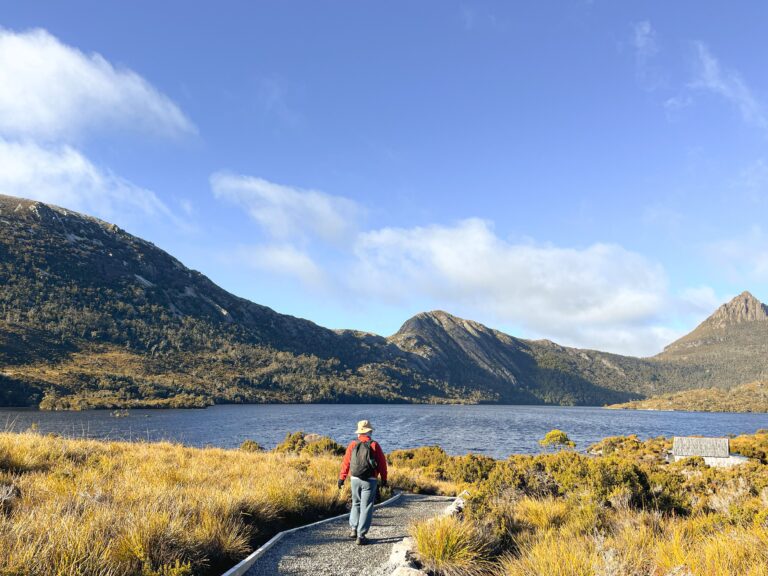
Walking is the most accessible and consistently beneficial exercise for people with diabetes. A 30 minute walk after meals has been shown to significantly reduce post meal blood glucose spikes — one of the most damaging aspects of diabetes progression. Aim for at least 30 minutes of moderate walking most days.
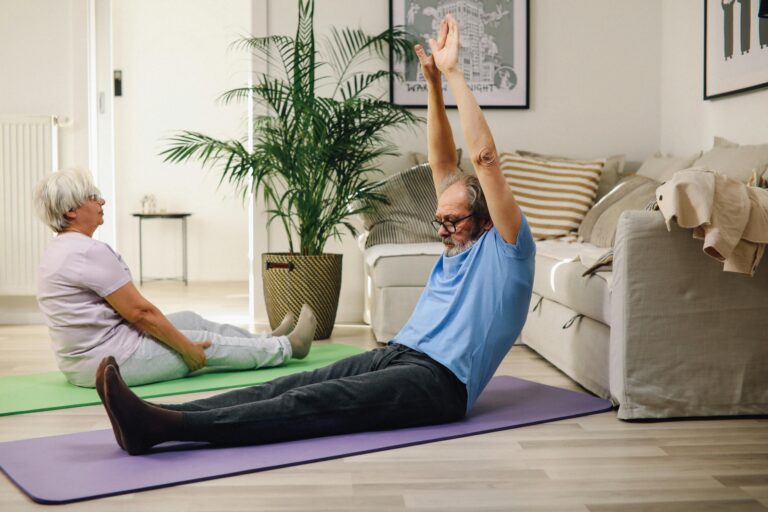
Resistance training — using resistance bands, weights, or bodyweight exercises — builds muscle mass that acts as a glucose sink, dramatically improving blood glucose control. Aim for two resistance training sessions per week targeting all major muscle groups.
Swimming and water exercise provide excellent cardiovascular and resistance benefits with minimal joint stress — ideal for people with diabetes related complications including peripheral neuropathy or joint problems.
Important: Exercise affects blood glucose levels significantly. If you take insulin or certain diabetes medications monitor your blood glucose before and after exercise and speak with your diabetes care team about adjusting medications around physical activity.
Nutrition — Eating Well With Diabetes in Retirement
Diet is fundamental to diabetes management — and retirement gives you the time to eat well in a way that work schedules often made difficult.
The key principles:
Manage carbohydrates thoughtfully Carbohydrates raise blood glucose more than any other macronutrient. This doesn’t mean eliminating carbohydrates — it means choosing the right ones and managing portions.
Choose low glycaemic index carbohydrates that release glucose slowly — wholegrains, legumes, most vegetables, and most fruits. Minimise high glycaemic index foods that spike blood glucose rapidly — white bread, white rice, sugary drinks, processed snacks, and most breakfast cereals.
Eat regularly Consistent meal timing helps maintain stable blood glucose levels. Skipping meals — particularly breakfast — creates blood glucose fluctuations that are difficult to manage. Three regular meals with small healthy snacks if needed provides the most stable glucose profile for most people.
Prioritise protein Protein has minimal effect on blood glucose and provides sustained energy and satiety. Including a quality protein source at every meal — eggs, fish, chicken, legumes, dairy, or lean meat — reduces post meal glucose spikes and keeps you fuller for longer.
Fill half your plate with vegetables Non starchy vegetables — leafy greens, broccoli, cauliflower, capsicum, cucumber, tomatoes, and most others — have minimal effect on blood glucose and provide fibre, vitamins, and antioxidants that support overall health and diabetes management.
Limit alcohol Alcohol affects blood glucose in complex ways — it can cause both hypoglycaemia and hyperglycaemia depending on timing, amount, and food intake. If you drink alcohol do so in moderation, always eat when drinking, monitor your blood glucose carefully, and be aware that alcohol can mask the symptoms of hypoglycaemia.
Stay hydrated Dehydration raises blood glucose concentration. Drink adequate water throughout the day — six to eight glasses minimum — and be particularly careful about hydration in Queensland’s warm climate.
Blood Glucose Monitoring
Regular blood glucose monitoring gives you real time feedback on how your lifestyle choices affect your diabetes — allowing you to make informed adjustments to diet, exercise, and medication.
How often to monitor: The frequency of monitoring depends on your medication regime and how well controlled your diabetes is. Speak with your GP or diabetes educator about the monitoring schedule appropriate for your situation.
What to monitor:
- Fasting blood glucose — first thing in the morning before eating
- Post meal blood glucose — two hours after meals
- Before and after exercise — particularly important if you take insulin
Target ranges for Australians with type 2 diabetes:
- Fasting — 4 to 7 mmol/L
- Two hours after meals — 5 to 10 mmol/L
Consistently high readings warrant a conversation with your GP about medication adjustment or lifestyle changes. Consistently low readings — hypoglycaemia — require immediate attention.
Continuous glucose monitors Continuous glucose monitoring devices — worn on the arm and providing real time glucose readings without finger pricks — are increasingly available and affordable. They provide extraordinary insight into glucose patterns and are worth discussing with your diabetes care team.
Medications in Retirement
Many people with type 2 diabetes take one or more medications to manage blood glucose. Retirement often brings changes that affect medication needs.
Increased physical activity in retirement commonly improves insulin sensitivity — meaning the same dose of medication may now cause hypoglycaemia that wasn’t a problem during more sedentary working life. Monitor carefully and speak with your GP if you significantly increase your activity levels.
Weight loss — if you lose weight in retirement through improved diet and exercise — also improves insulin sensitivity and may reduce medication requirements.
Metformin — the most commonly prescribed diabetes medication — is generally well tolerated and continues to be appropriate for most people with type 2 diabetes in retirement.
Never adjust or stop diabetes medications without speaking with your GP first. Medication changes should always be made under medical supervision.
Regular Health Checks — The Diabetes Care Calendar
Well managed diabetes requires regular monitoring of the complications that can develop over time. The following checks are recommended annually or more frequently as advised by your GP:
HbA1c blood test Measures average blood glucose control over the previous three months. Aim for below 53 mmol/mol — or below 7 percent — for most people with type 2 diabetes.
Blood pressure High blood pressure dramatically increases the cardiovascular risk associated with diabetes. Aim for below 130/80 mmHg.
Cholesterol and lipids Diabetes increases cardiovascular risk — managing cholesterol effectively is particularly important.
Kidney function Diabetes can damage the kidneys over time. Annual urine and blood tests monitor kidney function.
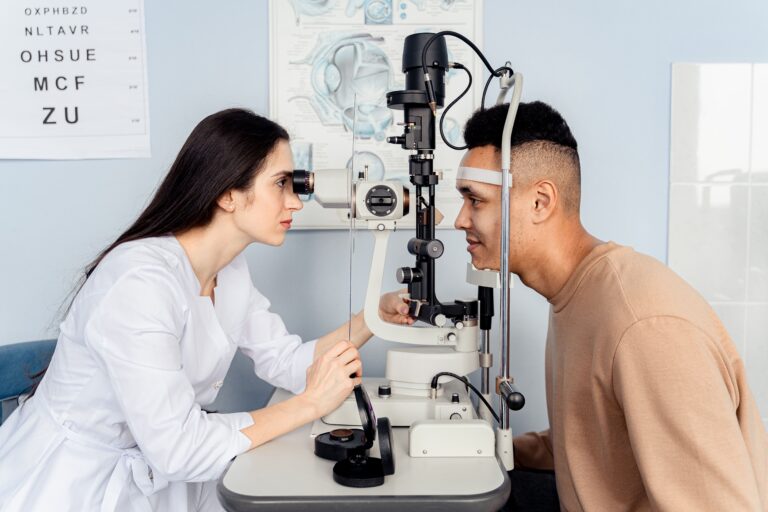
Eye examination Diabetic retinopathy — damage to the blood vessels in the retina — is a serious complication of poorly controlled diabetes. Annual retinal examinations are essential.
Foot examination Diabetes affects circulation and nerve function in the feet — increasing the risk of ulcers and infections that can become serious. Annual foot examinations by your GP or podiatrist are recommended. Check your own feet daily for cuts, blisters, or changes in skin colour.
Dental check Diabetes increases the risk of gum disease. Regular dental check ups — at least annually — are important.
Managing Diabetes at Social Events
Retirement often brings more social occasions — lunches, dinners, celebrations, and travel — all of which present challenges for diabetes management.
Practical strategies:
Don’t skip meals before social events in anticipation of eating — this creates blood glucose instability. Eat normally during the day.
Choose protein and vegetable based options first at buffets before moving to carbohydrate heavy dishes.
Be aware of hidden carbohydrates — sauces, dressings, and beverages often contain significant sugar.
Plan ahead for travel — carry healthy snacks, know where to access appropriate food, carry your medications and monitoring equipment in your carry on luggage, and consider time zone effects on medication timing for overseas travel.
The Emotional Side of Diabetes in Retirement
Living with a chronic condition like diabetes has an emotional dimension that is often underacknowledged. Diabetes distress — the emotional burden of managing a demanding chronic condition — is real and common.
Retirement can both help and hinder diabetes related emotional wellbeing. More time for self care and reduced work stress can significantly improve emotional wellbeing. But more time to focus on health concerns can also increase anxiety about the future.
If you find diabetes distress is significantly affecting your quality of life speak with your GP about a referral to a psychologist or diabetes educator who can provide specific support. Many people find that connecting with others who have diabetes — through community groups or online communities — also provides meaningful support and perspective.
The Good News
Type 2 diabetes is one of the most manageable chronic conditions available — and retirement gives you something genuinely valuable for managing it well — time.
Time to exercise consistently. Time to cook proper meals. Time for regular medical appointments. Time to prioritise your health in a way that work schedules rarely allowed.
Many people with type 2 diabetes find that retirement actually improves their diabetes management significantly — and some even achieve remission through sustained lifestyle changes including weight loss and increased physical activity.
Your diabetes does not define your retirement. With the right management it becomes a background condition that you manage effectively while living a full, active, and genuinely enjoyable retirement life.
Useful Resources
Diabetes Australia — diabetes.com.au — the peak body for diabetes support in Australia. Excellent resources, support groups, and diabetes educator referrals.
National Diabetes Services Scheme — NDSS — ndss.com.au — provides subsidised diabetes products and services to registered Australians with diabetes including blood glucose monitoring equipment and consumables.
My Health Record — stores your diabetes care records and makes them accessible to all your healthcare providers.
Credentialled Diabetes Educators — specialised health professionals who provide personalised diabetes management support. Ask your GP for a referral.