How to Plan a Big Lap of Australia: A Beginners Guide for Retirees
Travelling around Australia is one of those retirement dreams that can sit in the back of your mind for years.
Then one day you realise you finally have the time to do it.
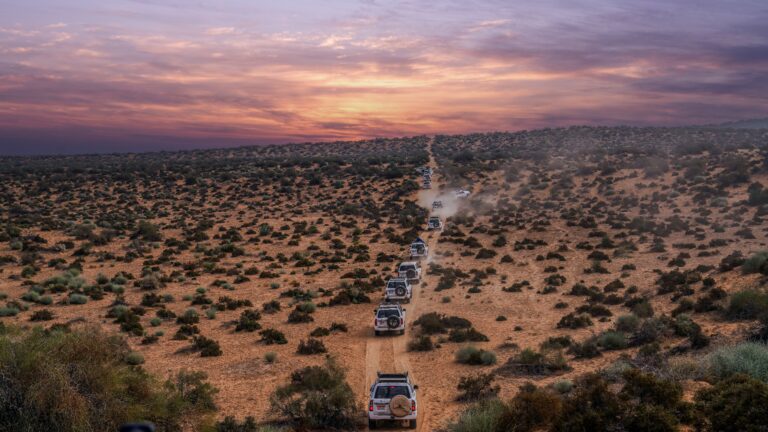
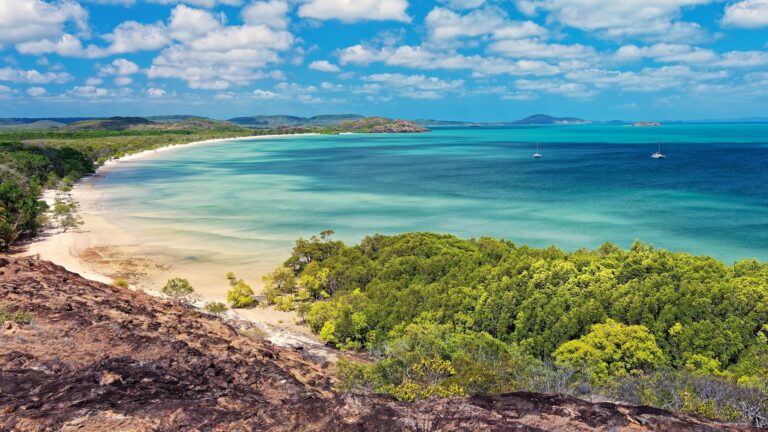
The Big Lap can take you through tropical Queensland, the Top End, Western Australia, the Nullarbor, southern coastal towns and countless places in between.
But Australia is enormous.
A successful Big Lap takes more planning than simply buying a caravan and pointing it towards Highway 1.
Here is how to start planning your trip.
1. Decide How Long You Want to Travel
There is no correct amount of time for a Big Lap.
Some people travel relatively quickly. Others spend six months, a year or even longer exploring Australia.
The important question is not:
How quickly can we get around Australia?
It is:
How do we actually want to travel?
If you enjoy staying somewhere for a week, exploring slowly and having days where you do absolutely nothing, build that into your plan.
Retirement gives you one major advantage.
You may finally have the freedom not to rush.
2. Plan Around Australias Seasons
This is one of the most important parts of planning a Big Lap.
Northern Australia has very different seasonal conditions from southern Australia.
The tropical north generally experiences a wet season through the warmer months and a dry season through the cooler months. Heavy rainfall during the wet season can cause flooding and road closures.
Southern Australia has a more temperate climate, with cooler winters and warmer summers.
A common strategy is therefore to plan northern sections for the drier, cooler part of the year and southern sections for warmer months.
But do not treat any month as a guarantee.
Weather changes from year to year, and road conditions can change quickly.
Check current weather, park access and road conditions as you travel.
3. Choose Your Direction
You can travel clockwise or anticlockwise.
Neither is automatically correct.
Your starting location, departure date and the regions you want to visit should determine the direction.
For example, someone leaving Brisbane at one time of year may have a completely different ideal route from someone leaving Perth several months later.
Instead of choosing a direction because somebody online says it is the traditional way to do the Big Lap, work backwards from the conditions you want to encounter.
Where do you want to be during winter?
Where do you want to be during summer?
Are there particular places you want to visit during a certain season?
Then build the route around those answers.
4. Choose the Right Setup
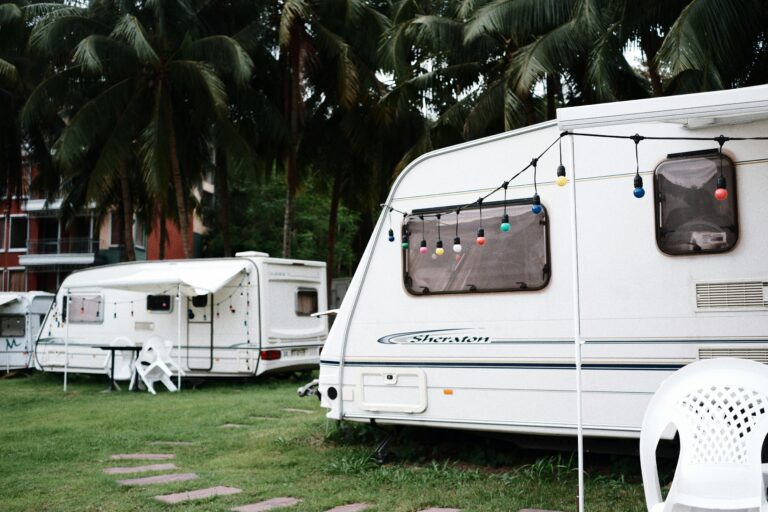
Caravan, motorhome or camper trailer?
There is no universal winner.
Think about:
Your towing confidence
How much living space you need
How much setup you are comfortable doing
Whether you want a separate vehicle at camp
The roads you intend to travel
Your budget
How long you expect to be away
If you have not chosen your setup yet, read our comparison here:
Whatever you choose, make sure the vehicle and setup are appropriate for the trip you are planning.
5. Do a Shakedown Trip First
Do not make the first day of a year long Big Lap the first time you have properly used your setup.
Take a shorter trip first.
A weekend is useful.
A week is even better.
Actually live in the caravan or motorhome.
Cook in it.
Sleep in it.
Pack it away.
Set it up again.
Tow it in different conditions.
Work out where everything belongs.
You will probably discover things you forgot and things you bought but never use.
It is much easier to solve those problems close to home than thousands of kilometres away.
6. Build a Realistic Budget
I would remove the fixed monthly budget currently in the article.
There is simply too much variation between travellers for one number to be particularly useful.
A couple travelling in a setup they already own and regularly free camping can have completely different expenses from someone financing a new vehicle, staying in caravan parks and booking paid attractions every week.
Instead, build your own budget around:
Fuel
Food
Caravan parks and campsites
Vehicle servicing
Repairs and tyres
Registration
Insurance
Gas
Laundry
Phone and internet
Tours and attractions
Eating out
Medications and healthcare
Emergency expenses
A repair fund
Then add a buffer.
Fuel in particular can become a major expense because a Big Lap can involve well over 15,000 kilometres once you start adding detours. Current Big Lap guides commonly describe roughly 14,500 kilometres for the basic Highway 1 circuit, with actual journeys becoming longer as travellers explore away from the main route.
The useful number is not somebody elses monthly budget.
It is your expected weekly spending multiplied by how long you intend to travel.
7. Decide How Often You Will Free Camp
Free camping can reduce accommodation costs and take you to some brilliant parts of Australia.
But you do not have to free camp every night to be a real grey nomad.
Many travellers mix:
Free camps
Low cost camps
National park campgrounds
Showgrounds
Station stays
Caravan parks
A caravan park every so often can also give you an opportunity to do laundry, refill supplies and simply enjoy a few extra comforts.
If Queensland is part of your route, we have put together a guide to some free camping options here:
Always check current local rules, fees and stay limits before arriving because these can change.
8. Do Not Plan Every Night Before You Leave
Some planning is essential.
Planning every single night for the next nine months usually is not.
There will be places you love and want to stay longer.
There will be places where you arrive and decide one night is enough.
Weather changes.
Roads close.
Plans change.
Friends recommend somewhere you had never heard of.
Leave room for that.
For popular destinations during busy periods, booking ahead can still be sensible.
The trick is finding a balance between having a plan and being trapped by it.
9. Prepare for Remote Australia
Some sections of a Big Lap take you a long way from the services you are used to at home.
Fuel, phone reception, pharmacies, supermarkets and medical services can become much less accessible in remote areas.
Healthdirect notes that healthcare can be harder to access in rural and remote Australia, making it important to know what services are available where you are travelling.
Before travelling remotely, think about:
Fuel range
Drinking water
Food
Regular medications
First aid supplies
Communication
Vehicle reliability
Road conditions
Emergency contacts
Your next available fuel stop
Do not assume you will have mobile reception everywhere.
If you plan to spend significant time in remote areas, consider how you would communicate during an emergency when ordinary mobile coverage is unavailable.
10. Keep Your Vehicle and Caravan Within Their Limits
Weight deserves serious attention.
Water, food, batteries, solar equipment, tools, camping gear, clothes and all those useful extras add up quickly.
Know the relevant weight limits for your particular vehicle and caravan.
Do not rely on how the setup feels to drive.
If you are uncertain about your weights or towing setup, get appropriate professional advice and consider having the loaded setup weighed before leaving.
11. Take Less Gear Than You Think
It is incredibly easy to prepare for a Big Lap by buying everything you see recommended online.
You probably do not need all of it.
Start with equipment that solves a genuine problem.
Think about:
Safety
Water
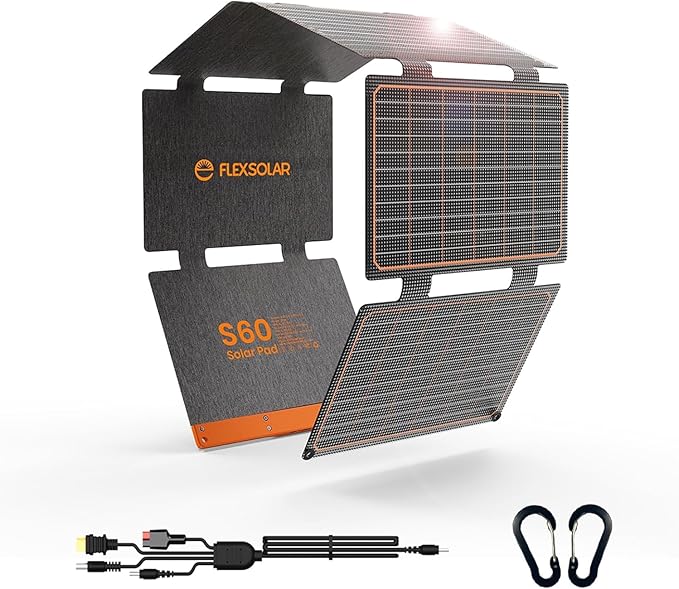
Power
Cooking
Sleeping
Vehicle maintenance
Communication
Comfort
Then add things after you discover you actually need them.
If you are preparing a caravan for your first trip, we have a separate guide covering the equipment worth considering:
12. Think About Your Health Before Leaving
If you take regular medication, make sure you have a plan for prescriptions and accessing healthcare while travelling.
Keep an up to date medication list and important health information accessible.
This becomes particularly important when travelling through remote areas where the nearest health service may be a significant distance away. Healthdirect recommends being aware of available rural and remote health services before you need them.
For a medical emergency in Australia, call Triple Zero on 000.
Healthdirect also provides non urgent health advice on 1800 022 222.
13. Understand What Insurance Actually Covers
Check your vehicle, caravan and other insurance before leaving.
Also consider whether domestic travel insurance makes sense for your trip.
But there is an important distinction.
For Australians travelling within Australia, Medicare and private health insurance may already provide medical coverage. Domestic travel insurance is more commonly relevant for things such as cancellation, baggage, rental vehicle excess and potentially emergency evacuation depending on the policy.
So I would remove the current articles suggestion that ordinary domestic travel insurance provides medical contingency cover.
There is also a special consideration for cruises in Australian waters because onboard medical treatment may not be covered by Medicare.
Whatever insurance you choose, read the actual Product Disclosure Statement rather than assuming something is included.
14. Do Not Treat the RFDS as Travel Insurance
The Royal Flying Doctor Service plays an incredibly important role in rural and remote Australia.
But I would remove the current suggestion about donating to the RFDS for insurance peace of mind.
That mixes two completely different things.
Supporting the RFDS is worthwhile if you choose to do so, but a donation is not a substitute for understanding your ambulance, health and insurance arrangements.
Air ambulance arrangements within Australia involve state and territory ambulance services and organisations including the RFDS and CareFlight.
Know what applies to you before travelling remotely.
15. Expect Something to Go Wrong
Hopefully nothing serious does.
But over months on the road, something probably will not go exactly to plan.
A tyre might need replacing.
Weather might change your route.
An attraction might be closed.
You might need to stay somewhere longer than expected.
The caravan might develop a problem.
Or you might simply decide you are tired and want three days doing absolutely nothing.
That does not mean the trip has gone wrong.
It means you are travelling.
Build enough time and money into the trip that a change of plans does not become a disaster.
How Much Planning Is Enough?
Plan the important things.
Know your budget.
Understand your vehicle.
Choose your general route.
Think about the seasons.
Prepare for remote areas.
Sort out medications, insurance and emergency arrangements.
Book the places that genuinely require booking.
Then leave some blank spaces.
Some of the best parts of travelling Australia can be the places you had never planned to visit.
The Big Lap Is Not a Race
You could spend years dreaming about driving around Australia and then accidentally turn the trip into a checklist.
Cairns.
Tick.
Darwin.
Tick.
Broome.
Tick.
Perth.
Tick.
That misses the point.
Stop in the little towns.
Stay an extra night when you find somewhere you love.
Talk to other travellers.
Take the detour.
Have a day where you do absolutely nothing.
You have spent years getting to the point where you finally have enough time to travel Australia.
Use it.
The best Big Lap is not necessarily the fastest or the cheapest.
It is the one you actually enjoy doing.
If you could take as long as you wanted to travel around Australia, how long would you give yourself?