10 Things Nobody Tells You About Retirement
Retirement is supposed to be the reward.
No alarm clock.
No commute.
No boss.
No counting down the days until your next holiday.
And for many people, retirement really does bring an incredible amount of freedom.
But there are parts of retirement that do not get talked about nearly as much.
Finishing work can change your routine, relationships, friendships, finances and even the way you think about yourself.
Some people adjust almost immediately. Others take time to work out what they actually want this next stage of life to look like.
Neither experience means you are doing retirement wrong.
Here are 10 things worth knowing about retirement that do not always make it into the brochures.
1. You Might Miss Work More Than You Expected
You can be completely ready to retire and still miss parts of working life.
That is because a job provides much more than a pay cheque.
For years, work may have given your week structure.
You knew when you needed to get up.
You had somewhere to be.
You saw familiar people.
You solved problems.
You had responsibilities.
Then one day, much of that disappears.
You might not miss the deadlines, early mornings or difficult days.
But you may miss the routine, conversations and feeling of being needed.
That can take some getting used to.
What can help?
Think about what you actually miss.
If it is the social side, you may need more regular contact with other people.
If it is having something to work towards, you might enjoy volunteering, learning something new, mentoring or taking on a project.
If it is simply structure, creating a loose weekly routine may be enough.
You do not necessarily need to replace your job.
You need to understand what your job was providing besides money.
2. Unlimited Free Time Does Not Automatically Feel Fulfilling
Having nowhere you need to be sounds fantastic when you have spent decades working.
Then Tuesday morning arrives.
And Wednesday.
And Thursday.
Without work separating weekdays from weekends, time can start to feel surprisingly different.
That freedom can be wonderful.
But having more time does not automatically tell you what to do with it.
Some people love completely unstructured days.
Others feel better when the week has a few anchors.
Maybe Monday morning is your walk.
Wednesday is golf.
Friday is coffee with friends.
Tuesday afternoon is volunteering.
The point is not to recreate a working week.
It is to give your time enough structure that the days do not simply blend together.
If mornings are where you struggle most, we have also put together some ideas here:
3. Your Relationship May Need a New Routine
Retirement can suddenly mean spending far more time with your partner.
That can be great.
It can also require adjustment.
For decades you may have had separate workplaces, colleagues, routines and responsibilities.
Now you are both home on Wednesday at 10 in the morning.
Who cooks?
Who shops?
Who cleans?
Do you do everything together?
Can one person go travelling with friends?
What happens if one person wants a quiet retirement while the other wants to be out doing something every day?
There is no universal answer.
The important thing is recognising that retirement changes the rhythm of a relationship.
You can enjoy doing things together while still maintaining your own interests, friendships and time apart.
Retirement does not have to mean becoming inseparable.
4. Your Identity Can Change After Work
One of the strangest questions after retirement can be incredibly simple:
What do you do?
For most of adult life, there was an easy answer.
Teacher.
Nurse.
Builder.
Farmer.
Accountant.
Business owner.
Whatever your occupation was, it probably became part of the way you described yourself.
Retirement removes the job.
It does not remove the person.
This can be an opportunity to rediscover interests that were pushed aside while work, mortgages and raising families took priority.
Maybe you always wanted to learn photography.
Restore an old car.
Grow vegetables.
Travel around Australia.
Research your family history.
Learn an instrument.
Volunteer.
Write.
Fish.
Paint.
Coach.
There does not need to be one grand new purpose.
Sometimes the next stage starts with simply trying things.
If you need ideas, we have put together a large list here:
The article is aimed at retired men, but plenty of the ideas can be enjoyed by anyone.
5. Friendships Can Require More Effort
Work makes social interaction surprisingly convenient.
You see the same people regularly without arranging it.
You have conversations in the lunchroom.
Someone asks about your weekend.
You hear what other people are doing.
When work disappears, some of those everyday interactions disappear with it.
That does not mean retirement has to be lonely.
It means social connection may need to become more intentional.
Call the friend instead of thinking about calling them.
Organise the coffee.
Join the walking group.
Try the bowls club.
Volunteer somewhere.
Go to the community event.
Keep showing up.
You do not need dozens of friends.
A handful of good relationships and regular opportunities to interact with other people can make a big difference to how connected your retirement feels.
6. Physical Capability Becomes Incredibly Valuable
Money matters in retirement.
So does time.
But being physically capable of doing the things you want to do can become just as valuable.
It is difficult to enjoy having the freedom to travel if carrying your luggage is becoming increasingly difficult.
Gardening is less enjoyable if getting down to the garden bed means you cannot comfortably get back up.
Playing with grandchildren is different when strength and mobility start limiting what you can do.
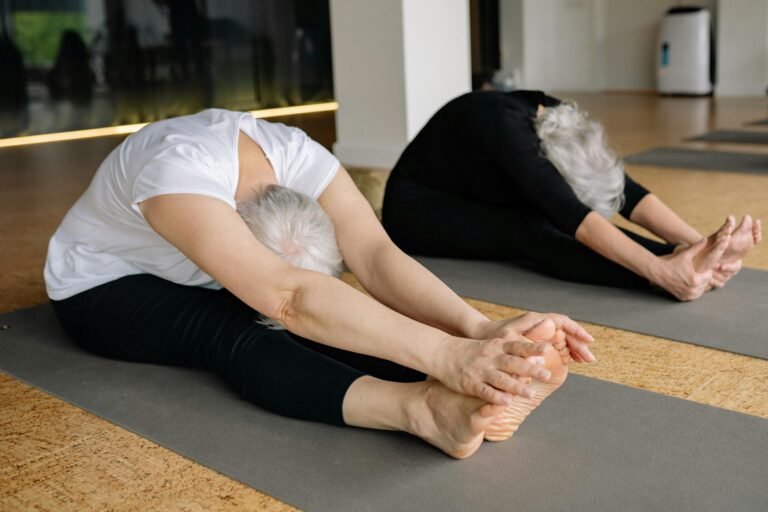
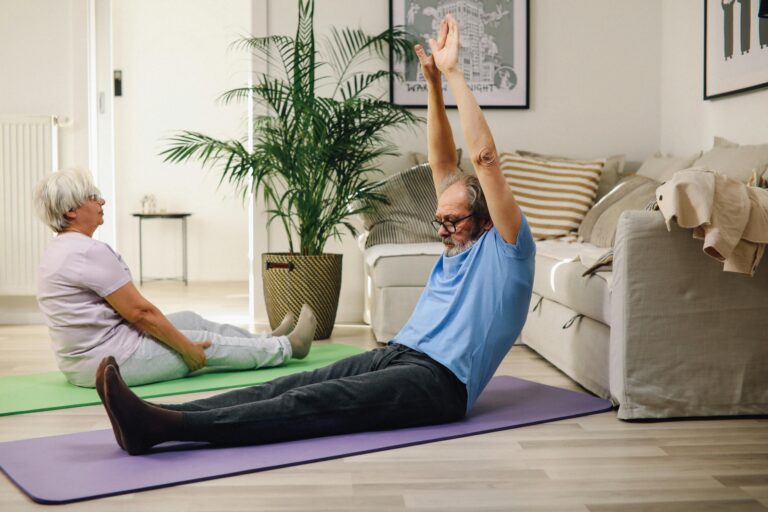
This is one reason maintaining strength, balance, mobility and general fitness deserves attention as you get older.
That does not mean you need to train like an athlete.
Walking, resistance training and activities you genuinely enjoy can all form part of staying active.
As a qualified personal trainer, this is one area I believe deserves much more attention in retirement planning.
We spend decades preparing financially for retirement.
It makes sense to invest in the body we are planning to enjoy it with as well.
If you want to understand why maintaining muscle matters as you get older, read:
7. Spending Your Savings Can Feel Strange
For decades, the financial message is usually straightforward.
Work.
Save.
Build your super.
Pay off debt.
Prepare for retirement.
Then retirement arrives and the direction changes.
Instead of accumulating money for some future point, you may begin using the money you spent decades building.
That psychological change can be harder than it sounds.
Someone can have carefully prepared for retirement and still feel uncomfortable watching their savings decrease.
Others may have the opposite problem and worry that they are spending too much.
There is no single retirement spending strategy that suits everyone.
Your assets, superannuation, income, expenses, age and plans all matter.
But there is an important distinction between being financially responsible and being so afraid of spending money that you never enjoy what you spent decades saving for.
If you are unsure how much you can sustainably spend, getting appropriate financial advice may be far more useful than simply worrying about the number in your bank account.
8. You Still Need Things to Look Forward To
One of the best parts of working life was sometimes having something on the horizon.
The holiday.
The long weekend.
Christmas.
A family visit.
Finishing a project.
Retirement gives you more freedom, but it can also remove some of those natural milestones.
Create new ones.
They do not need to be expensive.
Book a camping trip.
Plan a family lunch.
Enter a local event.
Start a garden project.
Organise a weekend away.
Train for a walking challenge.
Learn something new.
Plan a bigger trip for next year.
Having something on the calendar can give the next few weeks or months a sense of direction.
And sometimes anticipation is almost as enjoyable as the event itself.
9. Retirement Does Not Have to Mean Slowing Down
There is a strange idea that retirement should follow a predictable pattern.
Finish work.
Slow down.
Stay home.
Take things easy.
There is nothing wrong with that if it is genuinely what you want.
But retirement can also be the period when you finally have enough control over your time to do more.
Travel Australia.
Spend a month overseas.
Start hiking.
Volunteer.
Join a club.
Learn something completely new.
Start a small business.
Help with your grandchildren.
Write your family history.
Move somewhere different.
Buy a caravan.
Take up strength training at 70.
There is no correct speed for retirement.
You are allowed to build a quieter life.
You are also allowed to build a bigger one.
10. A Good Retirement Is Something You Build
Retirement is often presented as though reaching it is the achievement.
Work hard enough.
Save enough.
Eventually retire.
Done.
But retirement itself can last decades.
The question eventually changes from:
When can I retire?
to:
What do I actually want to do with this time?
You probably will not have the perfect answer on your first day.
And you do not need one.
Try things.
Keep the things you enjoy.
Stop doing the things you do not.
Meet people.
Look after yourself.
Go somewhere new.
Learn something.
Spend time with people you care about.
Make plans.
Change those plans.
Retirement does not need to be completely mapped out before it begins.
You can build it as you go.
You Do Not Need a Grand Purpose
There is a lot of advice about “finding your purpose” after retirement.
For some people, that idea is motivating.
For others, it creates unnecessary pressure.
Your retirement does not need to become another career.
You do not need to start a charity, climb Everest or discover some extraordinary calling.
Purpose can be remarkably ordinary.
Looking after grandchildren.
Maintaining a beautiful garden.
Helping at the local sporting club.
Walking every morning.
Cooking dinner for someone you love.
Travelling.
Learning.
Being a good friend.
Looking after your health.
Finally having time to read.
A meaningful retirement can be made up of small things that matter to you.
That is enough.
Think About the Stories You Want to Leave Behind
Retirement also gives you something that was often scarce during working life:
Time to look backwards as well as forwards.
There are probably stories from your life that your children or grandchildren have never heard.
Where you grew up.
What your parents were like.
Your first job.
How you met your partner.
The mistakes you made.
The adventures you had.
The things you learned the hard way.
The family stories that only you still remember.
You do not need to write an autobiography.
Even recording a few memories can preserve something your family may value enormously later.
If you would like to start, we created a simple guide here:
What Does a Good Retirement Actually Look Like?
There is no universal answer.
For one person, retirement might mean travelling Australia in a caravan.
For someone else, it might mean staying in the home they love, gardening and seeing their grandchildren every week.
Someone else might work two days a week because they genuinely enjoy it.
Another person might sell everything and travel.
The goal is not to copy someone else’s retirement.
It is to work out what matters to you.
A useful place to start is with a few simple questions.
What do I want an ordinary Tuesday to look like?
Who do I want to spend more time with?
What have I always wanted to try?
What do I want to stay physically capable of doing?
Where would I still love to go?
What am I putting off for no good reason?
What would make the next ten years feel well spent?
Those questions may tell you more about the retirement you want than another spreadsheet ever will.
The Bottom Line
Retirement can be one of the most freeing stages of life.
But freedom alone does not decide what you do with it.
There may be adjustments you did not expect.
You might miss parts of work.
Your relationships may change.
Your social life may require more effort.
Spending money may feel strange.
You may need to rediscover what challenges and interests you.
None of that makes retirement a disappointment.
It simply means retirement is a new stage of life rather than one very long holiday.
You have more control over your time than you may have had in decades.
Use some of it for the people you care about.
Use some of it to look after yourself.
Use some of it to try things.
And keep some completely free.
You spent decades getting here.
Now you get to decide what happens next.
Your best years are still happening.