The 10 Best Chair Exercises for Seniors — A Complete Guide
Staying active after 60 is one of the most important things you can do for your health — but for many seniors, standing exercises or gym workouts simply aren’t accessible or comfortable. Chair exercises offer a genuinely effective alternative — building strength, improving flexibility, supporting balance, and keeping joints mobile, all from the safety and comfort of a sturdy chair. Whether you’re new to exercise, managing a health condition, or simply looking for a gentle and sustainable way to stay active, here are the 10 best chair exercises for seniors.
Why Chair Exercises Are So Effective for Seniors
Chair exercises are often underestimated — dismissed as “too easy” or not “real” exercise. The reality is quite different.
Done consistently and with proper form, chair exercises:
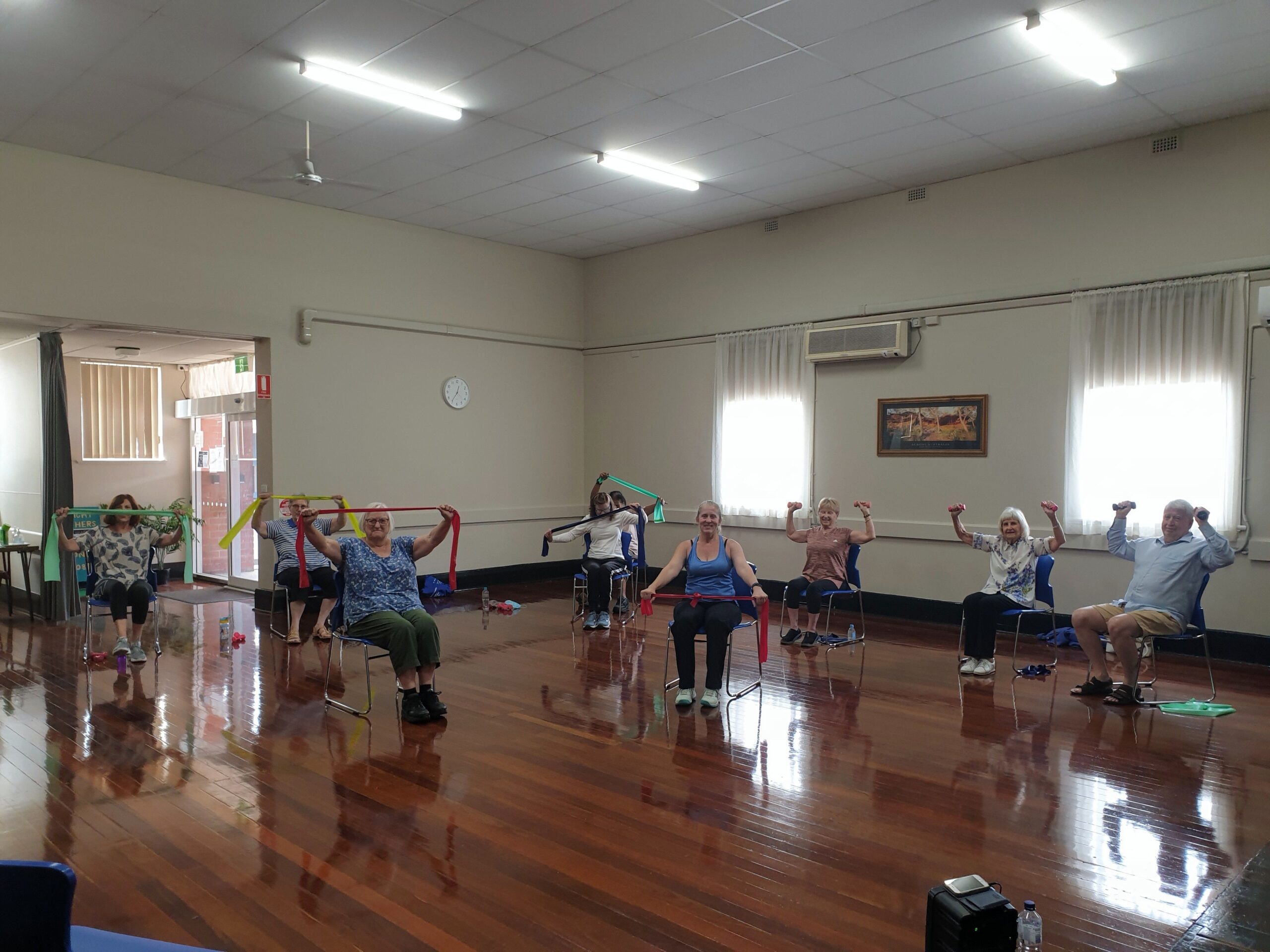
- Build genuine muscle strength in the legs, arms, core, and back
- Improve flexibility and range of motion in key joints
- Support better balance and fall prevention
- Improve circulation and cardiovascular health
- Are safe and accessible for a wide range of fitness levels and health conditions
- Can be done anywhere — at home, in a care facility, or even while travelling
As I wrote in why muscle mass is important in your 60s — the goal of exercise after 60 isn’t about looking good at the gym. It’s about maintaining the strength, balance, and mobility that supports genuine independence and quality of life.
Before You Start — Important Safety Notes
Choose the right chair Use a sturdy, stable chair without wheels — ideally with armrests for exercises that require balance support. The chair should be on a non-slip surface.
Listen to your body Some muscle fatigue is normal and expected during exercise. Sharp pain, dizziness, chest tightness, or shortness of breath are signals to stop immediately and seek medical advice.
Start gently If you’re new to exercise or returning after a break, start with fewer repetitions than suggested and build gradually over time. Consistency over weeks matters far more than intensity on any single day.
Check with your GP first If you have a heart condition, recent surgery, osteoporosis, significant joint problems, or any other health condition that might be affected by exercise — speak with your GP before starting a new exercise program.
The 10 Best Chair Exercises for Seniors
1. Seated Marching
What it does: Improves hip flexor strength, circulation, and coordination — a great warm-up exercise to start any session.
How to do it:
- Sit upright near the front edge of your chair, feet flat on the floor
- Lift your right knee as high as comfortably possible, then lower it back down
- Repeat with the left knee
- Alternate legs in a slow, controlled marching rhythm
Repetitions: 10-15 on each leg, 2-3 sets Tip: Keep your back straight and avoid leaning back into the chair — the more upright you sit, the more effective the exercise.
2. Seated Leg Extensions
What it does: Strengthens the quadriceps — the large muscles at the front of the thigh that are critical for getting up from chairs, climbing stairs, and fall prevention.
How to do it:
- Sit upright with feet flat on the floor
- Slowly straighten your right leg until it is parallel to the floor, hold for 2-3 seconds
- Slowly lower back down with control
- Repeat on the left leg
Repetitions: 10-15 on each leg, 2-3 sets Tip: The controlled lowering phase is just as important as the lifting phase — resist gravity rather than letting the leg drop.
3. Seated Calf Raises
What it does: Strengthens the calf muscles, improves circulation in the lower legs, and supports ankle stability — particularly important for fall prevention and reducing the risk of blood clots during long periods of sitting.
How to do it:
- Sit upright with feet flat on the floor, hip width apart
- Slowly raise both heels off the floor as high as comfortable, hold for 2-3 seconds
- Slowly lower back down
Repetitions: 15-20, 2-3 sets Tip: This exercise can also be done while standing behind the chair, holding the back for support, for greater resistance.
4. Seated Hip Marches With Resistance
What it does: Strengthens the hip flexors and core — important for walking stability and maintaining an upright posture.
How to do it:
- Sit upright with feet flat on the floor
- Place both hands on your right thigh just above the knee
- Push down gently with your hands while simultaneously trying to lift your knee — creating resistance against your own hands
- Hold for 3-5 seconds, then release
- Repeat on the left leg
Repetitions: 8-10 on each leg, 2-3 sets Tip: This self-resistance technique is surprisingly effective — you control the intensity by pushing harder or softer with your hands.
5. Seated Shoulder Press
What it does: Strengthens the shoulder and upper arm muscles — important for everyday tasks like reaching overhead, carrying shopping, and maintaining upper body independence.
How to do it:
- Sit upright with feet flat on the floor
- Hold a light weight in each hand — a small water bottle works perfectly if you don’t have dumbbells
- Start with hands at shoulder height, elbows bent at 90 degrees
- Slowly press both hands upward until arms are nearly straight overhead
- Slowly lower back to starting position
Repetitions: 10-12, 2-3 sets Tip: Start with no weight at all if you’re new to this movement, then gradually add light resistance as you get stronger.
6. Seated Row
What it does: Strengthens the upper back and improves posture — particularly valuable for counteracting the forward-rounding posture that can develop from prolonged sitting.
How to do it:
- Sit upright near the front of the chair, feet flat on the floor
- Extend both arms straight in front of you at shoulder height
- Pull both elbows back simultaneously, squeezing your shoulder blades together as you do
- Hold the squeeze for 2-3 seconds, then slowly return to starting position
Repetitions: 12-15, 2-3 sets Tip: Focus on squeezing the shoulder blades together rather than just pulling the elbows back — this is what makes the exercise genuinely effective for posture improvement.
7. Seated Ankle Circles
What it does: Improves ankle mobility and circulation — particularly important for seniors who spend extended periods sitting, and for those who experience swelling or stiffness in the feet and ankles.
How to do it:
- Sit upright and lift your right foot slightly off the floor
- Slowly rotate the foot in a full circle — 10 rotations clockwise, then 10 anticlockwise
- Repeat on the left foot
Repetitions: 10 circles each direction, each foot — 2 sets Tip: This exercise is excellent to do during long car or plane journeys to support circulation and reduce swelling.
8. Seated Torso Rotation
What it does: Improves spinal mobility and core strength — important for maintaining the rotational movement needed for everyday tasks like reversing a car, reaching behind you, or turning to look over your shoulder.
How to do it:
- Sit upright with feet flat on the floor, arms crossed over your chest
- Slowly rotate your upper body to the right as far as comfortably possible, keeping your hips facing forward
- Hold for 2-3 seconds, then slowly rotate to the left
- Keep the movement controlled and smooth throughout
Repetitions: 10-12 each direction, 2-3 sets Tip: Never force the rotation — work within your comfortable range of motion and let it gradually improve over time.
9. Seated Knee to Chest
What it does: Stretches the lower back and hip flexors — areas that commonly become tight and uncomfortable from prolonged sitting, and that can contribute to lower back pain if not regularly mobilised.
How to do it:
- Sit upright near the front of the chair
- Clasp both hands around your right knee
- Gently pull the knee toward your chest until you feel a comfortable stretch in the lower back and hip
- Hold for 15-30 seconds, breathing slowly
- Release and repeat on the left side
Repetitions: Hold for 15-30 seconds each side, 2-3 repetitions Tip: This is a stretch, not a strength exercise — you should feel a gentle pull, not pain. Never force the knee higher than is comfortable.
10. Sit to Stand
What it does: Strengthens the entire lower body — quadriceps, glutes, and core — in one of the most functionally important movements in daily life. The ability to get up from a chair independently is one of the strongest predictors of long-term independence and quality of life.
How to do it:
- Sit near the front of the chair with feet flat on the floor, hip width apart
- Lean forward slightly from the hips — not the waist
- Press through your feet and stand up slowly, using your legs rather than pushing off with your hands if possible
- Stand fully upright, then slowly lower back into the chair with control — don’t simply drop back down
Repetitions: 8-12, 2-3 sets Tip: Use your armrests for safety if needed — the goal is to gradually reduce how much you rely on them over time as your leg strength improves. This exercise is genuinely one of the best functional strength exercises available for seniors.
Putting It All Together — A Simple 20-Minute Chair Exercise Session
Here’s a simple routine combining all 10 exercises into a manageable 20-minute session:
| Exercise | Sets x Reps | Rest |
|---|---|---|
| Seated Marching (warm up) | 1 x 15 each leg | 30 seconds |
| Seated Leg Extensions | 2 x 12 each leg | 30 seconds |
| Seated Calf Raises | 2 x 15 | 30 seconds |
| Seated Hip Marches With Resistance | 2 x 10 each leg | 30 seconds |
| Seated Shoulder Press | 2 x 10 | 30 seconds |
| Seated Row | 2 x 12 | 30 seconds |
| Seated Ankle Circles | 1 x 10 each direction, each foot | 30 seconds |
| Seated Torso Rotation | 2 x 10 each direction | 30 seconds |
| Seated Knee to Chest | 2 x 30 seconds each side | 30 seconds |
| Sit to Stand | 2 x 10 | 30 seconds |
Done 3-4 times per week, this routine provides a genuinely comprehensive full-body workout that builds real strength, improves flexibility, and supports the balance and mobility that matters most for daily independence.
How Often Should You Do Chair Exercises?
For general health and fitness, aim for at least 3 sessions per week with at least one rest day between sessions. Consistency over months matters far more than intensity on any single day — 20 minutes three times a week done consistently will produce genuinely meaningful results over time.
As I wrote in the best low impact exercises for Australians over 60 — the best exercise program is the one you’ll actually keep doing. Choose something realistic, start gently, and build gradually.
The Bottom Line
Chair exercises are not a compromise — they are a genuinely effective, safe, and accessible way for seniors to build real strength, improve flexibility, and maintain the physical independence that makes daily life easier and more enjoyable.
Start with the exercises that feel most accessible, build your routine gradually, and be patient with yourself. The results — more strength, better balance, less joint stiffness, and greater confidence in your physical abilities — are genuinely worth the consistent effort.
Are you doing chair exercises regularly? Share what’s worked for you in The Good Years Club community — your experience could inspire someone else to get started 💙
👉 Join The Good Years Club Community — https://www.facebook.com/share/g/1Fw4FHNpJr/