The 10 Best Chair Exercises for Seniors: A Complete Guide to Staying Strong and Active
You don’t need a gym membership, expensive equipment or a complicated workout routine to start moving more.
Sometimes, all you need is a sturdy chair.
Chair exercises are a practical way for older Australians to improve muscle strength, maintain joint mobility and enjoy regular movement without spending an entire workout on their feet.
They’re particularly useful if you’re returning to exercise after a break, experience joint discomfort, become tired while standing or simply want a gentle routine you can do at home.
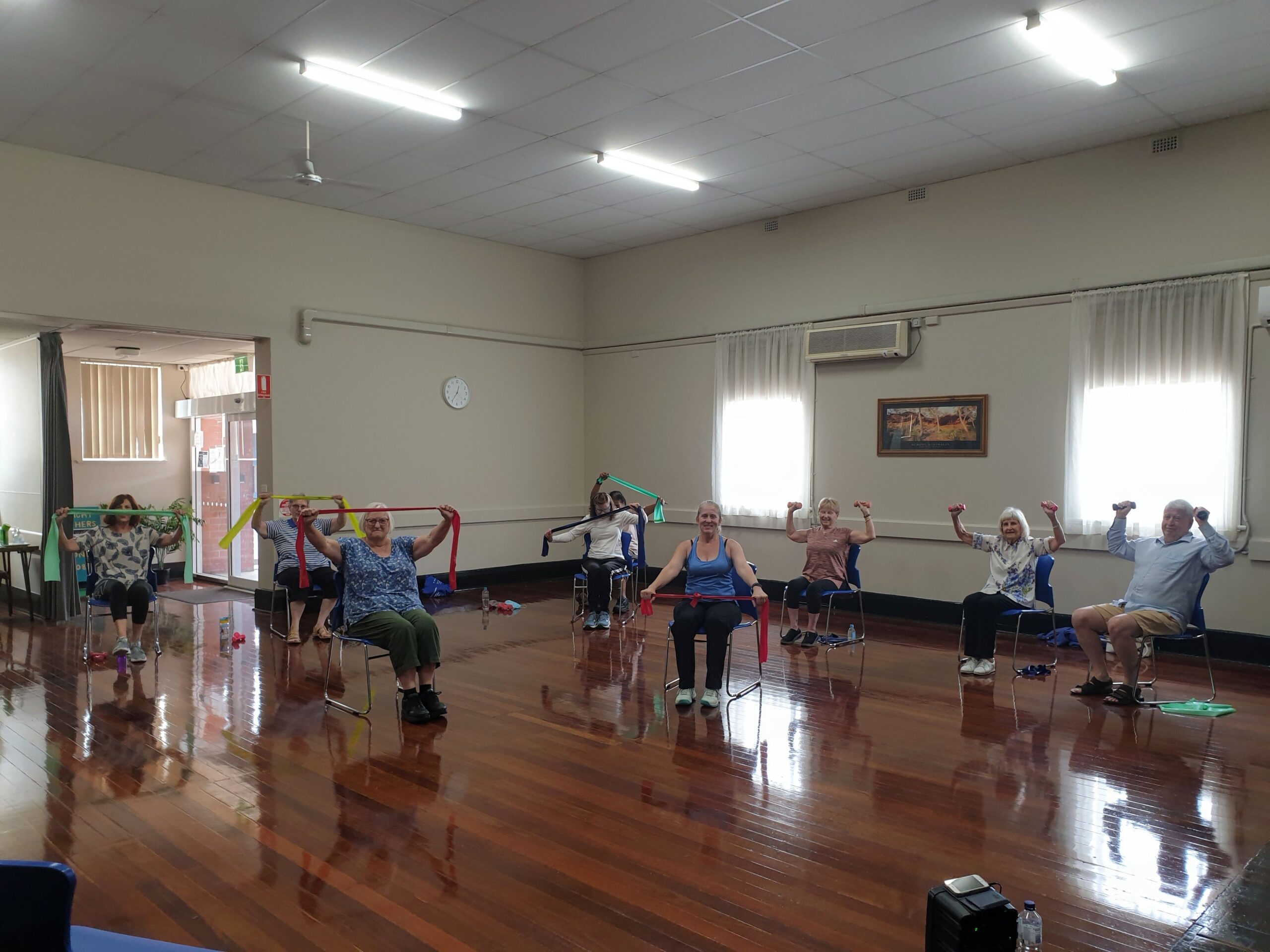
And don’t let the word seated fool you.
Chair exercises can provide a worthwhile workout, especially when they’re performed regularly and gradually made more challenging.
The key is choosing exercises that suit your abilities, using the correct technique and progressing at a comfortable pace.
In this guide, we’ll walk through ten chair exercises, explain what each one does and show you how to put them together into a simple routine.
Are Chair Exercises Actually Effective for Seniors?
Yes. Chair-based exercise can be an effective starting point for improving strength, mobility and physical activity levels.
Different movements provide different benefits.
For example:
- Seated marching works the muscles involved in lifting your legs.
- Leg extensions strengthen the muscles at the front of your thighs.
- Heel raises activate your calf muscles.
- Seated rows work the upper back.
- Shoulder presses strengthen the shoulders and arms.
- Sit-to-stands practise an important everyday movement.
These exercises may help make ordinary activities such as dressing, reaching, walking and getting out of a chair feel more manageable.
Chair exercises can also provide opportunities for movement when standing exercise isn’t practical.
What Chair Exercises Can’t Do on Their Own
It’s important to understand their limitations.
Although chair exercises can improve strength and mobility, seated movements generally provide less challenge to standing balance than appropriately supervised standing activities.
If you’re able to stand and walk safely, a well-rounded routine should also include suitable weight-bearing exercise, balance training and regular walking or other aerobic activity.
Our guide to the benefits of strength training after 60 explains why maintaining muscle strength matters for everyday independence.
Who Can Benefit From Chair Exercises?
Chair exercises may be particularly useful for:
- Older adults beginning a new exercise routine.
- People returning to activity after a period of inactivity.
- People who tire easily when standing.
- Adults with some mobility limitations.
- People who experience mild joint stiffness.
- Residents in aged care, where exercises are appropriate to individual needs.
- Anyone looking for a convenient way to move more throughout the day.
However, seated exercise isn’t automatically suitable for every health condition.
If you have recently had surgery, experienced a fall, have significant pain or live with a condition affecting your heart, breathing, bones or mobility, seek advice from your GP or physiotherapist before starting.
Before You Start: Five Important Safety Rules
A few simple precautions can make chair exercise more comfortable and reduce avoidable risks.
1. Choose the Right Chair
Use a sturdy chair that:
- Doesn’t have wheels.
- Doesn’t swivel.
- Sits firmly on a level floor.
- Has a seat height that allows your feet to rest on the floor.
- Provides suitable support for your needs.
A firm dining chair may work well for many exercises.
If you need armrests to sit, stand or maintain stability, use a chair with secure armrests.
Avoid soft couches, unstable stools and rolling office chairs.
2. Sit in a Comfortable Position
For most exercises:
- Sit upright.
- Keep your feet approximately hip-width apart.
- Relax your shoulders.
- Avoid slumping or forcing your back into an uncomfortable position.
- Keep your movements controlled.
You don’t need to sit right at the edge of the chair if doing so makes you feel unstable.
3. Start With Fewer Repetitions
The numbers in this guide are suggestions, not targets you must achieve immediately.
If five repetitions feel appropriate, start with five.
As your strength and confidence improve, you can gradually increase the number.
4. Keep Breathing
Avoid holding your breath during strength exercises.
Breathe naturally, generally breathing out during the effort and in as you return to the starting position.
5. Know When to Stop
Stop exercising if you experience:
- Chest pain.
- Severe or unusual shortness of breath.
- Dizziness or faintness.
- Sudden weakness.
- Sharp or worsening pain.
- Significant nausea.
- An irregular or racing heartbeat with symptoms.
Seek medical advice for concerning symptoms. Call 000 for severe chest pain, severe breathing difficulty or another medical emergency.
Exercise should feel like manageable effort, not something you have to push through despite warning signs.
1. Seated Marching
Best for: Warming up, hip movement and gentle leg strengthening.
Seated marching is a simple way to begin your workout.
It activates the muscles that lift your legs and encourages coordinated movement.
How to Do It
- Sit upright with both feet flat on the floor.
- Rest your hands on your thighs or hold the sides of the chair for support.
- Slowly lift your right knee a comfortable distance.
- Lower your foot back to the floor.
- Repeat with your left leg.
- Continue alternating legs at a steady pace.
Beginner target: 8–10 lifts per leg.
Progression: Work towards 15 lifts per leg, or continue marching gently for 30–60 seconds.
Common Mistakes
Avoid leaning far backwards or lifting your knee so high that your back becomes uncomfortable.
The movement doesn’t need to be large to be useful.
Make it easier: Lift each heel only slightly off the floor.
2. Seated Leg Extensions
Best for: Strengthening the front of your thighs.
Your quadriceps are the large muscles at the front of your thighs.
They play an important role in walking, climbing stairs and standing up from a chair.
Seated leg extensions are a straightforward way to exercise them.
How to Do It
- Sit upright with your feet flat on the floor.
- Hold the chair lightly if needed.
- Slowly straighten your right knee, lifting your foot in front of you.
- Stop at a comfortable height without forcing the knee straight.
- Pause briefly.
- Slowly lower your foot.
- Repeat with your left leg.
Beginner target: 8 repetitions per leg.
Progression: Build towards 12–15 repetitions per leg.
Common Mistakes
Don’t swing your leg or let it drop quickly.
Aim for a smooth movement in both directions.
Make it easier: Straighten the knee only partway.
If you have significant knee pain, ask a physiotherapist whether this movement is suitable.
3. Seated Heel Raises
Best for: Activating the calf muscles and maintaining ankle movement.
Your calf muscles help with walking and everyday lower-leg movement.
Seated heel raises are a gentle way to work these muscles.
How to Do It
- Sit with your feet flat on the floor.
- Keep the balls of your feet in contact with the ground.
- Slowly lift both heels.
- Pause for one or two seconds.
- Lower your heels with control.
Beginner target: 10 repetitions.
Progression: Work towards 15–20 repetitions.
Common Mistakes
Avoid bouncing your heels rapidly.
Slow, controlled repetitions make it easier to feel the muscles working.
Make it easier: Raise your heels only a small distance.
Important: Although ankle movement can help reduce stiffness associated with prolonged sitting, heel raises are not a substitute for medical prevention or treatment of blood clots.
New one-sided leg swelling, pain, warmth or redness requires prompt medical assessment.
4. Seated Hip Marches With Gentle Resistance
Best for: Strengthening the muscles involved in lifting your thighs.
This variation of seated marching adds a little resistance using your hands.
It can make the exercise more challenging without requiring weights or resistance bands.
How to Do It
- Sit upright with both feet flat on the floor.
- Place your right hand gently on top of your right thigh, above the knee.
- Begin lifting your right knee while applying light downward pressure with your hand.
- Hold the effort for two or three seconds.
- Relax and lower your foot.
- Repeat on the other side.
Beginner target: 5–8 gentle efforts per leg.
Progression: Work towards 10 repetitions per leg.
Common Mistakes
Don’t press down forcefully or strain to lift the knee.
This should be a controlled, comfortable effort.
Make it easier: Perform ordinary seated marching without resistance.
If you have hip pain or a recent hip operation, seek individual advice before attempting this variation.
5. Seated Shoulder Press
Best for: Strengthening the shoulders and upper arms.
Your shoulders and arms are involved in many everyday activities, from putting items away to getting dressed.
A seated shoulder press can help strengthen these muscles.
How to Do It
- Sit upright with your feet supported.
- Begin with your hands near shoulder height.
- Keep your elbows comfortably bent.
- Slowly raise your arms overhead as far as comfortable.
- Lower them back to shoulder height.
Beginner target: 6–8 repetitions without weights.
Progression: Work towards 10–12 repetitions. If appropriate, add very light dumbbells or small water bottles.
Common Mistakes
Avoid arching your lower back to push your arms higher.
Don’t force your arms overhead if the movement causes pain.
Make it easier: Raise your hands only to a comfortable height in front of your body.
If you have shoulder arthritis, a rotator cuff injury or painful overhead movement, a physiotherapist can recommend a suitable alternative.
6. Seated Row
Best for: Upper-back strength and shoulder movement.
The seated row targets muscles around the upper back and shoulder blades.
These muscles help with pulling movements and upper-body control.
How to Do It
- Sit upright with your feet flat on the floor.
- Extend your arms comfortably in front of you.
- Slowly draw your elbows backwards towards your sides.
- Gently bring your shoulder blades towards each other.
- Pause briefly.
- Return your arms to the starting position.
Beginner target: 8–10 repetitions.
Progression: Build towards 12–15 repetitions.
Common Mistakes
Avoid lifting your shoulders towards your ears or forcing an exaggerated squeeze between your shoulder blades.
Keep the movement comfortable.
Want to Make It More Challenging?
A properly secured resistance band can add resistance, but it should be introduced only when you can use it safely.
A physiotherapist or exercise professional can show you how to anchor and handle the band.
Without resistance, this movement is more of a gentle muscle activation and mobility exercise than a demanding strength exercise.
7. Seated Ankle Circles
Best for: Maintaining ankle mobility.
Your ankles are involved in walking, changing direction and adjusting your feet to different surfaces.
Gentle ankle circles can help keep these joints moving.
How to Do It
- Sit upright with both feet supported.
- Lift your right foot slightly off the floor.
- Slowly rotate your ankle in a circle.
- Complete five circles in one direction.
- Reverse direction.
- Repeat with your left ankle.
Beginner target: 5 circles each direction, per foot.
Progression: Build towards 10 circles in each direction.
Common Mistakes
Avoid making large, jerky movements.
The motion should come mainly from the ankle rather than swinging the whole leg.
Make it easier: Keep your heel lightly supported and move your toes up, down and side to side.
Ankle circles can be a useful movement break, but they don’t replace walking, prescribed mobility exercises or medical advice about swelling and circulation problems.
8. Seated Torso Rotation
Best for: Gentle upper-body mobility.
Turning your upper body is part of everyday life.
You use this movement when looking to the side, reaching for nearby objects and changing your sitting position.
Gentle seated rotations may help maintain comfortable movement through your upper body.
How to Do It
- Sit upright with both feet flat on the floor.
- Rest your hands across your chest or on your thighs.
- Slowly turn your shoulders a small distance to the right.
- Keep your hips facing forwards.
- Return to the centre.
- Repeat to the left.
Beginner target: 5 rotations each direction.
Progression: Build towards 8–10 comfortable rotations per side.
Common Mistakes
Don’t pull yourself into a deeper twist using the chair.
Avoid forcing your spine to rotate further than feels comfortable.
Make it easier: Turn your head and shoulders only slightly.
If you have osteoporosis with spinal fractures, recent spinal surgery or significant back pain, seek professional guidance before performing spinal rotation exercises.
9. Seated Knee-to-Chest Movement
Best for: Gentle hip movement and comfortable lower-body flexibility.
This exercise encourages controlled hip movement.
It may feel pleasant for some people who experience stiffness after sitting, but it isn’t suitable for everyone.
How to Do It
- Sit securely in a sturdy chair.
- Keep one foot flat on the floor.
- Slowly lift the opposite knee towards your body.
- If comfortable, place your hands beneath your thigh to support the leg.
- Hold for five to ten seconds.
- Lower your foot.
- Repeat on the other side.
Beginner target: 2 gentle holds per leg.
Progression: Gradually increase the hold towards 15–20 seconds if comfortable.
Common Mistakes
Avoid pulling forcefully on the knee.
Don’t round your back excessively or lean so far forwards that you lose your balance.
Make it easier: Simply lift your knee a short distance without holding it.
If you’ve had hip replacement surgery, have hip precautions or experience pain with hip bending, ask your treating clinician whether this exercise is appropriate.
10. Sit-to-Stand
Best for: Functional leg strength and everyday independence.
Of all the exercises in this guide, the sit-to-stand is particularly relevant to daily life.
Getting up from a chair requires strength through your thighs and hips, along with coordination and balance.
Practising this movement can help maintain an ability you use throughout the day.
Unlike the other exercises, it involves standing.
If you cannot stand safely, skip it until a physiotherapist has assessed your needs.
How to Do It
- Sit on a sturdy chair that won’t slide backwards.
- Place both feet flat on the floor, approximately hip-width apart.
- Move forwards enough to stand safely.
- Lean your upper body slightly forwards from your hips.
- Push through your feet and slowly stand.
- Use secure armrests if needed.
- Pause once standing.
- Slowly lower yourself back into the chair.
Beginner target: 3–5 repetitions.
Progression: Gradually build towards 8–12 repetitions.
Common Mistakes
Avoid dropping heavily into the chair.
Don’t rush the standing movement or attempt it from an unstable chair.
Make it easier: Use a suitable higher chair with secure armrests.
If you experience dizziness when standing, have recently fallen or require assistance to transfer, seek professional guidance before attempting this exercise.
For more ways to develop stability, read our guide to the best balance exercises for seniors.
A Simple 10-Minute Chair Exercise Routine for Beginners
You don’t need to perform all ten exercises on your first day.
A short routine can help you build confidence and learn the movements.
| Exercise | Starting amount |
|---|---|
| Seated marching | 30 seconds |
| Seated leg extensions | 8 per leg |
| Seated heel raises | 10 repetitions |
| Seated row | 10 repetitions |
| Seated ankle circles | 5 each direction per foot |
| Seated shoulder press | 8 repetitions |
| Seated torso rotation | 5 each direction |
| Seated marching | 30 seconds |
Rest for approximately 20–40 seconds between exercises, or longer if needed.
This routine may take around 8–12 minutes depending on your pace and rest periods.
If you’re very new to exercise, start with just three or four movements.
The goal is to finish feeling comfortably active, not completely exhausted.
A Longer Chair Exercise Routine for Building Strength
Once you’re comfortable with the beginner routine, you can add more repetitions or an extra set.
| Exercise | Suggested amount |
|---|---|
| Seated marching | 1 minute |
| Seated leg extensions | 2 sets of 10 per leg |
| Seated heel raises | 2 sets of 15 |
| Seated hip marches with resistance | 1 set of 8 per leg |
| Seated shoulder press | 2 sets of 10 |
| Seated row | 2 sets of 12 |
| Seated ankle circles | 10 each direction |
| Seated torso rotation | 8 each direction |
| Seated knee-to-chest | 2 gentle holds per leg |
| Sit-to-stand, if safe | 1–2 sets of 5–10 |
Allow sufficient rest between sets.
Depending on your pace and ability, the routine may take approximately 20–30 minutes.
You don’t need to complete every exercise in one session.
Choose movements that suit your needs and build gradually.
How Often Should Seniors Do Chair Exercises?
For beginners, two or three structured sessions per week may be a manageable starting point.
Gentle mobility movements can also be performed on other days if comfortable.
Strength exercises should generally allow adequate recovery between more demanding sessions.
What Do Australia’s Physical Activity Guidelines Recommend?
Australia’s updated 2026 guidelines for adults aged 65 and over recommend:
- Moderate- to vigorous-intensity physical activity for at least 30 minutes on most days, accumulating at least 2.5 hours per week.
- Muscle-strengthening activities involving the major muscle groups on at least two days per week.
- Functional activities targeting mobility, balance and coordination on at least three days per week.
- Several hours of light-intensity activity throughout the day.
- Breaking up long periods of sitting as often as possible.
These are general recommendations, not a requirement to start at the full amount immediately.
If you’re currently inactive or have mobility limitations, begin at a level that’s appropriate for you.
Even small increases in movement can be beneficial.
You can read the latest recommendations on the Australian Government Department of Health, Disability and Ageing website.
Can Chair Exercises Help Prevent Falls?
Chair exercises can help strengthen muscles and improve movement, both of which are relevant to mobility.
However, falls prevention involves more than seated exercise.
Your ability to remain steady while standing and walking depends on several factors, including:
- Leg strength.
- Balance and coordination.
- Vision.
- Medication effects.
- Footwear.
- Home hazards.
- Medical conditions.
- Confidence when moving.
When appropriate, standing balance exercises and walking practice can provide challenges that seated exercises cannot.
For people with a history of falls or significant unsteadiness, a physiotherapist can help develop a suitable program.
Read our complete guide to balance exercises for seniors for additional exercises and safety advice.
Chair Exercises for Seniors With Arthritis
Joint stiffness and discomfort can make exercise feel daunting.
However, suitable physical activity can help support joint movement, muscle strength and general wellbeing.
Chair exercises may be useful because they allow some movements to be performed without standing.
Tips for Exercising With Arthritis
- Start with a gentle warm-up.
- Move through a comfortable range.
- Avoid forcing painful joints.
- Begin with fewer repetitions.
- Take breaks when needed.
- Adjust exercises during symptom flare-ups.
- Seek professional advice if pain is persistent or worsening.
A little muscle effort is normal, but sharp pain or significant increases in joint symptoms aren’t something to push through.
If arthritis affects your hands or shoulders, you may need to modify exercises that involve holding weights or raising your arms.
For more everyday movement ideas, explore our morning stretching routine for older adults.
Chair Exercises for People With Limited Mobility
Chair exercises can be particularly useful when standing or walking is difficult.
However, limited mobility can have many different causes.
Someone recovering from surgery may need a different program from a person living with Parkinson’s disease, advanced arthritis or a neurological condition.
Start With What You Can Do Safely
For some people, a suitable routine may involve only:
- Gentle ankle movements.
- Small seated marches.
- Supported arm movements.
- Light knee extensions.
- Comfortable posture changes.
Others may be ready for more challenging strength exercises.
When Professional Guidance Matters
A physiotherapist or accredited exercise physiologist can help identify suitable exercises, particularly if you:
- Use a wheelchair.
- Need assistance transferring.
- Have experienced recent falls.
- Have significant muscle weakness.
- Experience dizziness.
- Have recently undergone surgery.
- Have a condition that affects coordination or sensation.
A personalised program may also include exercises beyond the chair when appropriate.
How to Make Chair Exercises More Challenging
Once the basic exercises feel comfortable, you may need to gradually increase the challenge to keep improving.
There are several ways to do this.
Increase Repetitions
If eight leg extensions feel easy, try ten.
Increase gradually rather than doubling your workload overnight.
Add Another Set
Instead of one set of ten repetitions, you might perform two sets with a rest between them.
Slow Down the Movement
Performing a movement slowly can improve control and make it easier to notice your technique.
Add Light Resistance
Small dumbbells or suitable resistance bands may help with some upper-body exercises.
Resistance should be appropriate for your strength and health.
Progress Towards Functional Movements
If you’re able to stand safely, you may benefit from progressing towards activities such as sit-to-stands, supported standing exercises and walking.
A physiotherapist can help determine when you’re ready.
Five Common Chair Exercise Mistakes
1. Choosing an Unstable Chair
A rolling or swivelling chair can move unexpectedly.
Use a stable chair on a secure surface.
2. Doing Too Much Too Soon
Starting with several sets of every exercise can cause unnecessary soreness or fatigue.
Begin with a manageable amount.
3. Holding Your Breath
Try to breathe naturally throughout each movement.
4. Forcing Painful Movements
Exercise should be challenging enough to be useful but shouldn’t cause sharp or worsening pain.
Modify or stop exercises that aggravate symptoms.
5. Never Progressing
If the routine becomes very easy, you may need to increase repetitions, resistance or movement complexity.
Progression should remain appropriate to your abilities.
How to Stay Motivated With Chair Exercises
Consistency matters more than having the perfect workout plan.
A few practical habits can make exercise easier to maintain.
Choose a Regular Time
You might exercise after breakfast, before lunch or during a favourite television program.
Keep Your Chair Ready
Use a suitable space where you can move without bumping into furniture.
Track Your Progress
Write down how many repetitions you complete.
Over time, you may notice improvements in strength, control or confidence.
Exercise With Someone Else
A friend, family member or suitable group exercise class can make movement more enjoyable.
Focus on Everyday Benefits
Instead of measuring success only by repetitions, notice whether ordinary activities are becoming easier.
Can you get out of a chair more comfortably?
Do your legs feel stronger?
Are you more confident moving around your home?
These changes can be meaningful.
Frequently Asked Questions About Chair Exercises for Seniors
Are Chair Exercises Good for People Over 70?
Yes. Chair exercises can be suitable for adults in their 70s, 80s and beyond, depending on their health and physical abilities.
Age alone doesn’t determine which exercises are appropriate.
Can You Build Muscle With Chair Exercises?
Chair-based resistance exercises can help strengthen muscles, particularly when the exercises provide enough challenge and are progressed appropriately.
Some movements, such as ankle circles, are mainly mobility exercises rather than muscle-building exercises.
Are Chair Exercises Safe for Beginners?
Many seated exercises can be suitable for beginners when performed using a stable chair and appropriate technique.
However, individual health conditions, pain and mobility limitations may require modifications or professional advice.
How Many Minutes of Chair Exercise Should Seniors Do?
A beginner might start with five to ten minutes and gradually increase.
The appropriate duration depends on fitness, health and the intensity of the exercises.
Can Chair Exercises Replace Walking?
Chair exercises can provide valuable movement and strength training, particularly when walking is difficult.
However, they don’t necessarily provide the same cardiovascular, weight-bearing or standing balance benefits as walking.
Where possible, combine different types of activity.
Can Chair Exercises Reduce Belly Fat?
Chair exercises can contribute to overall physical activity, but no exercise specifically targets fat loss from one body area.
Body composition is influenced by several factors, including overall activity, nutrition and health.
Should Seniors Do Chair Exercises Every Day?
Gentle mobility exercises may be suitable on most days.
More demanding strength exercises generally benefit from recovery time.
A balanced routine should reflect the person’s abilities and overall activity levels.
What Is the Best Chair Exercise for Leg Strength?
Sit-to-stands are particularly useful for functional leg strength when they can be performed safely.
Seated leg extensions and heel raises can also strengthen specific muscle groups.
Can People With Osteoporosis Do Chair Exercises?
Some chair exercises may be appropriate, but exercise selection depends on fracture risk, previous fractures and other health factors.
People with osteoporosis, especially those with spinal fractures, should seek advice before performing movements involving significant spinal bending or twisting.
Helpful Australian Exercise Resources
Australian Government – Physical Activity Guidelines
Current recommendations for older adults, including strength, balance, mobility and general physical activity.
Visit the Australian Government website
Healthdirect Australia
Reliable information about exercise, healthy ageing and when to seek medical advice.
Read Healthdirect’s physical activity guide
Safe Exercise at Home
Exercise information and resources developed by Australian physiotherapists, including options for older people with mobility limitations.
Final Thoughts: Small Movements Can Make a Meaningful Difference
Staying active doesn’t have to mean running, attending a gym or completing difficult workouts.
For many older Australians, a sturdy chair provides a practical place to begin.
Seated marching, leg extensions, heel raises, upper-body exercises and other gentle movements can help you build confidence and maintain useful physical abilities.
And if you’re able to progress towards standing exercises, walking or more challenging strength training, that’s another opportunity to support your independence.
The most important thing is finding a routine that’s safe, manageable and realistic for you.
Start with a few movements, practise them consistently and build from there.
Your exercise routine doesn’t need to be complicated to be worthwhile.
For more practical advice about strength, balance and healthy ageing, explore The Good Years Club.