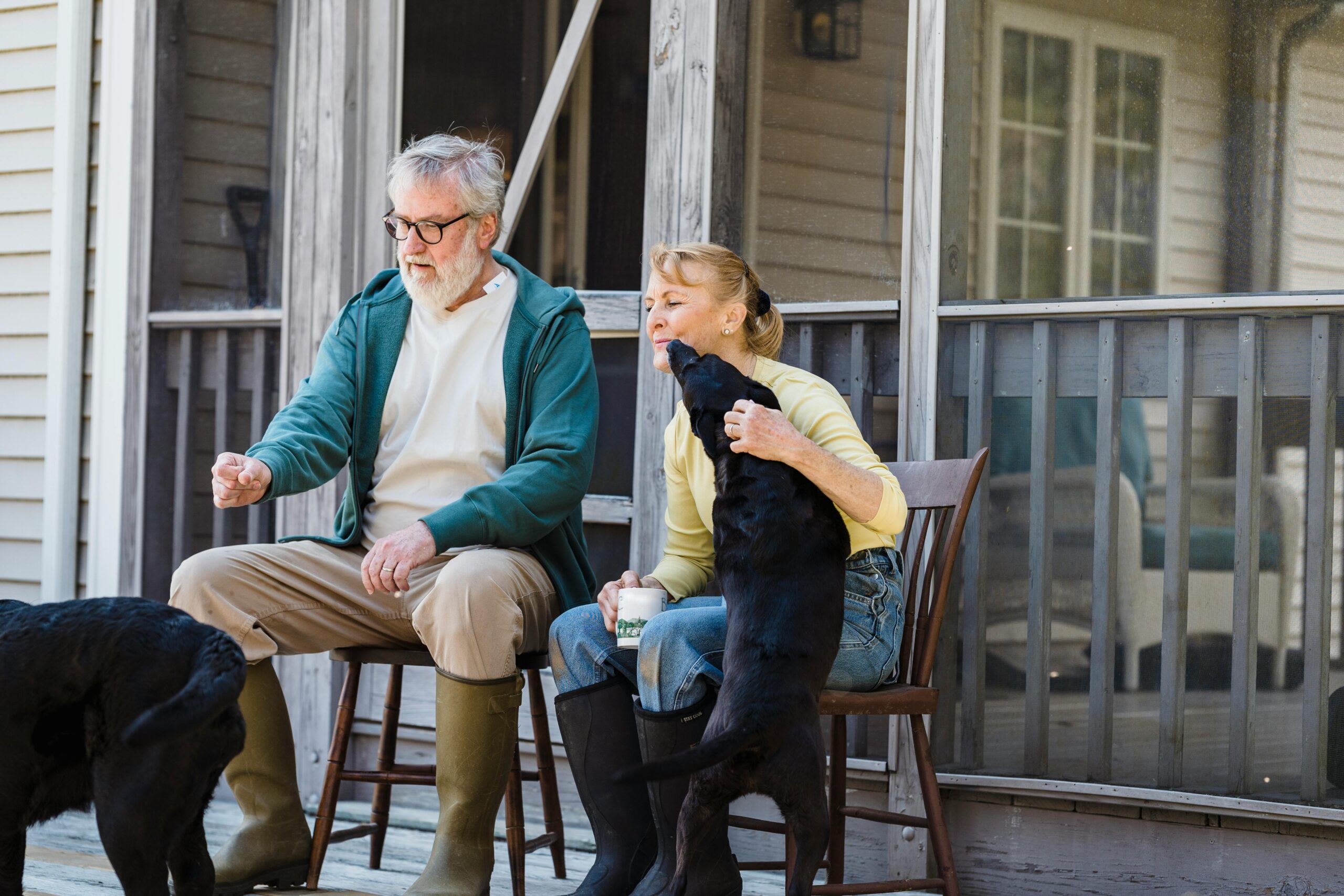
The Benefits of Owning a Pet in Retirement — Why a Furry Friend Could Change Your Life
There’s a reason pet ownership is so common among Australians over 60 — and it goes far beyond simple companionship. The research on pets and healthy ageing is remarkably consistent. Pet owners live longer, experience less depression, stay more physically active, feel less lonely, and report higher overall life satisfaction than non pet owners. If you’ve been thinking about getting a pet in retirement here’s everything you need to know about why it might be one of the best decisions you ever make.
What the Research Says
The health benefits of pet ownership for older adults have been studied extensively and the findings are compelling.
A landmark study from the University of Melbourne found that pet owners had significantly lower blood pressure, lower cholesterol levels, and lower rates of heart disease than non pet owners — even after controlling for lifestyle factors like diet and exercise.
Research from the University of Western Australia found that dog owners walked significantly more than non dog owners — meeting and exceeding the recommended weekly physical activity guidelines at much higher rates.
Multiple studies have found that pet owners experience significantly lower rates of depression, anxiety, and loneliness — with the effect being particularly pronounced among older adults living alone.
1. Unconditional Companionship
The most obvious benefit of pet ownership — and the one most difficult to replicate through any other means — is the unconditional companionship a pet provides.
A pet is always pleased to see you. Always interested in your company. Never distracted, never too busy, never critical. For Australians over 60 who live alone or whose social networks have contracted through retirement and life changes this consistent loving presence can be profoundly meaningful.
The bond between older adults and their pets is genuinely deep — many pet owners describe their animal as one of their closest companions and say the relationship has significantly improved their daily life.
2. Physical Health Benefits
The physical health benefits of pet ownership — particularly dog ownership — are well documented.
Dog owners walk significantly more than non dog owners. A dog needs walking every day regardless of how motivated you feel — and that daily commitment produces consistent physical activity that delivers real health benefits including lower blood pressure, improved cardiovascular health, healthy weight maintenance, and stronger bones and muscles.
Even cat ownership has been associated with lower stress hormone levels, lower blood pressure, and reduced risk of heart attack and stroke — likely through the stress reducing effect of stroking and interacting with a cat.
3. Mental Health and Emotional Wellbeing
The mental health benefits of pet ownership for older adults are among the most well researched and consistently demonstrated findings in the field of healthy ageing.
Pet owners experience significantly lower rates of depression than non pet owners. The act of caring for another living creature provides purpose, routine, and the satisfaction of being needed — all of which are powerful antidotes to the purposelessness that can accompany retirement.
Stroking a pet triggers the release of oxytocin — the bonding hormone — and reduces cortisol the primary stress hormone. This physiological response is measurable and consistent — simply spending time with a pet genuinely changes your brain chemistry in positive ways.
4. Social Connection
Pets — particularly dogs — are remarkable social facilitators. Dog walking creates regular opportunities for interaction with neighbours and other dog owners that would simply not occur otherwise.
The dog park, the footpath, the local park — all become social spaces when you have a dog. Many retired Australians report that their dog has introduced them to more new people than any other social activity.
Pet ownership also provides endless natural conversation topics — pet stories are universally relatable and a reliable social icebreaker in any setting.
5. Routine and Structure
One of the underappreciated challenges of retirement is the loss of the daily structure that work provides. Without a reason to get up at a consistent time many retirees find their days becoming shapeless — which can contribute to low mood and reduced motivation.
A pet — particularly a dog — imposes a gentle but reliable daily structure. The morning walk, the feeding times, the evening routine — these consistent daily touchpoints provide a framework for the day that many retired people find surprisingly valuable.
6. Sense of Purpose
Being needed — having something that depends on you for its care and wellbeing — is a fundamental human need that retirement can sometimes deprive people of.
A pet needs you. It depends on you for food, exercise, health care, and companionship. Meeting those needs provides a consistent daily sense of purpose that is genuinely meaningful — particularly for people who are adjusting to the loss of the professional purpose that work provided.
7. Cognitive Benefits
Emerging research suggests that pet ownership may have protective effects on cognitive health in older adults. The mental engagement of caring for a pet — remembering feeding schedules, medication, vet appointments — provides ongoing cognitive stimulation.
More significantly the social interaction that pet ownership facilitates — particularly dog walking — is itself associated with reduced cognitive decline. The combination of physical activity, social contact, and purposeful routine that dog ownership provides addresses multiple risk factors for dementia simultaneously.
Choosing the Right Pet for Your Retirement
Not every pet suits every person or every lifestyle. Here’s a simple guide to choosing the right pet for your situation:
Dogs — best for: Active retirees who want daily exercise and strong companionship. Consider your living situation — apartment vs house with yard — and choose a breed whose exercise needs match your lifestyle. Smaller breeds often suit apartment living better. Older rescue dogs can be wonderful companions with lower energy requirements than puppies.
Cats — best for: People who want companionship without the commitment of daily walks. Cats are independent, lower maintenance than dogs, and perfectly suited to apartment living. They provide genuine companionship and affection on their own terms.
Birds — best for: People who enjoy interaction and entertainment without the physical demands of a dog or cat. Some bird species — particularly parrots and cockatiels — can be remarkably social and entertaining companions.
Fish — best for: Anyone who wants the calming benefits of watching animals without the hands on care demands of other pets. Research has found that watching fish significantly reduces stress and blood pressure — the reason aquariums are common in medical waiting rooms.
Small animals — best for: People with limited space or mobility who want a companion animal with modest care requirements. Guinea pigs and rabbits can be gentle affectionate companions.
Practical Considerations Before Getting a Pet
Your lifestyle and mobility Be honest about your current lifestyle and any limitations. A high energy dog breed is a poor match for someone with limited mobility. Choose a pet whose care requirements genuinely fit your life.
Your living situation Check your rental agreement or body corporate rules if applicable. Many apartments and rental properties have restrictions on pet ownership.
The financial commitment Pet ownership involves ongoing costs — food, veterinary care, grooming, and boarding when you travel. Factor these costs into your budget before committing.
Your travel plans If you plan to travel regularly consider how your pet will be cared for in your absence. Pet sitting, boarding, and travelling with your pet all have different implications depending on the animal.
Your long term health Consider your likely health trajectory honestly. A pet is a long term commitment — dogs can live 10 to 15 years. If your health may change significantly it’s worth having a plan for your pet’s care if you become unable to care for them.
Adoption vs Buying
Australia has thousands of animals in shelters waiting for loving homes — and older rescue animals in particular make wonderful companions for retired Australians.
Older rescue dogs and cats are typically calmer, already house trained, and their personality is known — making them a more predictable match than a puppy or kitten. The RSPCA and local animal shelters across Australia have animals of all ages available for adoption.
Adopting a rescue animal also provides the deep satisfaction of giving a deserving animal a second chance — an added layer of meaning to an already rewarding decision.
The Bottom Line
The evidence for the health and happiness benefits of pet ownership in retirement is compelling and consistent. If you’ve been thinking about getting a pet the research strongly suggests it’s one of the best investments in your wellbeing you can make.
Choose the right pet for your lifestyle, be realistic about the commitment involved, and consider giving a rescue animal a loving home. The companionship, the purpose, the physical activity, and the joy that a pet brings to daily life in retirement are genuinely difficult to replicate through any other means.