How to Choose Between a Caravan, Motorhome and Camper Trailer
Choosing how you are going to travel Australia is one of the biggest decisions you will make before hitting the road.
For many retirees, the choice comes down to three options:
A caravan
A motorhome
A camper trailer
All three can be brilliant ways to explore Australia, but they suit very different travellers.
Your budget matters, but so do comfort, towing confidence, physical ability, the places you want to visit and how long you plan to spend on the road.
Here is how to work out which option might suit you best.
Caravan, Motorhome or Camper Trailer?
Before comparing them, it helps to understand the basic difference.
A caravan is your accommodation towed behind a separate vehicle. Once you arrive, you can unhitch and use your vehicle independently.
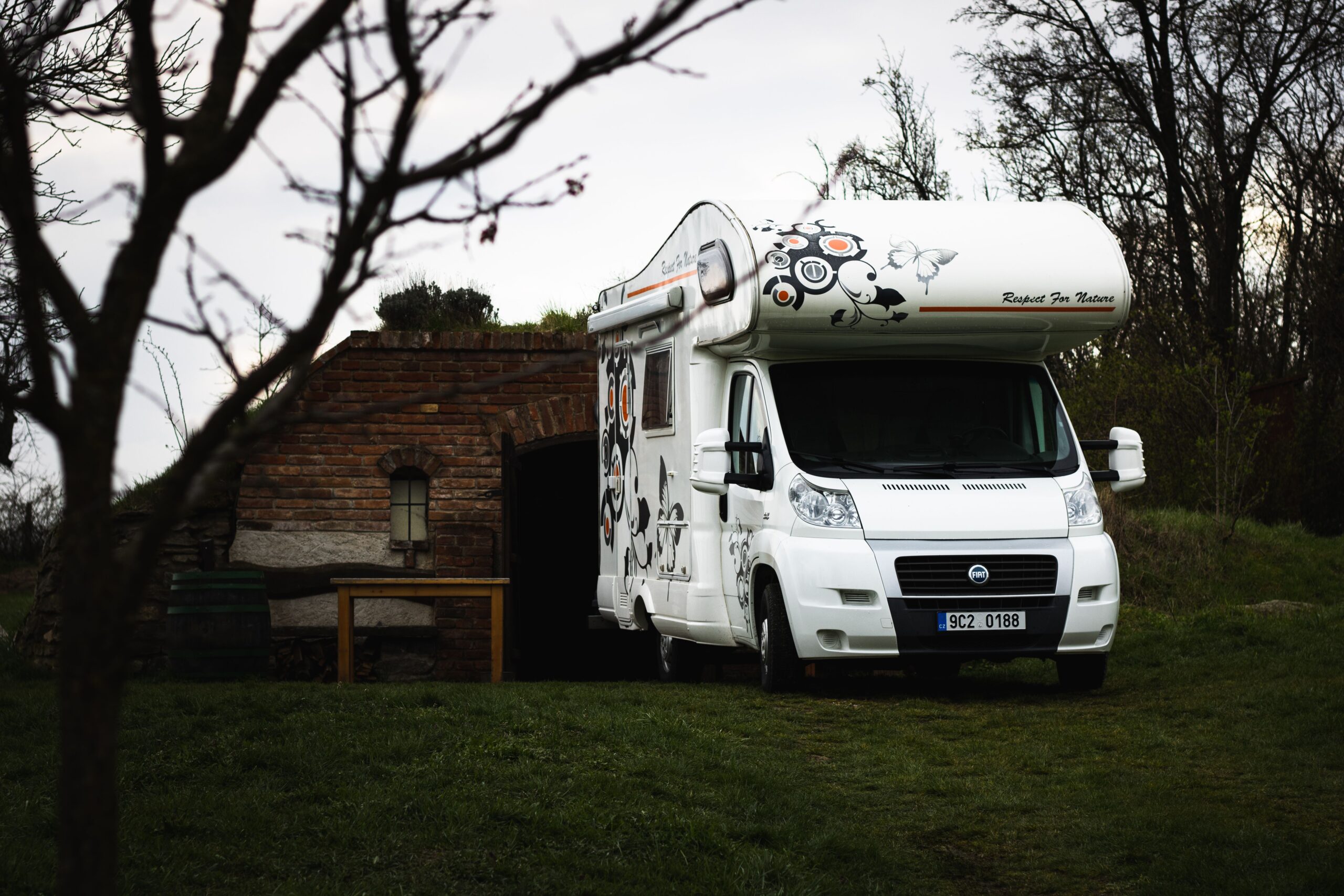
A motorhome combines your vehicle and accommodation into one unit.
A camper trailer is generally a smaller and lighter trailer that opens or unfolds at camp, usually providing fewer facilities than a full caravan.
None is automatically better.
The right choice depends on how you actually want to travel.
Choosing a Caravan
For many Australian retirees, a caravan offers a good balance between comfort and flexibility.
Advantages of a Caravan
You have a separate vehicle
Once the caravan is set up, you can unhitch and use your vehicle for shopping, sightseeing and day trips.
That can be particularly useful if you plan on staying several nights in each destination.
Plenty of living space
Larger caravans can provide impressive kitchens, bathrooms, storage and sleeping areas.
If you plan to spend months travelling Australia, that extra space can become increasingly valuable.
Plenty of choice
The Australian caravan market includes everything from small lightweight models to large touring and off road caravans.
That gives you plenty of flexibility when choosing something that suits your budget and travel plans.
Disadvantages of a Caravan
You need to be comfortable towing
Towing, reversing and manoeuvring a caravan takes practice.
For someone who has never towed before, this can be one of the biggest adjustments.
Your vehicle needs to be suitable
Do not assume your existing vehicle can safely tow the caravan you want.
You need to consider the manufacturer’s limits for the vehicle, trailer and towing components as well as the weight you add through passengers, water, fuel, luggage and equipment.
The maximum ratings for things such as GVM, GCM and ATM must not be exceeded.
If you are uncertain, get professional advice before buying the caravan.
There is some setup involved
Arriving can involve unhitching, levelling and connecting power, water or other equipment.
How much work is required depends heavily on your setup.
Choosing a Motorhome
A motorhome puts your transport and accommodation into a single vehicle.
For some travellers, that simplicity is its biggest attraction.
Advantages of a Motorhome
No towing
There is no caravan sitting behind you and no hitching or unhitching at your destination.
If towing makes you uncomfortable, this can be a major advantage.
Arriving can be simple
Pull into your campsite, park and complete whatever setup your particular motorhome requires.
This can work particularly well for travellers who frequently move between destinations.
Everything is contained in one vehicle
Your kitchen, bed, storage and other facilities travel with you.
That can make a motorhome particularly convenient for touring where you change locations regularly.
Disadvantages of a Motorhome
Your home is also your vehicle
Want to drive into town?
Unless you have another form of transport, your motorhome comes with you.
Depending on your setup, that can mean packing things away before leaving camp.
Purchase and running costs
Motorhomes can represent a substantial investment.
Remember to consider more than the purchase price.
Registration, insurance, fuel, servicing, tyres, repairs and ongoing maintenance should all form part of your budget.
Size can matter
A larger motorhome can be less convenient in tight car parks, smaller campsites and some destinations.
Think carefully about where you want to travel before assuming bigger is better.
Choosing a Camper Trailer
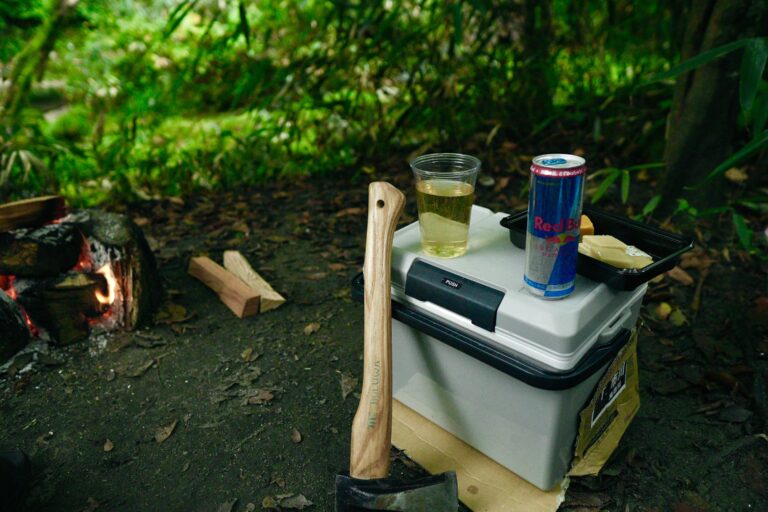
Camper trailers generally offer a simpler style of travel.
They can be an excellent option for people who value compact size and outdoor living more than having every possible comfort.
Advantages of a Camper Trailer
Smaller and lighter options are available
Depending on the particular trailer, this may open up towing options that would not be practical with a large caravan.
But you still need to check the towing limits of your exact vehicle and trailer combination.
Great for outdoor focused travel
If you enjoy spending most of your time outside and mainly need somewhere comfortable to sleep and cook, a camper trailer can make a lot of sense.
Off road models are available
Some camper trailers are specifically designed for rougher roads and remote travel.
If that is your goal, look beyond the marketing and make sure the particular model is genuinely suitable for the conditions you intend to tackle.
Disadvantages of a Camper Trailer
Less living space
You generally sacrifice some indoor space and facilities compared with a full caravan or motorhome.
That might not bother you for a weekend.
After several weeks of bad weather, you might feel differently.
Setup can require more effort
Some camper trailers require considerably more unfolding, lifting and packing away than others.
This is particularly important if mobility, strength or joint problems are a consideration.
Before buying one, actually go through the setup and pack up process yourself.
Do not just watch the salesperson do it.
The Questions That Actually Matter
Instead of asking which option is best, ask yourself:
How comfortable am I towing?
If the idea of towing a large caravan makes you nervous, do not ignore that simply because caravans are popular.
How much setup am I willing to do?
Think about doing it after six hours on the road, not just on a sunny Saturday morning at the dealership.
How much space do I really need?
There is a big difference between travelling for two weeks and living on the road for six months.
Do I want a separate vehicle at camp?
If you regularly want to explore towns and attractions after setting up, this could heavily influence your decision.
Where do I want to travel?
Caravan parks and sealed highways place very different demands on a setup compared with remote roads and bush camps.
What can I comfortably afford?
Include the entire setup.
Purchase price, tow vehicle if required, insurance, registration, fuel, servicing, maintenance and the equipment you will need before leaving.
Do a Trial Trip Before You Buy
This might save you more money than anything else in this article.
Before spending tens of thousands of dollars on a setup, try the style of travel first.
Hire a motorhome.
Hire a caravan if you have an appropriate vehicle and towing experience.
Borrow a camper trailer.
Take a short trip.
You may discover that you love something you had dismissed.
Or you might discover that the setup you had been dreaming about is completely wrong for you.
A few nights of real travel can teach you things that hours of research cannot.
If you are thinking about travelling Australia for an extended period, read our guide to planning your Big Lap:
Already Chosen a Caravan?
Once you have decided a caravan is right for you, the next challenge is working out what you actually need to take.
Our beginner caravan gear guide covers the essentials worth considering before your first trip:
The Bottom Line
There is no universal winner between a caravan, motorhome and camper trailer.
A caravan can offer space and independent transport.
A motorhome can simplify moving regularly without towing.
A camper trailer can provide a smaller and more outdoor focused setup.
The best option is the one that suits your budget, confidence, physical ability and style of travel.
Try before you buy whenever possible.
Then choose the setup that will actually make you want to use it.
What do you travel in: caravan, motorhome or camper trailer? Would you choose the same setup again?