The Best Hiking Trails in Australia: A Complete Guide
Australia is home to some of the most spectacular hiking trails in the world.
You can walk beneath ancient rainforest in Queensland, follow dramatic cliffs in Tasmania, explore rugged mountain country in Victoria or spend days travelling through some of the most remote landscapes in Australia.
And you do not need to be an extreme hiker to enjoy them.
There are Australian hiking trails for almost every level of experience, from relaxed day walks to demanding multi day adventures.
The important part is choosing a trail that suits your fitness, experience and preparation.
Here are some of the best hiking destinations and trails around Australia.
Before You Choose a Hiking Trail
Distance alone does not tell you how difficult a walk will be.
A short trail with steep climbs, hundreds of steps and rough terrain can be considerably harder than a longer walk on a well formed path.
Before choosing a trail, check:
Distance
Expected walking time
Track grade
Elevation and steep sections
Terrain
Weather
Water availability
Facilities
Mobile reception
Current track conditions and closures
Do not assume that because you completed a particular distance somewhere else, another walk of the same distance will feel the same.
If you are specifically looking for walks suitable for different fitness levels after 60, we have a separate guide here:
1. Three Capes Track, Tasmania
Tasmania is one of Australia’s great hiking destinations, and the Three Capes Track is one of its standout experiences.
Located in Tasman National Park, the multi day journey takes walkers through forests and spectacular coastal landscapes towards Cape Pillar and Cape Hauy.
The official experience is completed over four days and includes purpose built overnight accommodation along the route. Tasmania Parks also schedules annual maintenance closures, so checking current information before booking is important.
Best for: Experienced walkers wanting a multi day adventure
Why we like it: Extraordinary coastal scenery combined with a well established multi day walking experience
This is still a serious hike.
You need to be comfortable walking on consecutive days while carrying the equipment required for the trip.
2. Cradle Mountain and Dove Lake, Tasmania
Cradle Mountain offers everything from relatively approachable walks around Dove Lake to much more demanding alpine adventures.
That variety is part of what makes the area so appealing.
You can enjoy views of Cradle Mountain without attempting the summit.
More experienced walkers can choose longer and more challenging routes.
Best for: Walkers wanting alpine scenery with different trail options
Why we like it: You can choose a walk that matches your ability rather than having to tackle one specific trail
Weather is an important consideration.
Conditions in Tasmania’s alpine areas can change quickly, so check the forecast and current park information before leaving.
3. Cape Hauy, Tasmania
Cape Hauy sits within the same spectacular Tasman Peninsula landscape as the Three Capes Track.
The walk rewards hikers with dramatic views across towering sea cliffs and the Southern Ocean.
But do not underestimate it.
There are substantial numbers of steps and demanding sections along the route.
Best for: Fit and experienced day walkers
Why we like it: Some of Tasmania’s most dramatic coastal scenery
This is not an easy coastal stroll.
If you are building your fitness or returning to hiking after a long break, choose an easier trail first.
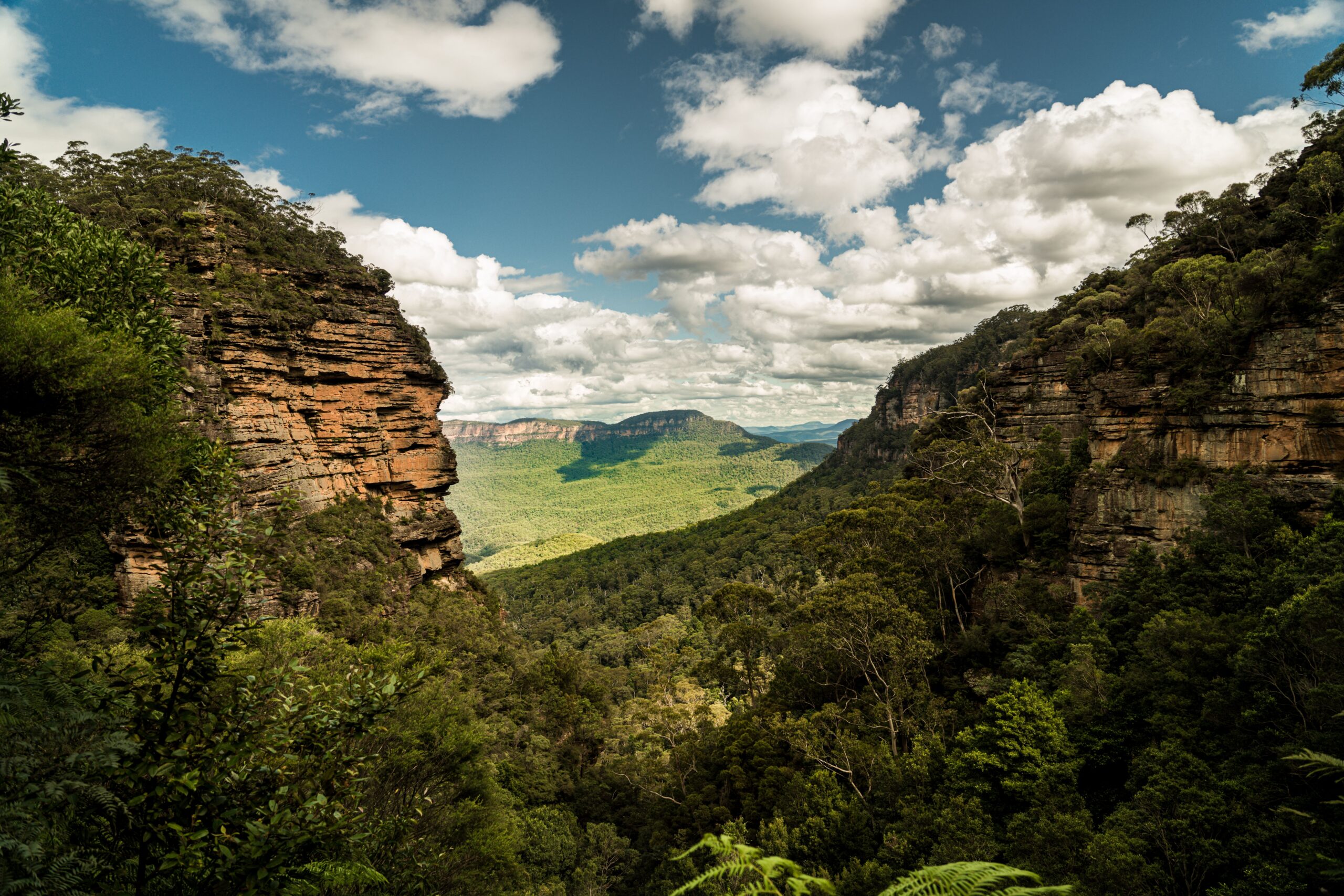
4. Blue Mountains, New South Wales
The Blue Mountains are brilliant because there is no single trail you need to complete.
Around Katoomba, Leura, Blackheath and Wentworth Falls you can find short lookout walks, waterfalls, bush tracks and demanding day hikes.
Best for: Almost every experience level
Why we like it: Huge variety within easy reach of Sydney
Current conditions matter here.
Rockfalls, landslides, maintenance and weather can result in track closures.
For example, National Pass is currently closed between Valley of the Waters and Slacks Stairs because of rockfall.
Rather than recommending a trail that may be inaccessible, check NSW National Parks before your visit and choose from the walks currently open.
5. Overland Track, Tasmania
The Overland Track is one of Australia’s best known multi day walks.
It travels through the Tasmanian Wilderness World Heritage Area, passing mountains, forests, lakes and alpine landscapes.
This is a very different undertaking from an ordinary day hike.
You need appropriate equipment, physical preparation and the ability to spend several days walking in changing conditions.
Best for: Experienced multi day hikers
Why we like it: One of Australia’s classic wilderness experiences
If a multi day hike like this is on your bucket list, prepare specifically for it rather than assuming ordinary walking fitness will be enough.
6. Larapinta Trail, Northern Territory
The Larapinta Trail runs through the spectacular West MacDonnell Ranges in Central Australia.
It is one of Australia’s great long distance walking experiences, but you do not have to complete the entire trail.
Individual sections can provide a taste of the landscape without committing to a full end to end journey.
Best for: Experienced walkers and people looking for remote Australian landscapes
Why we like it: Extraordinary ranges, gorges and desert scenery
Central Australian conditions deserve respect.
Heat, water availability, remoteness and communication all need to form part of your planning.
Choose the appropriate season and check current local information before setting out.
7. Great Ocean Walk, Victoria
The Great Ocean Walk follows Victoria’s spectacular south west coastline.
One of its biggest advantages is flexibility.
You can experience sections of the trail as day walks or tackle a longer multi day journey.
Best for: Coastal walkers who want plenty of options
Why we like it: Dramatic coastal scenery and the ability to choose shorter sections
Conditions and difficulty vary along the route, so research the exact section you intend to walk rather than treating the entire trail as one difficulty level.
8. Grampians, Victoria
Gariwerd, or the Grampians, offers some of Victoria’s most impressive hiking scenery.
The region has everything from lookouts and shorter walks to more demanding mountain trails.
The Pinnacle is one of the best known walking destinations, while Boroka Lookout provides sweeping views without requiring a major hike.
Best for: Walkers who enjoy mountain scenery and varied trail options
Why we like it: Plenty of choices for different abilities
I would remove Mackenzie Falls from the current article for now.
The Mackenzie Falls precinct, including its carpark and walking tracks, is closed for major construction during 2026, with works anticipated to finish by the end of the year. Parks Victoria lists Boroka Lookout, Reeds Lookout, the Balconies and other locations as alternatives that remain available.
Always check current Parks Victoria conditions before travelling.
9. Noosa National Park, Queensland
You do not have to disappear into remote wilderness to enjoy a great Australian hike.
Noosa National Park combines coastal scenery, beaches and bushland with the convenience of being close to Noosa.
The coastal tracks also give walkers some flexibility over how far they travel before turning around.
Best for: Coastal walking and shorter hiking days
Why we like it: Beautiful scenery without requiring a remote expedition
Queensland heat and humidity can dramatically change how difficult a walk feels.
During warmer periods, consider walking earlier in the day and make sure you carry adequate water.
10. Daintree and Wet Tropics, Queensland
Far North Queensland offers a completely different walking experience.
Here the attraction is ancient tropical rainforest rather than mountains or open coastline.
There are walking opportunities throughout the Wet Tropics region, ranging from short rainforest boardwalks to more demanding trails.
Best for: Rainforest lovers
Why we like it: A completely different environment from Australia’s southern hiking regions
Heat, humidity and heavy rainfall can affect conditions considerably.
Check local park information before heading out.
11. Flinders Ranges, South Australia
The Flinders Ranges provide some of the most recognisable landscapes in South Australia.
Wilpena Pound and the surrounding ranges offer walking opportunities for different abilities, from shorter trails to demanding climbs.
Best for: Outback landscapes and experienced bushwalkers
Why we like it: Spectacular geological scenery and a completely different hiking experience from coastal Australia
Again, temperature matters.
Plan around appropriate conditions and carry enough water for the walk you are attempting.
12. Wilsons Promontory, Victoria
Wilsons Promontory combines beaches, granite mountains and coastal bushland.
There are shorter walks around popular areas as well as longer hikes for experienced walkers.
Best for: Coastal scenery and varied walking options
Why we like it: You can combine hiking with beaches and wildlife in the same trip
It is another destination where you can choose the difficulty rather than feeling that you need to tackle the hardest trail available.
Useful Hiking Gear
You do not need to buy half the outdoor shop before going hiking.
What you need depends on the trail, weather, distance and remoteness.
For an ordinary day hike, the basics might include:
Water
Appropriate footwear
Sun protection
Weather appropriate clothing
Food or snacks
Navigation information
A charged phone
Basic first aid supplies
For longer or more remote walks, your preparation needs to increase considerably.
Hiking Poles
Walking poles can provide extra stability on uneven terrain and can be particularly useful on steep climbs and descents.
If you enjoy using them, an adjustable pair that packs down easily can be useful when travelling.
Check hiking poles on Amazon Australia
As an Amazon Associate I earn from qualifying purchases.
I would keep only this Amazon link on this article.
Your dedicated hiking gear guide is the better place to monetise readers who are actively shopping.
For the complete equipment guide, read:
Do You Need a Personal Locator Beacon?
For an ordinary urban or well serviced walk, a PLB may not be necessary.
Remote hiking is different.
If you are walking somewhere without reliable mobile reception, carrying an appropriate emergency communication device can provide another way to call for assistance if something goes seriously wrong.
Do not assume your phone will work everywhere.
Before heading into remote areas, think about how you would contact emergency services if there were no mobile signal.
You already have a dedicated PLB article on the site. I would keep the existing internal link from this section rather than guessing or changing its URL.
Hiking Safely in Australia
Australia’s hiking environments vary enormously.
A rainforest walk in Queensland presents different challenges from an alpine hike in Tasmania or a remote trail in Central Australia.
There are still some principles worth following wherever you walk.
Tell someone where you are going.
Tell them when you expect to return.
Check the weather.
Check current track conditions.
Carry enough water.
Wear appropriate clothing and footwear.
Know your route.
Understand your own ability.
Turn around if conditions deteriorate.
Do not rely entirely on mobile reception in remote areas.
The goal is not simply reaching the end.
It is getting back safely as well.
Ticks and Insects
Ticks and mosquitoes can be a consideration in some parts of Australia.
Use appropriate insect repellent and check yourself after walking through affected areas.
If you find an attached tick, do not simply squeeze or forcibly pull it out.
Current Healthdirect guidance advises killing an attached tick with an ether containing freezing spray and allowing it to drop off. People with known tick allergy or mammalian meat allergy should seek appropriate medical advice.
If someone develops difficulty breathing or collapses following a tick bite, call Triple Zero on 000.
Hiking After 60
Being over 60 does not automatically determine which trails you can or cannot walk.
There are people in their 60s and 70s completing demanding multi day hikes.
There are also people who are much happier walking a few kilometres along the coast.
Both count.
What matters is choosing walks appropriate for your fitness, mobility, experience and health.
If you are building your fitness, start comfortably.
Walk regularly.
Gradually increase distance.
Add hills.
Get used to walking on uneven terrain.
If you are preparing for a particularly demanding hike and have health concerns, discuss your plans with an appropriate health professional.
You Do Not Need to Complete the Hardest Trail
One of the easiest traps in hiking is turning every walk into an achievement test.
You do not have to climb the highest mountain.
You do not have to complete the entire trail.
And you do not have to keep walking because somebody else in the group is faster than you.
Sometimes the best walk is three kilometres to an incredible lookout and back.
Australia has enough hiking trails to last a lifetime.
Choose the ones you will actually enjoy.
Start Exploring Australia on Foot
From the cliffs of Tasmania to the deserts of Central Australia, the rainforests of Queensland and the mountains of Victoria and New South Wales, walking gives you a completely different way to experience the country.
Start with trails that suit your current ability.
Prepare properly.
Check current conditions.
Build your fitness gradually.
Then keep exploring.
You might be surprised how far your own two feet can take you.
What is the best hiking trail you have completed in Australia?