How to Improve Your Sleep After 60 — A Practical Guide
Many people accept poor sleep as an inevitable part of getting older — waking frequently through the night, struggling to fall asleep, or waking far earlier than they’d like. While sleep does naturally change with age, chronic poor sleep is not something you simply have to live with. Understanding why sleep changes after 60 — and what genuinely helps — can make a significant difference to both the quality of your sleep and your overall health. Here’s a practical guide.
Why Sleep Changes After 60
Understanding the biological changes behind ageing sleep patterns helps explain why some changes are normal — and which issues are worth addressing.
Reduced deep sleep The proportion of deep, restorative sleep naturally decreases with age — meaning sleep can feel lighter and less satisfying even with adequate total hours.
Changes to circadian rhythm Many older adults experience a shift toward earlier sleep and wake times — feeling tired earlier in the evening and waking earlier in the morning. This is a normal biological shift rather than a sign of poor sleep.
More frequent waking Older adults tend to wake more often during the night — often due to needing to use the bathroom, joint discomfort, or simply lighter overall sleep architecture.
Reduced melatonin production The body produces less melatonin — the hormone that regulates sleep — with age, which can make falling asleep and maintaining consistent sleep patterns more difficult.
Medical conditions and medications Chronic pain, sleep apnoea, restless leg syndrome, and certain medications can all significantly affect sleep quality and become more common with age.
How Much Sleep Do You Actually Need After 60?
The widely cited recommendation for adults over 65 is seven to eight hours of sleep per night — similar to younger adults, despite the common assumption that older people need less sleep.
What often changes is sleep continuity — older adults may need the same total hours but achieve them differently, sometimes including a short daytime nap alongside a slightly shorter night’s sleep.
Practical Strategies for Better Sleep
1. Keep a consistent sleep schedule
Going to bed and waking at the same time every day — including weekends — helps regulate your circadian rhythm and can significantly improve sleep quality over time.
2. Get natural light exposure during the day
Morning sunlight exposure helps regulate melatonin production and circadian rhythm. A short walk outside in the morning can meaningfully improve sleep quality that night.
3. Limit daytime napping
While a short nap — 20 to 30 minutes — can be beneficial, longer or later afternoon naps can interfere with night time sleep. If you nap, keep it brief and earlier in the day.
4. Be mindful of caffeine and alcohol
Caffeine’s effects last longer than many people realise — avoiding it from early afternoon onward can improve sleep quality. Alcohol may help you fall asleep initially but disrupts sleep quality later in the night.
5. Limit fluids before bed
Reducing fluid intake in the hour or two before bed can reduce the frequency of night time bathroom trips that interrupt sleep.
6. Create an ideal sleep environment
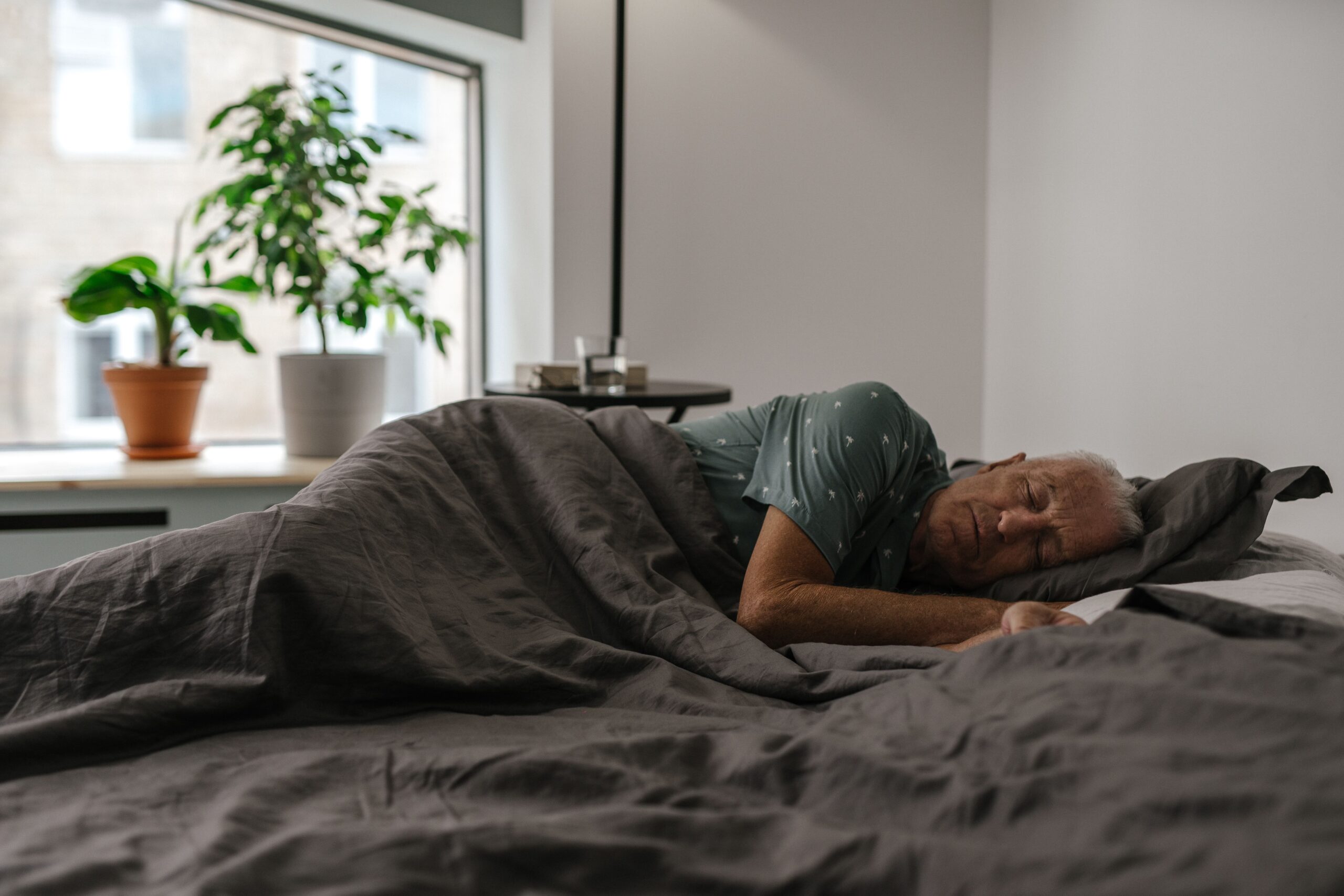
A cool, dark, quiet bedroom supports better sleep. Consider blackout curtains, a comfortable mattress and pillows suited to your needs, and removing screens from the bedroom.
7. Stay physically active during the day
Regular physical activity — even gentle activity like walking — is associated with improved sleep quality. As I wrote in the best low impact exercises for Australians over 60 — consistent movement benefits far more than just physical strength.
8. Manage pain proactively
Chronic pain is one of the most significant sleep disruptors for older adults. Discussing pain management strategies with your GP — rather than accepting disrupted sleep as inevitable — can make a meaningful difference.
9. Wind down with a consistent bedtime routine
A predictable pre-sleep routine — reading, gentle stretching, a warm shower — signals to your body that it’s time to wind down, making it easier to fall asleep.
10. Limit screen time before bed
The blue light from phones, tablets, and televisions can interfere with melatonin production. Reducing screen use in the hour before bed supports better sleep onset.
When Poor Sleep Might Indicate Something More
While some sleep changes are a normal part of ageing, certain patterns warrant a conversation with your GP rather than being accepted as inevitable.
Worth discussing with your GP:
- Loud snoring or gasping during sleep — possible signs of sleep apnoea
- Persistent difficulty falling or staying asleep despite good sleep habits
- Excessive daytime sleepiness affecting daily activities
- Uncomfortable sensations in the legs that worsen at rest — possible restless leg syndrome
- Sleep difficulties that began suddenly or worsened significantly
Sleep apnoea in particular is both common and significantly underdiagnosed in older adults — and treating it can dramatically improve sleep quality, energy levels, and broader health outcomes including cardiovascular health.
The Connection Between Sleep and Overall Health
Quality sleep after 60 isn’t just about feeling rested — it’s connected to a wide range of health outcomes that matter significantly in later life.
Poor sleep has been linked to:
- Increased fall risk due to daytime fatigue and reduced alertness
- Higher risk of cognitive decline and dementia
- Weakened immune function
- Increased risk of depression and anxiety
- Poorer cardiovascular health
- Reduced ability to manage chronic health conditions
This connection is one of the reasons addressing sleep difficulties proactively — rather than simply accepting them — is a genuinely worthwhile health investment.
A Note on Sleep Medication
Many older Australians are prescribed sleep medication at some point, and while this can be appropriate in specific circumstances, sleeping tablets carry particular risks for older adults — including increased fall risk, next day drowsiness, and dependency with longer term use.
If sleep medication has been suggested, it’s worth discussing with your GP whether non medication strategies have been fully explored first, and ensuring any medication is used at the lowest effective dose for the shortest appropriate time.
The Bottom Line
Sleep does change with age — but persistent poor sleep is not something you simply have to accept as the cost of getting older.
Small, consistent changes to routine, light exposure, activity levels, and sleep environment can make a meaningful difference. And where sleep difficulties persist despite good habits, a conversation with your GP can identify treatable underlying causes that are easy to miss.
Good sleep at 60, 70, or 80 is absolutely still possible — it just sometimes requires a slightly different approach than it did at 30.
Have you found strategies that have genuinely improved your sleep? Share them in The Good Years Club community — we’d love to hear what’s worked for you 💙
👉 Join The Good Years Club Community — https://www.facebook.com/share/g/1Fw4FHNpJr/