The Best Dog Breeds for Retirees in Australia: Finding the Right Companion
A dog can be a wonderful companion in retirement
Retirement can be a wonderful time to welcome a dog into your life.
A dog can provide companionship, encourage you to get outside, create opportunities to meet other people and bring structure and enjoyment to your daily routine.
But choosing a dog in retirement is different from choosing one when you are younger.
You need to think about how much exercise you can realistically provide, grooming requirements, size, temperament, ongoing costs and whether the dog will still suit your lifestyle several years from now.
The best dog for retirement is not necessarily the smallest, quietest or most popular breed.
It is the dog that fits your lifestyle.
This guide looks at several breeds that may suit different types of Australian retirees, along with the advantages and potential challenges of each.
What should retirees look for in a dog?
Before choosing a breed, think carefully about what you can realistically manage.
🏃 Exercise requirements
Some dogs are happy with a couple of short walks each day, while others need hours of physical activity and mental stimulation.
Be honest about how much exercise you can provide now and how that could change in the future.
🐕 Size
A large dog can be wonderful, but size is worth considering.
Larger dogs can be harder to control on a lead, more expensive to feed and potentially more difficult to manage if your mobility changes.
Smaller and medium sized dogs may be easier for some retirees to handle.
✂️ Grooming
Grooming requirements vary enormously between breeds.
Some dogs need regular professional grooming, while others require little more than an occasional brush.
Make sure you consider both the time and ongoing cost involved.
❤️ Temperament
A calm, affectionate and adaptable temperament can be particularly important for a retirement companion.
However, every individual dog is different. Breed characteristics can give you an indication of what to expect, but they do not guarantee a particular personality.
💰 Ongoing costs
The cost of owning a dog goes well beyond the initial adoption or purchase fee.
Consider:
- Food
- Veterinary care
- Vaccinations
- Flea and worm treatments
- Grooming
- Pet insurance
- Training
- Boarding or pet sitting
- Unexpected medical expenses
🏡 Your living situation
Think about where you live and how much space you have.
Some dogs are perfectly comfortable in apartments or smaller homes, while others are better suited to a house with access to a secure yard.
8 Dog Breeds That May Suit Retirees
🐶 Cavalier King Charles Spaniel
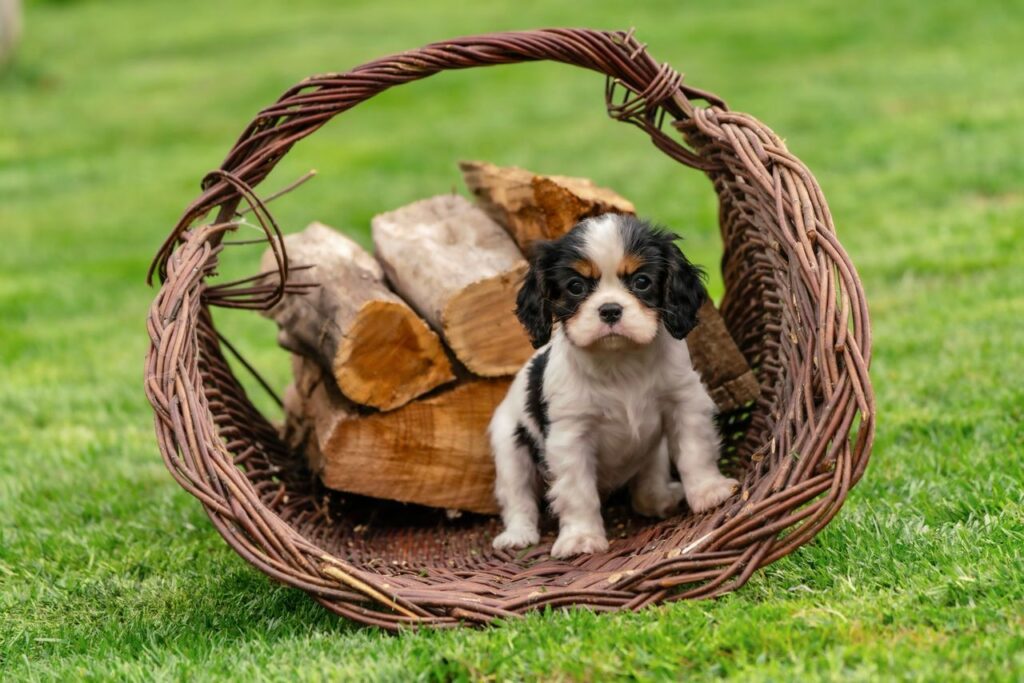
Best for: Companionship and quieter households
Size: Small
Energy level: Low to moderate
Grooming: Moderate
The Cavalier King Charles Spaniel is a popular companion dog and can be well suited to retirees looking for an affectionate dog that enjoys spending time with its owner.
Cavaliers generally enjoy gentle walks and plenty of time with their people. Their small size can also make them easier to manage than a large breed.
They can suit houses and apartments, provided they receive appropriate exercise and attention.
Things to consider: Cavaliers can be prone to several health conditions, so anyone considering the breed should research its health history carefully and be prepared for potential veterinary costs.
🐶 Bichon Frise
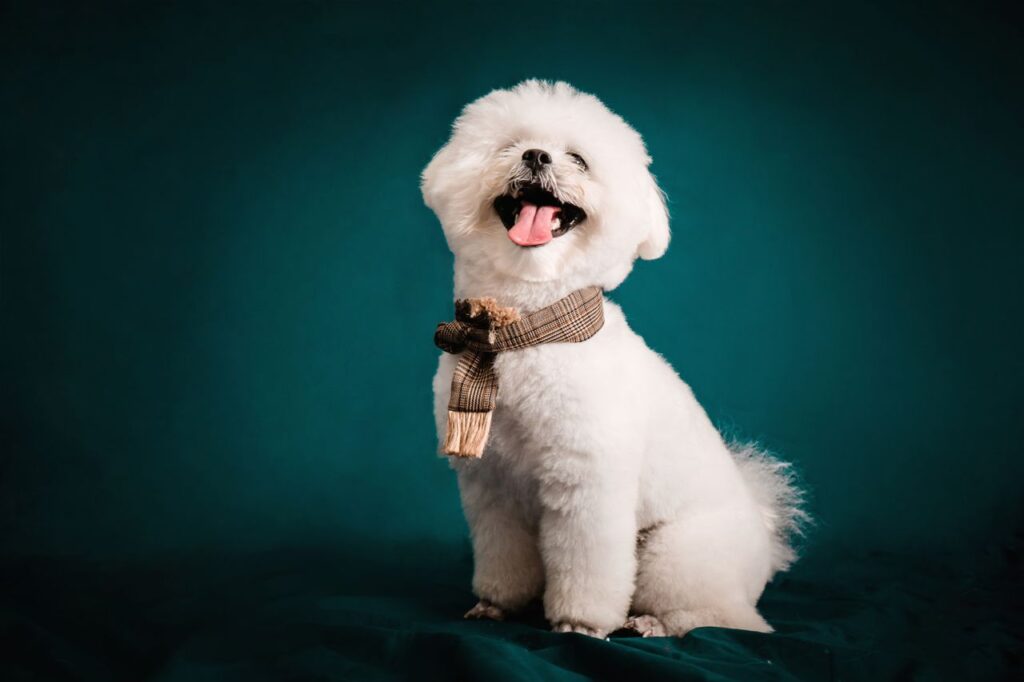
Best for: Smaller homes and people looking for an affectionate companion
Size: Small
Energy level: Low to moderate
Grooming: High
The Bichon Frise is a small, cheerful and adaptable breed.
They can enjoy short walks and play sessions while also being happy spending time at home with their owners.
Their small size can make them easier to manage, and their friendly nature can make them enjoyable companions.
Things to consider: Their coat requires regular maintenance and professional grooming can become an ongoing expense.
🐩 Miniature or Toy Poodle
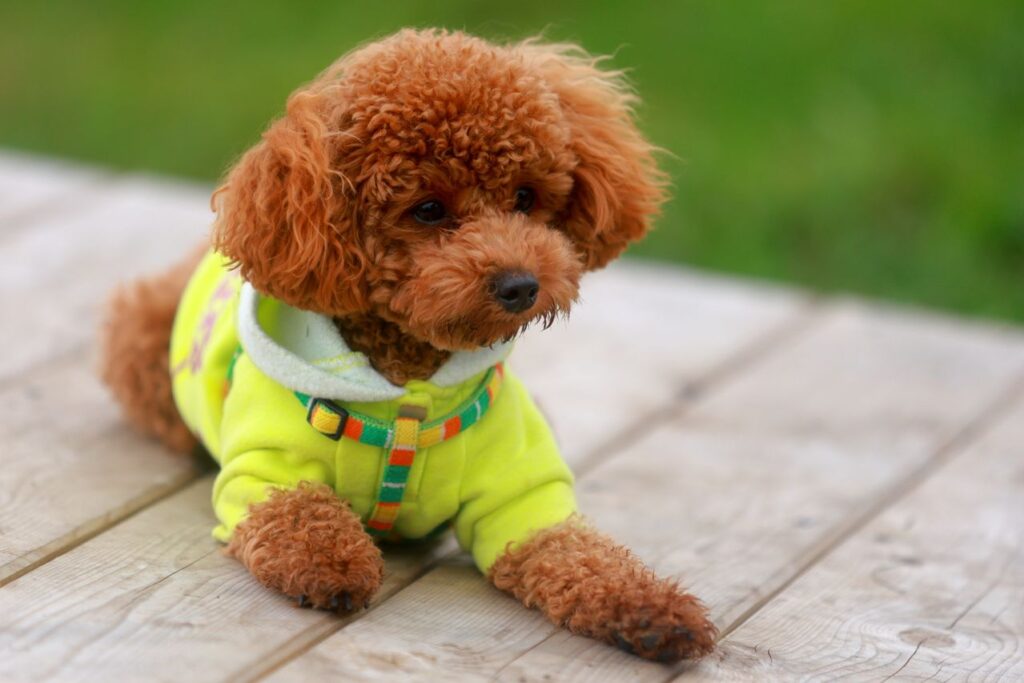
Best for: Retirees who enjoy training and mental stimulation
Size: Small
Energy level: Moderate
Grooming: High
Poodles are intelligent, affectionate and highly trainable.
Miniature and Toy Poodles can be particularly appealing to retirees who want a smaller dog but still enjoy keeping their companion mentally stimulated.
Teaching tricks, learning new commands and providing enrichment can give both owner and dog something enjoyable to work on together.
Things to consider: Poodles require regular grooming and can become bored without enough mental and physical stimulation.
🐕 Shih Tzu
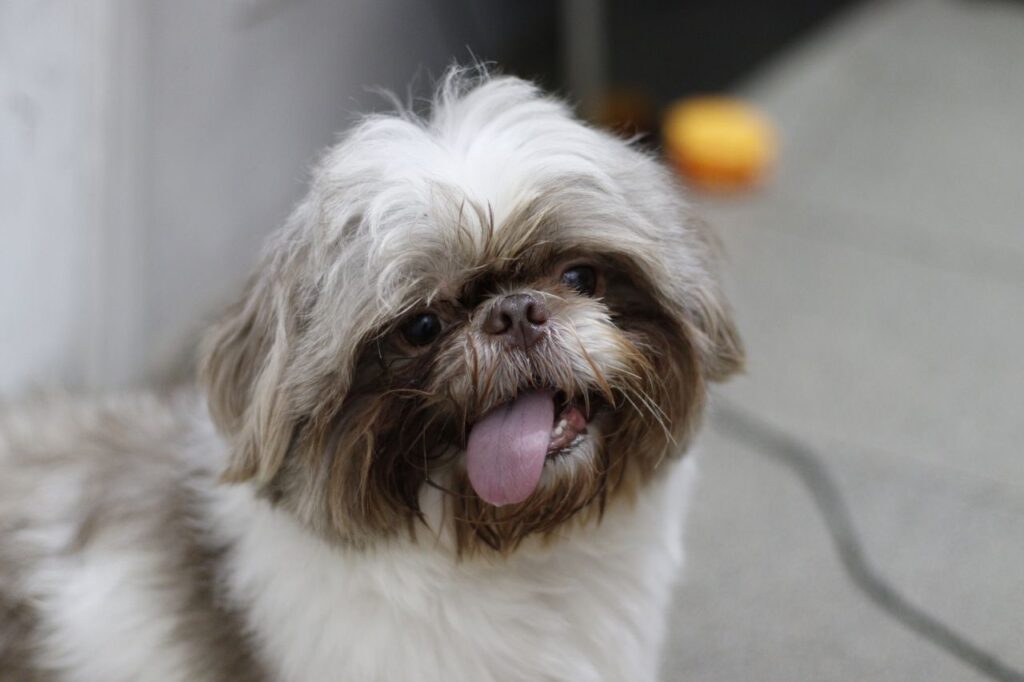
Best for: Quiet households and people looking for a companion dog
Size: Small
Energy level: Low
Grooming: Moderate to high
Shih Tzus were bred primarily as companion dogs and are generally suited to spending plenty of time with their owners.
They do not require the same level of exercise as many larger working breeds, making them worth considering for retirees who prefer shorter walks and a quieter lifestyle.
Their small size can also make them easier to manage around the home.
Things to consider: Their coat requires regular maintenance. Keeping the coat clipped shorter can make day to day grooming easier.
🐕 Maltese
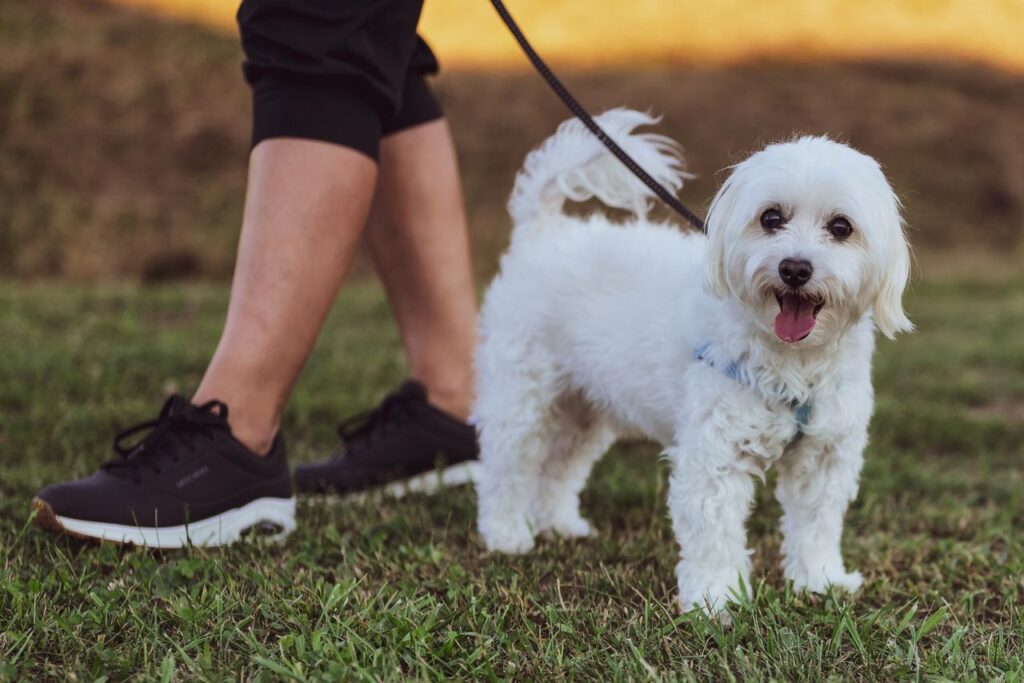
Best for: Smaller homes and retirees looking for a small companion
Size: Small
Energy level: Low to moderate
Grooming: Moderate to high
The Maltese is a small companion breed that can suit a quieter lifestyle.
They generally enjoy spending time with their owners and can get much of their exercise through short walks and play.
Their small size can also make them practical for smaller homes or apartments.
Things to consider: Maltese dogs can be quite vocal, particularly when alerting their owners to visitors or unusual sounds. Their coat also requires regular grooming.
🦮 Labrador Retriever
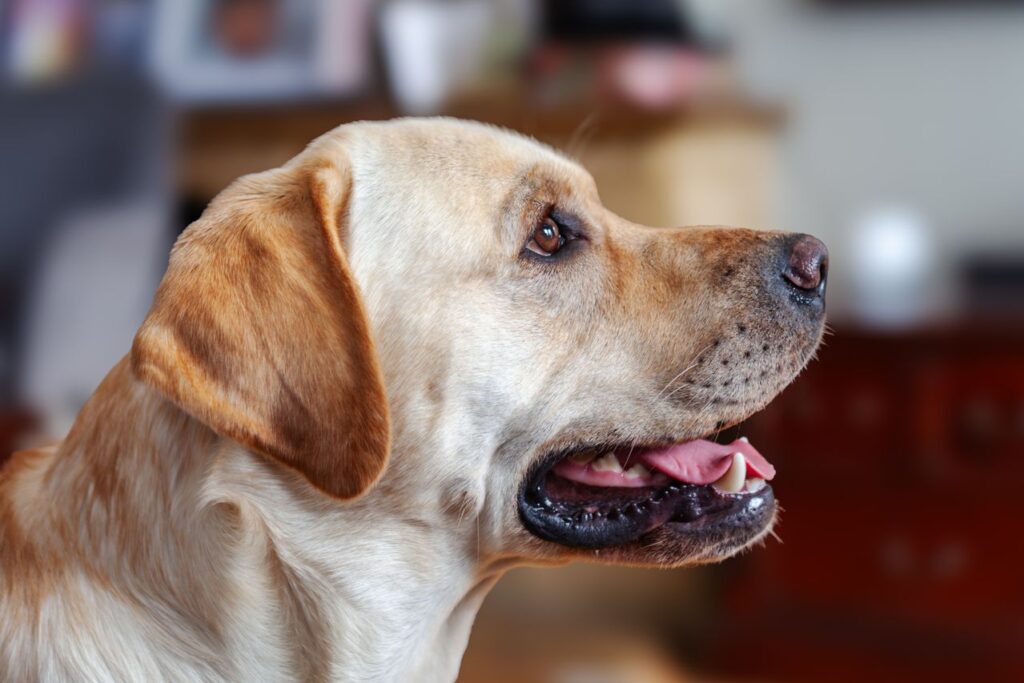
Best for: Active retirees who enjoy walking and outdoor activities
Size: Large
Energy level: Moderate to high
Grooming: Low to moderate
If you are an active retiree with the space and energy for a larger dog, a Labrador Retriever can be an excellent companion.
Labs can happily join you for walks, trips to the beach and other outdoor activities while also enjoying relaxed time at home.
Their friendly and trainable nature can make them particularly appealing to families with grandchildren.
Things to consider: Labradors need regular exercise and can gain weight easily. Their size also means they require more food, space and potentially greater veterinary expenses than a small dog.
🐕🦺 Greyhound
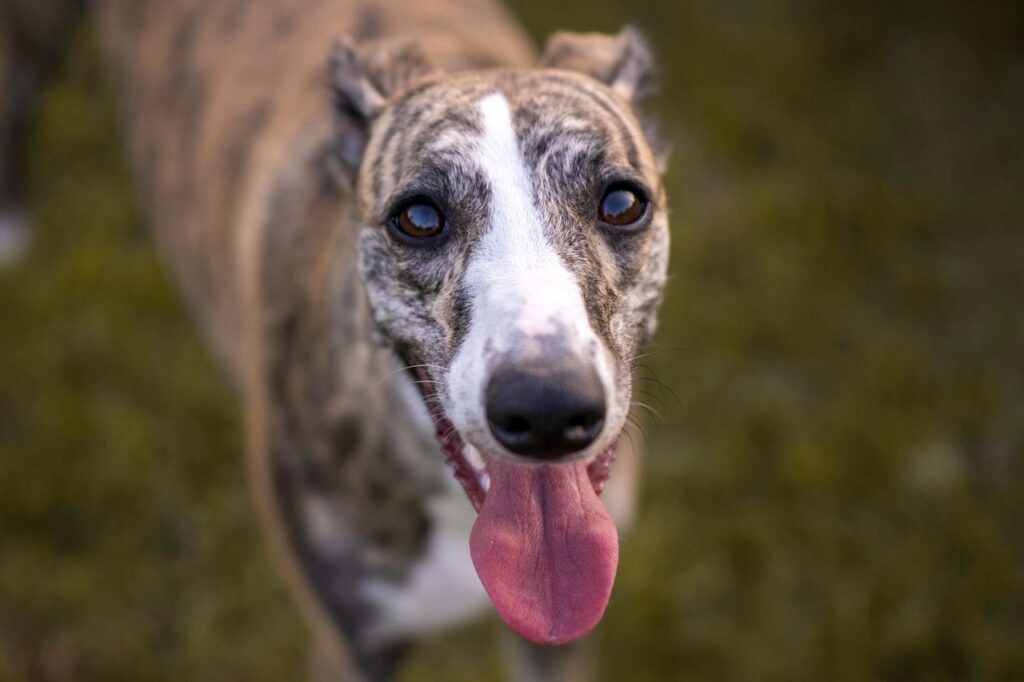
Best for: Retirees looking for a surprisingly calm larger dog
Size: Large
Energy level: Low
Grooming: Very low
The retired racing Greyhound can be an excellent option for the right household.
Despite their athletic appearance, many Greyhounds are remarkably relaxed at home and enjoy spending large parts of the day resting.
Their short coat requires very little grooming, and they can be affectionate and gentle companions.
Things to consider: Greyhounds can have a strong prey drive and may need to remain on a lead in unfenced areas. Their lean bodies also benefit from comfortable, supportive bedding.
Adopting a retired Greyhound can also give a deserving dog a second chance at a loving home.
🐶 Pembroke Welsh Corgi
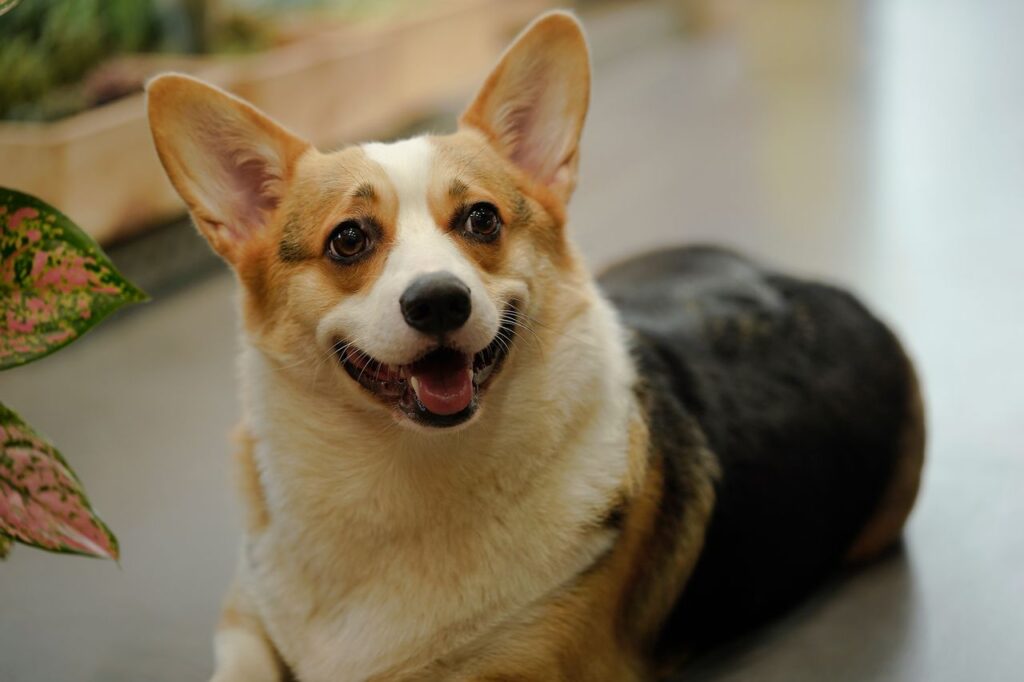
Best for: Active retirees who want a smaller but energetic dog
Size: Medium
Energy level: Moderate to high
Grooming: Moderate
Corgis are intelligent, affectionate and energetic dogs that can be great companions for retirees who enjoy being active.
They can provide plenty of motivation to get outside for walks and enjoy play and training.
Their smaller size compared with many working breeds can make them easier to manage, while still providing an energetic companion.
Things to consider: Corgis are not a low energy breed. They need regular exercise, mental stimulation and training, and their coat can shed heavily.
❤️ Do not overlook an adult rescue dog
Choosing a dog does not have to mean buying a puppy.
For some retirees, an adult or senior rescue dog may actually be a better option.
Puppies require significant time, training and supervision. An adult dog may already be house trained and have an established personality, making it easier to work out whether they are genuinely compatible with your lifestyle.
Rescue organisations can also help match dogs with suitable homes.
Before adopting, ask about:
- Temperament
- Exercise requirements
- Behaviour around other animals
- Behaviour around children
- Known medical conditions
- Previous training
- Any behavioural concerns
And remember:
Do not choose a dog simply because you feel sorry for it. Choose a dog that genuinely fits your life.
🏡 Questions to ask yourself before getting a dog
Before making a commitment, sit down and consider:
☐ How much exercise can I realistically provide every day?
☐ Can I comfortably control the dog on a lead?
☐ How much grooming am I prepared to do?
☐ Can I afford regular veterinary care?
☐ Can I afford unexpected veterinary expenses?
☐ Does my home provide enough space?
☐ Is my yard secure?
☐ Will the dog cope with my travel plans?
☐ Who will care for the dog when I go away?
☐ What happens if my health or mobility changes?
☐ Am I prepared for the responsibility of caring for a dog for the next 10 to 15 years?
That final question is particularly important.
A dog can be part of your life for many years, so choose based not only on the lifestyle you have today, but also the lifestyle you are likely to have in the future.
Where can Australian retirees get a dog?
Reputable breeders
If you decide to purchase a puppy, take the time to find a responsible breeder.
Look for breeders who health test their breeding dogs, raise puppies appropriately and are willing to answer questions about the breed and its health.
Do not feel pressured into making a quick decision.
Rescue and adoption
Adoption can be an excellent option for retirees.
Organisations such as RSPCA Australia and PetRescue can help connect people with dogs looking for homes.
An adult rescue dog can also have advantages because you can learn more about its established temperament before making a decision.
Greyhound adoption
Retired racing Greyhounds can also make wonderful companions for suitable households.
Australian Greyhound Adoption Programs and rescue organisations can provide information about available dogs and whether a Greyhound would be appropriate for your circumstances.
The right dog can make retirement even better
The right dog can bring companionship, routine, activity and plenty of enjoyment into your retirement.
Morning walks can become part of your daily routine. Read our guide to why walking is one of the best forms of exercise for retirees.
A trip to the local park can create opportunities to meet other people.
And simply having another living being waiting for you at home can make a house feel very different.
But there is no single breed that is perfect for every retiree.
The best choice depends on your health, activity level, home, finances, travel plans and lifestyle.
Take your time. Meet dogs in person. Talk to breeders or rescue organisations. Ask questions and be realistic about what you can manage.
The best dog for your retirement is not necessarily the most popular breed. It is the dog that fits the life you actually want to live. 💙