How to Manage Arthritis Pain — A Practical Guide for Australians Over 60
Arthritis is one of the most common health conditions affecting Australians over 60 — and one of the most misunderstood. Many people assume joint pain is simply an inevitable part of ageing that has to be quietly endured. The reality is that arthritis, while genuinely common, is also genuinely manageable with the right combination of strategies. Here’s a practical guide to understanding arthritis and managing the pain it causes.
What Is Arthritis?
Arthritis is a broad term referring to inflammation of the joints, and it encompasses more than 100 different conditions. The two most common types affecting older Australians are:
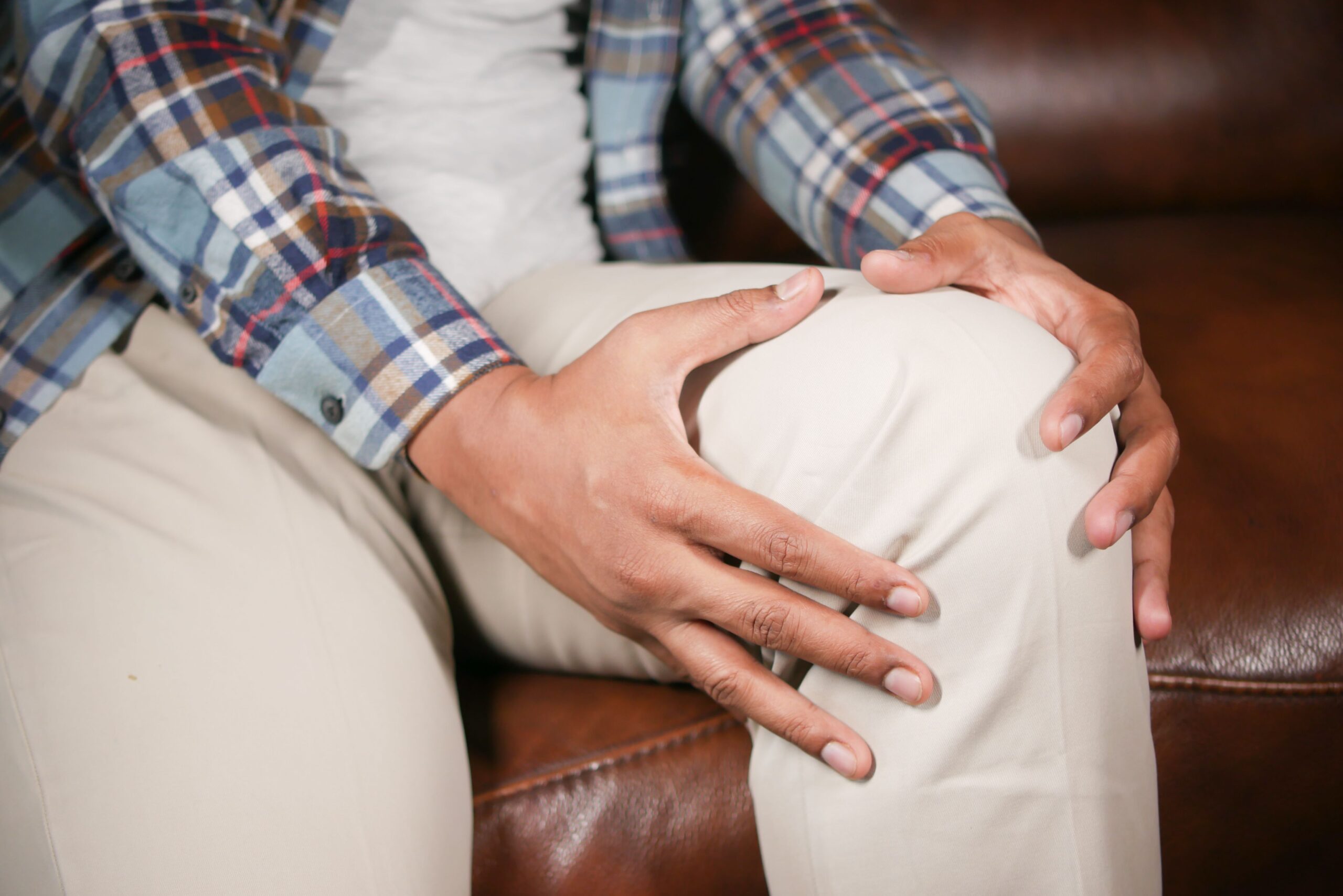
Osteoarthritis The most common form of arthritis, caused by gradual wear and breakdown of the cartilage that cushions joints. It typically develops slowly over years and most commonly affects the knees, hips, hands, and spine.
Rheumatoid arthritis An autoimmune condition where the body’s immune system mistakenly attacks the joints, causing inflammation, pain, and potential joint damage. Unlike osteoarthritis, it can affect people at any age and often involves multiple joints symmetrically.
Understanding which type you’re dealing with matters significantly for treatment, since the underlying causes and most effective management approaches differ between them.
Common Symptoms Worth Recognising
- Joint pain that worsens with activity or at the end of the day (more common in osteoarthritis)
- Joint stiffness, particularly in the morning, that improves with movement (more common in osteoarthritis) or persists for an hour or more (more suggestive of rheumatoid arthritis)
- Swelling around affected joints
- Reduced range of motion
- A grinding or cracking sensation in joints during movement
- Warmth and redness around joints — more common in rheumatoid arthritis or during an active flare
If you’re experiencing these symptoms and haven’t been formally diagnosed, seeing your GP is the essential first step — proper diagnosis significantly affects which management strategies will be most effective.
Medical Management Options
Pain relief medication Over the counter options like paracetamol are often the first line of treatment for mild to moderate arthritis pain. Anti-inflammatory medications can be effective but carry risks, particularly for older adults, and should be used under medical guidance.
Prescription medications For rheumatoid arthritis in particular, disease modifying medications can significantly slow disease progression and joint damage — these require ongoing management with a rheumatologist.
Corticosteroid injections For significant flares or particularly troublesome joints, your doctor may recommend a corticosteroid injection directly into the joint to reduce inflammation and pain.
Physiotherapy A physiotherapist can develop a tailored exercise and management program specifically for your affected joints, which is often one of the most effective long term strategies available.
Surgical options For severe joint damage, particularly in the hip or knee, joint replacement surgery can be genuinely life changing — restoring mobility and significantly reducing pain for many people who have exhausted other options.
Movement — Often the Most Effective Tool
One of the most counterintuitive but well established facts about arthritis management is that movement, rather than rest, is often the most effective approach.
Why movement helps: Joints are nourished through movement — synovial fluid, which lubricates and cushions joints, circulates more effectively with regular gentle movement. Prolonged rest and inactivity often worsen stiffness and pain rather than helping.
As I wrote in the best low impact exercises for Australians over 60 — low impact activities like walking, swimming, and water aerobics are particularly well suited to arthritis management, since they provide movement benefits while minimising joint stress.
Particularly beneficial activities for arthritis:
- Water based exercise — buoyancy significantly reduces joint load while allowing full range of motion
- Walking — gentle, accessible, and genuinely beneficial for joint health
- Tai chi — combines gentle movement with balance and flexibility benefits
- Gentle strength training — stronger muscles around affected joints provide better support and reduce pain
Weight Management and Arthritis
For weight bearing joints — particularly knees and hips — body weight has a direct and significant impact on joint load and pain. Every kilogram of excess weight places multiple kilograms of additional pressure on the knees during walking.
Even modest weight loss can produce meaningful reductions in joint pain for those who are overweight, making weight management a genuinely impactful — if sometimes overlooked — arthritis management strategy.
Heat and Cold Therapy
Heat therapy Warmth — through a heat pack, warm bath, or heated pool — can relax muscles, increase blood flow, and ease stiffness, making it particularly useful before activity or in the morning when stiffness is often worst.
Cold therapy Ice or a cold pack can reduce inflammation and numb pain, making it particularly useful after activity or during an active flare with visible swelling.
Many people find alternating between heat and cold, or using whichever provides more relief for their specific symptoms, works best — there’s no single right answer and it’s worth experimenting to find what helps your particular pattern of symptoms.
Diet and Arthritis
While diet alone won’t cure arthritis, certain dietary patterns are associated with reduced inflammation and may meaningfully support symptom management.
Worth incorporating:
- Omega-3 rich foods — oily fish, walnuts, flaxseed — associated with reduced inflammation
- Plenty of fruits and vegetables — particularly colourful varieties high in antioxidants
- Whole grains rather than refined carbohydrates
Worth limiting:
- Processed and fried foods
- Excess sugar
- Excessive alcohol
It’s worth noting that dietary changes work best as a complement to medical treatment and movement, rather than a replacement for them.
Assistive Devices and Joint Protection
For more advanced arthritis, assistive devices and joint protection strategies can significantly reduce daily pain and strain.
Worth considering:
- Jar openers and ergonomic kitchen tools that reduce grip strain
- Walking aids if knee or hip arthritis affects stability
- Supportive, well cushioned footwear
- Splints or braces for affected joints during particularly demanding activities
An occupational therapist can provide a comprehensive assessment of your specific daily challenges and recommend targeted solutions.
Managing Arthritis Flares
Most people with arthritis, particularly rheumatoid arthritis, experience periods where symptoms intensify — known as flares. Having a plan for these periods reduces both the physical and emotional toll.
During a flare:
- Rest the affected joint more than usual, while still maintaining gentle movement where tolerable
- Apply cold therapy to reduce inflammation
- Take prescribed medication as directed
- Reduce demanding activities temporarily
- Contact your doctor if a flare is significantly more severe than usual or accompanied by fever
The Emotional Side of Living With Arthritis
Chronic pain conditions like arthritis carry a genuine emotional toll that’s worth acknowledging openly. Persistent pain affects mood, sleep, social engagement, and overall quality of life — and it’s common to experience frustration, low mood, or anxiety alongside the physical symptoms.
Speaking openly with your GP about the emotional impact of chronic pain is just as important as discussing the physical symptoms — support is available, and you don’t need to manage this aspect silently.
When to See a Specialist
While your GP is the appropriate starting point for most arthritis concerns, referral to a rheumatologist is particularly important if:
- Symptoms suggest rheumatoid arthritis or another autoimmune condition
- Pain and function aren’t improving with initial management
- Multiple joints are significantly affected
- There’s visible joint swelling, warmth, or deformity
Early specialist involvement, particularly for inflammatory arthritis types, can significantly improve long term outcomes.
The Bottom Line
Arthritis is common, but it doesn’t have to mean accepting ongoing pain and reduced activity as inevitable. A combination of appropriate medical management, regular gentle movement, weight management where relevant, and practical daily strategies can make a genuinely significant difference to both pain levels and quality of life.
The most important step is simply not suffering in silence — speak with your GP, ask about referral to physiotherapy or rheumatology where appropriate, and build a management plan that genuinely works for your specific situation.
Do you manage arthritis or joint pain? Share what’s helped you in The Good Years Club community — your experience could genuinely help someone else 💙
👉 Join The Good Years Club Community — https://www.facebook.com/share/g/1Fw4FHNpJr/