Going on a Hike? 15 Things Worth Having in Your Pack
There is something genuinely special about getting out on a trail.
The air. The quiet. The sense of moving through a landscape under your own power. Hiking is one of the finest things you can do for your physical and mental health — and Australia has some of the most extraordinary trails in the world to do it on. If you are looking for inspiration check out our guide to the best hiking trails in Australia.
thegoodyearsclub.com/the-best-hiking-trails-in-australia/
But the right gear makes an enormous difference. Not because you need the most expensive equipment — you do not. But because the wrong shoes cause blisters. The wrong pack causes back pain. And heading out without a few key items can turn a wonderful morning into a miserable one. For a complete overview of everything worth buying before you hit the trail read our complete hiking gear guide.
This is not a shopping list. It is a practical guide to what is genuinely worth having in your pack and why. Here are 15 things worth taking on every hike.
1. Hiking Shoes or Boots
Everything starts with your feet.
Blisters, sore joints, and rolled ankles are the most common reasons people have a bad experience on the trail — and most of them come down to footwear. The right hiking shoe provides grip on uneven ground, support through the ankle and arch, and enough cushioning to absorb the impact of a long day on varied terrain.
What to look for: Good grip on wet and dry surfaces. Ankle support appropriate for your terrain. A wide enough toe box that your feet are not compressed on the downhill. Breathable materials for warm weather. Waterproofing if you hike in wet conditions.
View hiking boots on Amazon https://link.amazon/B02ILj1mK
2. Hiking Poles
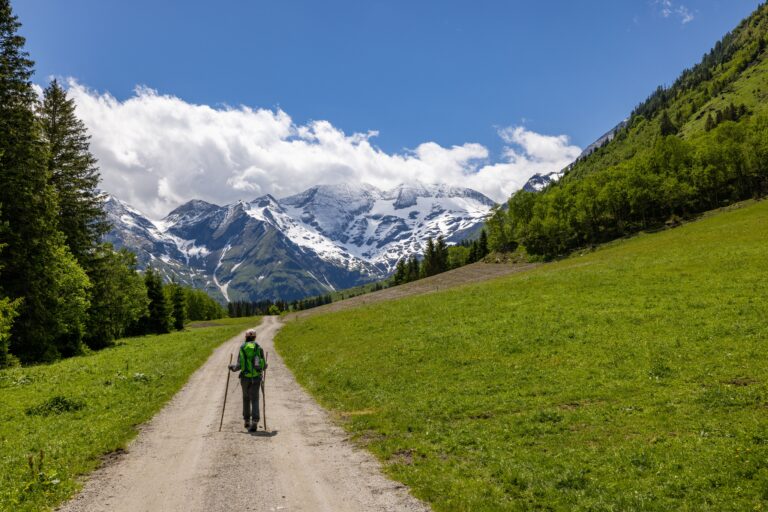
Hiking poles are one of the most underrated pieces of gear available and one of the most transformative for anyone who uses them regularly.
They reduce the load on your knees significantly on descents. They improve balance on uneven and slippery terrain. They engage your upper body and turn a walk into a full body workout. And they give you two extra points of contact with the ground which dramatically increases stability and confidence on difficult sections.
What to look for: Adjustable length so you can shorten them on ascents and lengthen on descents. Lightweight aluminium or carbon construction. Comfortable cork or foam grips. Wrist straps that distribute load away from your hands.
View hiking poles on Amazon https://link.amazon/B06zYTpR2
3. A Lightweight Daypack
Your daypack carries everything on this list — so getting it right matters.
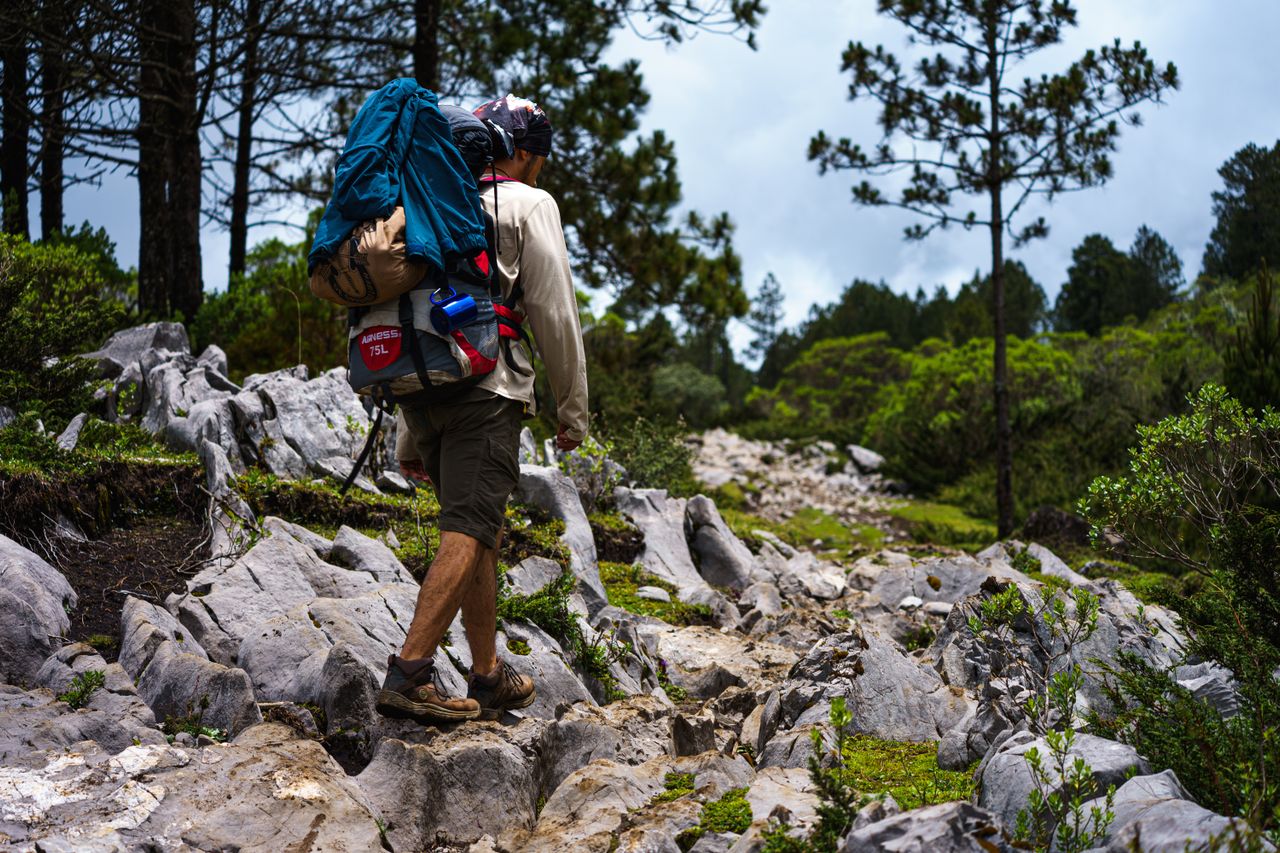
The most common mistake is buying a pack that is either too large and encourages you to overpack, or too small and leaves you without enough room for essentials. For most day hikes a 20 to 25 litre pack is the sweet spot. It carries everything you need without being so large that you are tempted to fill it with things you do not.
What to look for: A padded hip belt that transfers weight from your shoulders to your hips. Padded back panel for comfort and airflow. Multiple compartments for organisation. Lightweight construction — the pack itself should not be heavy before you fill it.
View lightweight daypacks on Amazon https://link.amazon/B0a6bsxu4
4. An Insulated Water Bottle
Hydration is the single most important factor in how you feel on the trail.
Dehydration causes fatigue, headaches, poor decision making, and in serious cases genuine medical emergencies. On a warm Australian day you can lose more fluid than you realise through sweat and respiration. An insulated stainless steel water bottle keeps your water cold for hours and is robust enough to handle years of trail use.
What to look for: Double wall vacuum insulation to keep water cold for 12 plus hours. Stainless steel construction. A wide mouth for easy filling and cleaning. A leak-proof lid. Minimum 750ml capacity — more for longer or hotter hikes.
View insulated water bottles on Amazon https://link.amazon/B02C9GnmO
5. A Wide Brim Sun Hat
Australia’s sun is genuinely dangerous and nowhere more so than on exposed ridgelines, coastal tracks, and open country where there is no shade.
A wide brim hat provides the most comprehensive sun protection available — shading your face, neck, and ears simultaneously. A minimum 7.5cm brim provides adequate protection according to Cancer Council Australia guidelines.
What to look for: UPF 50 plus rated fabric. A brim of at least 7.5cm all the way around. Lightweight and packable construction. A chin strap for windy conditions. Breathable fabric for warm weather comfort.
View wide brim sun hats on Amazon https://link.amazon/B0gTKial1
6. Sunscreen
Even with a good hat your arms, hands, and any exposed skin need protection on the trail.
SPF 50 plus broad spectrum sunscreen applied 20 minutes before sun exposure and reapplied every two hours is the standard recommendation from Cancer Council Australia. On a long hike where you are sweating you need to reapply more frequently than you think. Carry enough for the full day.
What to look for: SPF 50 plus broad spectrum. Water resistant. Non-greasy formula that does not make your hands slippery when gripping poles or scrambling. A size that fits easily in your pack.
View sunscreen on Amazon https://link.amazon/B004wRUDL
7. Hiking Socks
Good socks are as important as good shoes and they are the most overlooked item on most people’s gear list.
Cotton socks hold moisture against your skin and cause blisters. Merino wool or synthetic hiking socks wick moisture away from your skin, regulate temperature, provide cushioning in the right places, and dry quickly. The difference between a cotton sock and a quality hiking sock on a long day is the difference between blisters and no blisters.
What to look for: Merino wool or synthetic construction. Cushioning in the heel and ball of the foot. Seamless toe construction to prevent rubbing. Appropriate thickness for your footwear and the conditions.
View hiking socks on Amazon https://link.amazon/B02sQFkpz
8. Blister Prevention
Even with the right shoes and socks blisters can develop on long hikes — particularly in new footwear or on particularly long or hot days.
Prevention is always better than treatment. Anti-blister balm applied to known hotspot areas before you start — heels, toes, and anywhere your shoe rubs — dramatically reduces friction and prevents blisters from forming.
What to look for: A friction-reducing balm or stick that is easy to apply and lasts for hours without reapplication. Compact enough to carry in a hip pocket or pack lid for easy access during the hike.
View blister prevention on Amazon https://link.amazon/B0fmhhHqe
9. A Lightweight Rain Jacket
Australian weather changes fast — particularly in the mountains, along the coast, and in the ranges where afternoon storms can develop quickly on otherwise clear days.
A lightweight packable rain jacket weighs almost nothing in your pack but makes an enormous difference if the weather turns. Hypothermia is a genuine risk on exposed ridgelines in wet and windy conditions even in summer. A good rain jacket packs down to the size of a water bottle and you will be glad of it on the day you need it.
What to look for: Waterproof and windproof construction. Fully seam-sealed for complete weather protection. Lightweight and packable. Breathable fabric so you are not overheating inside it when you are moving. A hood that covers your hat.
View lightweight rain jackets on Amazon https://link.amazon/B03hxe0NH
10. A Headlamp or Torch
Even if you plan to be off the trail well before dark a headlamp is worth carrying on every hike.
Hikers get delayed. Trails take longer than expected. Injuries happen. If you are still on the trail at dusk without a light source the situation becomes genuinely dangerous on any technical terrain. A modern LED headlamp is lightweight, bright, and runs for hours on a set of batteries.
What to look for: A minimum of 200 lumens for adequate trail visibility. A beam that can switch between flood and spot modes. Lightweight and comfortable head strap. Long battery life or rechargeable via USB.
View headlamps on Amazon https://link.amazon/B05rtlbwP
11. A Compact First Aid Kit
Accidents on the trail are uncommon but they happen — twisted ankles, cuts from falls, insect stings, and blisters that need attention mid-hike are the most common issues.
A compact first aid kit takes up minimal space and gives you the ability to deal with minor injuries on the trail without cutting your day short. The most important contents are adhesive bandages, antiseptic wipes, blister plasters, a crepe bandage, pain relief, and tweezers for splinters and ticks.
What to look for: A kit specifically designed for outdoor and hiking use. Compact and lightweight. Waterproof pouch or case. Contents appropriate for the length and remoteness of your typical hikes.
View compact first aid kits on Amazon https://link.amazon/B069yP3iT
12. Navigation
Getting lost on an Australian trail is more dangerous than most people realise — particularly in remote or heavily forested areas where mobile coverage is non-existent.
A downloaded offline map on your phone using an app like Hema Explorer or AllTrails is the minimum for any trail beyond a well-marked popular walk. For more remote hiking a dedicated GPS device provides navigation that does not depend on phone battery or mobile signal. For anyone heading into genuinely remote territory read our complete guide to personal locator beacons and satellite communicators.
thegoodyearsclub.com/the-best-personal-locator-beacons-for-hikers-and-adventurers-a-complete-guide/
What to look for: Offline map capability that does not require mobile signal. Accurate track recording so you can retrace your steps. Battery efficient enough to last a full day.
View GPS navigation devices on Amazon https://link.amazon/B07TQdOPx
13. A Portable Phone Power Bank
Your phone is your camera, your navigation device, your emergency communication tool, and your music player on the trail. Running out of battery mid-hike is more than an inconvenience — on remote trails it can be a genuine safety issue.
A portable power bank in your pack means your phone stays charged for the full day regardless of how much you use it.
What to look for: Minimum 10,000mAh capacity for a full day of phone use. Lightweight and compact construction. Fast charging capability. Multiple USB outputs so you can charge more than one device.
View portable power banks on Amazon https://link.amazon/B0jbfcdZB
14. Lightweight Gloves
Gloves might seem unnecessary in Australia but they are genuinely useful in more conditions than you might think.
On alpine and high country trails temperatures can drop dramatically even in summer — particularly on exposed ridgelines and in the early morning. A lightweight pair of gloves takes up almost no space in your pack and makes a significant difference to comfort when the temperature drops.
What to look for: Lightweight and packable construction. Touchscreen compatible fingertips so you can use your phone without removing them. Windproof and water resistant for cold and wet conditions.
View lightweight hiking gloves on Amazon https://link.amazon/B00Q8M7b8
15. A Lightweight Portable Seat
A lightweight portable seat is one of the most underrated pieces of hiking gear available.
On long hikes rest stops are important. Sitting on cold, wet, or rocky ground is uncomfortable and getting up from the ground after a long day on the trail is genuinely difficult. A lightweight folding seat weighs almost nothing, takes up minimal pack space, and makes every rest stop significantly more comfortable.
What to look for: Ultralight construction — the best options weigh under 200 grams. Compact folding or roll-up design. Insulating foam or aluminium construction for warmth and comfort on cold or wet surfaces.
View lightweight portable seats on Amazon https://link.amazon/B07crNZkK
One More Thing Worth Mentioning
If you are planning to hike in remote or regional Australia one item sits above everything else on this list.
A Personal Locator Beacon or satellite communicator. Mobile coverage disappears fast once you leave popular trails. In a genuine emergency the ability to call for help from anywhere in Australia could save your life. Read our complete guide to personal locator beacons here.
thegoodyearsclub.com/the-best-personal-locator-beacons-for-hikers-and-adventurers-a-complete-guide/
The Garmin inReach Mini 2 is the gold standard — it provides two-way satellite messaging, real-time GPS tracking, and emergency SOS capability from anywhere on earth.
View the Garmin inReach Mini 2 on Amazon https://www.amazon.com.au/dp/B09PSKG7C3?tag=adrian083-22
The Honest Summary
You do not need all 15 items on every hike. A 30 minute walk on a well-marked popular trail in good weather needs very little beyond comfortable shoes and water.
But as your hikes get longer, more remote, or more technical — each item on this list earns its place. The goal is not to carry everything. It is to know what is worth having and make a conscious decision about what your specific hike requires.
Staying active after 60 is one of the most important things you can do for your long term health. Read our guide to the 8 pillars of healthy ageing for everything the research says about staying active, sharp, and healthy.
thegoodyearsclub.com/the-8-pillars-of-healthy-ageing/
Get out there. The trails are waiting.
💪🔥🇦🇺