The 8 Pillars of Healthy Ageing — What the Research Actually Says
The world’s leading longevity scientists have spent decades studying the people who age best. The ones who stay sharp, stay active, stay connected, and stay genuinely happy well into their 80s and beyond. And what they found is remarkably consistent.
It is not genetics that determines how well you age. Genetics account for approximately 20 to 25 percent of longevity outcomes according to research from the Danish Twin Registry. The rest is determined by the choices you make every day.
Here are the 8 pillars that the evidence consistently identifies as the most powerful determinants of healthy ageing. Each one is actionable. Each one starts today.
Pillar 1: Exercise and Movement
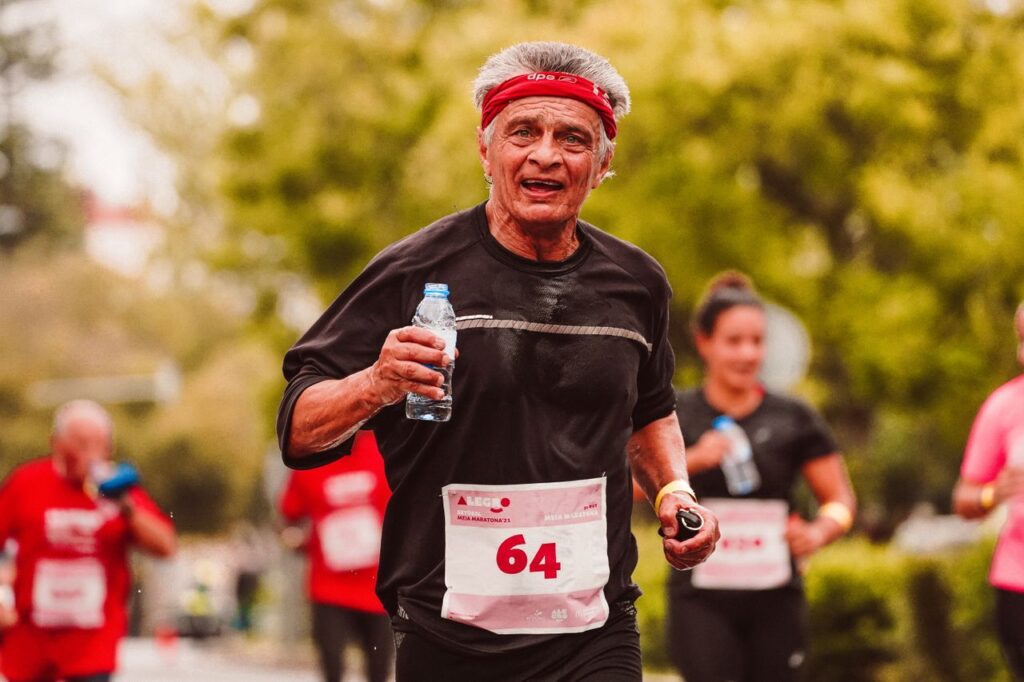
Exercise is the single most powerful intervention available for healthy ageing. It is more effective than any medication for reducing the risk of heart disease, type 2 diabetes, dementia, depression, and many cancers. It preserves muscle mass, bone density, balance, and cognitive function. And it is never too late to start.
Research published in the British Journal of Sports Medicine found that people who began exercising in their 60s experienced significant improvements in cardiovascular health, cognitive function, and mortality risk within months of starting. The body responds to exercise at any age.
The three types of exercise that matter most for over 60s are resistance training, aerobic exercise, and balance training.
Resistance training two to three times per week is the most important. Muscle mass declines at 3 to 5 percent per decade after 30 and accelerates significantly after 60. Maintaining muscle mass protects your joints, improves balance, reduces fall risk, and is now strongly linked to lower rates of cognitive decline and dementia. You do not need a gym. Bodyweight exercises, resistance bands, and light dumbbells at home are sufficient.
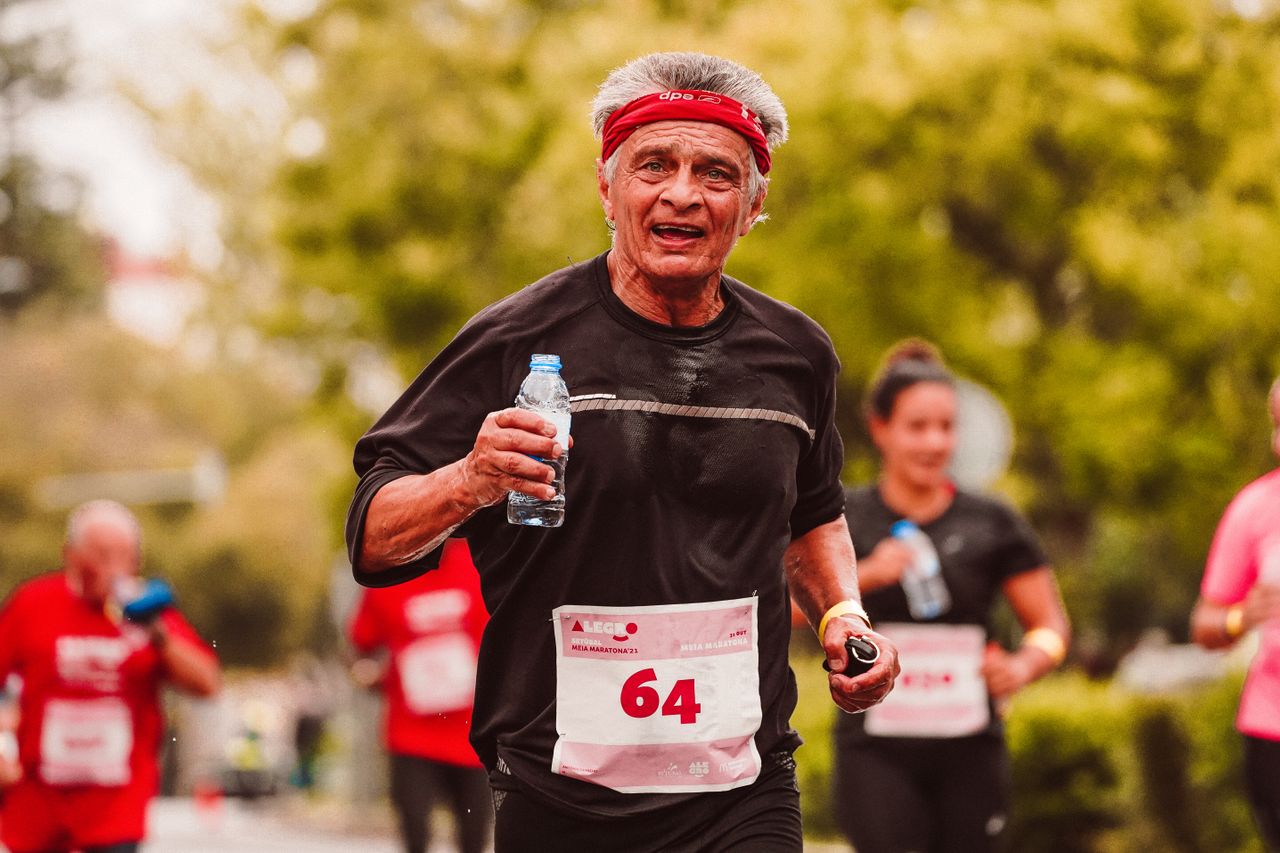
Aerobic exercise for 150 minutes per week of moderate intensity improves cardiovascular health, lung capacity, mood, sleep quality, and brain health. Walking, swimming, cycling, and dancing all count.
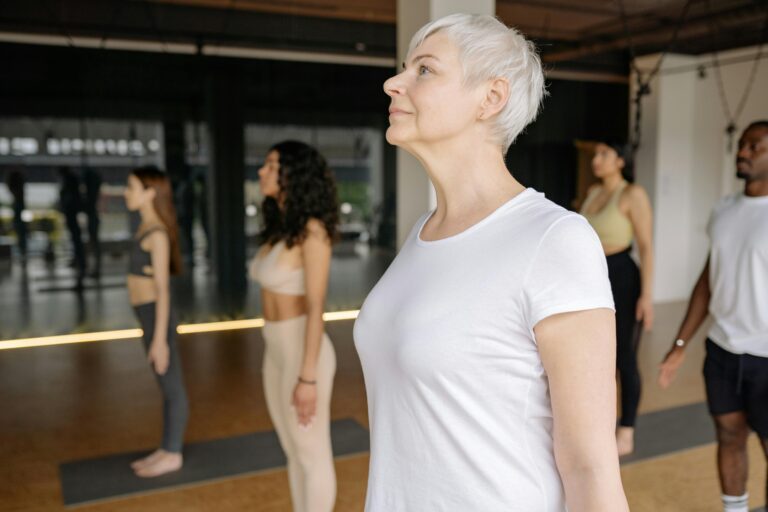
Balance training practiced daily is the most neglected but one of the most important forms of exercise for over 60s. Falls are the leading cause of serious injury in older Australians. Standing on one leg, heel to toe walking, and tai chi are all effective methods that can be practiced at home in minutes.
Pillar 2: Nutrition and Protein
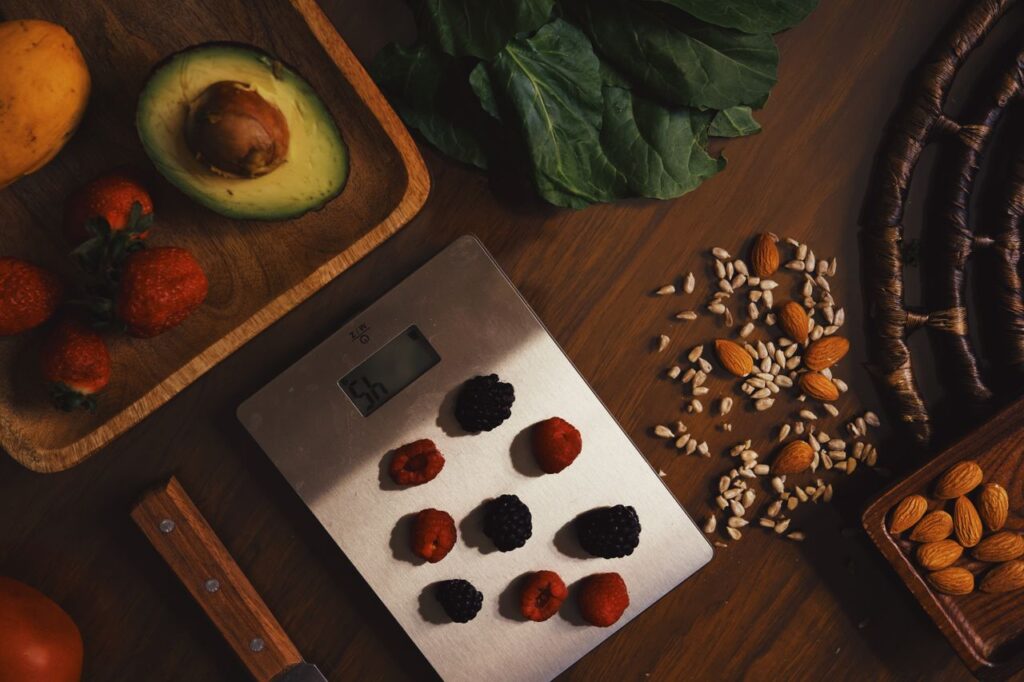
What you eat after 60 matters more than at any other point in your adult life. Your body’s ability to absorb certain nutrients declines with age, your protein requirements increase significantly, and the relationship between diet and inflammation becomes increasingly important.
Protein is the most critical nutrient for over 60s and most Australians are not getting enough of it. Current research suggests people over 60 require 1.2 to 1.6 grams of protein per kilogram of body weight per day to maintain muscle mass. For a 70kg person that means 84 to 112 grams of protein per day — considerably more than the general adult recommendation.
Beyond protein the foods that consistently appear in the longevity research are oily fish at least twice per week for omega 3 fatty acids, a wide variety of vegetables and fruits for antioxidants and phytonutrients, extra virgin olive oil as your primary cooking fat, and adequate hydration — older adults have a reduced sensation of thirst and dehydration is extremely common and underrecognised.
Pillar 3: Sleep

Sleep is the foundation of every other pillar of healthy ageing. Poor sleep quality is associated with increased risk of dementia, heart disease, type 2 diabetes, depression, and immune dysfunction. It accelerates cognitive decline, impairs memory consolidation, and reduces the effectiveness of exercise. Most adults over 60 need 7 to 9 hours of quality sleep per night.
Sleep architecture changes naturally with age. Older adults spend less time in deep slow-wave sleep and REM sleep and experience more frequent nighttime waking. These changes are normal but their effects can be mitigated significantly with good sleep hygiene.
The most effective sleep hygiene strategies are maintaining a consistent sleep and wake time every day including weekends, keeping your bedroom cool between 16 and 19 degrees Celsius, avoiding screens for at least one hour before bed, limiting caffeine after 2pm, avoiding alcohol as a sleep aid, and getting morning sunlight within one hour of waking to reset your circadian rhythm.
If you experience persistent poor sleep or your partner reports that you stop breathing during the night speak with your GP. Sleep apnoea is extremely common in older adults, significantly underdiagnosed, and highly treatable.
Pillar 4: Social Connection

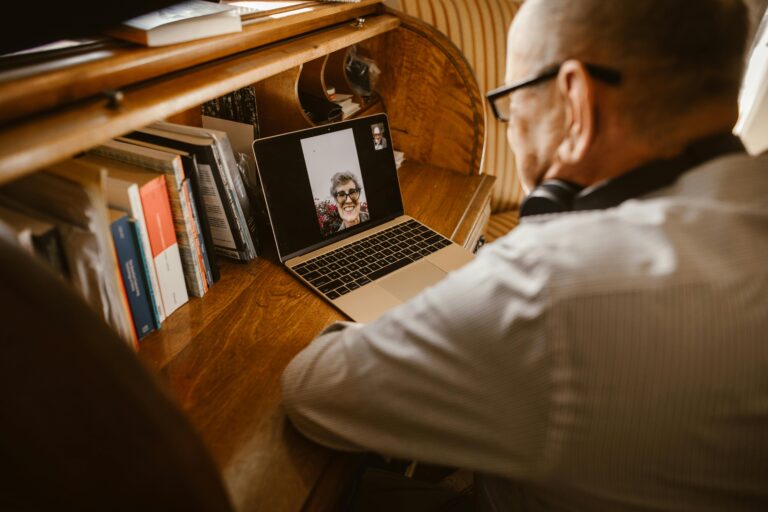
Social connection is one of the most powerful predictors of longevity and healthy ageing and one of the most underestimated. Research consistently shows that loneliness and social isolation are as damaging to health as smoking 15 cigarettes per day. Strong social connections are associated with lower rates of dementia, heart disease, depression, and all-cause mortality.
A landmark study from Harvard University that followed participants for over 80 years found that the quality of relationships was the single strongest predictor of healthy ageing — stronger than cholesterol levels, income, or fitness.
Retirement represents one of the most significant social transitions in a person’s life. The loss of workplace relationships, structure, and daily social contact can leave a profound gap. Building and maintaining meaningful social connections after retirement requires deliberate effort in a way that was not necessary during working life.
The most effective approaches are prioritising face-to-face social contact, joining groups organised around shared interests, investing actively in existing relationships, and contributing to your community through volunteering or other forms of service.
Pillar 5: Mental Stimulation

The brain is extraordinarily adaptable throughout life — a property called neuroplasticity. Cognitive decline is not inevitable with age. Research consistently shows that people who engage in regular mental stimulation maintain sharper cognitive function, have larger brain volumes, and significantly lower rates of dementia.
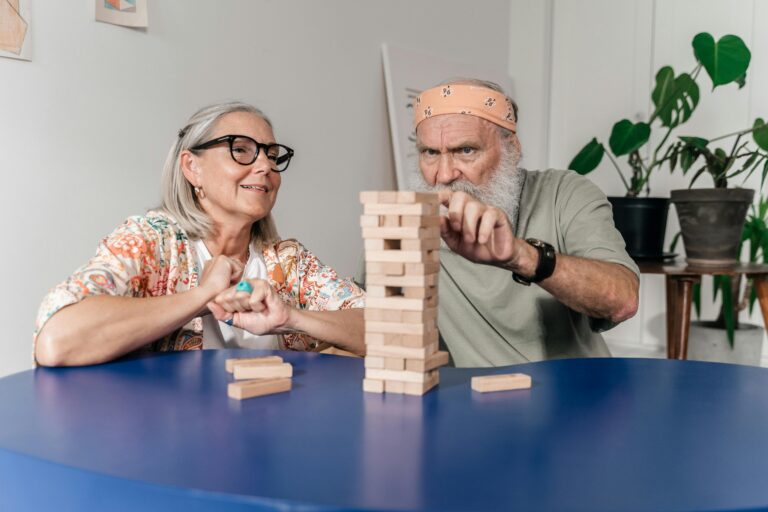
The key is novelty and challenge. Activities that you find difficult and that require learning new skills produce the greatest cognitive benefit. Learning something genuinely new — a language, a musical instrument, a craft — forces the brain to form new neural connections in a way that familiar activities simply cannot.
Research from the University of Edinburgh’s Lothian Birth Cohort found that individuals who continued learning new skills throughout their lives maintained significantly better cognitive function into their 80s and 90s compared to those who did not.
Pillar 6: Stress Management

Chronic stress is one of the most damaging forces in healthy ageing. Prolonged elevated cortisol damages the hippocampus (the brain’s memory centre), accelerates cellular ageing, suppresses immune function, increases cardiovascular risk, and disrupts sleep.
The distinction between acute stress (short-term and manageable) and chronic stress (persistent and unresolved) is important. Acute stress can actually be beneficial — it sharpens focus and builds resilience. It is the chronic low-grade stress of unresolved worry, relationship conflict, financial anxiety, or caregiving burden that does the most damage.
The most evidence-based stress management strategies are regular physical exercise, mindfulness meditation (even 10 minutes per day produces measurable reductions in cortisol), time in nature, adequate sleep, and meaningful social connection. If stress feels unmanageable speak with your GP or a psychologist — professional support is appropriate and effective.
Pillar 7: Preventive Health

Preventive healthcare is one of the highest return on investment activities available in healthy ageing. Many of the conditions that cause the most significant decline in quality of life after 60 are either preventable or significantly manageable when identified early.
The essential health checks for Australians over 60 include annual blood pressure monitoring, cholesterol and blood glucose testing, the National Bowel Cancer Screening Program test every two years, an annual skin cancer check, bone density scanning for women over 65 and men over 70, biennial eye examinations, hearing assessment if any changes are noticed, regular dental checks, and an annual medication review with your GP.
Medicare provides a free annual health assessment for Australians over 75. If you are not yet 75 ask your GP about a health assessment at your next appointment.
Pillar 8: Purpose and Meaning

Purpose is one of the most powerful and most underrated pillars of healthy ageing. Research on the world’s longest-lived populations — the Blue Zones of Okinawa, Sardinia, Ikaria, Nicoya, and Loma Linda — consistently identifies a strong sense of purpose as one of the key distinguishing factors of people who live long, healthy lives.
The Japanese concept of ikigai — roughly translated as your reason for getting up in the morning — is associated with significantly lower rates of heart disease, dementia, and all-cause mortality in Japanese longitudinal research.
Retirement can be both a liberation and a crisis of purpose. The identity, structure, social connection, and sense of contribution that work provided disappears overnight. Building a new sense of purpose in retirement — through contribution, mastery, goals, and connection — is one of the most important challenges of the good years.
The honest conclusion:
You do not need to implement all 8 pillars perfectly. Research shows that meaningful improvement in even 2 or 3 pillars produces significant and measurable benefits for your health, energy, and quality of life.
Start with the pillar that feels most manageable. Build one habit at a time. And remember that every positive choice you make today is an investment in the person you will be in 5, 10, and 20 years.
The best years are still happening.
Download the free 8 Pillars of Healthy Ageing checklist here:
👉 patreon.com/c/TheGoodYearsClub