How to Travel Australia by Caravan — The Complete Retirement Guide
⭐ OUR TOP PICK FOR GREY NOMADS
Renogy Portable Solar Panel Kit — Power Your Caravan for Free
The most popular solar upgrade for Australian grey nomads. Free power anywhere in Australia — no powered sites needed.
Check current price here 👇
https://renogy.sjv.io/aN6nDq
No other form of travel can match it. Waking up to a red desert sunrise, spending a week beside a pristine beach, rolling through wine country at your own pace — caravanning Australia in retirement is one of life’s great adventures. Here’s everything you need to know to get started.
Why Caravanning Is Perfect for Retirement
Retirement and caravanning are a natural match for several reasons.
You finally have the time Caravanning rewards slow travel — staying somewhere for a week rather than a night, exploring a region properly rather than rushing through. Work schedules made this impossible. Retirement makes it the default.
Complete freedom and flexibility No fixed itinerary, no hotel bookings to honour, no schedule to keep. If you love a place you stay longer. If somewhere doesn’t suit you move on tomorrow. That flexibility is the essence of caravan travel.
Outstanding value Caravan park fees are significantly lower than equivalent hotel accommodation. Many free camps exist across Australia — particularly in outback and regional areas — where the only cost is getting there. For a complete guide to the best free camping in Australia — have a look at our best free camping guide.
The grey nomad community Australia’s grey nomad community — retired Australians travelling the country by caravan — is one of the warmest and most welcoming communities you’ll find anywhere. Caravan parks become social hubs where lasting friendships are formed around campfires and over morning coffee.
See Australia properly Most Australians never truly see their own country. The remote Kimberley, the red centre, Cape York, the Nullarbor, the Flinders Ranges — these extraordinary places are accessible by caravan in a way they simply aren’t by any other means.
Choosing the Right Caravan
Choosing your first caravan is one of the most important and most enjoyable decisions in the grey nomad journey. The right van makes everything easier. The wrong van creates endless frustration.
Size and weight The most common first timer mistake is buying a caravan that’s too heavy for their tow vehicle. Check your vehicle’s tow rating before looking at caravans and stay well within that limit — ideally at 80 percent of the maximum tow rating or less.
Layout Think carefully about how you’ll actually live in the van. Do you want a fixed bed or a conversion? Separate shower and toilet or combined? Bunkhouse layout for grandchildren’s visits? There’s no universally right answer — it depends entirely on how you plan to use it.
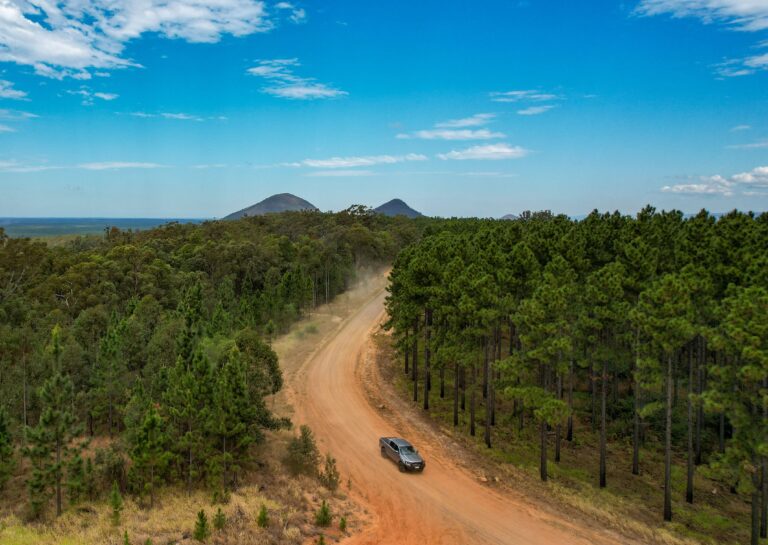
On or off road capability If you plan to explore beyond sealed roads — which most grey nomads eventually do — you’ll need a van with appropriate ground clearance, heavy duty suspension, and robust construction. Standard caravans are not suitable for corrugated dirt roads.
Self containment A self contained caravan with adequate water tanks, solar panels, and battery capacity allows you to camp away from powered sites — dramatically expanding where you can go and reducing costs significantly.
New vs second hand New caravans come with warranties and the reassurance of no hidden history. Second hand caravans offer significantly better value but require careful inspection. Having a pre purchase inspection done by a qualified caravan technician is strongly recommended before buying second hand.
What You’ll Need Besides the Caravan
Towing Essentials
Towing mirrors Extended towing mirrors are legally required in most states when your caravan is wider than your vehicle — and a genuine safety necessity regardless. Don’t leave home without them.
Check out our recommended tow mirrors here 👇 https://link.amazon/B0bQBOu11
Wheel chocks Essential for levelling and stabilising your caravan safely on uneven ground — preventing your van from rolling while hooking up or unhooking.
Check out our recommended wheel chocks here 👇 https://link.amazon/B00CO7HXR
Tyre pressure monitoring system Tyre blowouts are one of the most common and most dangerous caravan incidents. A quality TPMS provides real time pressure monitoring and early warning of potential issues — genuine peace of mind on long trips.
Check out our recommended tyre pressure monitor here 👇 https://link.amazon/B0g5FngXS
Compact tool kit A basic tool kit covering spanners, pliers, a multi tool, electrical tape, and cable ties handles the vast majority of minor on the road issues without a full mechanic’s setup.
Check out our recommended compact tool kit here 👇 https://link.amazon/B0faoBHzr
Power and Water
Solar setup A solar panel and battery system allows you to camp off grid without needing mains power. A quality portable solar panel is the foundation of any serious grey nomad power setup — and Queensland’s extraordinary sunshine makes solar one of the most effective power solutions available anywhere in the world.
Check out our recommended portable solar panel here 👇 https://link.amazon/B07DHmQNB
12 volt fridge A quality 12 volt compressor fridge is a significant quality of life upgrade over ice boxes — keeping food cold efficiently on solar power without the daily ice run. For a complete guide to choosing the right portable fridge — have a look at our portable fridge guide.
Check out our recommended portable fridge freezer here 👇 https://link.amazon/B0gOrxoK6
Portable water filter Particularly important for remote free camping where water quality at refill points can vary — a quality inline water filter provides genuine peace of mind.
Check out our recommended portable water filter here 👇 https://link.amazon/B03me1YrA
Navigation and Communication
GPS navigator Mobile coverage becomes unreliable in many parts of regional and outback Australia. A dedicated GPS navigator ensures you’re never genuinely lost even without signal.
Check out our recommended GPS navigator here 👇 https://link.amazon/B05lF8ZFH
UHF radio Essential for convoy travel with other grey nomads and for communicating with road trains on outback highways — particularly on unsealed outback roads where road trains need advance warning of oncoming traffic.
Check out our recommended UHF radio here 👇 https://link.amazon/B0aVu8G5W
Satellite communicator For remote outback travel — a satellite communicator is essential safety equipment. The Garmin inReach Mini 2 provides two-way messaging and emergency SOS capability anywhere on earth, regardless of mobile coverage.
Check out the Garmin inReach Mini 2 here 👇 https://link.amazon/B06KZOBo0
Comfort and Lifestyle
Camp chairs and outdoor setting Quality folding chairs transform your campsite from purely functional to genuinely relaxing — one of the most used pieces of gear on any grey nomad trip.
Check out our recommended camp chairs here 👇 https://link.amazon/B01zxowul
Caravan awning An awning significantly extends your usable living space — providing shade and shelter regardless of weather and making your campsite feel like a genuine outdoor room.
Check out our recommended caravan awning here 👇 https://link.amazon/B04JR00Fn
Caravan insect screen Particularly important in tropical and outback regions — quality fly screens make an enormous difference to comfort, particularly in warmer months.
Check out our recommended caravan insect screen here 👇 https://link.amazon/B0d4PnVFh
Kitchen Essentials
Portable gas stove Reliable cooking equipment is fundamental to enjoyable caravan travel — a quality portable gas stove for outdoor cooking is one of the most used pieces of gear on any trip.
Check out our recommended portable gas stove here 👇 https://link.amazon/B03pa1ruC
Stackable cookware set Space is always at a premium in a caravan — cookware specifically designed to nest and stack efficiently makes a genuine difference to storage.
Check out our recommended stackable cookware set here 👇 https://link.amazon/B04AkG6jm
Portable camp kettle Few things matter more to the daily rhythm of caravan life than a reliable way to make a cup of tea or coffee each morning.
Check out our recommended portable camp kettle here 👇 https://link.amazon/B0aOd223p
Entertainment
Kindle e-reader Extended trips are a perfect opportunity to get through your reading list. A lightweight Kindle carries your entire library in something lighter than a single paperback.
Check out our recommended Kindle here 👇 https://link.amazon/B033wfbXE
Portable bluetooth speaker For evenings at camp — music and podcasts without needing to be near a power source.
Check out our recommended portable bluetooth speaker here 👇 https://link.amazon/B07SxuFQZ
Portable power bank Keep your phone, tablet, and other devices charged on long drives and at remote camps.
Check out our recommended portable power bank here 👇 https://link.amazon/B04JiiDHZ
Planning Your First Trip
Start close to home Your first caravan trip should be a shakedown — a short trip close to home that lets you discover what works, what doesn’t, and what you forgot to pack. Two to three nights at a local caravan park is ideal.
Book your first caravan park here 👇https://www.anrdoezrs.net/click-101821509-17293136?url=https://www.booking.com/searchresults.html?ss=Australia
Join a caravan club Caravan clubs exist across Australia and offer organised trips, social events, technical advice, and the collective wisdom of experienced travellers.
Use the WikiCamps app WikiCamps Australia is the essential app for grey nomads — a comprehensive database of caravan parks, free camps, rest areas, dump points, and points of interest across the country.
Plan loosely The best grey nomad trips have a general direction rather than a rigid itinerary. Head roughly north in winter and south in summer — follow the weather and let serendipity do the rest.
Budget realistically A realistic daily budget for two people caravanning Australia — including fuel, caravan park fees, food, and activities — is approximately $80 to $150 per day depending on how often you use powered sites and how far you drive each day.
Hire a car or campervan to try before you buy 👇https://www.dpbolvw.net/click-101821509-17304773
The Classic Australian Caravan Routes
The Big Lap The ultimate grey nomad adventure — circumnavigating the entire Australian continent. Most people allow six to twelve months for a complete lap. For a complete planning guide — have a look at our Big Lap guide.
Queensland’s Outback From Brisbane head inland through Toowoomba, Roma, Charleville, and out to Longreach and Winton. For a complete guide — have a look at our Ultimate Queensland Travel Guide.
Browse Queensland accommodation on Booking.com 👇 https://www.anrdoezrs.net/click-101821509-17293136
The Red Centre Alice Springs, Uluru, Kings Canyon, and the MacDonnell Ranges represent some of Australia’s most iconic landscapes. Best visited between May and September.
Browse Alice Springs accommodation on Booking.com 👇 https://www.anrdoezrs.net/click-101821509-17293136?url=https://www.booking.com/searchresults.html?ss=Alice+Springs%2C+Australia
The Kimberley Western Australia’s Kimberley region is widely considered the most spectacular caravan destination in the country. For a complete guide — have a look at our Best Road Trips in Western Australia guide.
Browse Broome accommodation on Booking.com 👇 https://www.anrdoezrs.net/click-101821509-17293136?url=https://www.booking.com/searchresults.html?ss=Broome%2C+Australia
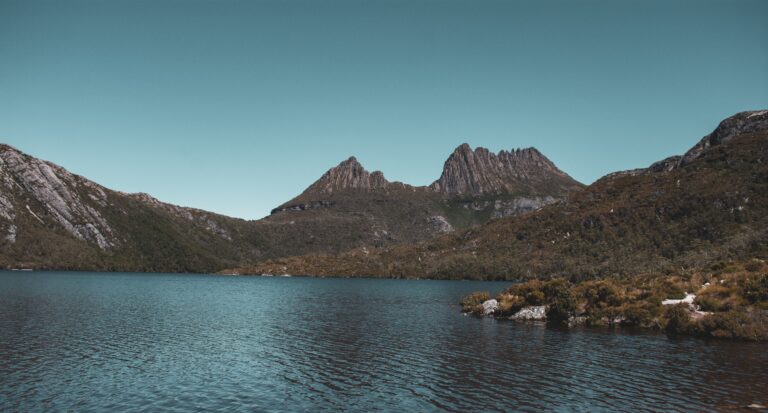
Tasmania Tasmania offers some of Australia’s most beautiful scenery in a compact and easily navigable package — the combination of wilderness, history, food, and wine makes it a perennial favourite.
Browse Tasmania accommodation on Booking.com 👇 https://www.anrdoezrs.net/click-101821509-17293136?url=https://www.booking.com/searchresults.html?ss=Darwin%2C+Australia
Travel Insurance for Grey Nomads
Travel insurance for extended caravan travel is not optional — particularly for remote outback journeys where medical evacuation can be extremely expensive without coverage.
Check out travel insurance for your caravan trip with World Nomads 👇 https://www.worldnomads.com
The Complete Gear Shopping List
All the essential gear for your caravan trip in one place:
| Product | Link |
|---|---|
| Tow mirrors | Buy here |
| Wheel chocks | Buy here |
| Tyre pressure monitor | Buy here |
| Compact tool kit | Buy here |
| Portable solar panel | Buy here |
| Portable fridge freezer | Buy here |
| Portable water filter | Buy here |
| GPS navigator | Buy here |
| UHF radio | Buy here |
| Garmin inReach Mini 2 | Buy here |
| Camp chairs | Buy here |
| Caravan awning | Buy here |
| Caravan insect screen | Buy here |
| Portable gas stove | Buy here |
| Stackable cookware set | Buy here |
| Portable camp kettle | Buy here |
| Kindle | Buy here |
| Portable bluetooth speaker | Buy here |
| Portable power bank | Buy here |
Practical Tips for Grey Nomads
Stay connected A mobile phone signal booster and a Telstra SIM — which has the best rural coverage in Australia — keeps you connected even in remote areas. The Garmin inReach provides emergency communication capability where no mobile signal exists.
Carry spare parts and tools Remote breakdowns are a reality of outback travel. Carry spare tyres — at least two — basic tools, a tyre repair kit, jumper cables, and enough water and food for several days in case of an extended delay.
Tell someone your plans Always leave a detailed trip plan with someone at home — your intended route, expected arrival dates, and what to do if they don’t hear from you by a certain date. In truly remote areas a personal locator beacon is strongly recommended.
Check out our recommended personal locator beacon here 👇 https://link.amazon/B08ODqHlb
Travel in convoy where possible In very remote areas travelling with another vehicle significantly reduces risk. Many grey nomads team up for outback legs through caravan clubs and online communities.
Health considerations Ensure you have adequate supplies of all medications — enough for the full duration of your trip plus a buffer. Research medical facilities along your planned route. Consider a comprehensive travel insurance policy that covers medical evacuation.
The Bottom Line
Caravanning Australia in retirement is one of life’s truly great experiences — a chance to see this extraordinary country at your own pace, make extraordinary friends, and create memories that will last the rest of your life.
The initial investment in van and equipment is significant but the ongoing costs are manageable and the rewards are immeasurable. Thousands of retired Australians make this choice every year and very few ever regret it.
Start small, learn as you go, and let the road take you somewhere wonderful.
Book your first caravan park here 👇 https://www.anrdoezrs.net/click-101821509-17293136
Hire a car or campervan to try before you buy 👇 https://www.dpbolvw.net/click-101821509-17304773
Are you a grey nomad or thinking about hitting the road? Come and share your story in The Good Years Club community on Facebook — we’d love to hear about your adventures 💙
👉 Join The Good Years Club Community — https://www.facebook.com/share/g/1Fw4FHNpJr/

Very interested in learning the wealth of knowledge out there and applying to our trips when we get our new van
How exciting — a new van! You’re in for an extraordinary adventure. Feel free to ask any questions as you’re planning — the community here has a wealth of experience between us. And make sure you join our free Facebook community, The Good Years Club — there are some fantastic grey nomads in there who love sharing tips and recommendations 💙