Best Places to Visit in Greece for Over 60s in 2026
Greece is one of those destinations that seems almost made for a memorable trip after 60.
Ancient cities, spectacular islands, Mediterranean food, beautiful coastlines and thousands of years of history can all be experienced within one country.
But choosing where to go is not always easy.
Santorini may be the island everyone recognises, but it is not necessarily the best choice for every traveller. Athens deserves more than a rushed overnight stay, while places such as Crete, Rhodes, Nafplio and Meteora can offer completely different Greek experiences.
For Australians travelling a long way to get there, planning the right itinerary matters.
This guide covers our best places to visit in Greece for travellers over 60, when to go, how long to stay, getting around, what to pack and some practical considerations before leaving Australia.
Affiliate disclosure: This article contains Amazon affiliate links. If you make a purchase through one of these links, The Good Years Club may earn a small commission at no extra cost to you. As an Amazon Associate I earn from qualifying purchases.
The Best Places to Visit in Greece at a Glance
| Destination | Best For | Suggested Stay |
|---|---|---|
| Athens | History and first time visitors | 3 nights |
| Crete | Longer stays and variety | 4 to 7 nights |
| Santorini | Scenery and special occasions | 2 to 3 nights |
| Rhodes | History and beaches | 3 to 5 nights |
| Corfu | Green scenery and relaxed island stays | 3 to 5 nights |
| Meteora | Extraordinary scenery and monasteries | 1 to 2 nights |
| Nafplio | Relaxed mainland Greece | 2 to 3 nights |
| Delphi | Ancient Greek history | 1 to 2 nights |
| Thessaloniki | Food, culture and city life | 2 to 3 nights |
1. Athens
Best for First Time Visitors
For most Australians visiting Greece for the first time, Athens is the obvious place to begin.
The Acropolis and Parthenon may be the headline attractions, but Athens is much more than a collection of ancient ruins.
Spend time wandering through Plaka, visit the Acropolis Museum, explore the Ancient Agora and enjoy the cafes, restaurants and neighbourhoods that make modern Athens worth experiencing in its own right.
We would allow around three nights rather than treating Athens purely as an airport stop before heading to the islands.
One consideration for travellers over 60 is the amount of walking involved.
Historic areas can include uneven surfaces, slopes and exposed areas, so comfortable footwear and a slower itinerary can make the experience much more enjoyable.
Best for: First time visitors, history lovers, museums and travellers who want to understand ancient Greece.
How long: Around 3 nights.
2. Crete
Best Greek Island for a Longer Stay
If you only want to choose one Greek island, Crete deserves serious consideration.
It is Greece’s largest island and offers considerably more variety than simply beaches and resorts.
There are historic towns, archaeological sites, mountain scenery, villages, beaches and an enormous food culture to explore.
Chania is particularly appealing for its beautiful harbour and old town, while Heraklion provides access to the Palace of Knossos and other historical attractions.
Because Crete is large, trying to see the entire island in two or three days can make the trip unnecessarily rushed.
Give yourself at least four nights, and preferably longer if Crete is going to be one of the main parts of your holiday.
Best for: Travellers who want history, food, beaches and enough variety for a longer island stay.
How long: 4 to 7 nights.
3. Santorini
Best for Iconic Greek Scenery
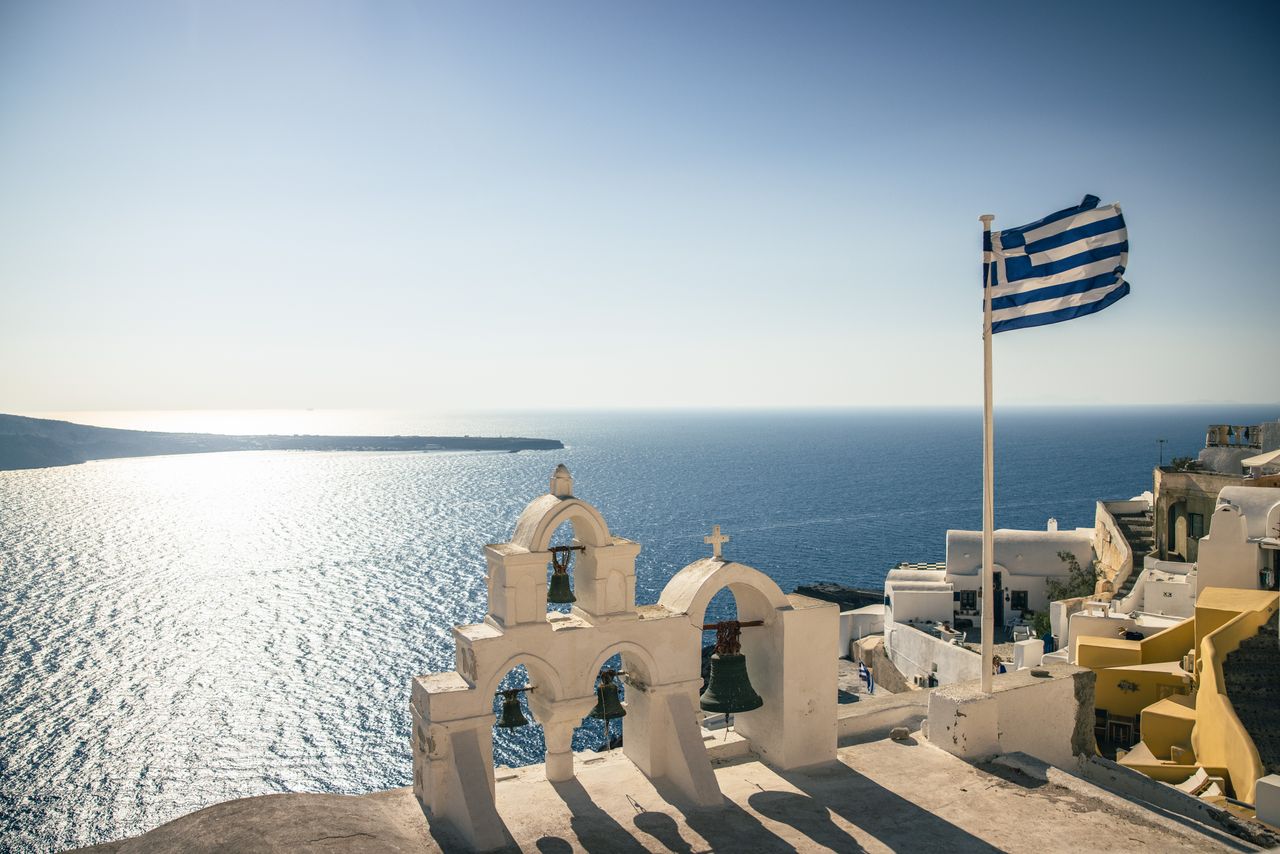
Santorini is the Greece you have probably seen on postcards.
White buildings, blue domes, dramatic cliffs and views across the caldera have made it one of the most recognisable islands in the world.
Oia attracts enormous numbers of visitors, particularly around sunset, while Fira offers restaurants, shops and spectacular views.
Santorini can be unforgettable, but travellers should understand what they are signing up for.
There are plenty of steps, slopes and uneven surfaces in parts of the island. Crowds can also become significant during the busiest months.
For that reason, Santorini can be much more enjoyable when visited outside the peak summer rush.
Two or three nights is enough for many travellers before continuing somewhere quieter.
Best for: Scenery, photography, couples and travellers who have always wanted to see Santorini for themselves.
How long: 2 to 3 nights.
4. Rhodes
Best for History and Beaches
Rhodes combines the kind of history you would normally expect from a mainland European city with the beaches and relaxed atmosphere of a Greek island.
The Medieval City of Rhodes is a UNESCO World Heritage Site and one of the major reasons to visit.
Outside Rhodes Town, Lindos offers another combination of history and coastal scenery.
Rhodes can work particularly well for travellers who want an island holiday without spending every day simply sitting beside the water.
You can explore historical sites, visit villages, enjoy beaches and still have plenty of opportunities to slow down.
Best for: History, beaches and travellers wanting a well rounded island experience.
How long: 3 to 5 nights.
5. Corfu
Best for Green Scenery and Relaxation
Corfu looks noticeably different from the dry landscapes many people associate with the Greek islands.
The island is known for greener scenery, beautiful coastline and architecture shaped by centuries of different influences.
Corfu Town is worth exploring in its own right, while the rest of the island offers beaches, villages and quieter places to stay.
This can be a good choice if your idea of Greece involves slower mornings, scenic drives, long lunches and time near the water rather than racing between major archaeological attractions.
Best for: Relaxed island holidays, scenery and travellers wanting a slower pace.
How long: 3 to 5 nights.
6. Meteora
Best for Something Completely Different
Meteora provides one of the most extraordinary landscapes in Greece.
Historic monasteries sit high above the surrounding countryside on enormous rock formations, creating scenery unlike anything you will see on the Greek islands.
You do not necessarily need a long stay.
One or two nights can give you enough time to experience the area without rushing through it as a long day trip.
Some monastery visits involve stairs and walking, so check the access requirements for the particular sites you intend to visit.
Even if you do not visit every monastery, the landscape alone makes Meteora worth considering.
Best for: Scenery, photography, history and travellers wanting to experience mainland Greece.
How long: 1 to 2 nights.
7. Nafplio
Best for a Slower Mainland Escape
Nafplio deserves far more attention than it receives from many first time visitors.
The attractive old town, waterfront and historic architecture make it a lovely place to slow down after the intensity of Athens.
It also works well as a base for exploring parts of the Peloponnese.
Rather than squeezing another island into an already busy itinerary, spending a couple of nights in Nafplio can provide a completely different side of Greece.
Best for: Couples, relaxed travel, mainland road trips and travellers wanting somewhere quieter than Athens.
How long: 2 to 3 nights.
8. Delphi
Best for Ancient Greek History
For anyone fascinated by ancient Greece, Delphi is difficult to ignore.
Once considered the centre of the ancient Greek world, Delphi is one of the country’s most important archaeological destinations.
The mountain setting makes the experience even more memorable.
You can visit from Athens, although staying overnight can allow you to experience the area at a more comfortable pace rather than spending much of the day travelling.
As with many ancient sites, expect uneven ground and some walking.
Best for: Ancient history, archaeology and mainland itineraries.
How long: 1 to 2 nights.
9. Thessaloniki
Best for Food and City Life
Thessaloniki offers something quite different from Athens and the islands.
It is Greece’s second largest city and combines waterfront areas, historic monuments, neighbourhoods, markets and an excellent food scene.
If you have already visited Greece once and want to experience somewhere different, Thessaloniki is particularly interesting.
It can also work as the starting point for exploring northern Greece.
Best for: Food, culture, history and repeat visitors to Greece.
How long: 2 to 3 nights.
When Is the Best Time to Visit Greece?
For many travellers over 60, we would seriously consider visiting in the shoulder seasons rather than the height of European summer.
May, June, September and parts of October can provide a good balance between pleasant weather and avoiding some of the most intense summer crowds and heat.
July and August remain extremely popular, but they can also be hot and busy.
If your dates are flexible, travelling outside those peak months can make sightseeing much more comfortable.
This is particularly important in places such as Athens and Santorini where you may spend considerable time walking outdoors.
How Long Should You Spend in Greece?
If you are travelling all the way from Australia, we would avoid trying to see Greece in five or six days.
Around two weeks gives you much more room to enjoy the country without turning the trip into a race between airports and ferry terminals.
You also do not need to visit six islands.
For many travellers, a combination of Athens, one or two islands and a mainland destination creates a better holiday.
A Relaxed Two Week Greece Itinerary
One possible itinerary could look like this:
Days 1 to 3: Athens
Give yourself time to recover from the journey from Australia while exploring the Acropolis, museums and central neighbourhoods.
Days 4 to 7: Crete
Fly or travel onwards to Crete and spend several days exploring rather than treating the island as a quick stop.
Days 8 to 10: Santorini
Enjoy the scenery, villages and caldera views without trying to fit every attraction into a single day.
Days 11 to 12: Return to the mainland
Travel back towards Athens and continue to Nafplio or another mainland destination.
Days 13 to 14: Nafplio and return to Athens
Finish with a slower couple of days before heading back towards Athens for your flight home.
You could easily replace Santorini with Rhodes or Corfu depending on what interests you most.
If you are still deciding between European destinations, our guide to the best places to visit in Europe for travellers over 60 can help narrow down your options.
You can also read our Greece vs Italy comparison if both countries are on your shortlist.
Getting Around Greece
How you travel will depend heavily on your itinerary.
Athens has public transport, while domestic flights can save considerable time when travelling between the mainland and more distant islands.
Ferries are part of the Greek travel experience, but journey times and conditions vary significantly between routes.
If mobility, luggage or long travel days are concerns, do not automatically assume ferries are always the best option.
Sometimes paying for a short domestic flight can make an itinerary considerably easier.
On the islands, buses, taxis, organised tours and hire cars are all options depending on the destination.
The best itinerary is not necessarily the one that covers the most ground.
Reducing unnecessary transfers can make the entire holiday more enjoyable.
Flying to Greece From Australia
Getting to Greece from Australia involves a substantial journey, so how you structure the first few days matters.
Try not to land in Athens and immediately schedule a full day of sightseeing.
Give yourself time to sleep, eat properly and adjust before tackling major attractions.
If you are preparing for the journey, read our 10 things that make a genuine difference when flying long haul.
For the broader planning process, our guide to travelling overseas after 60 without the stress covers the process from preparation through to the trip itself.
What to Pack for Greece After 60
Greece does not require a completely different packing list from the rest of Europe, but there are a few things we would prioritise.
Comfortable walking shoes should be near the top of the list.
Ancient sites, old towns, cobblestones, stairs and uneven surfaces are common, so this is not the trip for breaking in uncomfortable new shoes.
Sun protection, lightweight clothing, a reusable water bottle and a light layer for cooler evenings can also be useful depending on when you travel.
A few inexpensive travel products can also make the journey from Australia considerably easier.
Packing Cubes
Packing cubes help separate clothing and make it easier to find what you need without unpacking your entire suitcase every time you change hotels.
They are particularly useful on a multi stop Greece itinerary.
👉 View our packing cube pick on Amazon Australia
Travel Neck Pillow
The flight from Australia is long enough that anything making it easier to rest is worth considering.
A travel pillow will not magically turn economy into business class, but it can provide additional support when trying to sleep.
👉 View our travel neck pillow pick on Amazon Australia
Power Bank
Your phone becomes extremely important while travelling.
Maps, boarding passes, bookings, photos, translation and communication can all drain the battery faster than expected.
A portable power bank provides backup when you are away from your hotel for the day.
👉 View our power bank pick on Amazon Australia
Travel Document Organiser
International trips involve passports, cards, insurance details, tickets and other documents.
Keeping everything together can make airports and hotel changes considerably less stressful.
👉 View our travel document organiser pick on Amazon Australia
You do not need to buy every travel gadget you see.
Take the things that solve an actual problem for you and leave the rest at home.
Travel Insurance for Greece
Travel insurance deserves serious consideration for any overseas trip, particularly one involving long flights, multiple destinations and expensive bookings.
The right policy depends on your age, health circumstances, planned activities and level of cover.
Read the Product Disclosure Statement carefully rather than simply choosing the cheapest policy.
Our guide to travel insurance for Australians over 60 explains some of the things worth checking before purchasing a policy.
Staying Healthy While Travelling
A good itinerary includes rest.
You do not need to see every attraction simply because you have travelled a long way to get there.
Leaving a free afternoon between major sightseeing days can make the trip substantially more enjoyable.
Stay hydrated, be sensible in hot weather and give yourself time to recover from the flight before beginning an intense itinerary.
For more practical ideas, read our complete guide to staying healthy while travelling after 60.
Entry Requirements for Australians Visiting Greece
Greece is part of the Schengen area.
Entry requirements can change, particularly as European border systems continue to evolve.
Australian travellers should check current requirements through official Australian Government and European Union sources before departure rather than relying solely on information from a travel blog.
Also check that your passport meets the current validity requirements well before you travel.
Accessibility and Mobility
Greece can be an incredible destination, but not every attraction is equally easy to navigate.
Historic centres may have cobblestones.
Archaeological sites can have uneven ground.
Santorini includes significant slopes and stairs.
Some monasteries at Meteora require climbing steps.
This does not mean these destinations are unsuitable.
It means researching the specific attractions, accommodation location and transport options before booking can make a substantial difference.
If mobility is a consideration, staying close to the areas you plan to visit can sometimes be worth paying more for because it reduces unnecessary walking and transport.
Practical Tips for Australians Visiting Greece
Do not try to visit too many islands.
Every additional destination means another checkout, transfer, ferry or flight and another check in.
Leave some unscheduled time.
Greece is a country where a long lunch, waterfront walk or unexpected village can end up being more memorable than another attraction squeezed into the itinerary.
Avoid making your itinerary entirely dependent on perfect transport connections.
Give yourself some breathing room, particularly before your international flight home.
And do not underestimate the Australian to Europe journey.
The first couple of days should be easier than the middle of the trip.
Greece vs Italy
This is one of the hardest decisions for Australians planning a European holiday.
Italy may appeal more strongly if your priorities are major cities, art, architecture and extensive train travel.
Greece may win if you are dreaming about islands, ancient history, Mediterranean scenery and a slower combination of sightseeing and relaxation.
There is no wrong answer.
If you are genuinely stuck between them, read our full Greece vs Italy guide.
Which Part of Greece Should You Choose?
Choose Athens if this is your first trip and ancient history is a priority.
Choose Crete if you want one island with enough variety for a longer stay.
Choose Santorini if seeing the iconic caldera and white villages has always been on your bucket list.
Choose Rhodes if you want history and beaches in the same destination.
Choose Corfu if you prefer green scenery and a relaxed island holiday.
Choose Meteora if you want one of the most unusual landscapes in Greece.
Choose Nafplio if you want a slower mainland escape.
Choose Thessaloniki if food and city culture are major priorities.
The Bottom Line
Greece deserves its reputation as one of Europe’s great destinations.
But the best Greece holiday after 60 is not necessarily the itinerary with the most islands, the most attractions or the most famous Instagram locations.
For a first trip from Australia, we would start with Athens and Crete, then add Santorini, Rhodes or a mainland destination depending on what interests you most.
Allow enough time to actually enjoy each destination.
Build some slower days into the itinerary.
And remember that travelling after 60 does not mean seeing less.
It can mean finally having the time to experience a destination properly.