The Best TENS Machines for Australians Over 60 — A Plain English Guide
Two in three Australians are affected by arthritis. Chronic back pain, joint stiffness, nerve pain, and muscle soreness are among the most common health challenges faced by Australians over 60 — and for many, the reliance on pain medication to manage these conditions is a genuine concern. A TENS machine offers something genuinely different: effective, drug-free pain relief that you control, whenever you need it, in the comfort of your own home. Here’s a complete, plain English guide to TENS machines — what they are, how they work, and what to look for when choosing one.
Check out our recommended TENS machine here 👇 https://link.amazon/B0fpqD9gt
What Is a TENS Machine — And How Does It Work?
TENS stands for Transcutaneous Electrical Nerve Stimulation. It is a small, portable device that delivers gentle electrical pulses through adhesive electrode pads placed on the skin near the area of pain.
These electrical pulses work in two main ways:
1. Blocking pain signals The electrical pulses interfere with pain signals travelling along the nerves to the brain — essentially creating a kind of electrical “noise” that disrupts the pain message before it reaches conscious awareness. This is the basis of the gate control theory of pain, which has been well-supported by decades of research.
2. Stimulating endorphin release At lower frequencies, TENS stimulates the body to release endorphins — the body’s natural pain-relieving chemicals. The effect is similar to the natural pain relief experienced after moderate exercise — but without the exercise.
The result is a gentle tingling sensation at the site of the pads — not sharp or painful, just a steady, noticeable tingle that lets you know it is working. Most people describe using a TENS machine as a surprisingly pleasant experience — a massage-like sensation that provides real, noticeable relief.
TENS has been used in clinical settings — by physiotherapists, GPs, chiropractors, and pain specialists — for over 30 years. It is now widely available as an affordable home device that Australians can use independently.
What Can a TENS Machine Help With?
TENS machines are used to manage a wide range of pain conditions — making them genuinely versatile for older Australians managing multiple sources of discomfort.
Conditions commonly managed with TENS:
Arthritis and joint pain TENS is one of the most commonly recommended non-pharmacological pain management tools for osteoarthritis and rheumatoid arthritis. While TENS does not cure arthritis, many people use it as part of their broader pain management routine alongside exercise, physiotherapy, heat therapy, and professional medical advice.
Back pain One of the most common uses — TENS provides targeted relief for both acute and chronic lower back pain, which affects a significant proportion of Australians over 60.
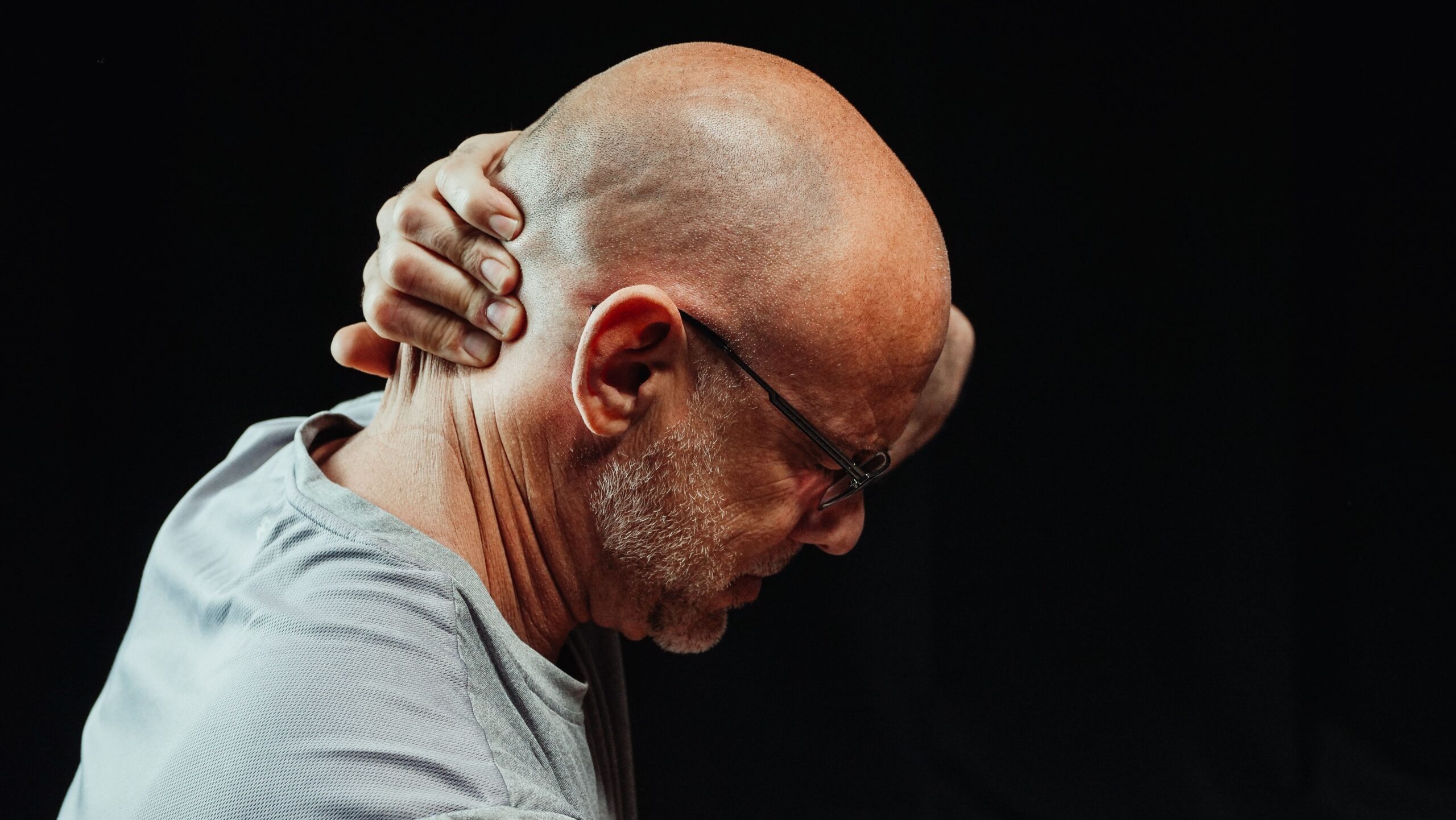
Neck and shoulder pain Muscle tension and stiffness in the neck and shoulders respond well to TENS therapy — particularly when combined with gentle movement and stretching.
Sciatica and nerve pain TENS can provide meaningful relief from nerve-related pain including sciatica — though the electrode placement needs to be carefully considered and ideally guided by a physiotherapist for nerve pain specifically.
Knee pain Knee pain from arthritis, previous injury, or general wear is one of the most commonly reported uses of home TENS devices — with many users reporting significant improvement in daily comfort and mobility.
Muscle soreness and stiffness Post-exercise soreness, general muscle stiffness, and the morning stiffness associated with arthritis and aging all respond well to TENS therapy.
Important note: TENS is not appropriate for everyone. It should not be used by people with pacemakers or other implanted electronic devices, pregnant women, people with epilepsy, or directly over broken skin or wounds. Always consult your GP before starting TENS therapy if you have any significant health conditions or are managing a complex pain condition.
Why TENS Is Particularly Well Suited to Australians Over 60
Pain doesn’t take days off — and neither should pain management. TENS machines offer several specific advantages that make them particularly well suited to older Australians.
Drug-free relief One of the most significant advantages of TENS for older Australians is that it provides genuine pain relief without medication. This is particularly important for people already managing multiple conditions with multiple medications — where adding another drug carries risks of interaction, side effects, and dependency.
Easy to use at home A quality home TENS machine requires no medical training to use effectively. Place the pads on the painful area, turn on the device, adjust the intensity to a comfortable level, and allow it to run for a 20-30 minute session. Most people use it while reading, watching television, or simply relaxing — there is no need to stop your day to manage pain.
Portable and convenient Modern TENS machines are compact — typically small enough to fit in a pocket or handbag. This means pain relief is available wherever you are — at home, travelling, or visiting family.
Cost effective A quality home TENS machine is a one-time investment that provides ongoing pain relief without the recurring cost of medication, physiotherapy sessions, or other treatments. The electrode pads need replacing periodically — but the cost is minimal.
Helps maintain independence and activity Pain convinces seniors to do less — less walking, less exploring, less living. It is not a lack of desire — it is the body creating barriers. By providing effective pain management, a TENS machine helps older Australians stay active, engaged, and independent rather than allowing pain to progressively shrink their world.
What to Look for When Choosing a TENS Machine
Ease of Use — The Most Important Factor for Older Users
If you have never used a TENS machine before, simplicity is often best. A device with clear, simple controls that are easy to operate — even for those who find modern technology challenging — will get consistent use. A complex device with dozens of settings often sits in a drawer.
What to look for:
- Large, clearly labelled buttons
- Simple intensity adjustment — easy to increase or decrease without navigating menus
- Pre-programmed settings for different pain conditions — removes the need to understand technical settings
- A clear display showing the current setting and session time
Number of Channels and Electrode Pads
Most home TENS machines offer either one or two channels — each channel controls a pair of electrode pads.
Single channel (2 pads): Suitable for treating one localised area at a time — a knee, a shoulder, the lower back.
Dual channel (4 pads): Allows treatment of a larger area simultaneously, or two separate areas at the same time — useful for people managing pain in multiple locations.
For most older Australians managing a single primary pain condition — a single channel device is perfectly adequate. Dual channel devices offer more flexibility for those with widespread pain.
Wired vs Wireless
Wired TENS machines connect the electrode pads to the device via lead wires. Traditional and reliable — the most common type available. Slightly less convenient for use during movement but perfectly adequate for sitting or lying down during treatment.
Wireless TENS machines use Bluetooth to connect the pads to a smartphone app, removing the wire entirely. More convenient and discreet — pads can be worn under clothing during normal activity. Generally more expensive than wired equivalents.
For most older Australians using TENS while relaxing at home — a wired device is perfectly adequate. For those who want to use TENS during activity or while out of the house — wireless is worth considering.
TGA Approval
In Australia, medical devices including TENS machines are regulated by the Therapeutic Goods Administration (TGA). Choosing a TGA-approved TENS machine provides important peace of mind that the device has met Australian safety and quality standards.
Always check that any TENS machine you are considering is TGA-approved before purchasing — particularly when buying online.
Pad Quality and Replacement Availability
The electrode pads are the consumable component of a TENS machine — they need replacing periodically as the adhesive loses effectiveness. When choosing a device, consider:
- How easy are replacement pads to find and purchase in Australia?
- What is the cost of replacement pads?
- Are the pads reusable for multiple sessions before needing replacement?
Quality pads should stick well, feel comfortable against the skin, and be easy to apply and remove. Pads that don’t adhere properly reduce the effectiveness of treatment significantly.
How to Use a TENS Machine — A Simple Step by Step Guide
Step 1 — Prepare the skin Clean and dry the area where you will place the pads. Do not apply over broken skin, wounds, or rashes.
Step 2 — Attach the electrode pads Place the adhesive pads on or around the painful area. For most conditions, the pads should be placed on either side of the pain rather than directly over it. For specific conditions like knee arthritis or back pain — your physiotherapist can advise on optimal placement.
Step 3 — Connect and turn on Connect the pads to the TENS machine via the lead wires (for wired devices) and turn the device on. Start at the lowest intensity setting.
Step 4 — Adjust the intensity Gradually increase the intensity until you feel a comfortable tingling sensation — not painful, just noticeable. The sensation should feel like a gentle massage or buzzing at the skin surface.
Step 5 — Run the session Allow the session to run for 20-30 minutes. Most devices have a built-in timer. Use the time to relax, read, or watch television.
Step 6 — Complete the session Turn the device down to zero before turning it off — don’t just switch it off at full intensity. Remove the pads gently.
Recommended frequency: Most manufacturers and physiotherapists recommend using TENS for 20-30 minutes per session, up to several times per day as needed. There is typically a recommended rest period between sessions — check your device’s instructions for specific guidance.
TENS Machines and Arthritis — A Closer Look
Given that two in three Australians are affected by arthritis — and that arthritis is one of the leading causes of pain and reduced independence in older Australians — it is worth looking specifically at the evidence for TENS in arthritis management.
TENS machines are commonly used to help manage arthritis pain and discomfort as part of an overall treatment plan. People commonly use TENS for both osteoarthritis and rheumatoid arthritis-related discomfort.
The best TENS machine for arthritis is the one that matches your lifestyle, comfort preferences, and treatment goals. For many Australians, TENS provides a practical, drug-free option that can be used alongside exercise, physiotherapy, heat therapy, and professional medical advice.
Key considerations for arthritis specifically:
- Look for a device with an arthritis-specific program if possible — some devices include pre-programmed settings specifically calibrated for arthritic pain
- Pad placement matters significantly for arthritis — for knee arthritis, pads are typically placed on either side of the knee rather than directly over the joint
- Consistent, regular use tends to provide better results than occasional use during acute flare-ups
Practical Tips for Getting the Most Out of Your TENS Machine
Be consistent Like most therapeutic interventions, TENS works best with regular, consistent use rather than occasional use during acute pain episodes. Building a daily session into your routine — perhaps while reading in the morning or watching television in the evening — tends to deliver better overall results than using it only when pain becomes severe.
Experiment with pad placement Optimal pad placement varies between individuals and between different pain conditions. If your initial placement doesn’t provide the relief you expect — try adjusting the position of the pads slightly. Your physiotherapist can advise on optimal placement for your specific condition.
Start at a low intensity Always start at the lowest intensity setting and increase gradually. The goal is a comfortable tingling sensation — not a strong or painful electrical feeling. More intensity is not necessarily more effective — a comfortable, sustainable intensity tends to work better than an intensity that is difficult to tolerate.
Keep spare pads on hand Nothing is more frustrating than wanting to use your TENS machine and finding the pads have lost their adhesive. Keep a supply of replacement pads so you’re never without when you need relief.
Combine with other pain management strategies TENS works best as part of a broader pain management approach — alongside appropriate exercise, heat or cold therapy, medication where prescribed, and regular physiotherapy or GP review. It is a valuable tool in the toolkit, not a standalone solution.
When to See Your GP
A TENS machine is a helpful pain management tool — but it is not a substitute for medical assessment and treatment.
See your GP if:
- Your pain is new, sudden, or significantly different from your usual pattern
- Your pain is accompanied by other symptoms — fever, unexplained weight loss, numbness, or weakness
- Your pain is not adequately managed with TENS and other conservative measures
- You have any questions about whether TENS is appropriate for your specific condition
The Bottom Line
A TENS machine is one of the most accessible, affordable, and evidence-based drug-free pain relief tools available to Australians over 60. For people managing arthritis, back pain, joint stiffness, nerve pain, or general muscle soreness — it offers genuine relief that can meaningfully improve daily comfort, activity, and independence.
It won’t cure the underlying condition. But it gives you an effective, safe, and controllable tool for managing pain on your own terms — without medication, without side effects, and without leaving home.
Check out our recommended TENS machine here 👇 https://link.amazon/B0fpqD9gt
Have you used a TENS machine for pain management? Share your experience in The Good Years Club community — your insight could help another Australian find genuine relief 💙
👉 Join The Good Years Club Community — https://www.facebook.com/share/g/1Fw4FHNpJr/