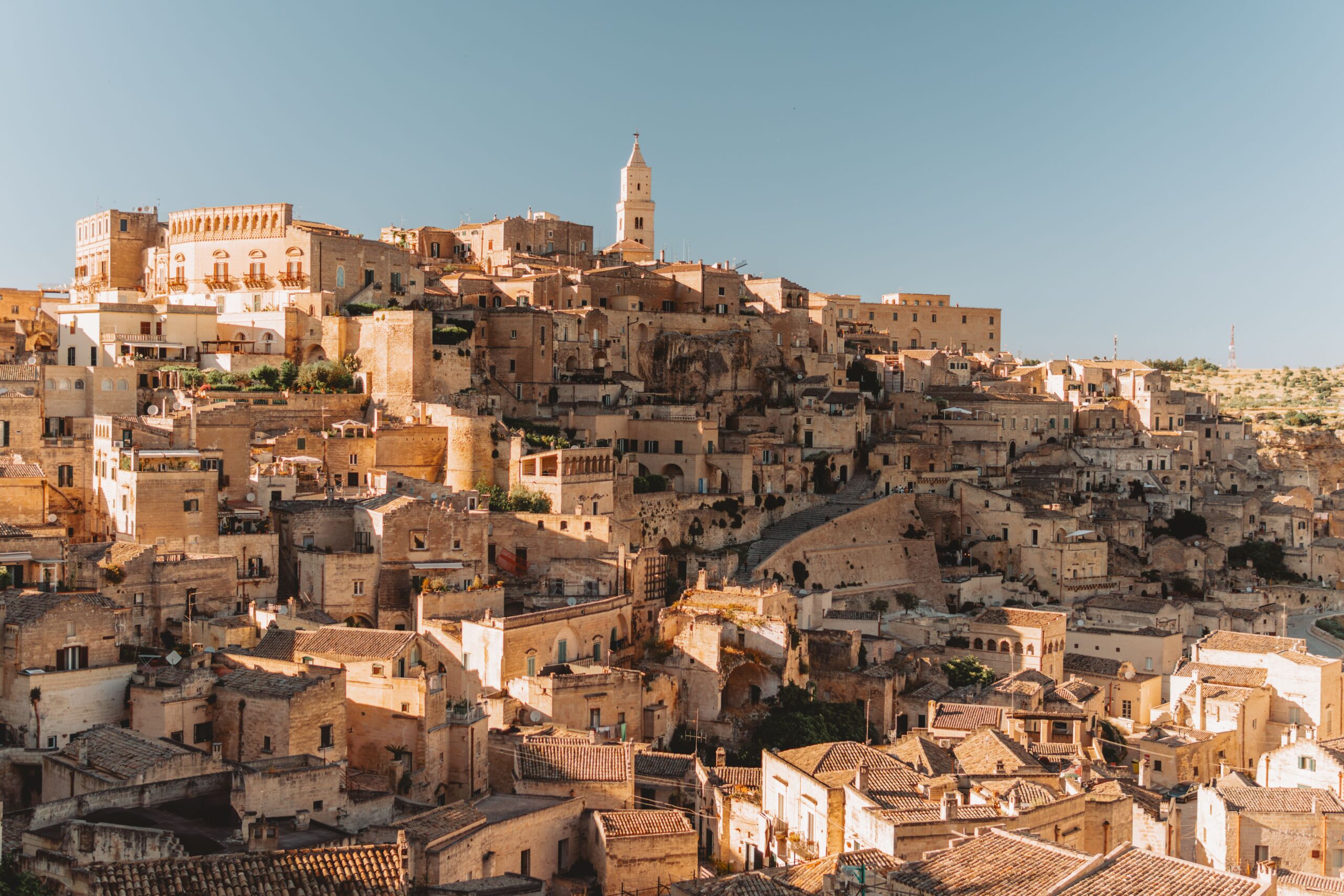
Greece vs Italy — Which Should You Visit First?
⭐ FIND THE BEST DEALS FOR YOUR TRIP
Compare thousands of hotels across both destinations on Trip.com — the easiest way to find the best price before you decide.
🇬🇷 Browse Greece hotels on Trip.com 👇 https://www.trip.com/hotels/w/home?Allianceid=9432011&SID=325292885&trip_sub1=greece&trip_sub3=D18818718
🇮🇹 Browse Italy hotels on Trip.com 👇 https://www.trip.com/hotels/w/home?Allianceid=9432011&SID=325292885&trip_sub1=italy&trip_sub3=D18818718
Greece or Italy. Two of the world’s most extraordinary travel destinations — both consistently at the top of every bucket list, both within reach of Australia on the same long-haul flight, and both offering experiences that genuinely change how you see the world. But they are completely different destinations — different landscapes, different food, different history, different pace of life. Greece is ancient, sun-drenched, and island-studded — a country of extraordinary natural beauty and 3,000 years of civilisation that rewards those who take their time. Italy is endlessly varied — a country of Renaissance art, extraordinary food cities, dramatic coastlines, and a cultural richness that takes multiple visits to fully appreciate. Here is the honest comparison to help you decide which one to visit first — or whether the answer is simply both.
Quick Comparison
| Factor | Greece | Italy |
|---|---|---|
| Flight time from Sydney | 20-22 hours via hub | 21-23 hours via hub |
| Daily budget | From $100 AUD | From $130 AUD |
| Best time to visit | April-June, September-October | April-June, September-October |
| Visa | No visa — 90 days Schengen | No visa — 90 days Schengen |
| Food culture | Fresh seafood, mezze, olive oil | Pizza, pasta, gelato, espresso |
| Beaches | Extraordinary — Santorini, Crete, Rhodes | Beautiful — Amalfi, Sicily, Sardinia |
| Cultural highlights | Ancient ruins, Byzantine churches | Roman Empire, Renaissance art, Vatican |
| Islands | 6,000 islands — extraordinary variety | Sicily, Sardinia, Capri |
| Pace of life | Relaxed — island time | Varies — cities busy, countryside relaxed |
Getting There — Draw
Greece: Greece requires a long haul flight from Australia — most travellers connect through Dubai, Singapore, Doha, or Abu Dhabi to Athens. Total travel time from Sydney is approximately 20-22 hours. Athens is the primary entry point — with connections to the islands by ferry or domestic flight.
Italy: Italy also requires a long haul flight — most travellers connect through Dubai, Singapore, or Doha to Rome or Milan. Total travel time from Sydney is approximately 21-23 hours. Rome and Milan are the primary entry points — with excellent train connections throughout the country.
Winner: Draw — both require similar long haul travel from Australia
Visa Requirements — Draw
Australian passport holders do not need a visa for either Greece or Italy — both are members of the Schengen Area, which allows Australians to visit for up to 90 days without any pre-travel visa application.
Important 2026 updates:
EES — Entry/Exit System: The EU’s new biometric border system became fully operational in April 2026. On your first visit to the Schengen Area, you will have your fingerprints and photograph taken at the border. This replaces the traditional passport stamp and is automatic — no advance application required.
ETIAS — coming later in 2026: The European Travel Information and Authorisation System — a pre-travel online authorisation similar to Australia’s own ETA or the US ESTA — is expected to launch in the last quarter of 2026. At the time of writing, ETIAS is not yet operational and applications are not open. Any website claiming to process ETIAS applications now is not official.
Passport validity: Your Australian passport must be valid for at least 3 months beyond your planned departure from the Schengen Area.
Practical note: If you visit both Greece and Italy on the same trip — your 90 days covers both countries combined, not 90 days each. Greece and Italy are both part of the same Schengen zone — travel freely between them without border checks.
Winner: Draw — both visa-free for Australians
Cost — Greece Wins
Both Greece and Italy are more expensive than Southeast Asia — but Greece offers significantly better value than Italy for most categories of travel.
Greece:
- Comfortable mid-range hotel in Athens or Crete — $80-150 AUD per night
- Meal at an excellent local taverna — $15-30 AUD
- Fresh seafood mezze platter — $20-40 AUD
- Ferry between islands — $20-60 AUD
- Museum entry — Acropolis ticket approximately $30 AUD
Browse Athens accommodation on Trip.com 👇 https://www.trip.com/hotels/w/home?Allianceid=9432011&SID=325292885&trip_sub1=athens&trip_sub3=D18818718
Italy:
- Comfortable mid-range hotel in Rome or Florence — $150-250 AUD per night
- Meal at an excellent local trattoria — $25-50 AUD
- Pizza and pasta — $15-25 AUD
- Train between cities — $30-100 AUD
- Vatican Museum entry — approximately $40 AUD
Browse Rome accommodation on Trip.com 👇 https://www.trip.com/hotels/w/home?Allianceid=9432011&SID=325292885&trip_sub1=rome&trip_sub3=D18818718
Winner: Greece — consistently better value across accommodation, food, and activities
Food — Draw
Both Greece and Italy have extraordinary food cultures — and choosing between them on food alone is genuinely one of the hardest calls in all of travel.
Greece: Greek food is built on extraordinary ingredients — the freshest seafood in the Mediterranean, olive oil that bears no resemblance to what’s sold in Australian supermarkets, locally made cheeses, and a mezze culture that turns eating into a social experience lasting hours. Grilled octopus at a harbourside taverna in Santorini. Fresh tzatziki with warm pita. A whole roasted lamb on Easter Sunday. Baklava still warm from the oven. Greek food is simple, fresh, and extraordinarily good.
For a complete guide to Greece — see our Greece travel guide.
Italy: Italy’s food culture is one of the world’s most recognised and most loved — and with good reason. Neapolitan pizza with a charred crust and San Marzano tomatoes. Fresh handmade pasta in Bologna. Risotto in Milan. Gelato in Florence. Espresso at a Roman bar. Each region of Italy has its own completely distinctive food culture — travelling Italy from north to south is a food journey that would take a lifetime to fully explore.
Browse Florence accommodation on Trip.com 👇 https://www.trip.com/hotels/w/home?Allianceid=9432011&SID=325292885&trip_sub1=florence&trip_sub3=D18818718
Winner: Draw — two of the world’s greatest food cultures — genuinely impossible to separate
History and Culture — Draw
Both Greece and Italy offer extraordinary historical and cultural experiences — but they represent different eras and different civilisations.
Greece: Greece is the birthplace of Western civilisation — democracy, philosophy, theatre, the Olympic Games, and mathematics all originated here. The Acropolis rising above Athens. The Oracle at Delphi. The ancient stadium at Olympia where the first Olympic Games were held. The extraordinary Byzantine monasteries of Meteora perched impossibly on rock pillars. And the living cultural traditions of Greek Orthodox Christianity that give every village its annual festival and its unique character.
For a complete guide — see our Greece travel guide.
Italy: Italy’s cultural richness spans a different era — the Roman Empire at its height, the Renaissance that transformed Western art, and the Catholic Church’s extraordinary artistic patronage that filled every city with masterpieces. The Colosseum in Rome. Michelangelo’s Sistine Chapel. Leonardo’s Last Supper in Milan. Botticelli’s Birth of Venus in Florence. The impossible beauty of Venice’s canals. Italy contains more UNESCO World Heritage Sites than any other country on earth — 58 at last count.
Browse Venice accommodation on Trip.com 👇 https://www.trip.com/hotels/w/home?Allianceid=9432011&SID=325292885&trip_sub1=venice&trip_sub3=D18818718
Winner: Draw — different eras, different civilisations, both extraordinary
Beaches and Islands — Greece Wins
Both Greece and Italy have beautiful coastlines — but Greece’s extraordinary island diversity gives it a clear edge for beach lovers.
Greece: Greece has over 6,000 islands — of which approximately 230 are inhabited — each with its own completely distinctive character. Santorini’s iconic white-washed buildings above a volcanic caldera. Mykonos’s beautiful beaches and legendary nightlife. Crete’s extraordinary variety — mountains, gorges, ancient ruins, and long sandy beaches. Rhodes’s medieval old city and beautiful east coast beaches. Corfu’s Venetian architecture and lush green landscape. The Greek islands are one of the world’s great travel experiences.
Italy: Italy’s coastline is beautiful — the Amalfi Coast’s dramatic cliffs above the Tyrrhenian Sea is one of the world’s most photographed coastlines, Sicily’s extraordinary variety of landscapes and beaches, Sardinia’s crystal clear water and white sand beaches, and Cinque Terre’s colourful fishing villages clinging to the cliffs of the Ligurian coast. Italy’s beaches are extraordinary — but they don’t quite match Greece’s island diversity.
Browse Santorini accommodation on Trip.com 👇 https://www.trip.com/hotels/w/home?Allianceid=9432011&SID=325292885&trip_sub1=santorini&trip_sub3=D18818718
Winner: Greece — 6,000 islands vs Italy’s handful — no contest for island lovers
Accessibility for Seniors — Greece Wins Slightly
Both Greece and Italy are generally accessible for older travellers — but Italy’s famous cobblestone streets present a genuine challenge.
Greece: Greece’s main tourist destinations are generally well set up for older travellers — the resort areas of Crete, Rhodes, and Corfu have flat, accessible streets and excellent facilities. Athens requires some navigation of the Acropolis hill — but the surrounding Plaka neighbourhood is relatively flat and charming. The ferry system between islands is comfortable and well-operated — with seated indoor areas on all major routes.
Italy: Italy’s historic city centres — Rome, Florence, Venice, and Cinque Terre in particular — involve significant walking on uneven cobblestone surfaces that can be genuinely challenging for older travellers managing joint issues. Venice requires navigating numerous bridges with steps — there are no lifts or flat alternatives on many routes. Rome and Florence are more manageable — but still involve significant walking on uneven surfaces.
Winner: Greece — flatter resort areas and more accessible island destinations
Weather — Draw
Both Greece and Italy enjoy a beautiful Mediterranean climate — warm, dry summers and mild winters.
Best time to visit both: April to June and September to October — warm temperatures, manageable crowds, and lower prices than the peak summer months of July and August.
July and August: Both destinations are extremely hot and extremely crowded in high summer — prices peak and the most popular sites become genuinely overwhelming. Worth avoiding if flexibility allows.
Winner: Draw — both offer beautiful weather in the shoulder seasons
The Honest Verdict
Choose Greece if:
- ✅ You want better value for money
- ✅ You want island hopping — beaches and crystal clear water
- ✅ You want a relaxed, unhurried pace of life
- ✅ You want ancient Greek history — Acropolis, Delphi, Olympia
- ✅ You want extraordinarily fresh seafood
- ✅ It’s your first time in Europe — Greece is more accessible and more relaxed
Choose Italy if:
- ✅ You want Renaissance art and architecture
- ✅ You want the Vatican and the Colosseum
- ✅ You want extraordinary food city variety — Rome, Florence, Bologna, Naples
- ✅ You want Venice — genuinely unlike anywhere else on earth
- ✅ You want the Amalfi Coast — one of the world’s most dramatic coastlines
- ✅ You want to cover more cultural ground in a shorter time
Why Not Both?
Greece and Italy combine beautifully in a single trip — fly into Rome, spend 10 days exploring Italy, then fly to Athens and spend 10 days exploring Greece before returning home. Both countries are in the Schengen Area — travel freely between them without border checks.
A suggested 3 week itinerary:
- Days 1-3 — Rome — Colosseum, Vatican, Trevi Fountain, Roman Forum
- Days 4-6 — Florence — Uffizi Gallery, Duomo, Tuscan day trips
- Days 7-9 — Amalfi Coast — Positano, Ravello, boat trips
- Days 10-11 — Athens — Acropolis, Plaka, National Archaeological Museum
- Days 12-14 — Santorini — caldera views, black sand beaches, sunset at Oia
- Days 15-17 — Crete — Knossos, Samaria Gorge, beautiful beaches
- Days 18-21 — Rhodes or Corfu — medieval old city, relaxed island life
Book Your Trip
Compare the best hotel deals across both destinations on Trip.com:
| Destination | Trip.com |
|---|---|
| Greece | Browse hotels |
| Athens | Browse hotels |
| Santorini | Browse hotels |
| Crete | Browse hotels |
| Italy | Browse hotels |
| Rome | Browse hotels |
| Florence | Browse hotels |
| Venice | Browse hotels |
Browse all destinations on Trip.com 👇 https://www.trip.com/?Allianceid=9432011&SID=325292885&trip_sub1=homepage&trip_sub3=D18818718
Have you been to Greece or Italy? Which would you recommend visiting first? Share your experience in The Good Years Club community 💙
👉 Join The Good Years Club Community — https://www.facebook.com/share/g/1Fw4FHNpJr/