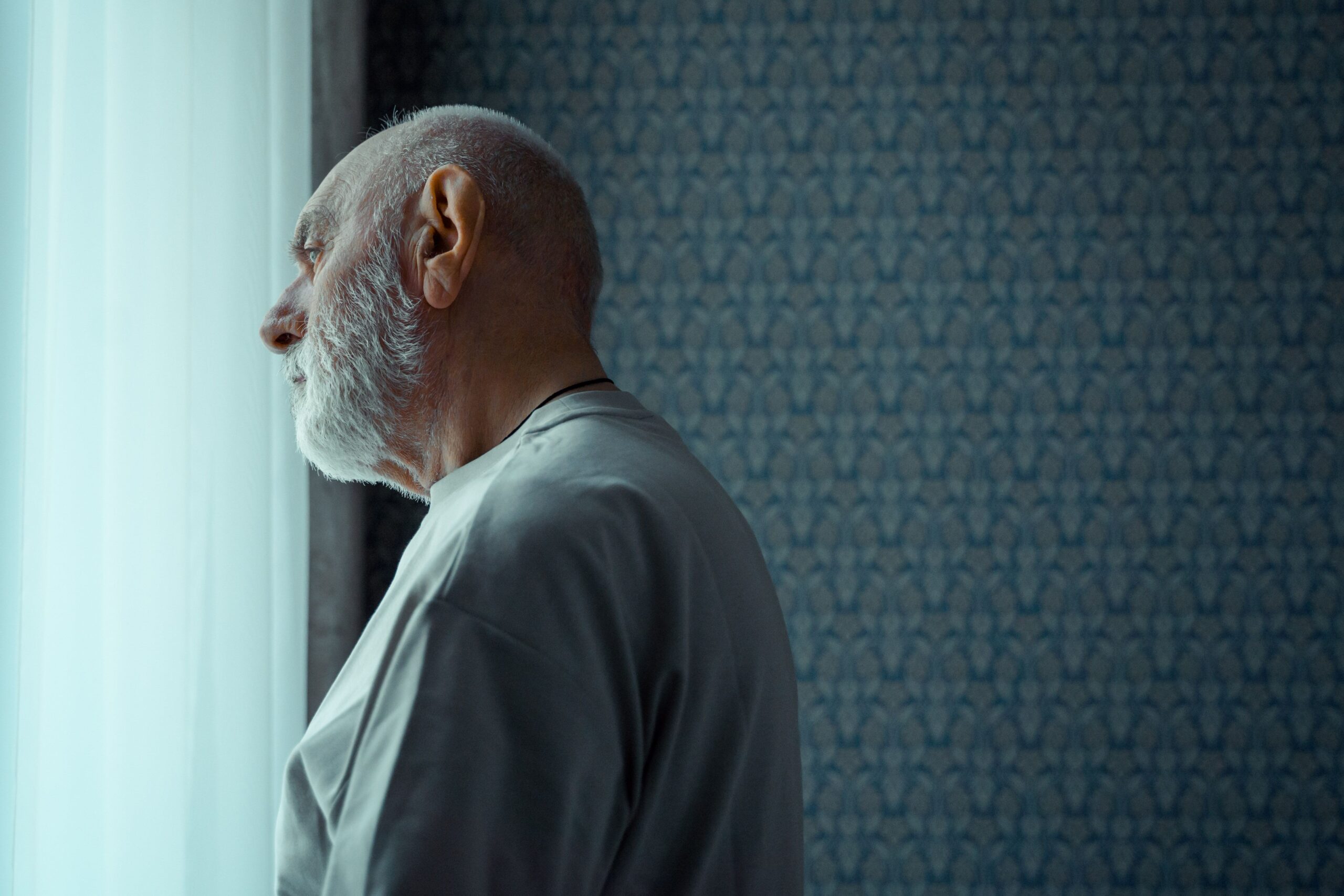
How to Combat Loneliness in Retirement — A Practical Guide
Retirement is often imagined as a season of freedom, relaxation, and time finally spent on the things that matter most. For many Australians it is exactly that. But for a significant number of retirees it also brings something far less talked about — loneliness. The social structures that organised daily life for decades — work colleagues, school gate conversations, the daily rhythm of a busy household — disappear, sometimes quite suddenly, and the social connection that came with them often disappears too. If this resonates with you, you are not alone in feeling alone — and there is a great deal you can do about it.
Why Loneliness Increases After Retirement
Understanding why loneliness becomes more common in retirement is the first step toward addressing it.
The loss of built in social structure Work provides daily social contact almost automatically — colleagues, regular conversations, a sense of belonging to something. When that disappears the social contact it provided often disappears with it, and many retirees are surprised by how significant that loss feels.
Shrinking social circles As people age social circles naturally contract — friends move away, relocate to be closer to family, develop health conditions that limit socialising, or pass away. Children grow up and become busy with their own lives. These changes accumulate gradually, often without being fully noticed until the isolation becomes significant.
Reduced mobility or health changes Physical health changes — reduced mobility, vision or hearing changes, chronic health conditions — can make it harder to get out and maintain the social activities that previously provided connection.
Loss of a partner The death of a spouse or partner is one of the most significant contributors to loneliness in later life — not only because of the profound grief involved but because a partner often represented a primary source of daily companionship and conversation.
Geographic relocation Many retirees move — downsizing, relocating to be closer to family, or moving to a retirement community — and rebuilding a social network in a new location takes deliberate effort that doesn’t happen automatically.
Why This Matters So Much for Your Health
The health impact of loneliness is significant enough that it deserves serious attention rather than being dismissed as simply an emotional inconvenience.
Research has consistently linked chronic loneliness to:
- Increased risk of depression and anxiety
- Higher rates of cardiovascular disease
- Accelerated cognitive decline and increased dementia risk
- Weakened immune function
- Increased mortality risk comparable to smoking and obesity
- Poor sleep quality
- Reduced motivation for physical activity and healthy eating
This is not a minor wellbeing issue. Addressing loneliness is a genuine health intervention — as important as diet, exercise, and medical care.
The First Step — Naming It
For many people the first barrier to addressing loneliness is acknowledging it. There is often a sense of embarrassment or shame attached to admitting to loneliness — a feeling that it reflects some kind of personal or social failure.
It doesn’t.
Loneliness in retirement is an extremely common experience driven by structural and circumstantial changes that affect almost everyone to some degree. Naming it honestly — to yourself and ideally to someone you trust — is the necessary first step toward addressing it.
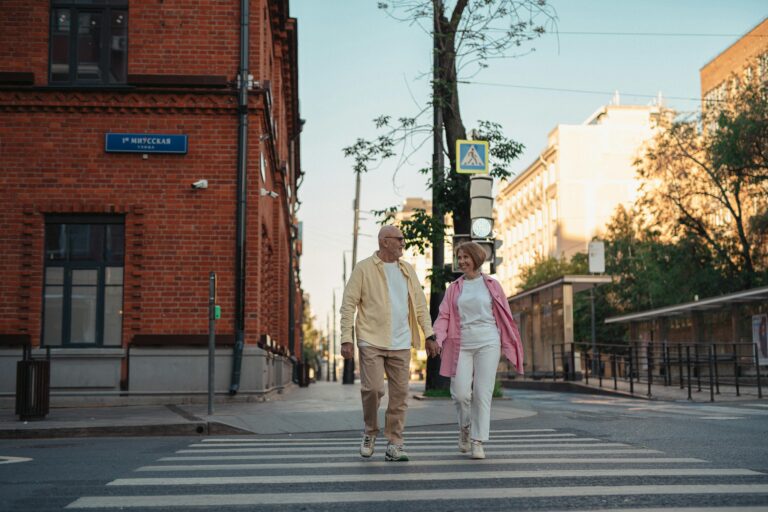
Practical Strategies for Building Connection
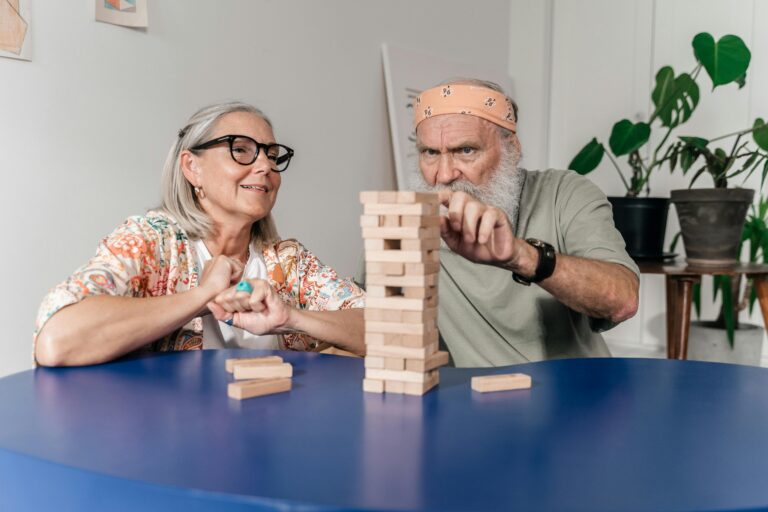
1. Join groups built around shared activity
Friendships that form around a shared activity tend to be more sustainable than those built through effort alone — the activity gives the relationship a natural reason to continue. Consider:
- Walking groups
- Gardening clubs
- Men’s sheds
- Book clubs
- Craft and hobby groups
- Bowls, golf, or other sporting clubs
- Aquatic exercise classes
- U3A — University of the Third Age — courses
2. Volunteer
Volunteering provides social connection, a sense of purpose, and the satisfaction of contributing to something meaningful. Options worth exploring include:
- Meals on Wheels
- Hospital or aged care facility volunteering
- Local charity shops
- Community gardens
- Mentoring or tutoring programs
- Wildlife or environmental conservation groups
3. Take a course or learn something new
Adult education courses — through TAFE, U3A, community centres, or online — provide both social connection and the cognitive benefits of learning something new. As I explored in how to keep your brain sharp after 60 — learning new skills offers significant benefits for brain health alongside the social opportunities they create.
4. Reconnect with old friends
Reach out to friends you’ve lost touch with — a phone call, a coffee invitation, a message. Many people assume a lapsed friendship can’t be revived, but most people respond warmly to a genuine reconnection attempt, especially in retirement when many are seeking the same connection you are.
5. Use technology to stay connected
Video calling, messaging apps, and social media can meaningfully supplement in person connection — particularly with family and friends who live at a distance. Learning to use these tools confidently opens up connection that distance would otherwise prevent.
6. Get a pet
For those able to care for one, pets provide companionship, routine, and often unexpected social connection — conversations with other dog walkers, for example, can develop into genuine friendships over time.
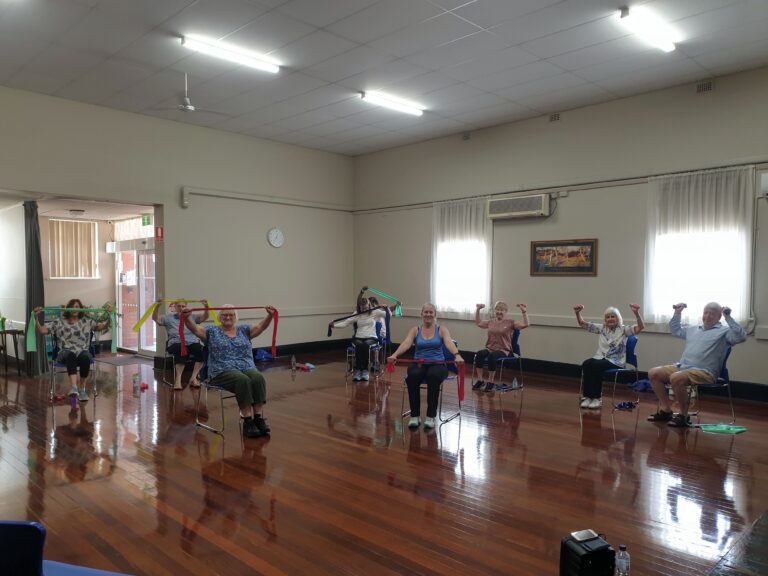
7. Attend community and seniors centre activities
Most local councils run seniors activity programs — morning teas, exercise classes, day trips, social clubs — specifically designed to combat isolation in older Australians. These are often free or low cost and specifically structured to make joining easy for newcomers.
8. Consider retirement living or downsizing to a community focused environment
For some people moving to a retirement village or community focused housing significantly increases social opportunity through built in community activities and proximity to neighbours in similar life stages.
For Those Supporting a Lonely Parent or Loved One
If you’re concerned about loneliness in a parent or older loved one there are meaningful things you can do:
Visit and call consistently Regular contact — even brief — provides meaningful connection and signals that they are remembered and valued.
Help them find and access social opportunities Many older Australians want social connection but find the practical steps of finding and joining a group overwhelming. Helping research options, make the first phone call, or attend the first session can remove a significant barrier.
Watch for signs of withdrawal Significant changes in social engagement — declining invitations they would normally accept, expressing disinterest in previously enjoyed activities — can indicate depression as well as loneliness and may warrant a conversation with their GP.
Encourage technology use Helping a parent set up and use video calling can meaningfully increase their connection with family, especially grandchildren, even at a distance.
When Loneliness Becomes Something More
It’s worth distinguishing between loneliness — a response to circumstances that can be addressed through connection — and depression, which is a clinical condition that may require professional support regardless of social circumstances.
Signs that professional support may be needed:
- Persistent low mood lasting more than two weeks
- Loss of interest in previously enjoyed activities
- Significant changes in sleep or appetite
- Feelings of hopelessness
- Withdrawal that persists despite opportunities for connection
- Thoughts of self harm
If you or someone you love is experiencing these symptoms speak with a GP, or contact Beyond Blue on 1300 22 4636 or Lifeline on 13 11 14.
The Bottom Line
Loneliness in retirement is common, understandable, and — most importantly — addressable.
It rarely resolves through waiting. It resolves through deliberate, sometimes uncomfortable, action — joining the group, making the call, showing up to the first session even when it feels easier to stay home.
The connections that follow are almost always worth the initial discomfort of starting.
You don’t have to navigate this alone. And you don’t have to stay lonely.
Have you found ways to build connection in retirement? Come and share your experience in The Good Years Club community — we’d love to hear what’s worked for you 💙
👉 Join The Good Years Club Community — https://www.facebook.com/share/g/1Fw4FHNpJr/



Hello my name is Anita