Best Places to Stay in Vietnam for Over 60s 2026
Vietnam is one of the most interesting destinations in Southeast Asia for Australian travellers.
It combines historic cities, beautiful beaches, mountain scenery, excellent food and a huge variety of places to explore.
But Vietnam can also feel busy.
Traffic, heat, long travel days and crowded streets mean choosing the right places to stay can make a big difference to your holiday.
For travellers over 60, we think the best approach is simple.
Travel slowly, choose a few good bases and give yourself time to enjoy them.
Here are our picks for the best places to stay in Vietnam for over 60s.
Affiliate disclosure: The Good Years Club may earn a commission from qualifying purchases made through some links on this page, at no extra cost to you. As an Amazon Associate I earn from qualifying purchases.
Best Places to Stay in Vietnam at a Glance
| Destination | Best For | Suggested Stay |
|---|---|---|
| Hoi An | Best overall | 3 to 5 nights |
| Hanoi | Culture and history | 3 to 4 nights |
| Da Nang | Beaches and convenience | 3 to 5 nights |
| Ho Chi Minh City | Big city experience | 3 to 4 nights |
| Phu Quoc | Island relaxation | 4 to 7 nights |
| Ha Long Bay | Scenery | 1 to 2 nights |
| Sapa | Mountains | 2 to 3 nights |
| Nha Trang | Alternative beach stay | 3 to 5 nights |
1. Hoi An
Best overall
If we had to choose one destination in Vietnam for many travellers over 60, we would start with Hoi An.
The historic Ancient Town is filled with colourful buildings, restaurants, cafes, shops and riverside areas.
Hoi An also encourages a slower style of travel.
You can spend the morning exploring, stop somewhere for lunch, return to your accommodation during the hottest part of the day and head out again in the evening.
The nearest major airport is in Da Nang, around a 50 minute drive from the Ancient Town.
Why we like Hoi An
Beautiful historic centre
Excellent food
Relaxed atmosphere
Easy access to Da Nang
Beaches nearby
Plenty to do without rushing
Things to consider
Parts of the historic centre have uneven surfaces, and the weather can become very hot.
Take your time and choose accommodation that suits your mobility needs.
Our verdict: The best overall base for many Australians over 60 visiting Vietnam.
2. Hanoi
Best for culture and history
Hanoi is chaotic, fascinating and completely different from Hoi An.
Vietnam’s capital is a good place to experience the history, food and energy of the country.
The Old Quarter is the centre of the action, with narrow streets, restaurants, shops and constant activity.
You can also visit museums, temples and Hoan Kiem Lake.
Hanoi is not necessarily relaxing.
Traffic can be intimidating at first, pavements can be uneven or obstructed, and crossing busy roads takes some adjustment.
That is part of the experience, but it is worth knowing before you arrive.
Why we like Hanoi
Rich history
Excellent food
Museums and cultural attractions
Good base for exploring northern Vietnam
Plenty of accommodation choices
Things to consider
Hanoi can be noisy and busy.
If you want easier access to attractions, choosing a well located hotel can save a lot of unnecessary walking and transport.
Our verdict: Best for travellers who want to experience the culture and history of northern Vietnam.
3. Da Nang
Best for beaches and convenience
Da Nang is one of the easiest places to include in a Vietnam itinerary.
You have beaches, restaurants, a major airport and straightforward access to other destinations in central Vietnam.
My Khe Beach stretches along the city coastline, while popular day trips include the Son Tra Peninsula and Marble Mountains.
Hoi An is also nearby.
That makes Da Nang particularly useful if you want a beach stay without being isolated in a resort.
Why we like Da Nang
Long beaches
International airport
Plenty of restaurants
Easy access to Hoi An
Good transport connections
Mix of city and beach
Things to consider
Some attractions around Da Nang involve stairs and uneven terrain.
You do not need to do everything. Choose the experiences that suit you.
Our verdict: One of the easiest Vietnam destinations to build into a relaxed itinerary.
4. Ho Chi Minh City
Best for a big city experience
Ho Chi Minh City is Vietnam at full speed.
The city offers markets, museums, historic buildings, restaurants and a huge amount of energy.
It is an interesting contrast if you are also visiting quieter destinations such as Hoi An or Phu Quoc.
District 1 is convenient for first time visitors because many major attractions are relatively close together.
But this is still a large and busy city.
Traffic can be intense and getting around on foot is not always as straightforward as it looks on a map.
Why we like Ho Chi Minh City
Huge variety of restaurants
Museums and historic attractions
Excellent base for exploring southern Vietnam
Major international airport
Plenty of accommodation
Things to consider
The heat, traffic and noise can become tiring.
Build some slower periods into your days rather than sightseeing from morning until night.
Our verdict: Best for travellers who enjoy energetic cities.
5. Phu Quoc
Best for island relaxation
If you want to finish your Vietnam holiday somewhere slower, Phu Quoc is worth considering.
The island is known for its beaches and resorts, making it a completely different experience from Hanoi or Ho Chi Minh City.
This is somewhere to deliberately slow down.
Spend time beside the water, enjoy your hotel and give yourself a few days without an enormous sightseeing list.
Why we like Phu Quoc
Beach holiday atmosphere
Good choice for resort stays
Easy place to slow down
Useful contrast to Vietnam’s major cities
Airport on the island
Things to consider
Choose your accommodation location carefully.
If you plan to spend most of the trip at a resort, being further from town may not matter. If you want restaurants and other facilities nearby, location becomes more important.
Our verdict: Best for adding several relaxing days to the end of your Vietnam holiday.
6. Ha Long Bay
Best for scenery
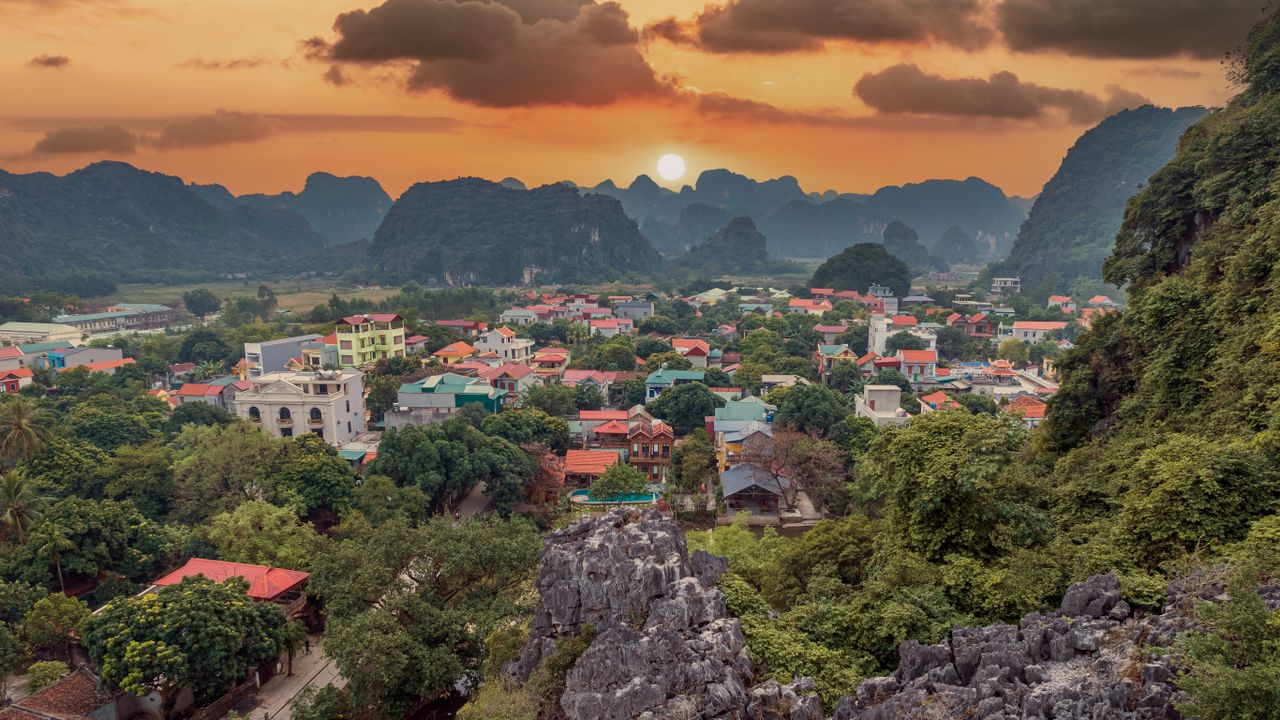
Ha Long Bay is one of Vietnam’s most recognisable destinations.
Its limestone islands and dramatic scenery make it a popular addition to trips through northern Vietnam.
For many travellers, Ha Long Bay makes more sense as a short experience rather than somewhere to base yourself for a week.
An overnight stay can give you more time to experience the scenery without immediately turning around and travelling back.
Things to consider
Boat standards and accessibility vary.
If you are considering a cruise, ask about stairs, cabin access, getting on and off the vessel and safety equipment before booking.
Do not assume every boat will suit someone with limited mobility.
Our verdict: Worth considering for the scenery, but research your operator carefully.
7. Sapa
Best for mountain scenery
Sapa shows you a completely different side of Vietnam.
Located in the mountainous north, the area is known for valleys, rice terraces and spectacular landscapes.
But Sapa is also the destination on this list where mobility deserves the most consideration.
Many popular experiences involve hills, stairs, uneven paths or longer walks.
You do not have to trek for hours to enjoy the region, but travellers with mobility limitations should research individual activities carefully.
Why we like Sapa
Mountain scenery
Cooler conditions at certain times of year
Completely different from coastal Vietnam
Interesting addition to a longer northern itinerary
Our verdict: Excellent for scenery, but not our first recommendation for travellers with significant mobility limitations.
8. Nha Trang
Best alternative beach destination
Nha Trang gives you another option if beaches are an important part of your Vietnam holiday.
It combines a long coastline with the facilities of a city, including restaurants and accommodation.
This makes it different from a smaller island escape.
You can spend time at the beach without giving up the convenience of staying in a larger destination.
Who should stay here?
Consider Nha Trang if you want a beach focused part of your holiday but do not necessarily want the resort island experience of Phu Quoc.
Our verdict: A good alternative for travellers building a longer Vietnam itinerary.
Hoi An or Da Nang?
This is one of the easiest decisions to get stuck on because the two destinations are close together.
We would choose Hoi An if atmosphere, history, food and a slower holiday are your priorities.
Choose Da Nang if beaches, airport convenience and the facilities of a larger city matter more.
You can also split your time between them.
For example, spend three nights in Hoi An followed by three nights beside the beach in Da Nang.
Hanoi or Ho Chi Minh City?
If you only have time for one major Vietnamese city, the decision comes down to what you want from the trip.
Choose Hanoi for history, the Old Quarter and easy access to northern Vietnam.
Choose Ho Chi Minh City for a larger, faster and more modern city experience.
There is nothing wrong with visiting both, particularly on a longer trip.
Just avoid rushing directly from one major city to another without giving yourself some quieter days in between.
How Long Should You Spend in Vietnam?
For a first visit, around two weeks gives you enough time to see several parts of the country without changing hotels constantly.
Three weeks is even better if you want a slower trip.
Vietnam is long and narrow. Distances between the north, centre and south are significant.
Trying to see the entire country in seven days usually means spending too much of your holiday in transit.
A Relaxed Two Week Vietnam Itinerary
Here is one way we would structure a first trip.
Days 1 to 3: Hanoi
Explore the city and recover from your flight.
Days 4 to 5: Ha Long Bay
Spend a night around the bay before returning.
Days 6 to 9: Hoi An
Slow things down with several days in central Vietnam.
Days 10 to 11: Da Nang
Enjoy the beach and an easier pace.
Days 12 to 14: Ho Chi Minh City
Finish with several days exploring southern Vietnam.
If you have another week, consider adding Phu Quoc for a relaxing finish.
Vietnam vs Thailand
Vietnam and Thailand are both excellent options from Australia, but they offer different holidays.
Vietnam can be particularly appealing if history, food, scenery and travelling between several distinct destinations are priorities.
Thailand has its own advantages, particularly for travellers interested in islands and resort holidays.
We have compared them properly in our guide to Vietnam vs Thailand for Australian retirees.
Is Vietnam an Affordable Holiday From Australia?
Vietnam can offer good value compared with many long haul destinations, but your total cost will depend heavily on flights, accommodation and how you travel.
Do not assume everything will automatically be cheap.
A luxury resort, private transfers and domestic flights can still add up quickly.
If budget is an important part of choosing your next holiday, see our guide to the cheapest countries to visit from Australia.
Getting Around Vietnam
Vietnam’s size means you need to think carefully about transport.
Domestic flights can save significant time when travelling between the north, centre and south.
Trains are another option if you prefer slower travel and want to see more of the country along the way.
Within cities, taxis and reputable ride services can be convenient.
We would be cautious about hiring or riding motorcycles unless you fully understand the licensing requirements and local road conditions.
The Australian Government advises that Australian driver licences and International Driving Permits issued in Australia are not accepted for riding motorcycles of 50cc or above in Vietnam. A valid Vietnamese licence is required.
Best Time to Visit Vietnam
There is no single perfect month for every part of Vietnam.
The country stretches across several climate zones, so conditions in Hanoi can be very different from Hoi An or Ho Chi Minh City at the same time of year.
As a broad guide, March to May can offer favourable conditions across much of the country.
But always check the weather for the specific destinations on your itinerary.
For example, Hoi An generally experiences more rain and storms from October to January, while March to May is often a better period to visit.
What to Pack for Vietnam
Vietnam can involve hot weather, busy travel days and moving between several destinations.
Packing reasonably light makes the trip easier.
Packing Cubes
Packing cubes are especially useful if you are changing hotels several times.
Insulated Water Bottle
A reusable insulated bottle can be useful during hot sightseeing days.
See our insulated water bottle pick on Amazon
Power Bank
Your phone may be used throughout the day for maps, photos, transport and communication.
See our power bank pick on Amazon
Travel Document Organiser
Keeping your passport and travel documents together can make airports and hotel changes easier.
See our travel document organiser pick on Amazon
Entry Requirements for Australians
Australian travellers need to make sure they have the correct visa or exemption before entering Vietnam.
Eligible travellers can apply online for a Vietnamese eVisa. If granted, an eVisa may allow a stay of up to 90 days and can be issued for single or multiple entries.
Australian passport holders should not rely on obtaining a visa on arrival.
Check every detail on your visa carefully. Your name, passport number, date of birth and other information should match your passport.
Entry rules can change.
Before travelling, check the latest advice from Australian Government Smartraveller and use only the official Vietnamese Government eVisa service when applying.
Travellers arriving through some international airports are also encouraged to complete Vietnam’s Digital Pre Arrival Form within 72 hours before arrival. Check the current requirements shortly before your trip.
Accessibility in Vietnam
Vietnam can be rewarding for older travellers, but accessibility varies considerably.
Busy footpaths, stairs, uneven surfaces, traffic and older buildings can create difficulties for people with limited mobility.
This does not mean you cannot visit.
It means planning matters.
Before booking accommodation, consider:
Whether the property has a lift
Whether your room requires stairs
Bathroom and shower access
Distance from restaurants and attractions
How easily taxis can reach the property
Whether major attractions suit your mobility
If you have specific accessibility requirements, contact the accommodation directly before booking.
Staying Healthy While Travelling
Vietnam’s heat and humidity can make long sightseeing days tiring.
Drink regularly, take breaks and give yourself time to adjust.
If you take prescription medication, check the current rules for bringing it into Vietnam and carry enough for your trip.
Travel insurance is also worth considering carefully.
Read our guide to travel insurance for Australians over 60 and our guide to staying healthy while travelling after 60 before departure.
Which Part of Vietnam Should You Choose?
If you want the easiest answer, start with Hoi An.
Choose Hanoi for history and culture.
Choose Da Nang for beaches and convenience.
Choose Ho Chi Minh City for a big city experience.
Choose Phu Quoc for relaxation.
Choose Ha Long Bay for scenery.
Choose Sapa for mountains.
Choose Nha Trang for another beach option.
For a first trip, we would rather see you properly experience three or four destinations than race through eight.
Vietnam rewards slower travel.
Give yourself time to eat, explore, rest and actually enjoy where you are.