15 Things Nobody Tells You Before You Retire
Everyone talks about retirement like it is the finish line.
The moment the alarm clock stops. The moment the commute ends. The moment decades of early mornings and long meetings and difficult colleagues finally give way to something better.
And in many ways it is exactly that.
But retirement is also something nobody quite prepares you for. The transition from a life built around work to a life built around something else entirely is one of the most significant psychological shifts a person will ever make. And most people make it without a map.
These are 15 things worth knowing before you get there.
1. The First Few Months Can Feel Disorienting
Most people expect to feel relieved when they retire. And they do. But relief is often followed surprisingly quickly by a sense of disorientation that nobody warned them about.
The structure that work provided — the reason to get up, the place to be, the people to see, the problems to solve — disappears almost overnight. And the absence of that structure can feel strange, uncomfortable, and even a little frightening before it starts to feel liberating.
This is completely normal. It does not mean retirement was a mistake. It means you are human and humans need time to adapt to significant change. Give yourself that time.
2. Identity Takes Longer to Rebuild Than You Expect
For most people work is not just what they do. It is a significant part of who they are.
Doctor. Teacher. Engineer. Manager. These are not just job titles — they are identities built over decades. When the job ends the identity does not automatically follow. Many people find themselves genuinely uncertain about who they are outside of their professional role — sometimes for the first time since their twenties.
Rebuilding a sense of identity and purpose in retirement is one of the most important and most underestimated challenges of the transition. It takes time, experimentation, and a willingness to try things that feel unfamiliar. But the people who do it well report that retirement eventually becomes the most fulfilling chapter of their lives.
3. Loneliness is More Common Than Anyone Admits
Nobody warns you how social work actually is until it is gone.
The daily conversations. The shared problems. The colleagues who became friends. The simple human contact of being around other people with a shared purpose. Work provides all of this automatically — and retirement removes it just as automatically.
Research consistently shows that loneliness and social isolation are among the most significant challenges of retirement and that they are significantly more common than most people admit. Building and maintaining deliberate social connections after retirement requires effort in a way that was never necessary during working life.
The people who thrive in retirement are almost always the ones who invest actively in relationships and community. Join things. Show up consistently. Do not wait for social connection to come to you.
4. Your Health Becomes Your Most Important Asset
This one sounds obvious until it is not.
The difference between a retirement spent travelling, staying active, pursuing hobbies, and enjoying life — and a retirement spent managing chronic health conditions, losing independence, and relying on others for basic daily tasks — often comes down to decisions made in the years immediately before and after retiring.
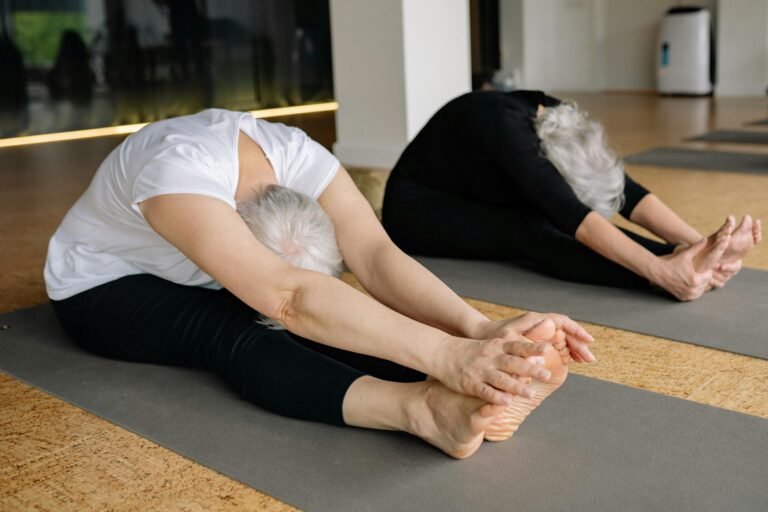
Exercise. Nutrition. Sleep. Regular health checks. These are not optional extras in retirement. They are the foundation on which everything else is built. The people who prioritise their health in their 60s are the ones who are still living independently and doing the things they love in their 80s.
Read our complete guide to the 8 pillars of healthy ageing for everything the research says about staying active, sharp, and independent as you age.
thegoodyearsclub.com/the-8-pillars-of-healthy-ageing-what-the-research-actually-says/
5. Time Does Not Manage Itself
Unlimited free time sounds like a dream. In practice it requires more management than most people expect.
Without the structure of work days have a tendency to drift. Mornings become afternoons become evenings without much to show for them. Weeks blur into each other. And the uncomfortable realisation dawns that having all the time in the world does not automatically translate into doing all the things you always said you would do when you had the time.
The retirees who feel most fulfilled are almost always the ones who build a deliberate structure into their days — not a rigid schedule, but a framework that gives the week shape and gives each day a sense of purpose and direction.
6. Your Relationship Changes Too
For couples retirement is a significant adjustment — not just for the person retiring but for the relationship itself.
Suddenly two people who spent the majority of their waking hours apart are spending almost all of their time together. Routines that worked for decades need to be renegotiated. Space and independence become more important and more difficult to find simultaneously. And tensions that work conveniently masked can surface with unexpected intensity.
This does not mean retirement is bad for relationships. Many couples report that it ultimately brings them closer. But it requires honest conversation, mutual respect for each other’s need for space and independence, and a willingness to build new shared routines together.
7. Your Purpose Needs to Be Rebuilt Deliberately
Work provides purpose automatically. Retirement does not.
The sense of contributing something meaningful — of being needed, of making a difference, of having a reason that gets you out of bed in the morning — does not transfer automatically from your career to your retirement. It has to be built deliberately.
Volunteering is one of the most powerful sources of purpose available in retirement. So is mentoring, community involvement, creative work, and the simple act of being genuinely present and engaged in the lives of the people around you.
The Japanese concept of ikigai — your reason for being — is not something you retire into. It is something you build. And the people who build it consciously tend to live longer, healthier, and happier lives than those who do not.
Read more about purpose and healthy ageing in our guide to the 8 pillars of healthy ageing.
thegoodyearsclub.com/the-8-pillars-of-healthy-ageing-what-the-research-actually-says/
8. Travel is Better Than You Imagined — If You Do It While You Can
One of the great gifts of retirement is the freedom to travel without the constraints of annual leave, school holidays, or weekend pricing.
The people who make the most of this freedom — who book the trip to Japan, who drive around Australia, who spend a month in Greece — consistently report that these experiences are among the most meaningful and memorable of their entire lives.
But there is an honesty worth sitting with here. The window for active, adventurous travel is not unlimited. Health, mobility, and energy change with time. The trip you plan to take one day is better taken sooner rather than later.
If there is somewhere you have always wanted to go — go. The good years are happening right now.
Explore our destination guides for Japan, Greece, Vietnam, Bali, and Europe.
thegoodyearsclub.com/the-best-places-to-visit-in-europe-for-travellers-over-60-a-complete-guide/
9. Your Brain Needs Exercise as Much as Your Body
Most people retire from mentally demanding work without replacing the cognitive stimulation that work provided.
The brain is extraordinarily adaptable throughout life — but it responds to the demands placed on it. A brain that is consistently challenged, stimulated, and asked to learn new things maintains its sharpness in a way that a brain left to idle does not.
Learning a language, picking up a musical instrument, engaging with technology, reading widely, playing strategy games — these are not hobbies. They are brain maintenance. And the research on their effect on cognitive health and dementia risk is compelling.
Read our complete guide to keeping your brain sharp after 60.
thegoodyearsclub.com/how-to-keep-your-brain-sharp-after-60/
10. The People Who Age Best Stay Active Longest
This is perhaps the single most consistent finding across every piece of longevity research ever conducted.
Physical activity — particularly resistance training and regular walking — is the most powerful intervention available for healthy ageing. It preserves muscle mass, bone density, balance, cardiovascular health, cognitive function, and independence. And its benefits are available at any age to anyone who starts.
The retirees who are still living independently, still travelling, still doing the things they love at 80 and 85 — are almost always the ones who stayed physically active through their 60s and 70s.
It is never too late to start. And it is never too early.
Read our guide to why walking is the best exercise for retirees.
thegoodyearsclub.com/why-walking-is-the-best-exercise-for-retirees/
11. Retirement is Not a Destination — It is a Practice
The idea of retirement as a permanent state of relaxation and ease is one of the most misleading things ever said about it.
The retirees who are genuinely happy are not the ones who stopped. They are the ones who redirected. Who channelled the energy, discipline, and purpose that drove their careers into something new — travel, creativity, community, family, fitness, learning.
Retirement is not the end of striving. It is the beginning of striving for things that actually matter to you.
12. Money Anxiety Does Not Automatically Disappear
Many people assume that financial anxiety is a working life problem that retirement will solve.
For some it does. But for many retirees the transition from accumulating money to spending it — from a regular income to drawing down on savings — introduces a new and unexpected form of financial anxiety. The fear of running out. The discomfort of spending money that is no longer being replaced.
Getting clear on your finances before retirement — understanding exactly what you have, what you need, and what you can comfortably spend — is one of the most important and most overlooked forms of retirement preparation.
13. Your Social Circle Needs Active Maintenance
Friendships that existed primarily in the context of work often fade more quickly than people expect.
Without the shared context of the workplace — the daily contact, the common purpose, the automatic reason to interact — many work friendships quietly drift apart in the first few years of retirement. This is normal but it catches many people off guard.
The social connections that survive and deepen in retirement are the ones that are actively maintained. Regular contact. Genuine investment. The willingness to be the one who reaches out, organises, and shows up.
And new friendships — formed through shared interests, community involvement, travel, and groups — become increasingly important as the years go on.
14. Your Home Starts to Matter More
When you spend more time at home your home matters more.
Many retirees find themselves wanting to invest in their living environment in a way they never prioritised during their working years. A garden that is genuinely enjoyable. A living space that feels comfortable and welcoming. A kitchen that reflects the more relaxed and deliberate approach to cooking that retirement allows.
This is not frivolity. Your environment shapes your mood, your energy, and your sense of wellbeing in ways that are well documented in the research. Creating a home environment that you genuinely love spending time in is one of the most worthwhile investments of retirement.
15. The Good Years Are Happening Right Now
This is the one that matters most.
The tendency to treat retirement as a waiting room — waiting until the right moment to book the trip, start the project, make the call, try the new thing — is one of the most common and most costly mistakes of retirement.
The good years are not coming. They are here. The health, the energy, the freedom, and the time that make retirement extraordinary are most abundant right now — in the early and middle years of retirement — and they diminish gradually with time.
Do the things that matter. Go to the places you have always wanted to go. Spend time with the people who mean the most to you. Start the things you have been putting off.
The best time to live your retirement fully is now.
The honest truth about retirement is that it is exactly as good as you make it.
The structure, the purpose, the social connection, the health, the adventure — none of it comes automatically. All of it is built deliberately by the people who end up looking back on their retirement years as the finest chapter of their lives.
You get to decide which kind of retirement you have.
For practical guides to staying active, travelling confidently, and making the most of every year read more at The Good Years Club.