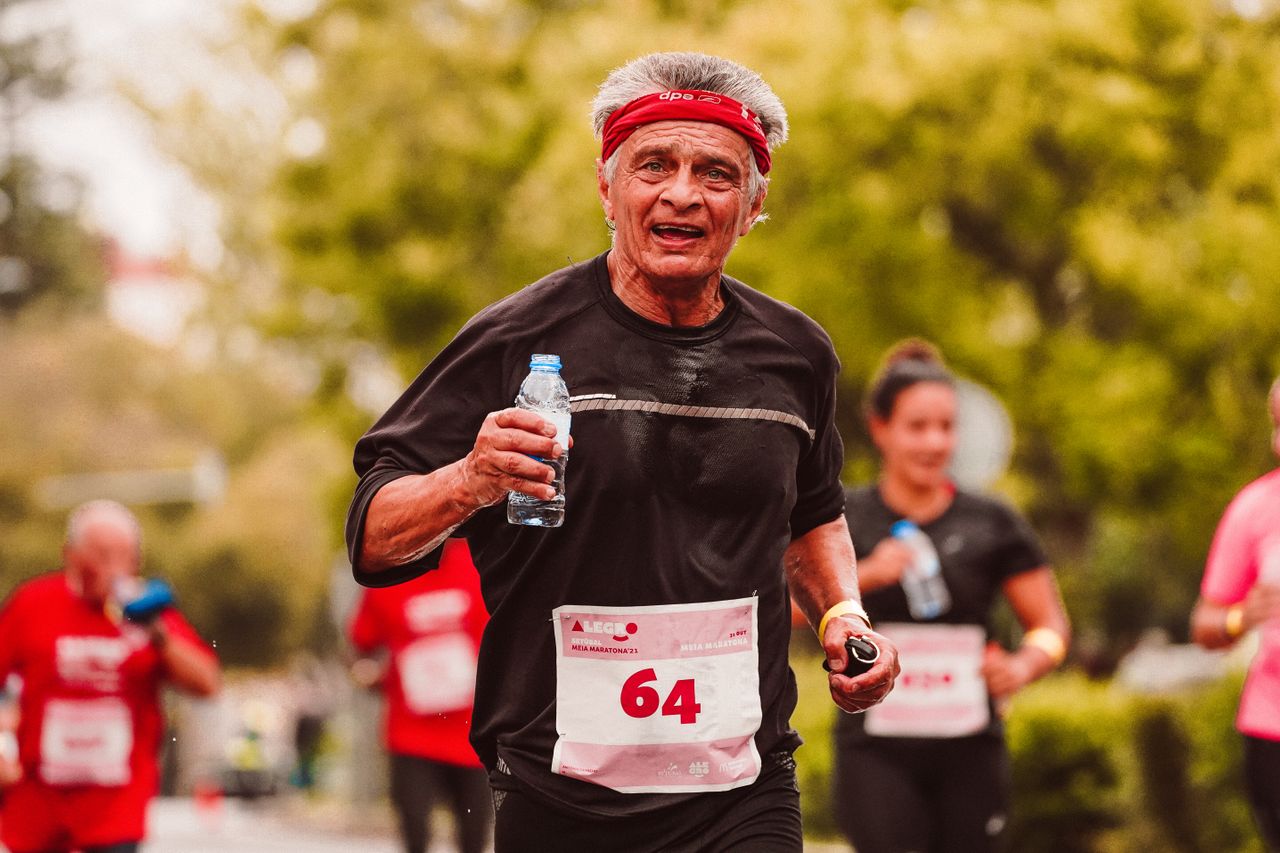
The 8 Pillars of Healthy Ageing: What the Research Actually Says
What does it really take to age well?
Is it eating the right foods? Exercising every day? Getting eight hours of sleep? Or perhaps having good genes?
Walk through a pharmacy or scroll through social media and you’ll find countless products promising to help you live longer, feel younger or slow down ageing.
But the research tells a more interesting story.
Healthy ageing isn’t about finding one miracle supplement, following a perfect diet or avoiding every illness. It’s about maintaining your health, independence, relationships and quality of life as you get older.
And there are practical things you can do to support that.
Researchers have identified several areas of life that influence how we age, from physical activity and nutrition to social relationships and preventive healthcare.
We’ve brought these together into eight pillars of healthy ageing.
They’re not a medical formula or an official ranking. Instead, they’re a practical framework for understanding the habits and circumstances that can make a difference.
Best of all, you don’t need to tackle everything at once.
Whether you’re 60, 75 or 90, there’s value in focusing on what you can do today.
What Does Healthy Ageing Actually Mean?
When people talk about ageing well, they often focus on living as long as possible.
But there’s an important difference between living longer and living well.
The World Health Organization describes healthy ageing in terms of maintaining the abilities that allow people to enjoy wellbeing in later life.
That might mean:
- Being able to move around comfortably.
- Maintaining meaningful relationships.
- Continuing to learn and make decisions.
- Participating in your community.
- Managing health conditions effectively.
- Doing activities that bring you enjoyment.
- Maintaining as much independence as possible.
Importantly, healthy ageing doesn’t mean being completely free of illness.
Someone living with arthritis, diabetes or another long-term condition can still enjoy an active, fulfilling life.
It’s also worth remembering that genetics, income, healthcare access, housing and other circumstances influence health.
Not everything is within our control.
But many everyday habits can support our wellbeing, and that’s where these eight pillars come in.
The 8 Pillars of Healthy Ageing at a Glance
| Pillar | Why it matters | One simple starting point |
|---|---|---|
| 1. Exercise and movement | Supports strength, mobility, heart health and independence | Take a short walk |
| 2. Nutrition and protein | Helps maintain muscle, bones and general health | Include protein with meals |
| 3. Sleep | Supports recovery, mood and everyday functioning | Keep a consistent wake-up time |
| 4. Social connection | Supports emotional wellbeing and relationships | Arrange a catch-up |
| 5. Mental stimulation | Encourages learning and cognitive engagement | Learn something unfamiliar |
| 6. Stress management | Helps manage emotional and physical strain | Make time for a relaxing activity |
| 7. Preventive healthcare | Helps identify and manage health risks | Review your health checks |
| 8. Purpose and meaning | Supports motivation, identity and life satisfaction | Choose something meaningful to work towards |
Let’s look at what the research suggests about each pillar and how to put it into practice.
Pillar 1: Exercise and Movement
If there’s one habit that deserves a prominent place in a healthy ageing plan, it’s regular physical activity.
Exercise supports many of the abilities we rely on to remain independent.
It can help maintain muscle strength, improve cardiovascular fitness, support bone health, reduce the risk of falls and contribute to better mental wellbeing.
And the benefits aren’t limited to people who’ve exercised throughout their lives.
You can begin becoming more active later in life and still experience meaningful improvements.
The Three Types of Exercise Worth Including
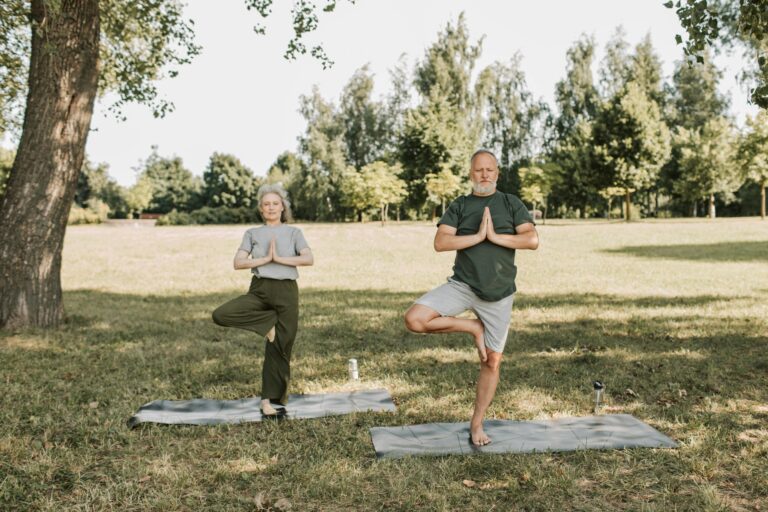
A well-rounded routine should include aerobic activity, strength training and balance exercises.
1. Aerobic Exercise
Aerobic exercise helps support your heart and lungs.
Examples include:
- Walking.
- Swimming.
- Cycling.
- Dancing.
- Water aerobics.
- Active gardening.
Australian movement guidelines for adults aged 65 and over recommend at least 30 minutes of moderate-to-vigorous physical activity on most days, alongside other types of movement.
If you’re currently inactive, start with what you can safely manage and build gradually.
Walking is an accessible option for many people.
Read our guide to the benefits of walking after 60 for a simple beginner’s plan.
2. Strength Training
Muscle strength becomes increasingly important as we get older.
It helps with everyday activities such as:
- Getting out of a chair.
- Carrying groceries.
- Climbing stairs.
- Gardening.
- Lifting household items.
- Maintaining mobility.
Australian guidelines recommend muscle-strengthening activities on at least two days per week.
You don’t necessarily need a gym.
Depending on your abilities, suitable exercises might include sit-to-stands, resistance bands, supported calf raises or supervised weight training.
Our guide to strength training after 60 explains how to get started.
3. Balance Training
Balance exercises help improve stability and coordination.
They can be especially valuable for reducing falls.
Examples include supported single-leg standing, heel-to-toe walking and suitable Tai Chi classes.
Australian guidelines recommend activities targeting mobility, balance and coordination on three or more days per week.
If you’re unsteady or have previously fallen, seek guidance before trying challenging exercises.
Explore our simple ways to improve balance and prevent falls.
What the Research Actually Says
Regular physical activity is associated with a lower risk of several chronic diseases and can improve physical function.
Strength and balance programs can also reduce falls in older adults.
However, exercise doesn’t eliminate every health risk, and it isn’t a replacement for necessary medical treatment.
The takeaway: Find enjoyable ways to move regularly, and include more than one type of exercise.
Pillar 2: Nutrition and Protein
Good nutrition matters throughout life.
But as we age, changes in appetite, activity, health and nutrient absorption can make eating well more challenging.
Some older adults eat smaller meals.
Others have difficulty shopping, cooking or preparing food.
And certain medications or medical conditions can affect appetite and nutritional status.
The goal isn’t to follow a complicated diet.
It’s to provide your body with the nutrients it needs.
Why Protein Matters
Protein helps maintain and repair body tissues, including muscles.
This is particularly important because muscle mass and strength can decline with age.
Good sources of protein include:
- Eggs.
- Fish.
- Chicken.
- Lean meat.
- Milk and yoghurt.
- Cheese.
- Tofu.
- Lentils.
- Beans.
Including protein across your meals can help support adequate intake.
How Much Protein Do You Need?
Protein requirements vary depending on age, body size, health, activity and medical conditions.
Some expert groups recommend higher protein intakes for healthy older adults than the standard adult dietary reference intake, particularly when maintaining muscle is a priority.
However, a target such as 1.2–1.6 grams per kilogram isn’t appropriate for everyone.
People with certain medical conditions, including some forms of kidney disease, may require individual advice.
An accredited practising dietitian can help determine what’s appropriate.
Build a Balanced Plate
Beyond protein, aim to include a variety of foods such as:
- Colourful vegetables.
- Fruit.
- Wholegrains.
- Nuts and seeds.
- Legumes.
- Fish and other suitable protein sources.
- Healthy unsaturated fats.
There’s no single food that guarantees a longer life.
But overall dietary patterns can influence cardiovascular and metabolic health.
For practical food ideas, read our top 10 foods for healthy ageing after 60.
What About Vitamins and Supplements?
Some people benefit from supplements when they have a deficiency or particular medical need.
But taking extra vitamins isn’t automatically beneficial.
Our Australian guide to vitamins and supplements for over 60s explains which nutrients deserve attention and why unnecessary supplementation can sometimes be harmful.
Don’t Forget Hydration
Adequate fluid intake is also important.
Some older adults experience a reduced sensation of thirst, while certain medications and health conditions affect fluid requirements.
Drink regularly according to your needs and follow medical advice if you’ve been given a fluid restriction.
The takeaway: Focus on nutritious meals, sufficient protein and adequate hydration rather than expensive products or restrictive diets.
Pillar 3: Sleep and Recovery
Sleep is often overlooked when people think about healthy ageing.
But it plays an important role in memory, concentration, emotional wellbeing and physical recovery.
You may have noticed that your sleep has changed as you’ve grown older.
Perhaps you wake earlier, sleep more lightly or find yourself awake during the night.
These experiences are common, but ongoing sleep problems shouldn’t simply be dismissed as ageing.
How Much Sleep Do Older Adults Need?
Sleep requirements vary between individuals.
Australia’s 2026 movement guidelines recommend approximately seven to eight hours of good-quality sleep for older adults, with consistent bed and wake-up times.
The amount you need may differ.
How refreshed and functional you feel during the day also matters.
Five Habits Worth Trying
- Wake up at a similar time each morning.
- Spend time outdoors during daylight hours.
- Limit caffeine later in the day if it affects your sleep.
- Create a comfortable, quiet sleeping environment.
- Establish a relaxing routine before bedtime.
Regular physical activity may also support better sleep.
When Poor Sleep Needs Attention
If you’re regularly exhausted, struggle to sleep or wake gasping for air, speak with your GP.
Conditions such as insomnia and sleep apnoea may require assessment and treatment.
For more practical advice, explore our 12 simple tips for sleeping better after 60.
You can also read why sleep changes after 60 to understand some of the changes that occur with age.
The takeaway: Treat sleep as an important part of your health, and seek help if ongoing problems affect your daily life.
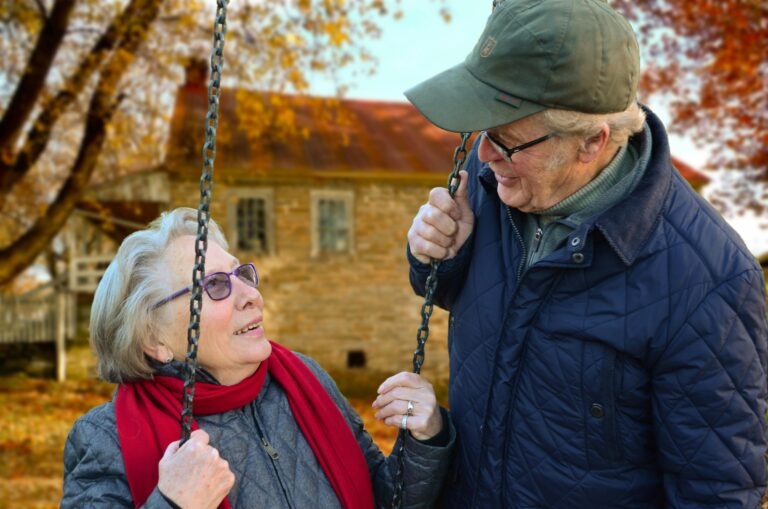
Pillar 4: Social Connection
Retirement can bring more freedom.
But it can also change your social life in ways you didn’t expect.
Work often provides daily conversations, shared routines and a sense of belonging.
When that disappears, some people find themselves spending more time alone.
And although solitude can be enjoyable, unwanted loneliness can affect wellbeing.
Why Relationships Matter
Research has found associations between social isolation, loneliness and poorer physical and mental health outcomes.
Strong social relationships can provide:
- Emotional support.
- Practical assistance.
- Companionship.
- A sense of belonging.
- Opportunities for enjoyable activities.
However, there’s no exact formula for how many friends you need.
Some people enjoy a large social circle.
Others prefer a handful of close relationships.
The quality of your connections matters more than simply counting how many people you know.
Practical Ways to Stay Connected
Consider:
- Organising a regular coffee with a friend.
- Joining a local walking group.
- Attending a community class.
- Volunteering.
- Joining a gardening or hobby club.
- Calling family members.
- Participating in community events.
What if Your Family Lives Far Away?
Technology can help bridge the distance.
Video calls allow you to see and speak with family members even when they live interstate or overseas.
Our guide to video calling your grandchildren provides beginner-friendly instructions.
And if you’re finding retirement lonelier than expected, read our guide to dealing with loneliness in retirement.
The takeaway: Make room for relationships that leave you feeling connected, supported and valued.
Pillar 5: Mental Stimulation and Lifelong Learning
Your brain doesn’t stop learning when you retire.
In fact, retirement can provide opportunities to explore interests that were difficult to pursue while working.
Learning a new skill, practising a hobby or challenging yourself mentally can be rewarding at any age.
Why Mental Activity Matters
Research suggests that participation in cognitively stimulating activities is associated with aspects of better cognitive functioning in later life.
However, it’s important to distinguish an association from proof that a particular activity prevents dementia.
There isn’t convincing evidence that one puzzle, app or brain-training game can guarantee protection against cognitive decline.
What Counts as Mental Stimulation?
Plenty of everyday activities can challenge your thinking.
You might:
- Learn a language.
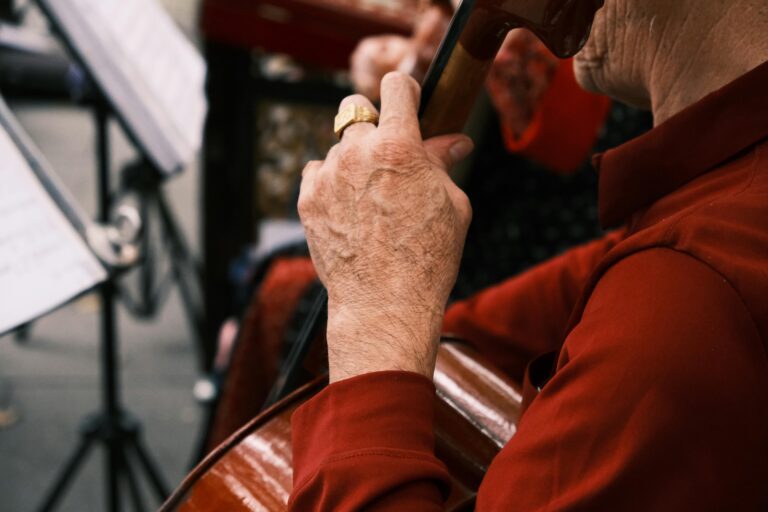
- Try a musical instrument.
- Take a photography class.
- Learn to use new technology.
- Join a book club.
- Play strategy games.
- Take up painting or woodworking.
- Research your family history.
- Learn new gardening techniques.
Try Something Slightly Outside Your Comfort Zone
You don’t need to master a difficult subject.
The process of learning can be enjoyable in itself.
Perhaps you’ve always wanted to learn how to use a smartphone more confidently.
Our step-by-step smartphone setup guide can be a starting point.
Or perhaps you’d like to record your experiences for future generations.
Our guide to writing your life story for your grandchildren offers a meaningful project that combines memory, creativity and family connection.
The takeaway: Stay curious, keep learning and choose activities that genuinely interest you.
Pillar 6: Stress Management and Emotional Wellbeing
Stress doesn’t disappear when you retire.
It simply changes.
You might no longer have work deadlines, but other concerns can take their place.
These may include:
- Health worries.
- Financial uncertainty.
- Family responsibilities.
- Caring for a partner.
- Relationship changes.
- Grief and loss.
- Adjusting to retirement.
Some stress is a normal part of life.
But persistent stress can affect sleep, mood, concentration and physical wellbeing.
What Can Help?
There isn’t one stress-management technique that works for everyone.
However, several approaches may be useful.
Regular Physical Activity
A walk, swim or other enjoyable activity can help reduce tension and support mental wellbeing.
Relaxation Techniques
Some people benefit from mindfulness, gentle breathing exercises or guided relaxation.
You don’t need to meditate for a particular number of minutes to benefit.
Spending Time Outdoors
Gardening, walking through a park or simply sitting outside can provide a welcome change of environment.
If gardening is something you enjoy, our guide to gardening with arthritis offers ways to adapt the activity to your abilities.
Talking With Someone
Sometimes discussing a concern with a trusted person can make it feel more manageable.
If stress, anxiety or low mood is affecting your daily life, speak with your GP or a qualified mental health professional.
Seeking support is a practical health decision.
The takeaway: Make time for activities that help you feel calmer, and don’t hesitate to ask for support when you need it.
Pillar 7: Preventive Healthcare
Healthy ageing isn’t only about what you do at home.
Access to appropriate healthcare also plays an important role.
Preventive healthcare can help identify health risks, manage chronic conditions and support everyday functioning.
However, not everyone needs the same tests at the same intervals.
Recommendations depend on factors such as:
- Age.
- Medical history.
- Family history.
- Previous screening results.
- Medications.
- Individual risk factors.
Important Health Checks to Discuss
| Health area | What to consider |
|---|---|
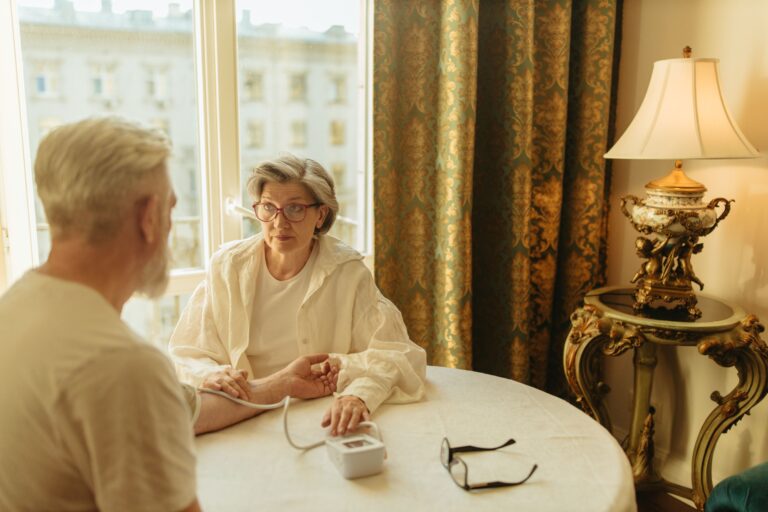
| Blood pressure | Monitoring based on individual risk and GP advice |
| Cholesterol and diabetes | Assessment and testing when appropriate |
| Bowel cancer | Participation in the national screening program if eligible |
| Breast and cervical cancer | Screening according to eligibility and individual circumstances |
| Bone health | Osteoporosis and fracture-risk assessment |
| Vision | Eye examinations based on age, symptoms and risk |
| Hearing | Assessment if you notice changes |
| Dental health | Regular dental care suited to your needs |
| Medications | Periodic review, especially when taking multiple medicines |
| Vaccinations | Staying up to date with recommended immunisations |
Cancer Screening in Australia
Australia has several national cancer screening programs.
For example:
- Bowel cancer: Eligible people aged 45–74 can access a free home screening test every two years. People aged 45–49 generally need to request their first kit.
- Breast cancer: BreastScreen Australia targets women aged 50–74, with free screening also available to women aged 40–49 and 75 or older.
- Cervical cancer: Eligible people with a cervix aged 25–74 are generally recommended to have cervical screening every five years.
Other programs and eligibility requirements may apply, including lung cancer screening for people at sufficiently high risk.
Screening recommendations can change, so confirm your eligibility through official Australian services or your GP.
What About Bone Health?
Osteoporosis can increase the risk of fractures.
Your GP may recommend a fracture-risk assessment or bone density scan depending on your circumstances.
Regular strength and balance exercises also support physical function and falls prevention.
Review Your Medications
If you take several medicines, ask your GP or pharmacist whether a medication review would be useful.
Some medicines can contribute to dizziness, falls or other unwanted effects.
Never change prescribed medicines without professional advice.
Don’t Ignore New Symptoms
Preventive screening is designed for people who don’t have symptoms.
If you notice something unusual, such as unexplained bleeding, persistent pain or a new lump, seek medical assessment rather than waiting for your next routine screening appointment.
The takeaway: Work with your healthcare professionals to develop a preventive health plan suited to your circumstances.
Pillar 8: Purpose and Meaning
For many people, work provides more than an income.
It offers structure, responsibilities, relationships and a sense of achievement.
When retirement begins, some of those things can disappear almost overnight.
You might enjoy the freedom but still find yourself wondering:
“What am I going to do with all this time?”
That’s where having a sense of purpose can help.
What Does Purpose Actually Mean?
Purpose doesn’t have to involve a grand ambition.
It might be:
- Helping care for grandchildren.
- Volunteering.
- Learning a new skill.
- Supporting a community organisation.
- Growing a garden.
- Travelling.
- Mentoring younger people.
- Creating something.
- Caring for a pet.
- Working towards a personal goal.
The important thing is that the activity feels meaningful to you.
What Does the Research Say?
Studies have found associations between a stronger sense of purpose and better psychological wellbeing, and in some research, better health outcomes.
However, these findings don’t prove that purpose alone extends life.
Health, social support and personal circumstances can all influence both wellbeing and a sense of purpose.
Finding Purpose After Retirement
If you’re unsure where to begin, consider three questions:
- What activities make me lose track of time?
- Who or what would I like to contribute to?
- What have I always wanted to try but never had the opportunity?
You might discover that your next meaningful project is something surprisingly simple.
Purpose Can Change
What feels meaningful at 60 may be different from what matters at 80.
That’s perfectly normal.
Healthy ageing isn’t about holding onto the same goals forever.
It’s about adapting and finding satisfaction in each stage of life.
The takeaway: Make room for activities, relationships and goals that give your days meaning.
How the Eight Pillars Work Together
One of the most interesting things about healthy ageing is that these areas aren’t separate.
They often reinforce one another.
Consider a simple morning walking group.
By joining, you might:
- Improve your physical activity.
- Spend time outdoors.
- Meet new people.
- Establish a regular routine.
- Improve your mood.
- Feel more connected to your community.
One activity can support several pillars at once.
The same applies to gardening, dancing, volunteering or learning a new skill.
You don’t need eight separate projects to support all eight pillars.
Often, the most useful habits contribute to more than one area of wellbeing.
Your Seven-Day Healthy Ageing Challenge
If you’re wondering where to start, try focusing on one small action each day.
| Day | Pillar | Your challenge |
|---|---|---|
| Monday | Movement | Take a comfortable walk or do suitable exercises |
| Tuesday | Nutrition | Add a nutritious protein source to a meal |
| Wednesday | Sleep | Choose a consistent wake-up time |
| Thursday | Connection | Call or meet someone you care about |
| Friday | Mental stimulation | Spend 20 minutes learning something new |
| Saturday | Stress management | Make time for a relaxing activity |
| Sunday | Purpose and preventive health | Choose a meaningful goal and check whether any health appointments are due |
You can swap the days around.
And if one activity isn’t appropriate for your health or circumstances, choose another.
The goal is to experiment with small, manageable changes.
Which Pillar Should You Focus on First?
Not sure where to begin?
Ask yourself which part of your life would benefit most from a little extra attention.
| If you’re noticing… | Consider starting with… |
|---|---|
| Reduced strength or stamina | Exercise and movement |
| Poor appetite or limited food variety | Nutrition |
| Regular tiredness or disrupted sleep | Sleep |
| Feeling isolated | Social connection |
| Boredom or lack of challenge | Mental stimulation |
| Ongoing worry or tension | Stress management |
| Overdue health checks or medication concerns | Preventive healthcare |
| Feeling directionless in retirement | Purpose and meaning |
This isn’t a diagnostic tool.
If you’re experiencing persistent symptoms or significant health concerns, professional assessment is important.
But it can help you identify one manageable area for improvement.
Frequently Asked Questions About Healthy Ageing
What Are the Eight Pillars of Healthy Ageing?
The eight pillars in this guide are exercise, nutrition, sleep, social connection, mental stimulation, stress management, preventive healthcare, and purpose.
They’re a practical framework based on important areas of healthy ageing research, rather than an official medical classification.
What Is the Most Important Habit for Healthy Ageing?
There’s no single habit that guarantees healthy ageing.
Regular physical activity, nutritious food, adequate sleep, social connection and appropriate healthcare all play important roles.
The best starting point depends on your circumstances.
Can You Improve Your Health After 70?
Yes.
Many older adults can improve strength, mobility, fitness and other aspects of wellbeing through suitable lifestyle changes and healthcare.
Improvements vary depending on individual health and ability.
Is Walking Enough Exercise After 60?
Walking is an excellent form of aerobic activity, but strength and balance exercises are also important.
How Much Protein Do Older Adults Need?
Requirements vary depending on health, body size and activity.
Some older adults may benefit from higher protein intake, but individual recommendations should account for medical conditions and nutritional needs.
Do You Need Supplements to Age Well?
Not necessarily.
Supplements may be useful when someone has a deficiency or particular medical need, but they aren’t a substitute for a nutritious diet.
Does Staying Mentally Active Prevent Dementia?
Mentally stimulating activities may support cognitive wellbeing, but no single activity guarantees dementia prevention.
Can Loneliness Affect Physical Health?
Research has linked loneliness and social isolation with poorer physical and mental health outcomes.
Maintaining meaningful relationships is an important part of wellbeing.
How Often Should Older Australians Have Health Checks?
There isn’t one universal schedule.
The frequency of health checks depends on age, medical history, risk factors and screening eligibility.
Your GP can help you plan appropriate care.
Is It Too Late to Start Healthy Habits at 80?
No.
People can often benefit from appropriate changes at any age.
The important thing is to adapt activities and goals to individual circumstances.
Final Thoughts: Healthy Ageing Is About Living Well
There’s no perfect formula for ageing well.
You can eat nutritious food, exercise regularly and follow every recommendation, yet still face health challenges.
That’s part of life.
But healthy habits, supportive relationships and appropriate healthcare can improve the way you experience your later years.
And perhaps the most encouraging lesson from healthy ageing research is that progress doesn’t have to be dramatic.
A short walk.
A nutritious meal.
A phone call to a friend.
A better night’s sleep.
A new hobby.
A health appointment you’ve been putting off.
Each can be a worthwhile step.
You don’t need to master all eight pillars. Start with one, make it part of your routine and build from there.
Because the goal isn’t simply to add more years to your life.
It’s to make the years ahead as healthy, connected and fulfilling as possible.
And that’s what The Good Years Club is all about.
Sources and Further Reading
- World Health Organization — Healthy Ageing and Functional Ability
- Australian Government — Physical Activity Recommendations for Older Adults
- Healthdirect Australia — Physical Activity Guidelines for Older People
- Cancer Australia — National Screening Programs
- Healthdirect Australia
Disclaimer: This article provides general health information and isn’t a substitute for personalised medical advice. Speak with an appropriate healthcare professional before making significant changes to exercise, diet or medication, particularly if you have existing medical conditions.