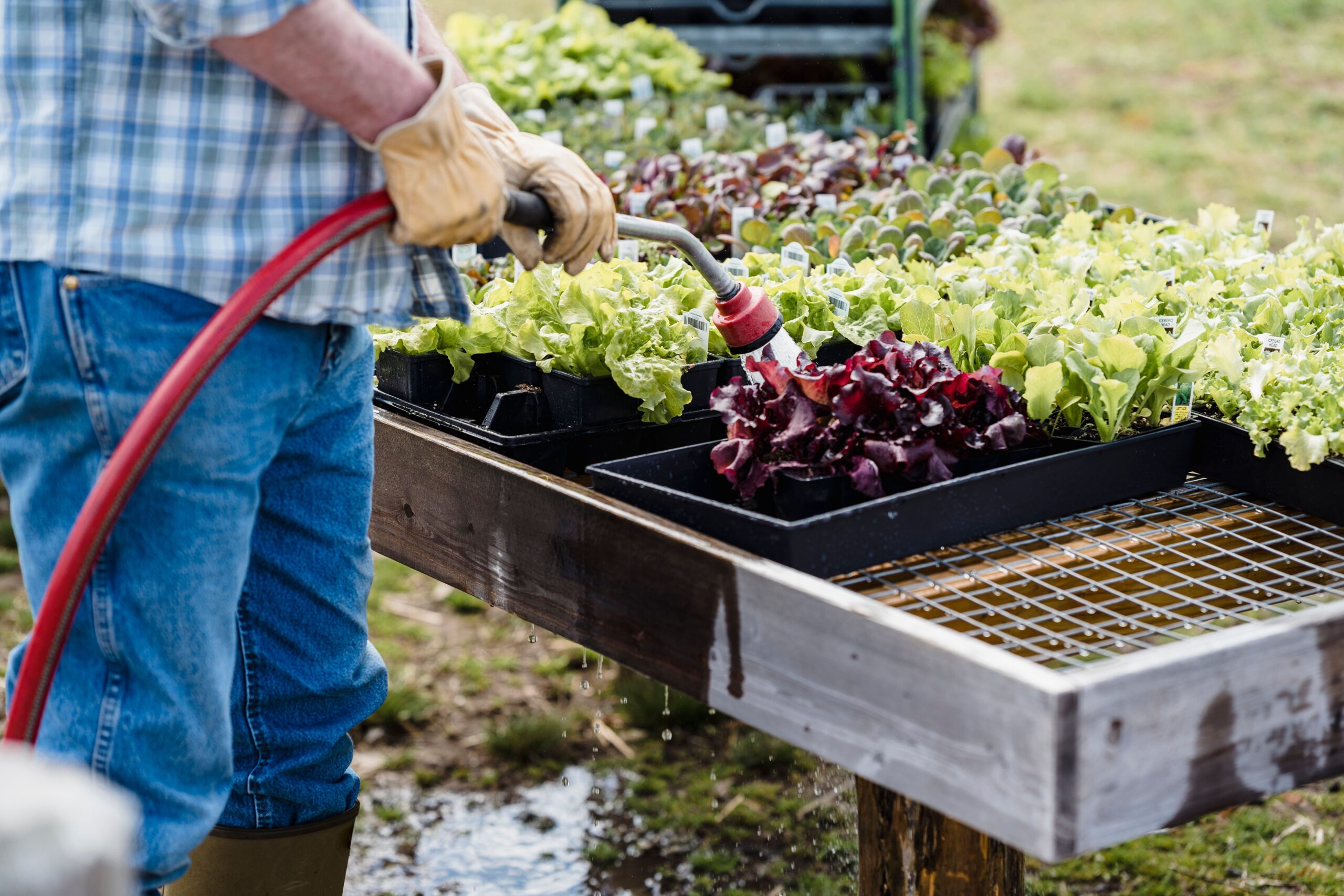
How to Start a Vegetable Garden in Retirement
Growing your own vegetables can be one of the most enjoyable projects to take on in retirement.
You do not need a huge backyard, expensive equipment or years of gardening experience.
A sunny corner, a raised garden bed or even a few large pots can be enough to start growing herbs, lettuce, tomatoes and other vegetables at home.
The biggest mistake beginners make is trying to do too much too quickly.
Start small.
Learn what grows well in your garden.
Then expand from there.
This guide will take you through the basics of starting a vegetable garden in Australia, from choosing where to grow to picking your first vegetables.
Why Start a Vegetable Garden in Retirement?
Vegetable gardening gives you something productive to work on while spending time outdoors.
There is also something particularly satisfying about walking outside, picking something you have grown yourself and using it for dinner that night.
Gardening can involve regular movement, lifting, reaching and other physical activity. It can also provide a hobby that encourages you to spend time outside and gives you something to look after throughout the year.
But you do not need to turn your backyard into a miniature farm.
For many people, one productive raised bed or a handful of pots is plenty.
Start Smaller Than You Think
This is probably the most useful advice in this entire guide.
Do not build six vegetable beds because you suddenly have more time in retirement.
Start with:
One raised garden bed
or
Three to five large containers
or
One small section of an existing garden.
A smaller garden is easier to water, weed and maintain while you learn.
If you enjoy it, you can always expand later.
Step 1: Find the Right Location
Before buying anything, spend a few days looking at your outdoor space.
Vegetables generally need plenty of light, but the ideal conditions vary between plants and climates.
Look for an area that receives good sunlight and is reasonably close to a water source.
Also think about accessibility.
If reaching the garden requires walking down a steep path or carrying watering cans across the entire backyard, maintaining it may eventually become annoying.
Ideally, your vegetable garden should be somewhere you naturally pass regularly.
That makes it easier to notice when something needs watering, harvesting or attention.
Step 2: Choose How You Want to Grow
You have three simple options.
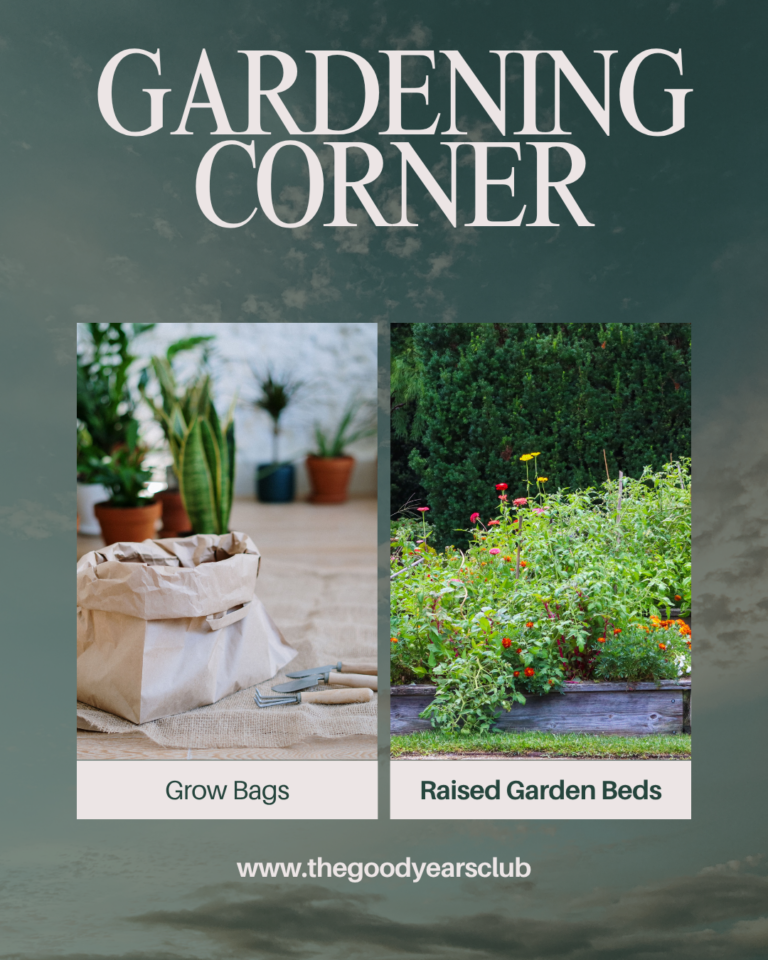
Raised Garden Beds
Raised beds can be an excellent choice if you prefer working at a higher level.
They also allow you to control the growing mix rather than relying entirely on the existing soil in your backyard.
When choosing one, consider:
The height
The width
How easily you can reach the middle
Drainage
The amount of soil required to fill it
The available space around it
Do not assume every raised garden bed is automatically comfortable to use.
Measure the height and make sure you can comfortably reach the growing area before buying.
Containers and Pots
You can grow a surprising amount of food without having a traditional vegetable garden.
Large containers can work particularly well for:
Cherry tomatoes
Herbs
Lettuce
Chillies
Beans
Strawberries
Other compact vegetables
Containers also give you flexibility because they can be positioned around patios, courtyards and other smaller spaces.
Use an appropriate quality potting mix rather than simply filling containers with soil dug from the backyard.
Growing Directly in the Ground
If you already have suitable garden beds, growing directly in the ground can be the simplest option.
The condition of your existing soil will determine how much preparation is required.
Adding organic matter such as compost may improve many soils, but Australian soils vary enormously.
If you are unsure what you are working with, your local nursery can help you determine what preparation is appropriate.
Step 3: Choose Easy Vegetables First
Your first vegetable garden does not need to contain everything you eat.
Start with a handful of plants that you will actually use.
Cherry Tomatoes
Cherry tomatoes are popular with home gardeners because a relatively small number of plants can produce plenty of fruit when conditions are suitable.
They need adequate sunlight, water and support as they grow.
Lettuce and Salad Greens
Leafy greens can be useful for smaller gardens and containers.
Some varieties allow you to harvest outer leaves while leaving the rest of the plant growing.
Herbs
Herbs are one of the easiest ways to begin growing food at home.
Consider:
Basil
Parsley
Chives
Rosemary
Mint
Choose herbs you already use in your cooking rather than planting something simply because it is easy to grow.
Mint is often better kept in a container because it can spread aggressively.
Beans
Beans can be productive in relatively small spaces.
Climbing varieties need something to grow up, while dwarf varieties can be easier to accommodate in smaller gardens.
Radishes
Radishes grow relatively quickly and do not require much space.
That makes them useful if you want something you can harvest relatively soon after starting your garden.
Zucchini
Zucchini can be productive, but the plants take up more room than many beginners expect.
One or two plants may be enough for a small household.
Cucumbers
Cucumbers can be grown vertically using an appropriate support, which can help save space.
Different varieties have different requirements, so check the plant label before planting.
Step 4: Plant for Your Climate
Australia does not have one vegetable growing season.
What works in Brisbane can be very different from what works in Hobart.
Rather than following a generic Australian planting calendar blindly, check recommendations for your particular region.
Broadly, warmer weather crops can include:
Tomatoes
Cucumbers
Zucchini
Beans
Capsicum
Eggplant
Pumpkin
Basil
Cooler season crops can include:
Lettuce
Peas
Broccoli
Cauliflower
Carrots
Beetroot
Spinach
Silverbeet
Parsley
Exact planting times vary according to location.
One of the easiest approaches for a beginner is simply visiting a reputable local nursery and asking what is appropriate to plant in your area right now.
Step 5: Get the Soil Right
Healthy vegetables start with an appropriate growing medium.
For containers, use a quality potting mix suitable for the plants you are growing.
For raised beds, use a suitable garden or raised bed mix.
For existing garden beds, you may need to improve the soil before planting.
Compost and other organic matter can be useful additions in many situations, but avoid assuming that every Australian soil needs exactly the same treatment.
The important things are good drainage, appropriate nutrients and soil conditions suited to the plants you want to grow.
Step 6: Make Watering Easy
Vegetables need appropriate and consistent moisture, particularly while becoming established and during periods of hot weather.
But there is no single watering schedule that works for every vegetable garden.
How often you need to water depends on:
Your climate
Temperature
Rainfall
Soil
Container size
Plant type
Stage of growth
A garden in Brisbane in January may have completely different requirements from one in Melbourne in July.
Check the soil regularly rather than automatically watering according to a rigid schedule.
And make watering convenient.
If you have a larger vegetable garden, a soaker hose or irrigation system can reduce the amount of time you spend standing with a hose.
Step 7: Do Not Overcomplicate Fertiliser
Vegetables require nutrients to grow, but beginners can easily become overwhelmed by fertiliser advice.
Start by following the instructions for the growing medium and plants you are using.
Container plants may require additional feeding because nutrients in a limited volume of potting mix can become depleted over time.
Different vegetables can also have different nutrient requirements.
Your local nursery can recommend an appropriate product if you are unsure.
More fertiliser is not automatically better.
Follow the directions on the product rather than guessing.
Step 8: Expect Some Pests
At some point, something will probably try to eat your vegetables before you do.
That is gardening.
Common problems can include:
Aphids
Caterpillars
Slugs and snails
Fruit fly
Other insects and diseases depending on your location and crops
Check your plants regularly.
Catching a problem early is generally easier than trying to rescue a badly affected plant later.
Physical barriers such as suitable insect netting can be useful for some crops.
If you use any garden treatment or pesticide, make sure it is appropriate for the particular plant and pest, and follow the label instructions carefully.
Avoid assuming that something labelled natural or organic is automatically harmless.
Make Your Vegetable Garden Easier to Maintain
A productive garden does not have to become another full time job.
A few simple choices can reduce the workload considerably.
Keep the garden relatively small.
Position it close to water.
Grow vegetables you actually eat.
Use containers or raised beds where they suit your needs.
Consider irrigation for larger beds.
Mulch where appropriate.
Do not plant more than you can reasonably maintain.
For more ideas, read our complete guide to creating a lower maintenance garden:
Useful Equipment for a Vegetable Garden
You do not need dozens of gardening gadgets.
A few practical products can make the setup easier.
As an Amazon Associate I earn from qualifying purchases.
Raised Garden Bed
A raised bed can create a dedicated growing area while allowing you to choose the soil or growing mix you use.
Check the dimensions carefully before buying, particularly the height and how far you will need to reach.
Soaker Hose or Irrigation System
An irrigation system can make watering larger garden beds more convenient, particularly during warmer weather.
Self Watering Planter
A self watering planter can be useful for herbs, vegetables and other container plants where appropriate.
Ergonomic Garden Tools
Comfortable hand tools can make routine jobs such as planting and maintaining smaller garden beds easier.
We have a separate guide covering more equipment here:
What About Native Plants?
Your garden does not need to contain only vegetables.
Native plants can be used elsewhere in the garden to add colour, structure and habitat for local wildlife.
The important thing is choosing species suited to your climate and garden conditions.
We have covered some options here:
That gives us a useful connection between your vegetable garden and the broader garden rather than treating each part separately.
Gardening More Comfortably
Vegetable gardening can involve bending, carrying, digging and spending extended periods outside.
There is no reason to make those jobs harder than necessary.
Keep frequently used tools nearby.
Move heavy materials in smaller quantities.
Use a trolley or cart where appropriate.
Choose garden heights that work for you.
Break larger jobs into smaller sessions.
Take particular care during hot weather and periods of high UV.
If something is painful or uncomfortable, change the way you are doing it rather than simply pushing through.
Your First Month
You can make your first month extremely simple.
Week 1: Choose Your Setup
Decide whether you want a raised bed, containers or a small existing garden bed.
Watch how much sunlight the location receives.
Make sure water is easily accessible.
Week 2: Set Up and Plant
Prepare your containers or garden bed.
Visit your local nursery and choose a few vegetables appropriate for the current season in your area.
You do not need 20 plants.
A few seedlings are enough.
Week 3: Establish a Routine
Check your plants regularly.
Learn how quickly the soil dries.
Watch for pests.
Make sure climbing plants have appropriate support.
You are essentially learning how your particular garden behaves.
Week 4: Keep Learning
Some fast growing crops and herbs may already provide something to harvest, while others will take considerably longer.
Do not worry if everything is not growing perfectly.
Gardening involves experimentation.
Keep what works.
Change what does not.
What If You Do Not Have a Garden?
You still have options.
A balcony or courtyard may provide enough space for containers if growing conditions are suitable.
Community gardens are another possibility.
Many community gardens provide shared growing spaces or individual plots, although availability and arrangements vary by location.
Check your local council or search for community gardens operating in your suburb or town.
Apart from providing somewhere to grow food, community gardening can also be a good way to meet other people who share the same interest.
Five Mistakes to Avoid
Starting Too Big
A huge vegetable garden sounds exciting until everything needs watering, weeding and harvesting simultaneously.
Start small.
Planting at the Wrong Time
Check local seasonal advice rather than relying on a generic calendar.
Putting the Garden in the Wrong Place
Do not build first and investigate sunlight later.
Growing Food You Do Not Eat
There is little point successfully growing 30 radishes if nobody in your household likes radishes.
Expecting Perfection
Plants die.
Insects appear.
Weather changes.
Some crops perform brilliantly while others fail for reasons you never completely understand.
That is normal.
Is Growing Vegetables Cheaper?
It can reduce what you need to buy, particularly when you successfully grow productive plants you regularly eat.
But I would not start a vegetable garden purely because you expect enormous grocery savings.
There are setup costs.
Beds, pots, soil, seedlings, fertiliser, irrigation and tools can all cost money.
The value is broader than simply calculating the supermarket price of every tomato you harvest.
You are also building a hobby, learning a skill and producing some of your own food.
If it eventually saves you money as well, even better.
Final Thoughts
Starting a vegetable garden in retirement does not require a huge backyard or decades of gardening knowledge.
Start with one manageable area.
Choose a few vegetables you genuinely enjoy eating.
Learn what grows well in your climate.
Make watering convenient.
Then expand only if you want to.
Your first crop does not need to feed the neighbourhood.
If you grow enough herbs for dinner or pick your first tomato from a plant you started yourself, the garden is already doing its job.
And once you have mastered that first small garden, there is always room for one more pot.