The Best Low Maintenance Garden Ideas for Seniors
Gardening should be something you enjoy, not something that leaves you exhausted before you have even finished.
As we get older, some traditional gardening jobs can become less appealing. Constant bending, digging, weeding, watering, carrying and pruning can turn a relaxing hobby into a surprisingly demanding one.
The answer does not have to be giving up your garden.
A few smart changes can reduce the amount of work involved while still giving you a beautiful outdoor space to enjoy.
Here are some of the best low maintenance garden ideas for seniors in Australia.
Disclosure: As an Amazon Associate I earn from qualifying purchases.
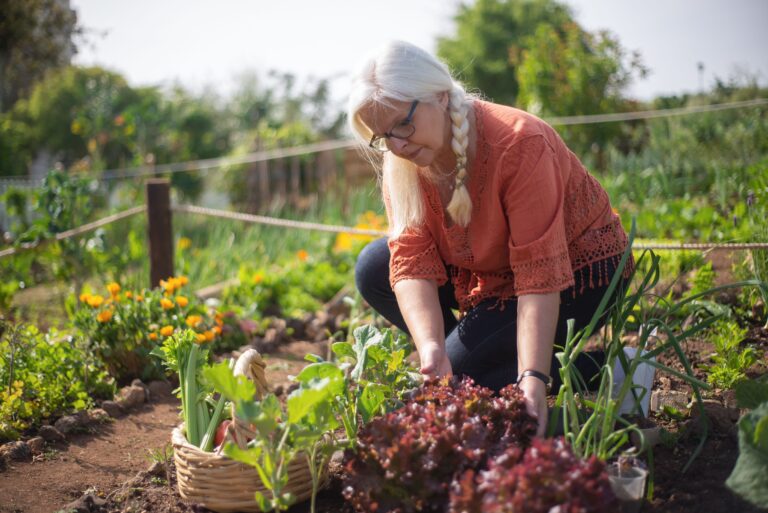
1. Use Raised Garden Beds
Raised garden beds are one of the easiest ways to make gardening more comfortable.
Instead of doing everything at ground level, an elevated bed brings your plants closer to you. Depending on the height and design, this can reduce bending while planting, watering, weeding and harvesting.
They are especially useful for vegetables, herbs and smaller flowering plants.
Raised beds also give you a defined growing area and greater control over the soil you use.
The right height matters. A bed that is only slightly raised may not improve accessibility very much, while a properly elevated bed can make a substantial difference.
Also consider width. You should be able to comfortably reach the centre without leaning or stretching awkwardly.
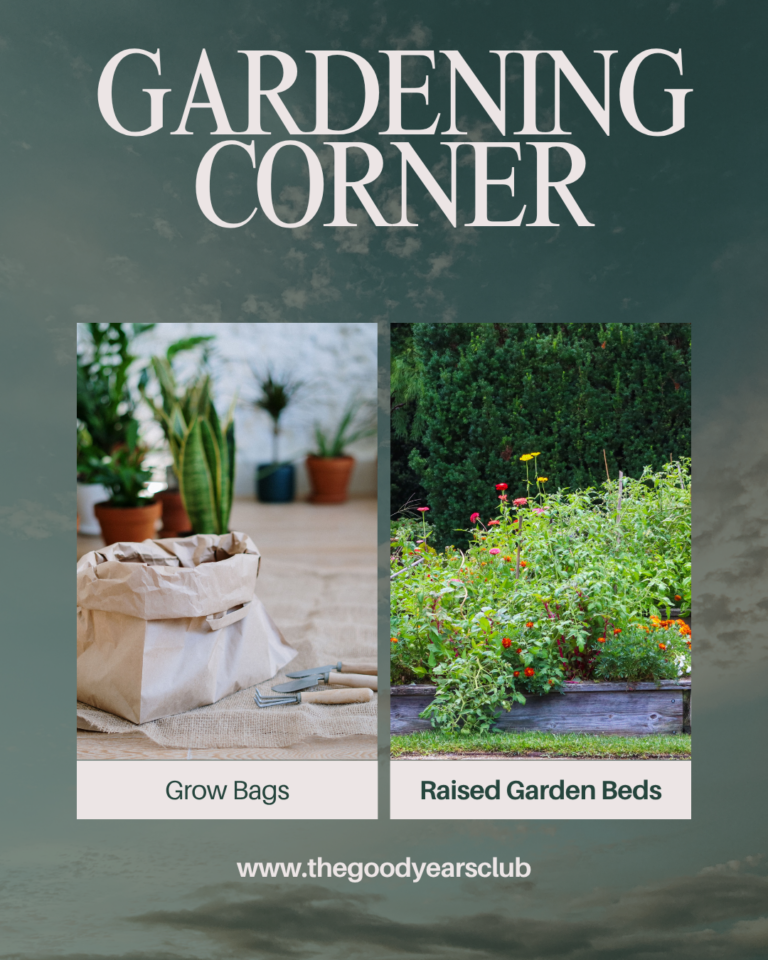
If you are deciding between a permanent bed and a cheaper portable option, read our complete guide to raised garden beds vs grow bags.
See our recommended raised garden bed on Amazon:
2. Automate Your Watering
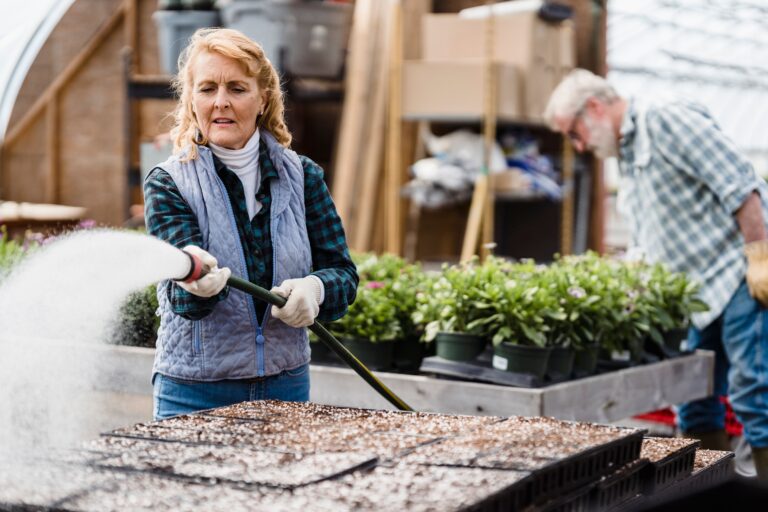
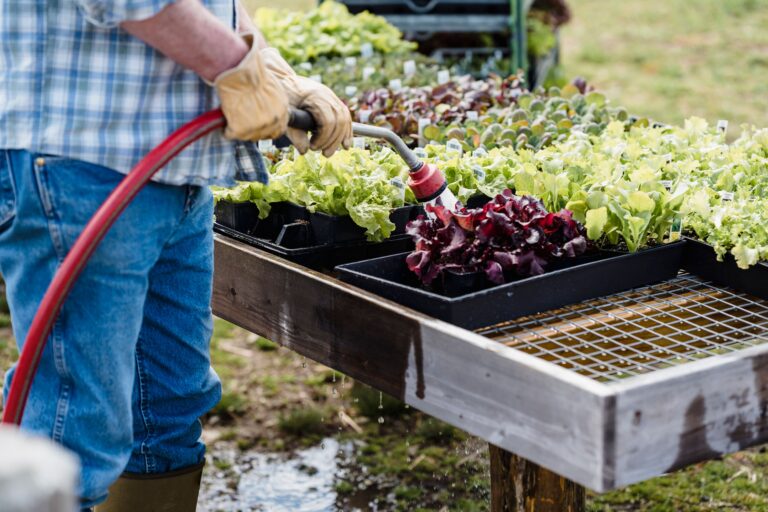
Dragging a hose around the garden several times a week can become one of the least enjoyable gardening jobs.
A simple irrigation system can remove much of that repetitive work.
Soaker hoses and drip irrigation can work well around garden beds, vegetables and established planted areas.
Adding an appropriate timer can automate much of the routine.
That does not mean you can completely ignore the garden.
Water requirements vary with your plants, climate, soil and season, so check the garden regularly rather than relying blindly on a timer.
But removing the need to manually water every plant can make maintaining a garden considerably easier.
See our recommended irrigation option on Amazon:
3. Choose Plants That Suit Your Area
One of the biggest mistakes in gardening is choosing plants simply because they look good at the nursery.
Australia has an enormous variety of climates.
A plant thriving in coastal Queensland may perform very differently in Tasmania, inland New South Wales or Western Australia.
Before buying a plant, think about:
Your climate
Sunlight
Rainfall
Soil
Available space
Mature plant size
Water requirements
Australian native plants can be excellent choices when they are suited to your particular location.
You can see some practical options in our guide to the best native plants for Australian gardens.
A good local nursery can also help you identify plants that perform well in your region.
The better suited a plant is to its environment, the less intervention it may need from you.
4. Use Mulch
Mulch is one of the simplest tools for reducing garden maintenance.
A suitable layer of mulch can help retain soil moisture, moderate soil temperature and suppress some weed growth.
That can mean less watering and less time pulling weeds.
Organic mulches such as bark and wood chips can also gradually break down.
Avoid piling mulch directly against plant stems or tree trunks.
You may also need to top it up periodically as it breaks down or moves around the garden.
5. Try Self Watering Planters
Containers are excellent for patios, courtyards, balconies and smaller gardens.
The problem is that smaller pots can dry out quickly.
Self watering planters contain a reservoir that allows water to remain available to the plant for longer.
They can be particularly useful for herbs, flowers and suitable vegetables.
They are not completely maintenance free.
You still need to refill them and monitor your plants.
But they can reduce how often you need to manually water your containers.
See our recommended self watering planter on Amazon:
6. Grow Up Instead of Out
Vertical gardening can make excellent use of limited space.
Trellises, wall systems and vertical planters allow suitable plants to grow upwards rather than spreading across the ground.
This can work particularly well for:
Herbs
Strawberries
Leafy greens
Climbing vegetables
Some ornamental plants
Vertical gardening may also bring some plants closer to a comfortable working height.
Just make sure you can still reach everything once it grows.
There is little point creating a beautiful vertical garden if the plants at the top become impossible to maintain.
See our recommended vertical garden planter on Amazon:
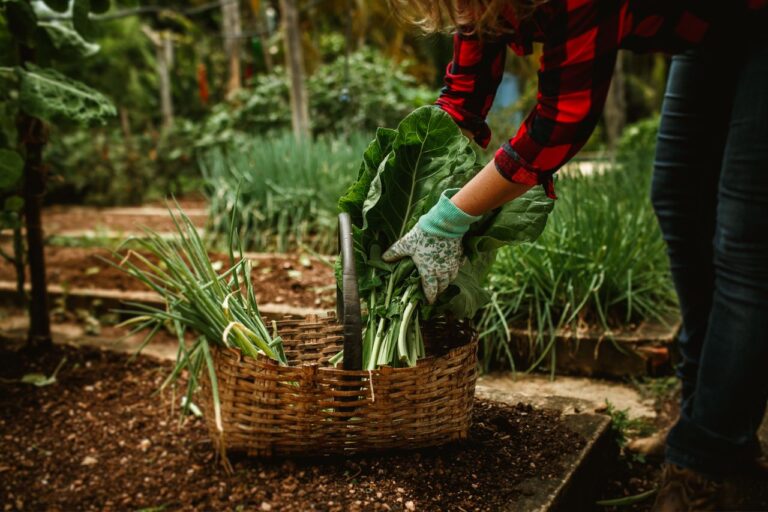
7. Make Vegetable Gardening Manageable
A vegetable garden does not need to resemble a small farm.
In retirement, a smaller productive garden can often be more enjoyable than a huge vegetable patch requiring constant attention.
Start with foods you actually eat.
A few herbs, leafy greens and one or two productive vegetable plants may be plenty.
If you are new to growing food, our beginner guide to starting a vegetable garden in retirement will help you build one without creating unnecessary work.
You can always expand later.
8. Reduce the Amount of Lawn
Lawns can look fantastic.
They can also create a surprising amount of work.
Mowing.
Edging.
Watering.
Fertilising.
Weeding.
You do not necessarily need to remove your entire lawn.
Instead, look at the areas you actually use.
An unused section might work better as a mulched garden bed, planted area, seating space or pathway.
The goal is not to eliminate grass.
It is to stop maintaining lawn simply because lawn has always been there.
9. Make the Garden Easy to Move Around
Low maintenance is not just about plants.
Garden layout matters too.
Clear paths can reduce the need to step over garden beds or squeeze between plants.
Think about where you store:
Tools
Hoses
Bins
Potting mix
Fertiliser
Watering equipment
Frequently used items should be reasonably close to where you use them.
A garden becomes much more frustrating when every small job requires several trips across the property.
10. Make Gardening Easier on Your Joints
If arthritis, stiffness or reduced mobility is making gardening uncomfortable, changing the garden itself can be more useful than simply trying to push through.
Raised beds can reduce work at ground level.
Irrigation can remove some repetitive watering.
Appropriate tools can reduce unnecessary gripping and bending.
Smaller garden areas can reduce the amount of work you need to complete.
If this is becoming an issue for you, read our complete guide to gardening with arthritis.
The garden should adapt to you.
Not the other way around.
11. Use Tools That Make Jobs Easier
You do not need to replace every tool in your shed.
But if a particular tool has become uncomfortable, difficult to grip or unnecessarily heavy, another design may be worth considering.
Look for equipment that suits:
Your grip
Your strength
Your height
The job you are performing
The way you prefer to garden
Lightweight tools can reduce repetitive carrying.
Longer handles may reduce bending for some tasks.
Larger comfortable handles may suit some gardeners better than narrow grips.
We have put together a separate guide to the best gardening tools for seniors if you want to see the options worth considering.
See our recommended ergonomic gardening tools on Amazon:
12. Consider a Garden Kneeler or Seat
Sometimes you still need to get close to ground level.
A garden kneeler can provide padding for low level jobs such as planting and weeding.
Some designs can also be turned over and used as a small seat.
Models with side handles give you something to hold onto when changing position.
Choose something stable and appropriate for your mobility.
If getting down to the ground is already difficult, an elevated garden may be a better long term solution than relying heavily on a kneeler.
See our recommended garden kneeler on Amazon:
13. Use a Garden Cart
Mulch, soil, pots, tools and bags of fertiliser become heavy surprisingly quickly.
Instead of repeatedly carrying them by hand, a garden cart can help move multiple items in one trip.
Before buying one, think about:
The weight of the cart
Wheel size
Handle position
Your path width
The surfaces you will move across
How heavy it becomes when loaded
A huge cart is not useful if it becomes too difficult to manoeuvre.
See our recommended garden cart on Amazon:
14. Consider Battery Pruning Shears
Regular pruning can involve a lot of repetitive squeezing.
Battery pruning shears can reduce some of that hand effort where frequent pruning is required.
They will not be necessary for every garden.
But if you have a lot of shrubs or smaller branches to maintain, they may be worth considering.
Powered cutting equipment can cause serious injuries, so always follow the manufacturers instructions and keep your hands clear of the cutting mechanism.
See our recommended battery pruning shears on Amazon:
15. Choose Perennials Where Appropriate
Annual flowers can provide fantastic colour, but they generally need replacing.
Perennial plants can remain in the garden for several years, potentially reducing how often you need to replant an area.
That does not automatically make every perennial low maintenance.
You still need to choose plants suited to your location.
The broader lesson is more important:
Choose plants that earn their place in the garden.
If something constantly needs pruning, watering, replacing or rescuing, ask whether you actually enjoy having it there.
16. Create Habitat Instead of Perfect Gardens
A low maintenance garden does not have to look empty.
In fact, a garden containing suitable shrubs, native plants, groundcovers and established vegetation can also provide useful habitat for birds and other wildlife.
You do not need to manicure every corner.
Some leaf litter, dense planting and natural garden areas can form part of a deliberately lower maintenance design.
If that appeals to you, read our guide to how to attract birds to your Australian garden.
17. Put Plants in the Right Place
A surprising amount of garden maintenance is created by putting the wrong plant in the wrong position.
A sun loving plant placed in deep shade may struggle.
A large shrub planted beside a narrow path may become a permanent pruning job.
A thirsty plant positioned somewhere difficult to water creates another unnecessary task.
Before planting, think about:
Expected mature size
Sunlight
Water requirements
Growth habit
Access
Nearby structures
Taking a few extra minutes before planting can save years of maintenance later.
18. Build a Garden You Actually Enjoy
Low maintenance gardening is not about creating the easiest garden possible.
It is about reducing the jobs you dislike so you have more time for the parts you enjoy.
Maybe you love growing vegetables.
Maybe you enjoy native birds.
Maybe you want colourful flowers.
Maybe you simply want somewhere pleasant to sit with a cup of coffee.
All of those are legitimate gardens.
Retirement does not require spending every weekend pulling weeds and mowing grass.
Where Should You Start?
Do not try to redesign the entire garden at once.
Identify the job causing you the most frustration.
If watering takes too much time, look at irrigation.
If bending is the problem, investigate raised beds.
If weeding consumes your weekends, improve mulch and simplify garden areas.
If the garden is physically uncomfortable to maintain, change your tools and layout.
If you are overwhelmed by the amount of work, make the garden smaller.
Make one improvement.
See whether it helps.
Then make another.
Our Low Maintenance Gardening Picks
| Garden item | Best for |
|---|---|
| Raised garden bed | Reducing work at ground level |
| Irrigation system | Reducing manual watering |
| Self watering planter | Container gardens |
| Vertical planter | Smaller spaces |
| Garden kneeler | Some ground level jobs |
| Ergonomic tools | More comfortable everyday gardening |
| Garden cart | Moving supplies |
| Battery pruning shears | Reducing repetitive pruning effort |
Raised garden bed
Irrigation system
Self watering planter
Vertical garden planter
Garden kneeler
Ergonomic garden tools
Garden cart
Battery pruning shears
The Bottom Line
A low maintenance garden does not need to be boring.
The goal is to remove unnecessary work while keeping the parts of gardening you actually enjoy.
Raised beds can reduce bending.
Irrigation can reduce manual watering.
Mulch can help manage weeds and moisture.
Better tools can make regular jobs more comfortable.
Choosing suitable plants can prevent unnecessary maintenance in the first place.
And a smaller, thoughtfully designed garden can often provide more enjoyment than a huge garden you struggle to keep under control.
You do not need to change everything today.
Make one improvement and build from there.
The goal is simple:
Less work and more time enjoying your garden.