The Best Vegetables to Grow in Retirement
Growing your own vegetables can be one of the most satisfying retirement hobbies.
You do not need a huge backyard.
You do not need to grow enough food to feed the neighbourhood.
And you definitely do not need to spend every morning fighting weeds.
A few well chosen vegetables in a small garden, raised bed or collection of containers can give you fresh produce without turning gardening into another job.
The key is choosing vegetables that suit your climate, available space and the amount of work you actually want to do.
Here are some of the best vegetables and edible plants to consider growing in retirement in Australia.
1. Lettuce
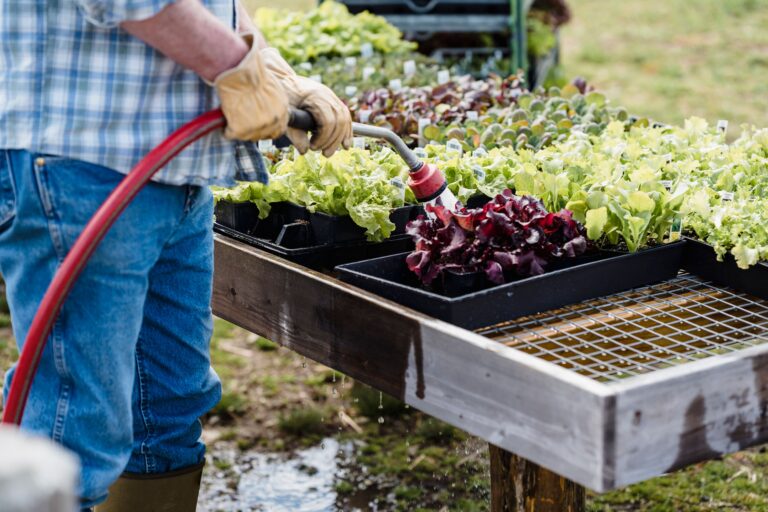
Lettuce is a great place to start because you do not necessarily need to wait for an entire head to mature.
Loose leaf varieties allow you to harvest outer leaves while leaving the rest of the plant growing.
Lettuce can work well in:
Raised beds
Containers
Small vegetable gardens
Self watering planters
The main challenge is heat.
Many lettuces prefer cooler conditions and can bolt as temperatures rise, so planting times will depend heavily on where you live.
In warmer parts of Australia, the cooler months may be considerably easier.
2. Silverbeet
Silverbeet is another useful choice if you like leafy greens.
Rather than harvesting the entire plant, you can generally pick suitable outer leaves and allow younger growth to continue developing.
That can give you repeated harvests from a relatively small growing area.
Silverbeet can be used in:
Stir fries
Pasta dishes
Soups
Frittatas
Pies
Side dishes
It can become a fairly substantial plant, so give it enough room rather than squeezing too many seedlings into a small container.
3. Radishes
If waiting months for a harvest does not appeal to you, radishes are worth considering.
They are relatively quick growing compared with many other vegetables and do not require an enormous amount of space.
That makes them useful for beginners who want to actually see some progress.
They can work in containers as long as there is adequate depth for the variety being grown.
4. Cherry Tomatoes
Tomatoes are one of the classic home garden crops.
And there is a good reason.
A productive tomato plant can provide fruit over an extended period, and freshly picked tomatoes are genuinely useful in the kitchen.
Cherry varieties can be particularly appealing for smaller gardens.
But tomatoes are not completely effortless.
They generally need:
Plenty of suitable sunlight
Consistent watering
Adequate nutrients
Enough growing space
Support for many varieties
Monitoring for pests and diseases
Do not plant ten tomato plants simply because the seedlings were cheap.
One or two productive plants may be plenty.
5. Spring Onions
Spring onions are useful for small gardens because they do not require the same space as many larger vegetables.
They can be grown in containers and harvested as needed.
They are also genuinely useful.
A handful can go into:
Salads
Egg dishes
Stir fries
Soups
Potato dishes
Rice dishes
Growing something you regularly eat is far more valuable than growing an unusual vegetable that sits untouched in the fridge.
6. Bush Beans
Beans can be extremely productive.
Bush varieties are particularly worth considering if you do not want to construct tall climbing frames.
They can work in garden beds and appropriately sized containers.
If you are happy to use a trellis, climbing beans can make excellent use of vertical space.
This is useful in a smaller garden because you are growing upwards rather than allowing everything to spread across the ground.
7. Snow Peas
Snow peas are another crop that can take advantage of vertical space.
Provide appropriate support and they can climb rather than occupying a large area of garden.
They generally prefer cooler growing conditions than the middle of an Australian summer, although exact planting times vary substantially around the country.
That brings us to an important rule for this entire article:
Check local planting times.
Australia does not have one gardening climate.
8. Carrots
Carrots can be satisfying to grow, but soil preparation matters.
They need enough depth for the variety you choose and generally perform better in loose growing media without large stones or compacted sections obstructing root development.
Containers and raised beds can actually be useful here because you have greater control over the growing medium.
If bending is uncomfortable, an elevated bed can also make harvesting easier than pulling carrots from ground level.
9. Beetroot
Beetroot gives you more than just the root.
The leaves can also be edible when appropriately prepared, giving you another useful crop from the same growing space.
Like carrots, beetroot can work well in a raised bed or sufficiently deep container.
Do not crowd the plants.
Follow the spacing recommendations for the particular variety you are growing.
10. Zucchini
Zucchini can be incredibly productive.
Sometimes too productive.
One healthy plant can potentially provide a substantial harvest, so there is rarely a need to fill an entire garden bed with them unless you really love zucchini.
The downside is space.
Zucchini plants can become large.
Give them room and position them somewhere you can easily access the developing fruit.
11. Cucumbers
Cucumbers can be useful if you have vertical growing space.
Many varieties can be trained onto appropriate supports, helping keep the fruit off the ground and making better use of a smaller garden.
Like tomatoes, cucumbers can require regular watering and attention during productive periods.
Think about how much produce you will actually use before planting several.
12. Potatoes
Potatoes are particularly interesting because you do not necessarily need a traditional garden bed.
They can be grown in suitable containers or grow bags.
That makes them an option for patios and smaller spaces.
Just remember that a large container filled with moist growing medium can become extremely heavy.
Position it before filling rather than planning to move it around later.
13. Capsicum
Capsicums can be useful for gardeners who have a sunny position and enjoy using them in cooking.
They can be grown in suitable containers as well as garden beds.
They prefer warm growing conditions, making them particularly appealing through warmer parts of the growing season in many areas.
Again, local climate matters.
14. Kale
Kale can provide repeated leaf harvests rather than one single crop.
That can make it productive for the amount of space it occupies.
It is useful in:
Soups
Stir fries
Salads
Pasta
Baked dishes
Smoothies
If you do not actually enjoy eating kale, however, do not grow it simply because gardening articles tell you to.
Your vegetable garden should reflect your kitchen.
15. Herbs
Yes, herbs are not vegetables.
But they deserve a place on this list because they are arguably some of the most practical edible plants for a small retirement garden.
Consider:
Parsley
Basil
Chives
Thyme
Rosemary
Mint
Coriander
Oregano
You can grow several herbs in a relatively small area and harvest small amounts whenever you need them.
Some herbs have very different growing habits.
Mint, for example, can spread aggressively, so growing it in its own container can make it easier to control.
What Are the Easiest Vegetables for Beginners?
If you are completely new to vegetable gardening, do not start with fifteen crops.
Pick three or four.
A simple beginner garden might include:
Lettuce
Spring onions
Silverbeet
Radishes
A cherry tomato plant
A few herbs
That is enough to learn about watering, sunlight, pests, soil and harvesting without creating an enormous workload.
Once you know what works in your garden, expand.
What Should You Grow in a Raised Garden Bed?
Raised beds can work particularly well for vegetables because you can control the growing medium and create a dedicated growing area.
Depending on the depth and size of your bed, you might grow:
Leafy greens
Radishes
Beetroot
Carrots
Beans
Tomatoes
Herbs
Spring onions
The major advantage after 60 can be accessibility.
An appropriately elevated bed may reduce how much time you spend working at ground level.
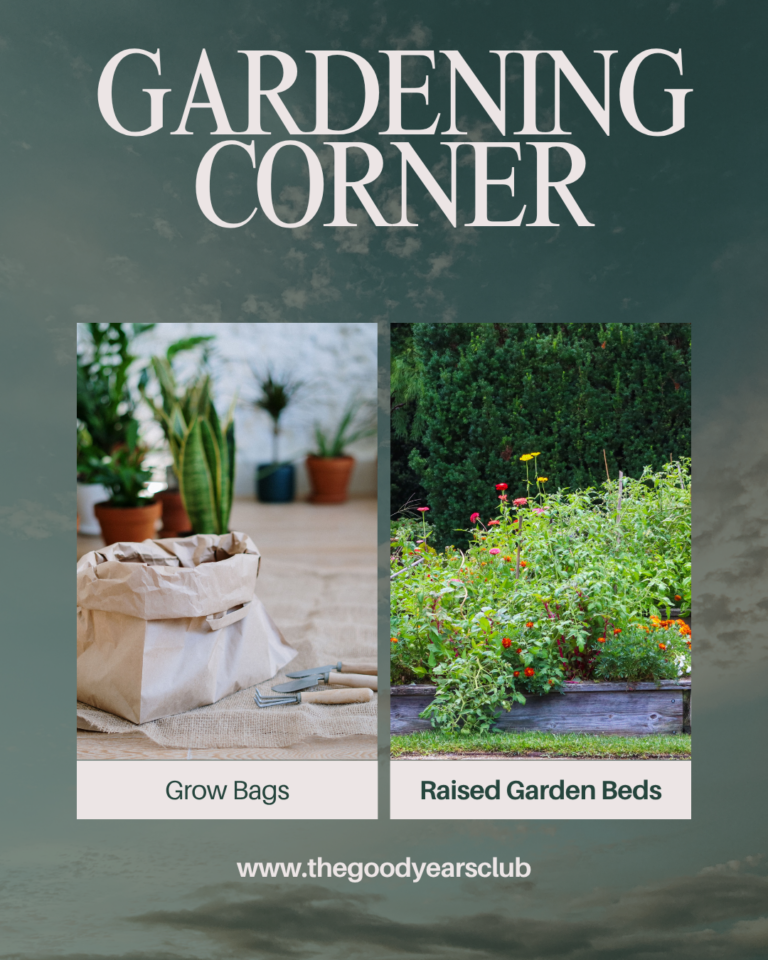
If you are deciding how to set up your growing area, read our comparison of raised garden beds and grow bags.
What Should You Grow in Grow Bags?
Grow bags are particularly useful for people who want flexibility.
Potential crops include:
Potatoes
Tomatoes
Leafy greens
Herbs
Capsicums
Some root vegetables
The bag still needs to be appropriately sized for the plant.
A tiny grow bag is not going to magically support a huge tomato plant just because the roots are technically inside it.
Container volume matters.
What If You Have Arthritis?
You can still grow vegetables, but garden design becomes especially important.
Consider:
Elevated beds
Comfortable paths
Long handled tools where appropriate
Irrigation
Smaller garden areas
Accessible containers
Reducing heavy lifting
Gardening in shorter sessions
The goal is to make the garden fit you.
Our complete guide to gardening with arthritis covers these modifications in more detail.
Use the existing Gardening With Arthritis article URL here.
Do Not Plant Too Much
This is one of the easiest mistakes to make.
You buy a tray of seedlings.
Every seed germinates.
Suddenly you are responsible for a small commercial farm.
Start smaller than you think you need.
A productive vegetable garden does not need to be large.
It needs to produce food you actually want without demanding more time and physical effort than you want to give it.
Position the Garden Close to Water
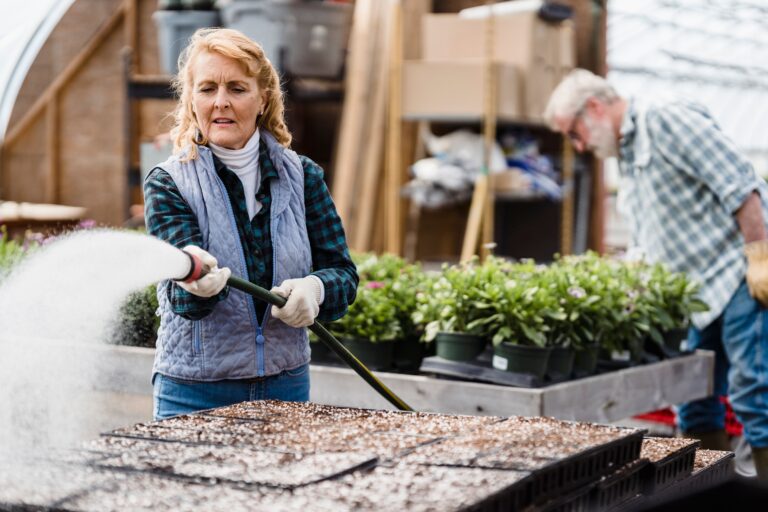
Think about watering before planting.
A vegetable garden positioned a long distance from the nearest tap can become annoying very quickly.
If watering requires repeatedly carrying heavy watering cans, you have created unnecessary work.
Where appropriate, consider a suitable irrigation system.
Our low maintenance gardening guide covers ways to reduce repetitive jobs such as watering and weeding.
Use Mulch Where Appropriate
Mulch can help reduce moisture loss and suppress some weed growth.
The appropriate material and depth depend on what you are growing and your local conditions.
Keep mulch away from direct contact with stems where necessary and watch what is happening underneath rather than simply adding more every year.
The goal is to make the garden easier, not bury it.
Watch for Pests
If you grow vegetables, eventually something else will probably decide it wants them too.
Common garden problems can include:
Aphids
Caterpillars
Slugs
Snails
Fruit fly
Various plant diseases
The exact problems depend on your crop and location.
Check plants regularly.
Finding a problem early is generally easier than trying to rescue a severely affected plant later.
Physical barriers such as appropriate insect netting can be useful for some crops.
If using pesticides or other treatments, make sure the product is suitable for the particular plant and pest and follow the label directions.
Natural does not automatically mean harmless.
Follow Local Planting Advice
This is probably the most important gardening advice in this article.
Do not follow a generic Australian planting calendar blindly.
Australia includes tropical, subtropical, arid, temperate and cool climate regions.
A planting recommendation suitable for Brisbane may be completely wrong for Hobart.
Useful local sources include state agriculture departments, local councils, botanic gardens, gardening organisations and reputable local nurseries.
Use national guides for ideas.
Use local information to decide when to plant them.
Make Your Vegetable Garden Enjoyable
You do not need to maximise yield.
You do not need perfect rows.
You do not need to grow everything from seed.
Buying seedlings is fine.
Growing vegetables in pots is fine.
Having one tomato plant is fine.
The point is to create something you enjoy maintaining.
If the garden becomes an obligation, make it smaller.
The Bottom Line
The best vegetables to grow in retirement are not necessarily the vegetables with the biggest harvest.
They are the ones that suit your climate, space, physical abilities and kitchen.
Start with a few crops you actually eat.
Keep the garden manageable.
Use raised beds or containers if they make gardening easier.
Position everything somewhere convenient.
Then learn what works in your particular garden.
A small vegetable patch that you enjoy using is far better than a huge one you eventually resent maintaining.