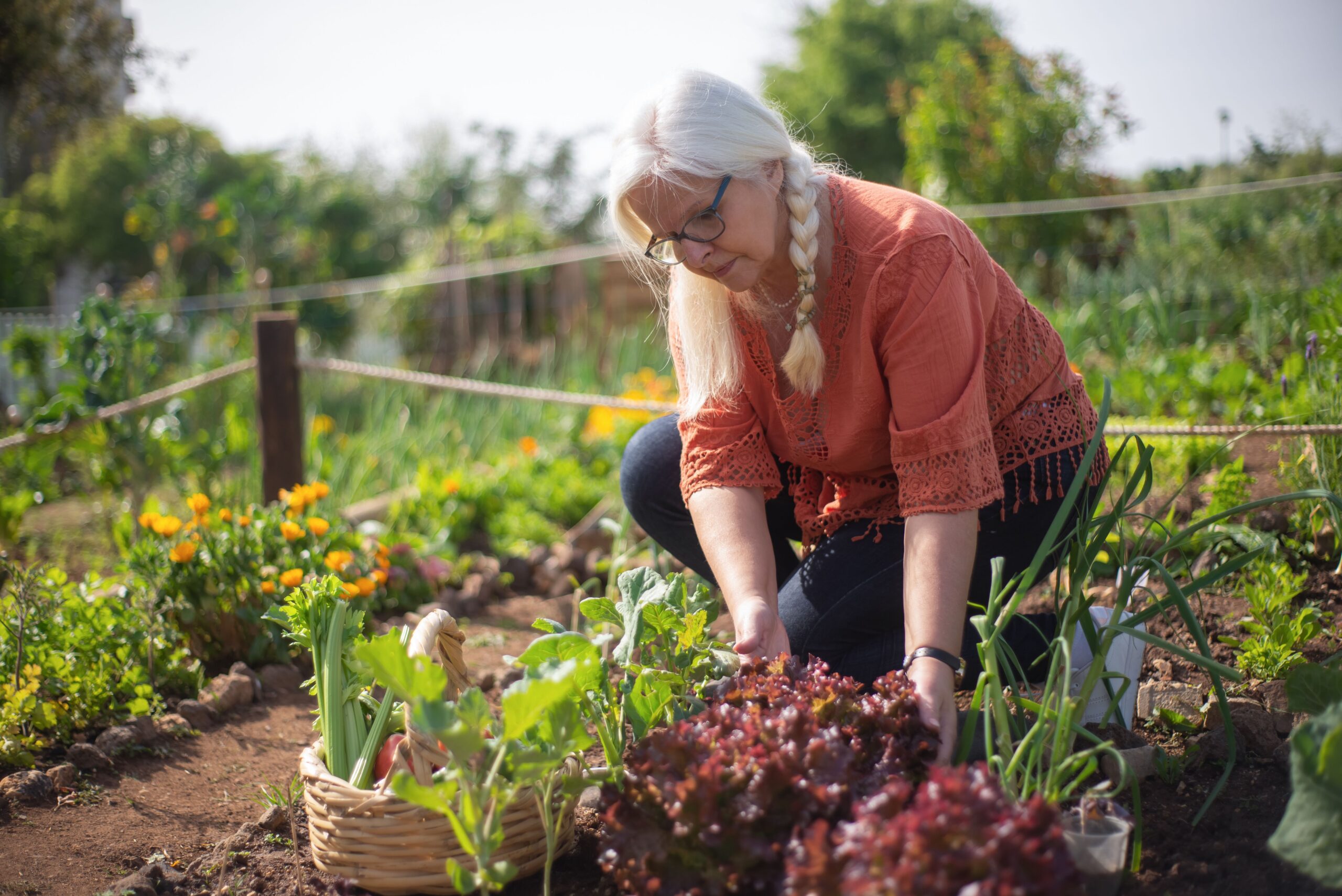
Gardening With Arthritis: How to Make Gardening Easier on Your Joints
Arthritis can make gardening more difficult.
Bending down to pull weeds may become uncomfortable. Pruning can be harder on your hands. Carrying potting mix can feel much heavier than it used to. Even gripping a small garden tool for an extended period can become tiring.
But arthritis does not necessarily mean giving up gardening.
Often, the better approach is to change how you garden.
Arthritis Australia recommends strategies such as pacing gardening tasks, changing activities regularly, reducing heavy lifting, using appropriate tools and changing the layout of gardens to make them easier to access.
Here are practical ways to keep enjoying your garden while reducing unnecessary strain.
1. Bring the Garden Up to You
One of the most useful changes can be reducing how much work happens at ground level.
Traditional garden beds often require considerable bending, kneeling and reaching.
Raised garden beds and elevated planters can bring plants closer to a comfortable working height.
They can be particularly useful for:
Vegetables
Herbs
Flowers
Smaller shrubs
Seedlings
Arthritis Australia specifically recommends considering elevated garden beds to reduce bending.
The right height will depend on you.
Before installing a raised bed, think about whether you intend to garden standing or seated and make sure you can comfortably reach the plants without stretching across the bed.
For more ideas, read our guide to starting a vegetable garden in retirement.
2. Garden Little and Often
You do not need to finish the entire garden in one afternoon.
In fact, trying to push through until every job is finished can make gardening considerably harder on sore joints.
Arthritis Australia recommends pacing yourself, taking breaks and changing between different gardening jobs rather than repeatedly loading the same joints.
Instead of spending hours pruning, for example, you might prune for a while and then switch to a lighter job.
The garden will still be there tomorrow.
Breaking larger jobs into smaller sessions can make gardening much more manageable.
3. Garden When You Feel Your Best
There is no universal best time of day to garden with arthritis.
This is one claim from our old guide that is worth correcting.
Symptoms differ between people and between different forms of arthritis.
Rather than assuming morning or afternoon will always be better, Arthritis Australia recommends being active when you have the least pain, stiffness and fatigue.
Pay attention to your own body.
If mornings are difficult, garden later.
If you feel better early in the day, take advantage of it.
Build the garden around you rather than forcing yourself into somebody else’s routine.
4. Use Tools With Comfortable Handles
Small, narrow handles can require considerable gripping force.
If arthritis affects your hands, larger or adapted handles may be more comfortable.
Arthritis Australia recommends equipment that reduces tight gripping and notes that larger handles and adapted equipment can reduce unnecessary stress on smaller joints.
When choosing gardening tools, consider:
Handle size
Weight
Grip comfort
How much squeezing is required
Whether the tool requires repetitive twisting
Whether a longer handle would reduce bending
Do not assume something labelled ergonomic will automatically suit you.
If possible, hold the tool before buying it.
We cover practical options in our complete guide to gardening tools for seniors.
5. Consider Long Handled Tools
Sometimes the easiest way to reduce bending is simply to make the tool longer.
Long handled weeders, cultivators and other appropriate tools may allow some jobs to be performed from a more upright position.
Arthritis Australia recommends lightweight and long handled tools where appropriate.
There is a tradeoff, however.
A longer tool is not automatically easier for everyone.
Weight, balance and the amount of force required still matter.
Choose equipment based on the particular task and your own abilities.
6. Sit for Some Gardening Jobs
Not every gardening task needs to be performed standing or kneeling.
A stable garden stool or suitable seat may make some low level jobs easier.
Arthritis Australia notes that sitting can reduce the load on weight bearing joints compared with prolonged standing or kneeling.
Make sure whatever you use is stable on the surface beneath it.
You also need to be able to get on and off it comfortably.
If getting up from a low stool is difficult, a higher seat or raised garden may be a better solution.
7. Reduce Heavy Lifting
A giant bag of potting mix is not particularly useful if getting it from the car to the garden becomes an ordeal.
Buy smaller quantities where practical.
Use a trolley or wheelbarrow when appropriate.
Ask for help with heavy jobs.
Have bulky products delivered if that is an option.
Arthritis Australia specifically recommends avoiding unnecessary heavy lifting and suggests smaller bags rather than one large bag when help is unavailable.
There is no prize for carrying everything yourself.
Save your energy for the gardening you actually enjoy.
8. Keep Equipment Where You Use It
Think about how many unnecessary trips you make while gardening.
You walk outside.
Realise you need the secateurs.
Go back.
Then you need gloves.
Then fertiliser.
Then another tool.
If walking or carrying equipment is becoming difficult, organise frequently used items close to the area where you need them.
A small garden caddy, bucket or suitable cart can also help move several lightweight items at once.
Planning ahead is another joint protection strategy recommended by Arthritis Australia.
9. Automate Some of the Watering
Watering can involve more physical effort than it appears.
Dragging hoses.
Carrying watering cans.
Bending around plants.
Repeating the same movements across the garden.
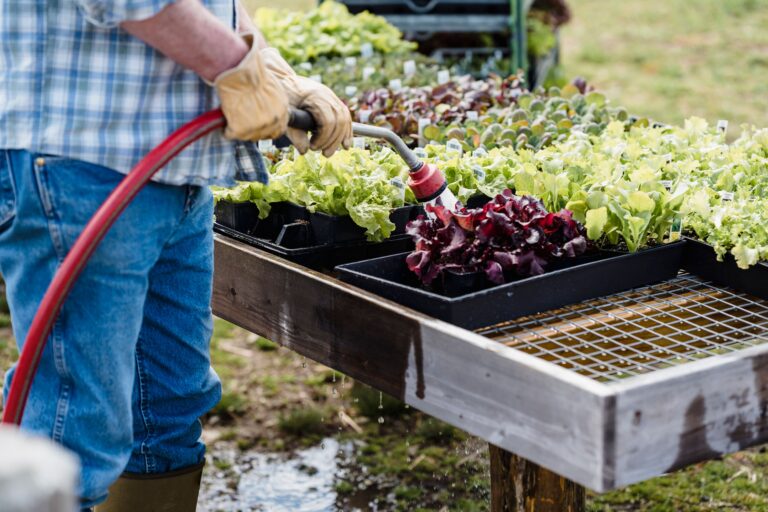
Depending on your garden, a soaker hose, drip irrigation system or appropriately configured automatic watering system can reduce some of this work.
It also fits into a larger principle:
Automate the repetitive jobs and keep the enjoyable ones.
Our guide to low maintenance gardening for seniors covers irrigation and other ways to reduce ongoing garden work.
10. Make Garden Beds Easier to Reach
Sometimes the problem is not your body.
It is the garden design.
A very wide garden bed forces you to reach.
A narrow path may make access difficult.
Plants positioned against fences can become awkward to maintain.
Arthritis Australia recommends considering changes to paths and garden beds to improve accessibility.
When designing a new bed, think about future access before planting it.
Can you reach everything comfortably?
Is there somewhere stable to stand?
Can you move around it safely?
Can you maintain the plants when they reach their mature size?
A garden designed around accessibility can remain enjoyable for much longer.
11. Choose Plants That Match the Work You Want to Do
There is no single “best plant for arthritis.”
That is another claim worth correcting from our old article.
Instead, choose plants based on the amount and type of maintenance they require.
Think about whether a plant needs:
Frequent pruning
Regular deadheading
Staking
Constant watering
Seasonal replacement
Regular harvesting
Special pest management
You may love some higher maintenance plants enough that the work is worthwhile.
That is completely fine.
The goal is not to create a garden requiring zero effort.
It is to avoid filling the entire garden with plants that create jobs you find uncomfortable.
For Australian plant ideas, see our guide to native plants for Australian gardens.
12. Reduce Unnecessary Weeding
Weeding combines several things that can be difficult with arthritis.
Bending.
Gripping.
Pulling.
Repetition.
Reducing the number of weeds that appear can therefore be more useful than becoming better at pulling them.
Depending on the garden, strategies may include appropriate mulch, denser planting, improving garden edging and dealing with weeds before they become established.
No garden will remain completely weed free.
The goal is simply to reduce how much time you spend fighting them.
13. Use Both Hands Where Appropriate
When carrying appropriate objects, spreading the load across both hands and arms can sometimes reduce strain on smaller joints.
Arthritis Australia recommends distributing loads rather than relying heavily on the fingers and keeping carried objects relatively close to your body.
This is particularly relevant when moving lightweight trays, pots and gardening supplies.
Heavy objects are different.
If something is too heavy to comfortably manage, get help or use suitable equipment rather than trying to find a clever way to lift it.
14. Keep Cutting Tools Maintained
Blunt secateurs make you work harder.
Arthritis Australia recommends keeping gardening cutters sharp so they require less effort to use.
The same principle applies across the garden.
Equipment that works properly generally requires less unnecessary force.
Maintain tools according to their manufacturer’s instructions and replace damaged equipment rather than fighting with it every weekend.
15. Do Not Ignore Pain
Gardening involves physical activity, but pain is not evidence that you have had a productive session.
Arthritis Australia advises people to listen to their body and reduce activity if it produces additional or unusual pain. More rest may also be necessary during an arthritis flare.
If a particular gardening job consistently causes problems, change it.
Change the tool.
Change your technique.
Reduce the duration.
Change the garden layout.
Or stop doing that particular job yourself.
An occupational therapist may also be able to suggest modifications, equipment or different ways of completing activities that are important to you.
Gardening Can Still Keep You Active
Making gardening easier does not mean avoiding movement.
Appropriate physical activity is an important part of managing arthritis.
Arthritis Australia states that regular exercise can improve joint mobility, muscle strength, posture and balance, while gardening can contribute to your overall physical activity.
Australian physical activity recommendations for people aged 65 and over also encourage daily movement alongside regular strengthening, balance and coordination activities.
Gardening can contribute to an active lifestyle.
But it should not be considered a complete exercise program by itself.
If you want to maintain strength as you age, read our guide to why muscle mass is important in your 60s.
When Professional Advice Can Help
Arthritis affects people differently.
Osteoarthritis in the knees can create very different gardening challenges from rheumatoid arthritis affecting the hands.
If arthritis is making activities difficult, an occupational therapist can help identify ways to modify tasks or recommend appropriate assistive equipment. Physiotherapists and exercise physiologists can also provide individual advice about movement and exercise.
Speak with your healthcare professional if you are unsure what activity is appropriate for your condition.
The Bottom Line
Gardening with arthritis is not about forcing yourself to garden exactly as you did twenty years ago.
It is about adapting.
Raise the plants.
Reduce unnecessary bending.
Use comfortable tools.
Break large jobs into smaller ones.
Automate repetitive work where practical.
Ask for help with heavy tasks.
And design the garden around what your body can comfortably manage.
A few changes can mean spending less energy fighting your garden and more time actually enjoying it.
That is the garden worth building.